AMD has committed up to $161.1 billion in customer equity rights and $33.1 billion in guarantees, leases and investments, while holding…
BL Hunterbrook 43h ago 6 clicks
AMD firmware reached blacklisted IEIT Systems after U.S. restrictions, while tighter rules threaten Singapore sales and expose China-linked…
BL Hunterbrook 43h ago 5 clicks
November purchases include Public Storage preferred shares and MercadoLibre, with a focus on preferred-stock income and Latin American…
S Ian’s Insider Corner 44h ago 6 clicks
Rick Rule argues copper needs $250 billion of capital and says 30-year uranium contracts are reshaping mine financing.
YT The Monetary Matters Network 44h ago 5 clicks
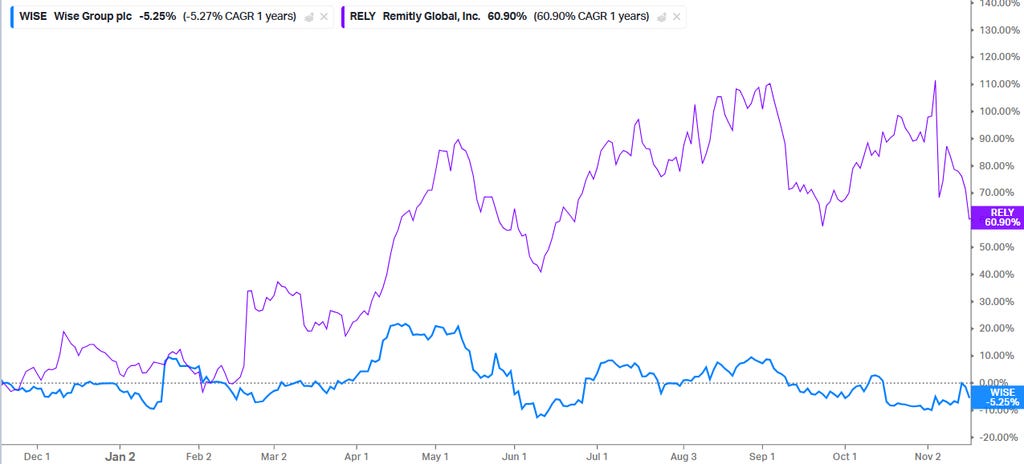
Remitly’s Q3 revenue growth accelerated to 22% as lower transaction losses lifted margins, while recipient-facing products build a…
S scuttleblurb 46h ago 4 clicks
Intel’s data-center growth reached 78% as Xeon capacity expands, while weak PC demand, foundry losses and capital spending pressure margins…
SA Capital Minded 46h ago 2 clicks Netflix’s $20 billion 2026 content budget spreads fixed costs across 325 million members, but generative AI and content abundance threaten…
S Jimmy's Journal 46h ago 3 clicks
Snowflake’s $1.642 billion in stock-based compensation exceeds 90% of free cash flow, challenging its path to GAAP profitability despite…
SA APAC Research Nov 19 Everpure and Palo Alto Networks posted their largest sales upside in years, alongside a chip-company rejuvenation.
BL The Technology Letter Nov 18 5 clicks
Sea Limited’s revenue rose 43% and adjusted EBITDA 29% in Q3 as slowing Shopee and stagnant Garena shift focus to Sea Cloud.
SA Riyado Sofian Nov 18 5 clicks Nvidia faces allegations over China and Southeast Asia sales, financial reporting and governance ahead of Q3 FY27 results.
S Kakashii's Materials Nov 18 4 clicks
GFL’s halted sale process sets a $52 to $58 per-share range, while its Secure acquisition could redirect investor attention toward…
S 310 Value’s Newsletter Nov 18 9 clicks
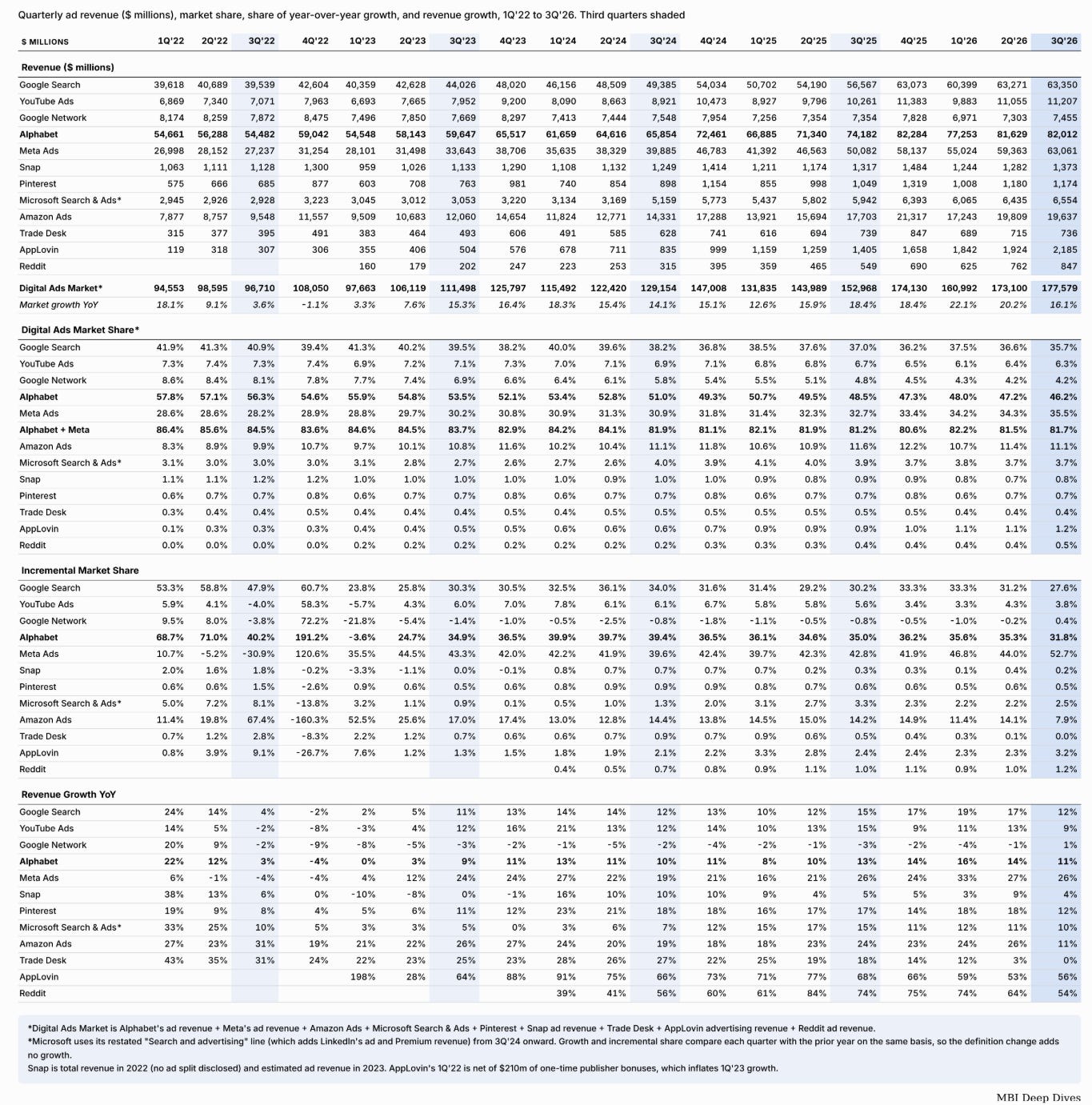
Digital advertising growth slowed to 16.1% in 3Q26 from 20.2% in 2Q26, while Meta captured 52.7% of incremental spending.
S MBI Deep Dives Nov 18 4 clicks
Nvidia faced China workaround enforcement concerns as technology fell 6%; energy rose 4.5%, while the company raised eFY28 revenue growth…
S Monte Independent Investment Research Nov 18 4 clicks
DICK’S Sporting Goods heads into Q3 after a Q2 miss drove shares down over 25% year to date and 30% in six months.
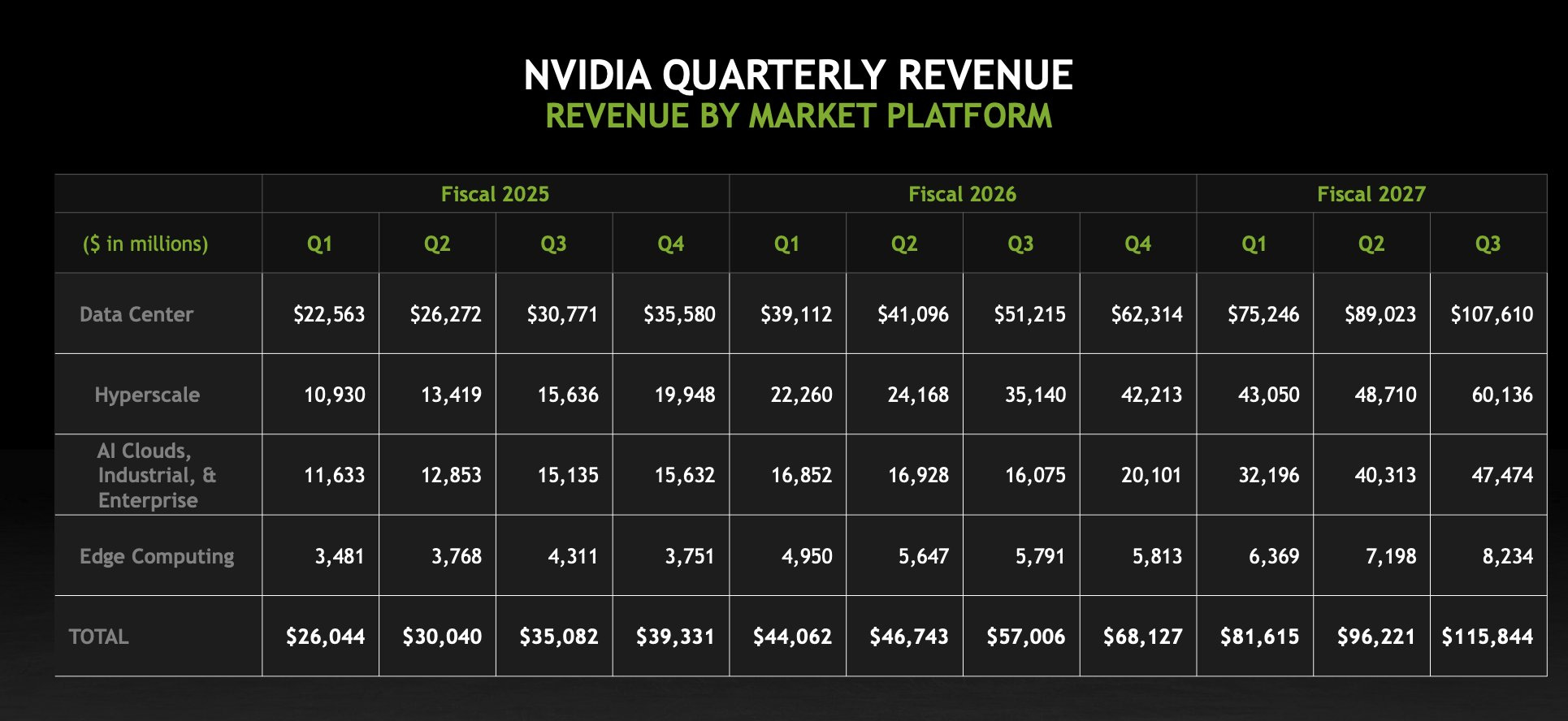
SA Justin Purohit Nov 18 Nvidia reported $115.8 billion in Q3 revenue, up 103%, and guided $130 billion, while Jensen Huang’s resignation left Colette Kress as…
BL Cestrian Capital Research Nov 18 4 clicks
Pfizer’s Q3 revenue reached $16.58 billion, launched and acquired products grew 32%, and FY26 guidance rose to $62 billion to $64 billion.
SA Louis Gerard Nov 18 6 clicks NVIDIA’s fiscal third-quarter 2027 results are its first earnings report since Jensen Huang’s resignation as CEO.
S SixSigmaCapital: Navigating the Financial Markets Nov 18 4 clicks
Tyson Foods expects its beef operating loss to narrow from $654 million in FY26 to between a $300 million loss and $100 million profit in…
SA IWA Research Nov 18 Nvidia reported $115.8 billion in Q3 revenue, up 103%, and raised its fiscal 2028 growth outlook to 75% as interim CEO Colette Kress…
S Key Context by Tae Kim Nov 17 3 clicks