The Art of Doing Financial Engineering
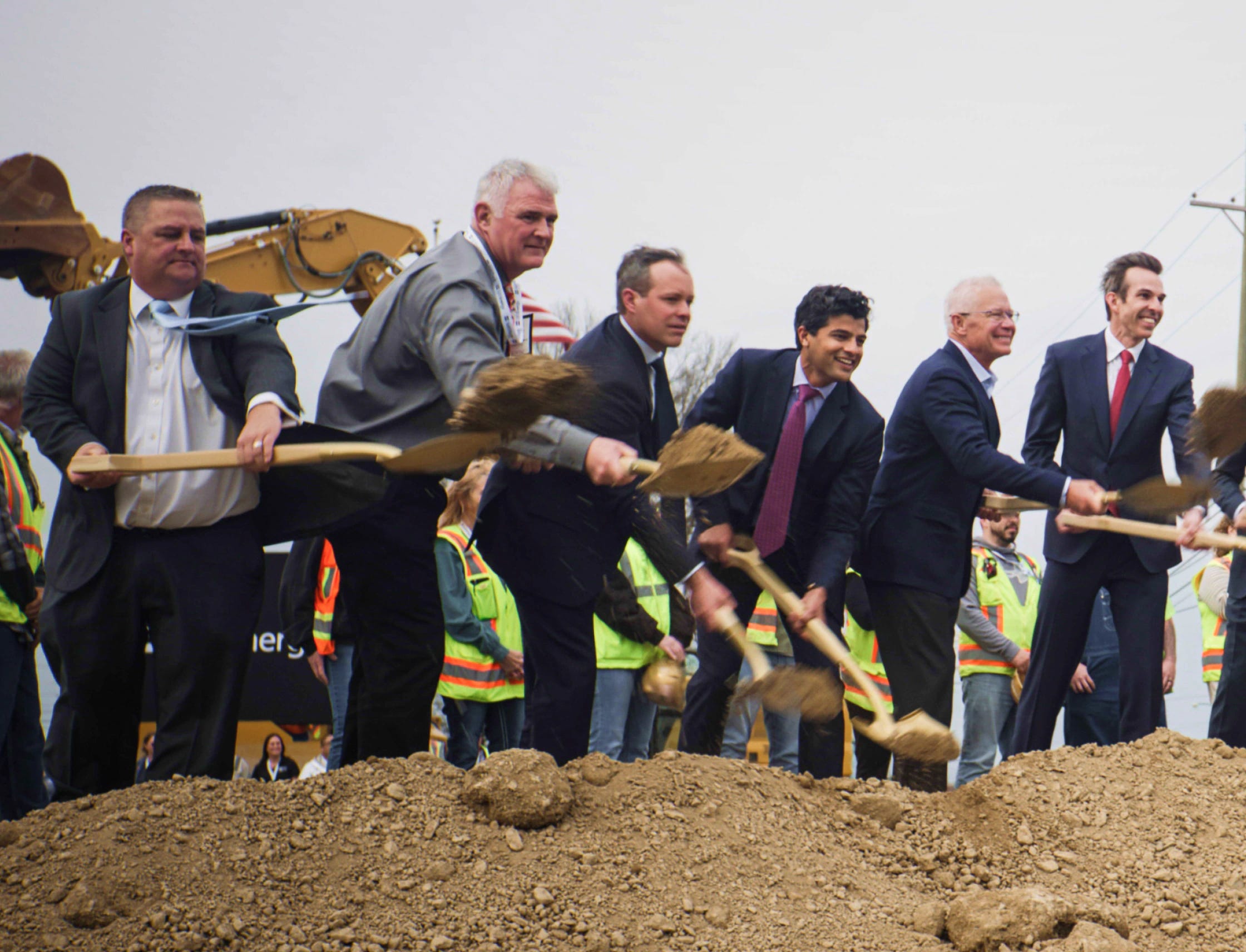
AI infrastructure’s $6.3 trillion financing gap is driving structured debt and asset-backed solutions, starting with Meta’s planned 5GW Louisiana data center.
AI infrastructure’s $6.3 trillion financing gap is driving structured debt and asset-backed solutions, starting with Meta’s planned 5GW Louisiana data center.
A “gift” is when some person and/or organization creates a narrative misperception that creates a dislocation in an equity. Dario did it with $CORZ / $CIFR this weekend. Bloomberg News continues to do it with $OWL https://t.co/z7VfaqffDk
What price does $GFL get acquired for?
You know it’s gonna be a good day when even $AMZN is getting bought
@Fwenen $QXO vs. $XHB 🤷♂️ https://t.co/ueiuutNvlX
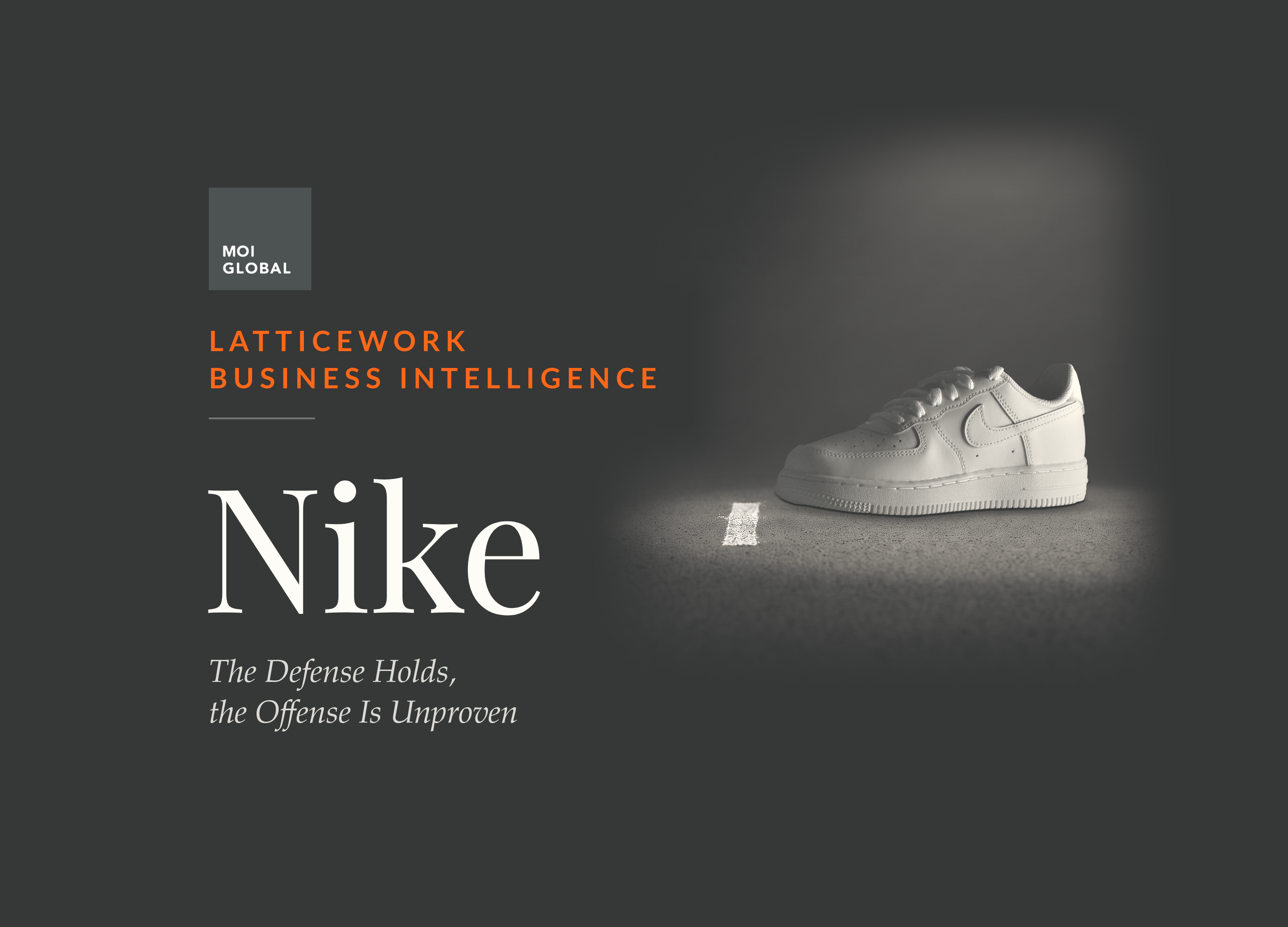
Nike targets EBIT margin recovery from 5.2% in FY2027 to 13% by FY2032 as revenue declines persist and wholesale, China and digital remain…
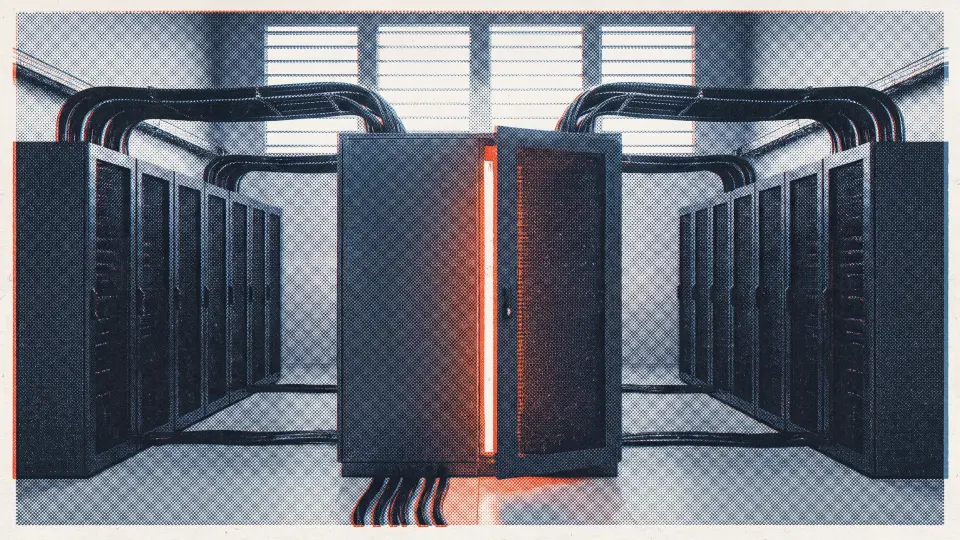
Cloudflare is building HTTP 402 payments for AI agents, using its web network to let publishers charge bots for content access.
Nike’s second Latticework program examines the company and the global athletic footwear and apparel industry for professional investors.

Nike grew from a $1,000 shoe-distribution venture in 1964 into the largest sports brand, using athlete endorsements, product innovation and…

Rocket Lab reported Q2 revenue up 62% to $234.1 million and backlog up 137% to $2.36 billion, while operating losses and cash burn…

American Healthcare REIT’s senior-housing and outpatient portfolio is driving FFO growth and dividend safety, while a rich valuation limits…
 Albert Anthony 1 click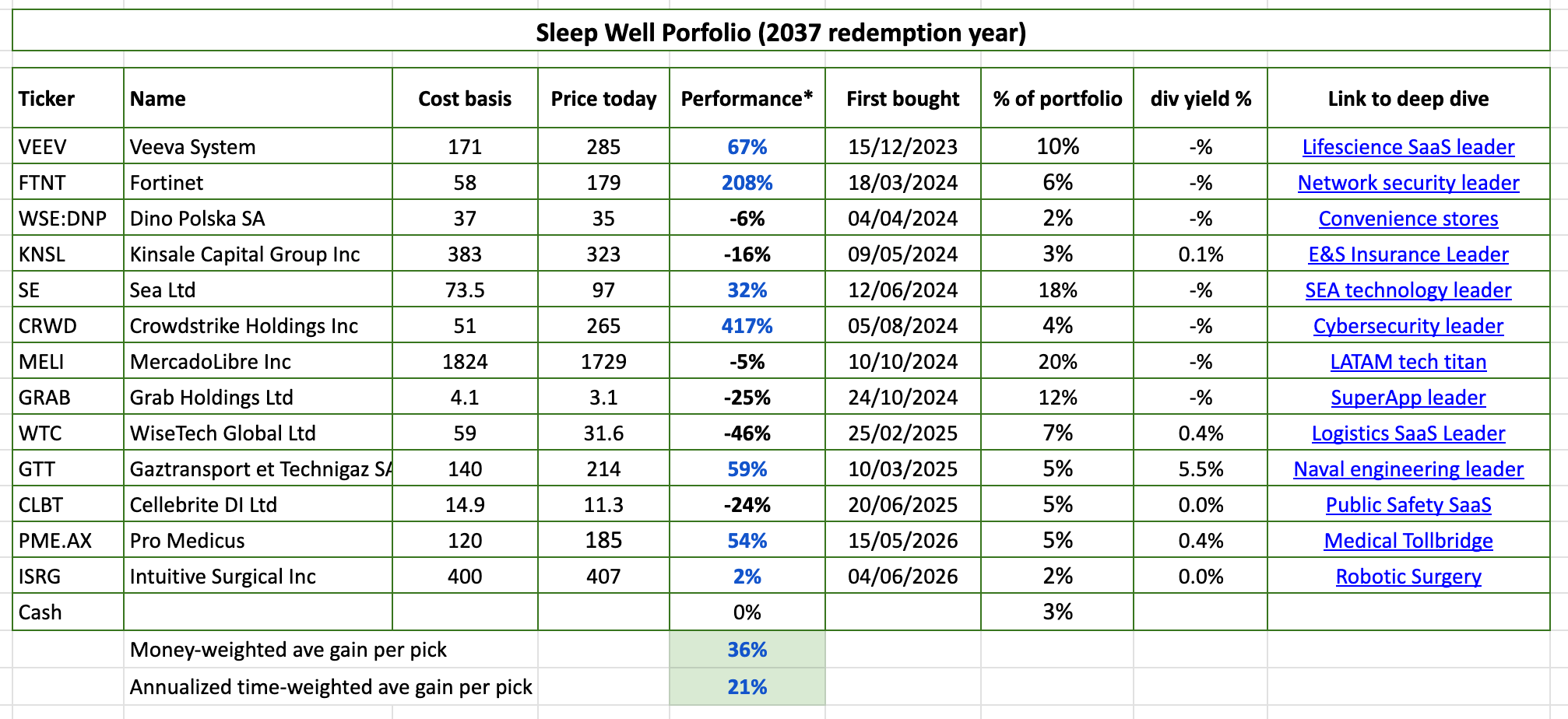
CrowdStrike faces a trim at a $270 billion valuation and 140x free cash flow, despite AI-driven cybersecurity demand and a $20 billion ARR…
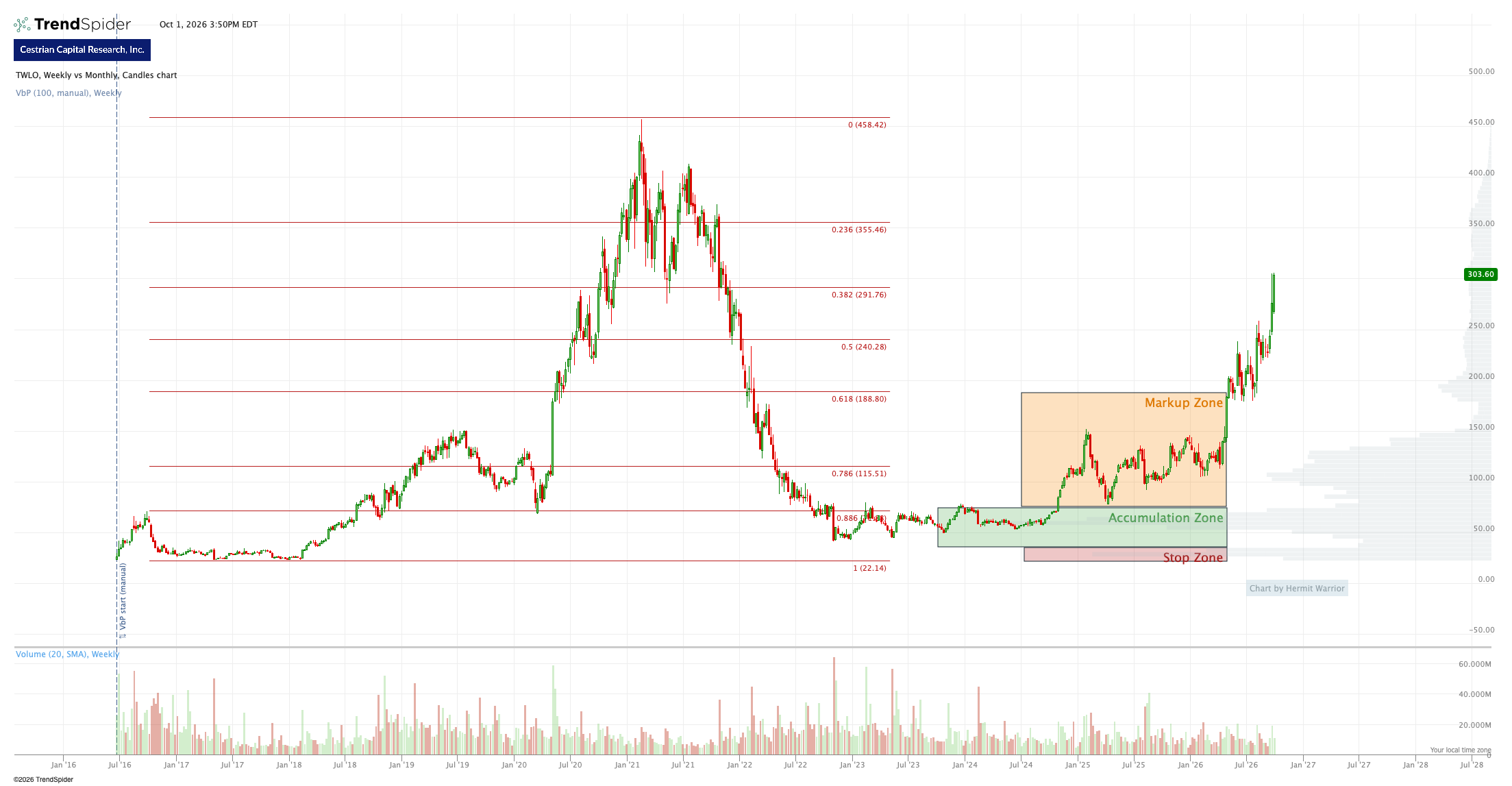
Twilio posted Q2 revenue of $1.50 billion, up 22%, and guided 16% Q3 growth; the note rates TWLO Hold at $305, with a $260 risk line.
Anthropic spent $2.75 per revenue dollar in 2025 and committed $518 billion to compute, while AI debt at CoreWeave, Oracle and data-center…

Regeneron and Sanofi expanded their antibody partnership, giving REGN $1 billion upfront, up to $7 billion in milestones and a 50:50 global…
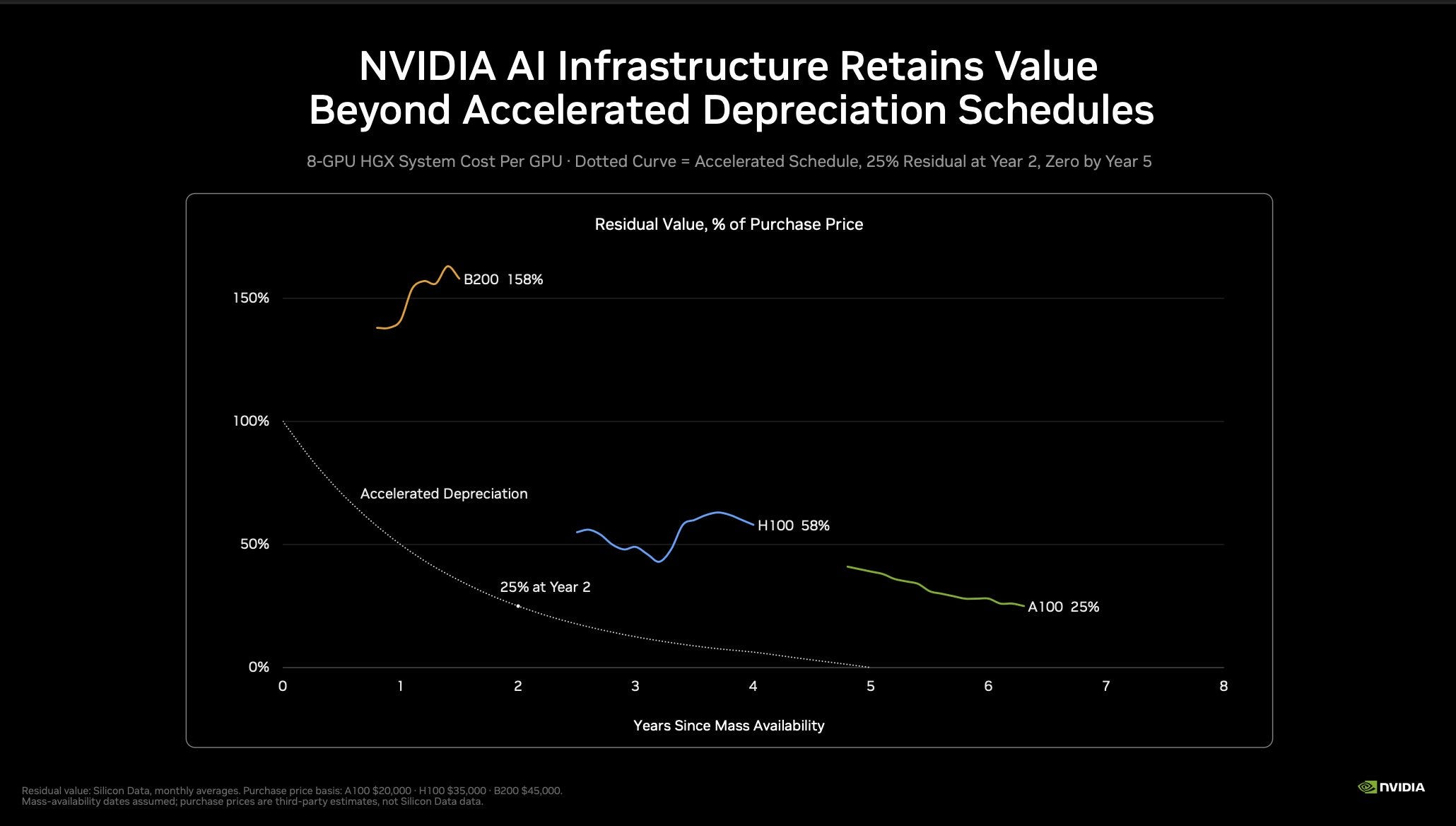
Nvidia argues A100, H100 and B200 GPUs retain value beyond five-year depreciation schedules, reviving comparisons with the 1960s…

Muse could sidestep ads by becoming a neutral commerce agent, while DoorDash and Airbnb build proprietary agents that steer users toward…

Chipotle's Q2 revenue rose 9.3% as traffic and market share grew; the case rests on pricing catching inflation to restore margins.
 The Alpha Analyst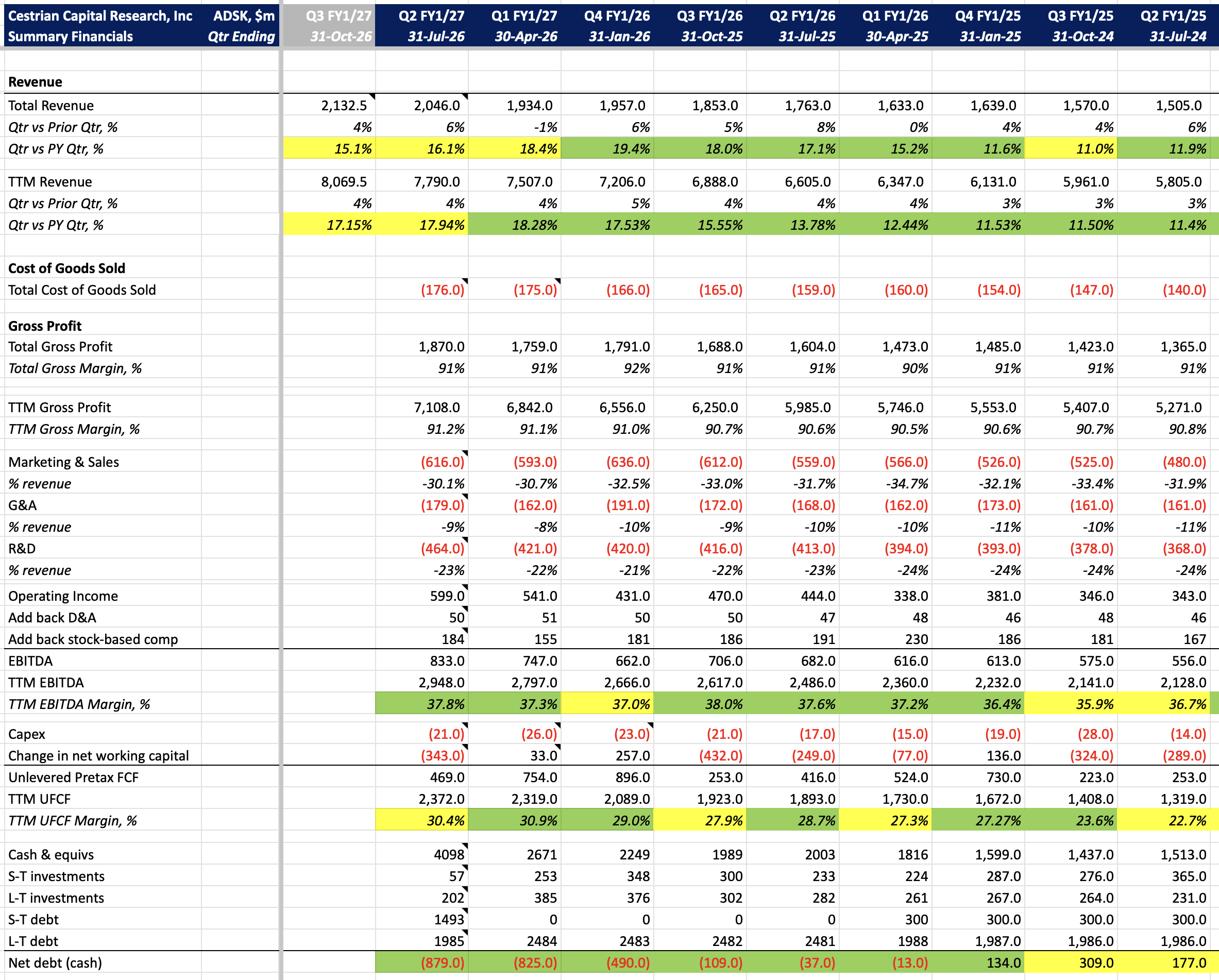
Autodesk reported Q2 revenue growth of 16% to $2.05 billion, while RPO growth slowed to 2%; FY2027 guidance calls for $8.30 billion to…
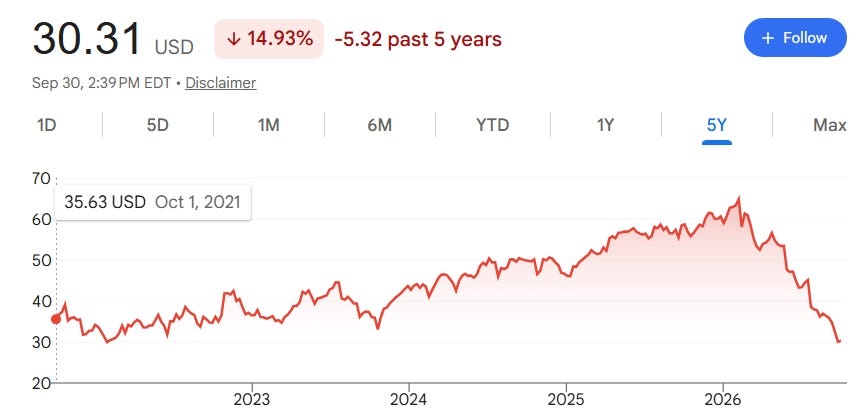
Rollins’ shares have fallen more than 50% from their peak, resetting valuation as route density, reliable service and pricing support…
Pearson, CarMax, Talen Energy, KBR and Apollo Commercial Real Estate lead a 33-company survey of activist campaigns, buybacks, M&A and…

HubSpot trades at 18.4x forward earnings and 3x sales after the SaaS selloff; a DCF using 22% FCF growth values shares at $302.66.
 Bishop Research and Analytics 2 clicks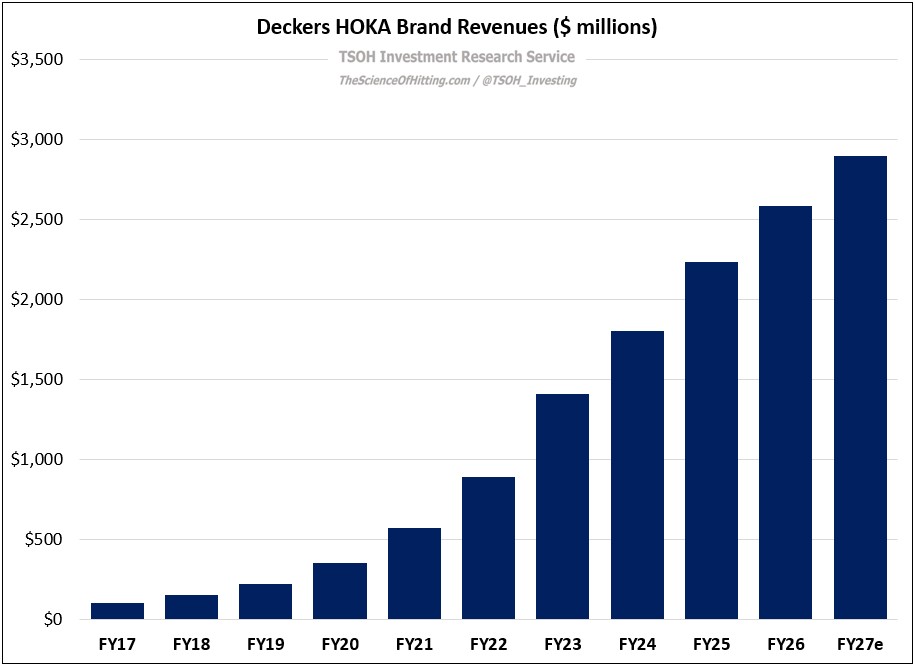
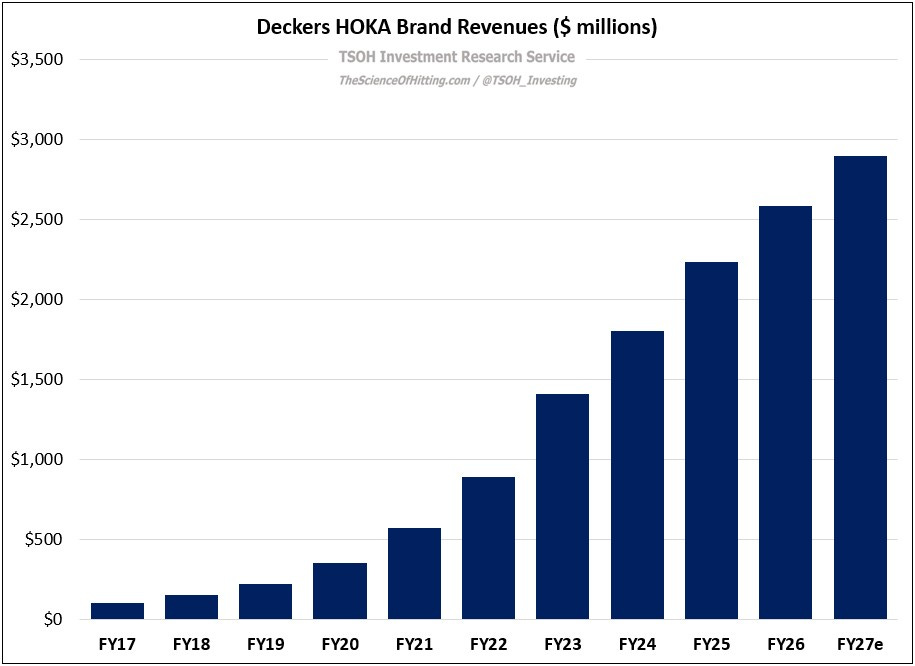
Deckers built HOKA into a brand nearing UGG’s scale, with HOKA revenue up about fivefold since FY21.
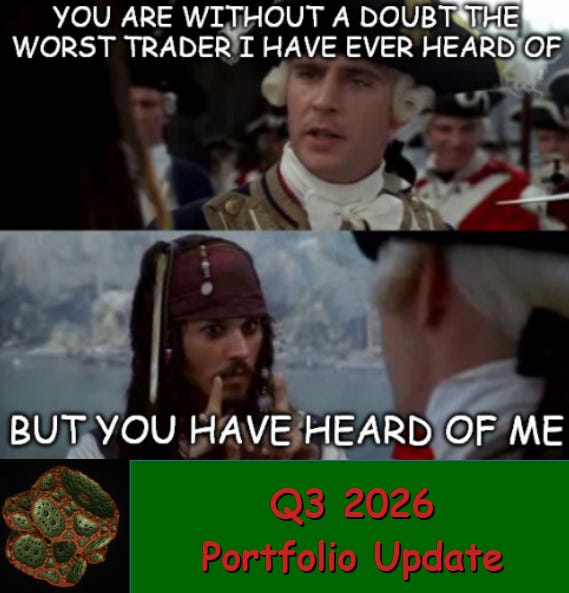
Irrational Analysis reports 51.55% outperformance versus a semiconductor ETF, adding Credo for SerDes and QMCO for AI-driven tape storage…
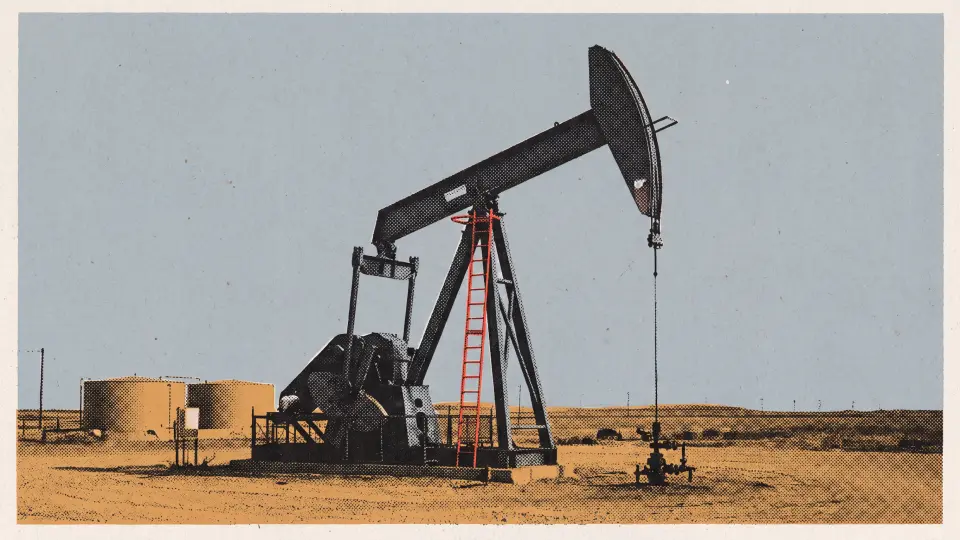
Occidental Petroleum could benefit as declining shale inventories and high rates curb industry capex, tightening oil supply against demand…
 Gen Z Investor
 Every publication on this site, hand-picked.
Albert Anthony Andres Veurink
 Bay Area Ideas
 Capital Connoisseur
 David Zanoni
 Deep Value Investing
 Dhierin Bechai
 Equity Eagle
 Eudaemon Research
 Fernanda Galvez Jalil
 Henrik Alex
 High Alpha Professor
 Investor Overview
 IWA Research
 Jaden Mealy
 Khaveen Investments
 LL Insights
 Long Player
 Marc Gerstein
 Melissa Tucker
 Mike Zaccardi, CFA, CMT
 Miletus Research
 Myriam Alvarez
 Petri Dish Reports
 Philip Wang
 Prakhar Agarwal, CFA
 PV Research
 Quantryon Capital
 Robert J. Lake
 Ron Ferrie
 Sam Mancini
 Sharon McArd
 SiliconBytes Insights
 Simple Investment Ideas
 Sorrento Research
 Stephen Ayers
 Steven Fiorillo The Alpha Analyst
 The Asian Investor
 The Bullionaire
 The Curious Analyst
 The J Thesis
 The Supercycle Investor
 The Undercovered Dozen
 Value Capital Research
 Vishal Jadaun
Every account on this site, hand-picked.
 ⚽️📡
⚽️📡 💥PETITION💥
 A Capital
 Adam D. Wyden
 AltayCap
 Bank Reg Blog
 Barbarian Capital
 BDC
BDC Bill Ackman
 Broken Moats
 BuccoCapital Bloke
 Calvin Blissett
 catechwilliams
 Charles Frischer
 Chris Camillo
 Clark Square Capital
 Cluseau Investments
 Colin King
 Connor Haley
 Conor Maguire | Value Situations
 Convequity
 David Orr
 Deep Sail Capital
 Devin LaSarre
 DOMO Capital Management, LLC
 Edwin Dorsey
 Evan Tindell
 Fajasy
 Farmer
 Fierce_beast
 Fred Liu
 Gavin Baker
 Ian Bezek
 Idea Brunch
 JabroniCoin.USD
 John_Hempton
 junkbondinvestor
 kab60
kab60 KEDM.com
 Laughing Water Capital
 Lee Roach
 Little Owl Research
 Maius
Maius Maj Soueidan
 marginofdanger
 mavix
mavix Mike
Mike Mikro Kap David
 Multiples Capital
 Myles
Myles Nat Stewart
 Negligible Capital
 Odd Diligence
 Odd Lot Arbitrageur
 PAA Research
 Pernas Research
 Porter Collins
 Prepared Remarks
 Psyop Capital
 Raging Capital Ventures
 Red Dog Capital
 RiverRoadPartners
 Rusholme Capital
 Sahil Khetpal
 SG
SG Sheel Mohnot
 Tim Eriksen
 Timyan Bank Alert
 Todd Wenning
 ToffCap
 Trevor Scott
 Undiscovered Compounders
 Voss Capital
 Yaron Naymark
Ordered by how often our editor reaches for them.