ASML 3Q’26: 2030 Arrived Four Years Early
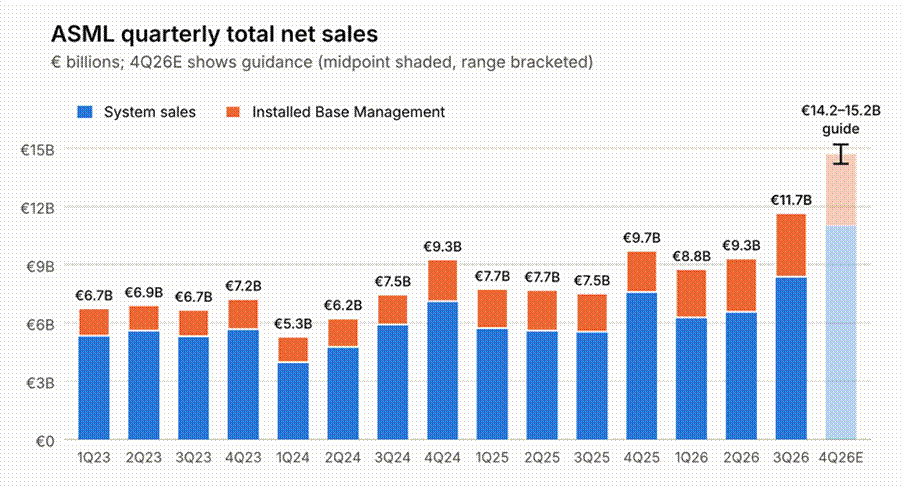
ASML reported €11.7 billion in 3Q 2026 sales, up 55%, and raised full-year guidance to €44–45 billion as AI-driven semiconductor demand strengthens.
ASML reported €11.7 billion in 3Q 2026 sales, up 55%, and raised full-year guidance to €44–45 billion as AI-driven semiconductor demand strengthens.
contrarian in me could not resist. Sold a few Jun27 17C against $SKHN the 2x daily short ETF for $SKHY https://t.co/S1eYAvyno5
I'm very tempted to short $MRNA and $BSP, but I've never made money shorting tickers that are popular on Twitter. https://t.co/pVH61V6HTm
September 2026 write-ups: 1) $THRM RMT transaction (sort of a spin) 2) $CTVA $VYLR spin-off 3) Guide to M&A situations 4) $DECK beaten down (busted GARP) 5) $RAVE transitioning from turnaround to growth story https://t.co/fKWlrWNy4S
Free Recaps of the best new stock ideas, delivered every morning.
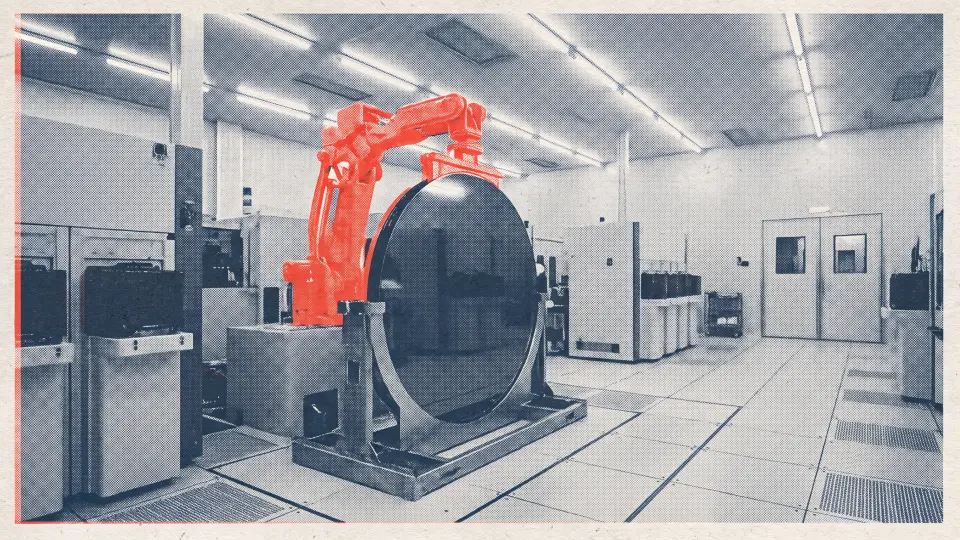
TSMC reported excellent Q3 results, guided Q4 revenue growth higher and saw its shares slip despite strong AI-driven earnings momentum.
October 2026 market commentary covers SOLS’s cancelled merger, a hypothetical Starbucks-Chipotle deal, Russell 2000 weakness and AI…
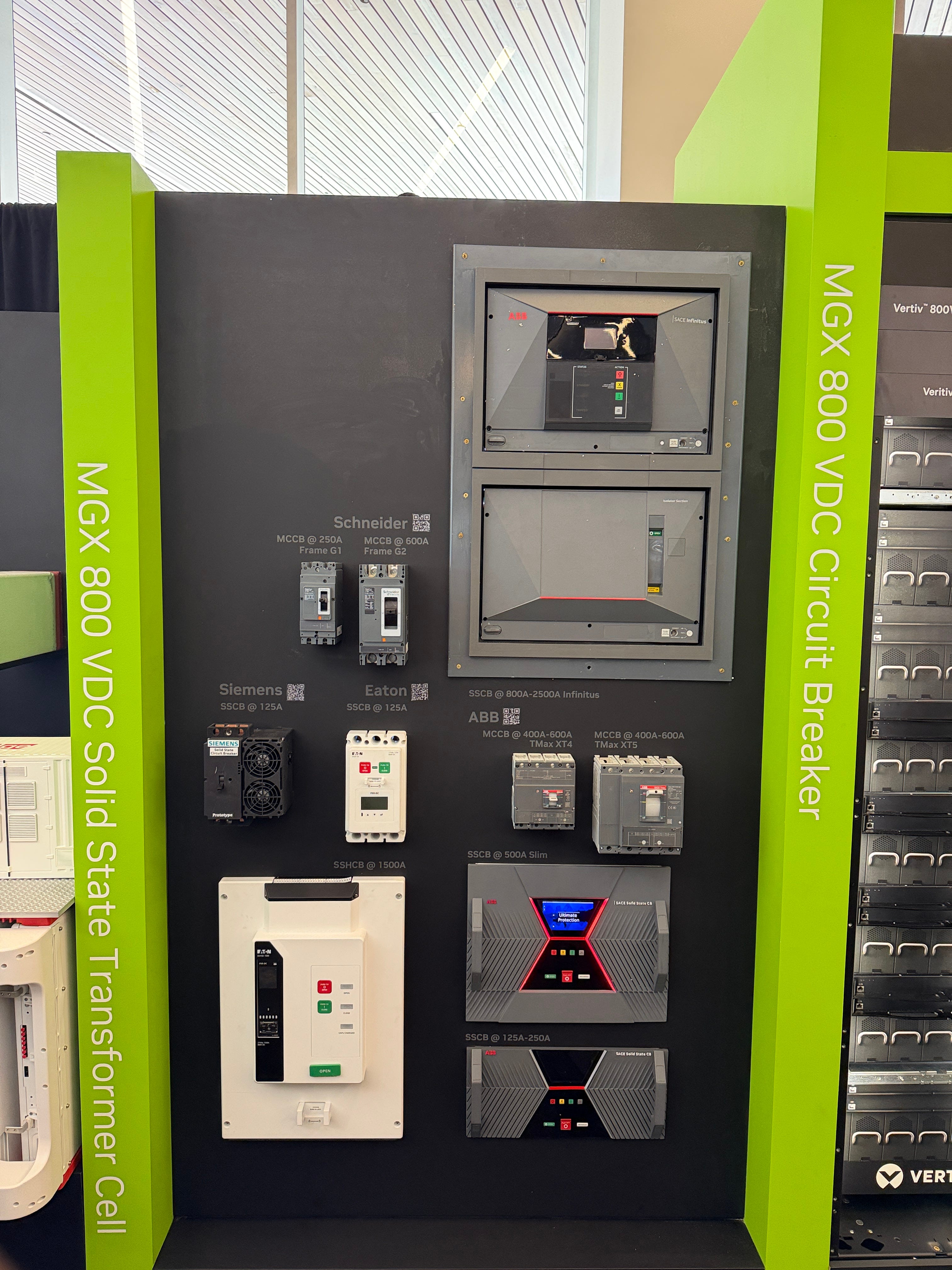
Nvidia’s Ian Buck says CUDA’s software ecosystem, GPU flexibility and annual Vera Rubin upgrades lower token costs as agentic AI pushes…

Ari Emanuel discusses AI’s impact on Hollywood, live events, social networks and the future of advertising.

RTX’s $289 billion backlog, including $119 billion in defense, supports growth from defense contracts and commercial aerospace aftermarket…
 Blake Winiecki 3 clicks

Tesla’s Q2 revenue rose 26%, but operating margin fell to 1.4% and free cash flow was negative $1.1 billion as valuation reached 215x…
 Julia Ostian 4 clicks
ASML’s €11.7 billion quarter benefited from €3.3 billion in installed-base sales and operating leverage, while the MATCH Act threatens…
Applied Materials leads wafer-fab deposition and ranks third in etch, positioning it for tougher 3D chip manufacturing as investors weigh a…

First Tracks Biotherapeutics’ ANB033 posted stronger Phase 1b celiac efficacy than Teva’s IL-15 inhibitor, with $168 million funding…
 Equity Eagle 5 clicks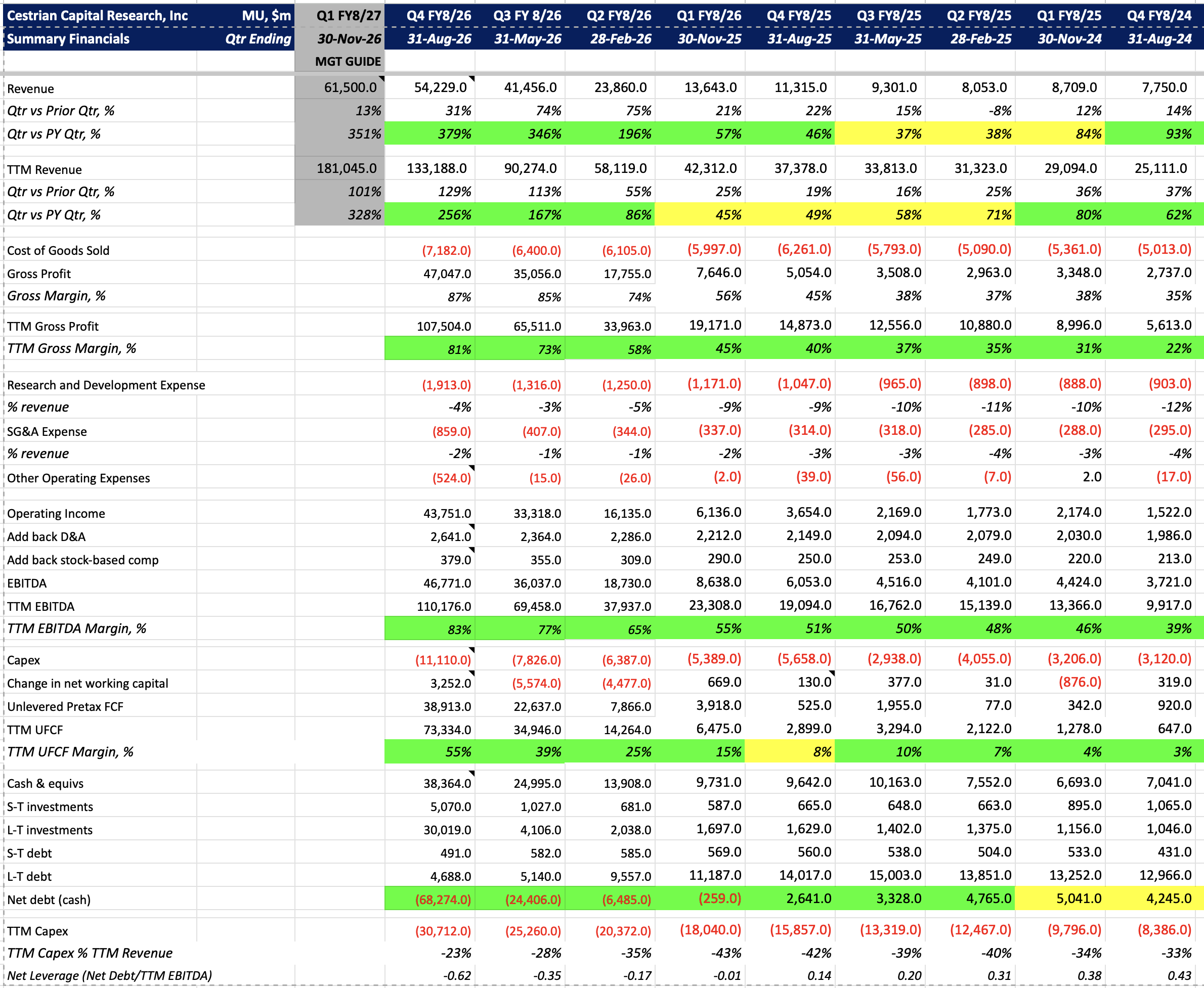
Micron reported Q4 FY26 revenue of $54.2 billion, up 379%, and guided Q1 revenue to $61.5 billion.

Vicor, Rayonier, Accenture and nine other lesser-covered stocks make up Seeking Alpha’s Undercovered Dozen.

Ben Pouladian argues AMD’s Helios racks cannot match NVIDIA GPUs’ fungibility and financing appeal as agentic AI shifts the bottleneck to…
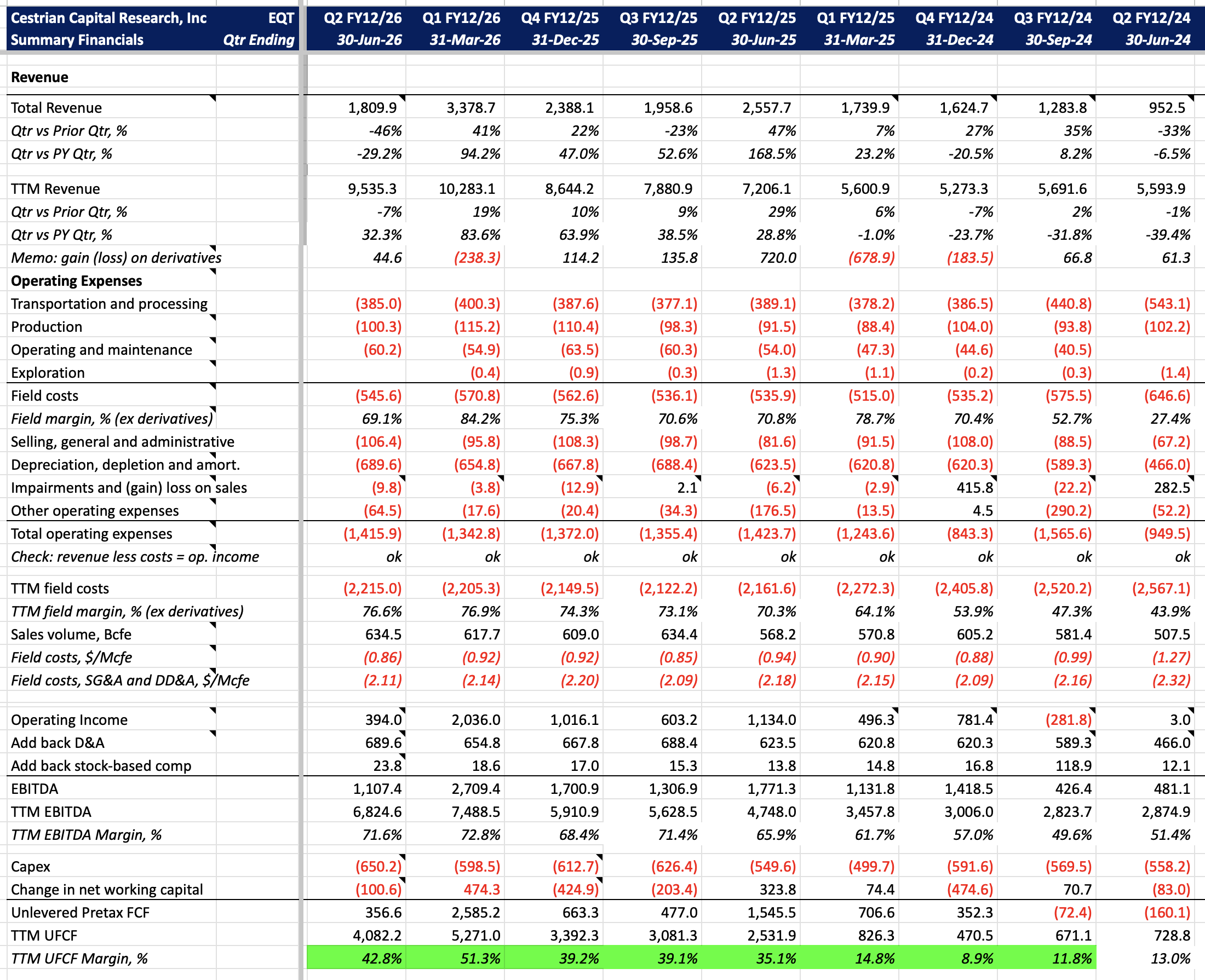
EQT remains tied to roughly $3 Henry Hub gas despite European prices near $23 per MMBtu, with US LNG export capacity limiting overseas…

Microsoft plans to rebuild Xbox after FY2026 through studio cuts, higher hardware prices, Game Pass growth, exclusive releases and the 2028…
 Khaveen Investments 2 clicks
Asia's elevator boom favors maintenance and modernization providers, with Otis deriving nearly 90% of operating profit from after-sales…
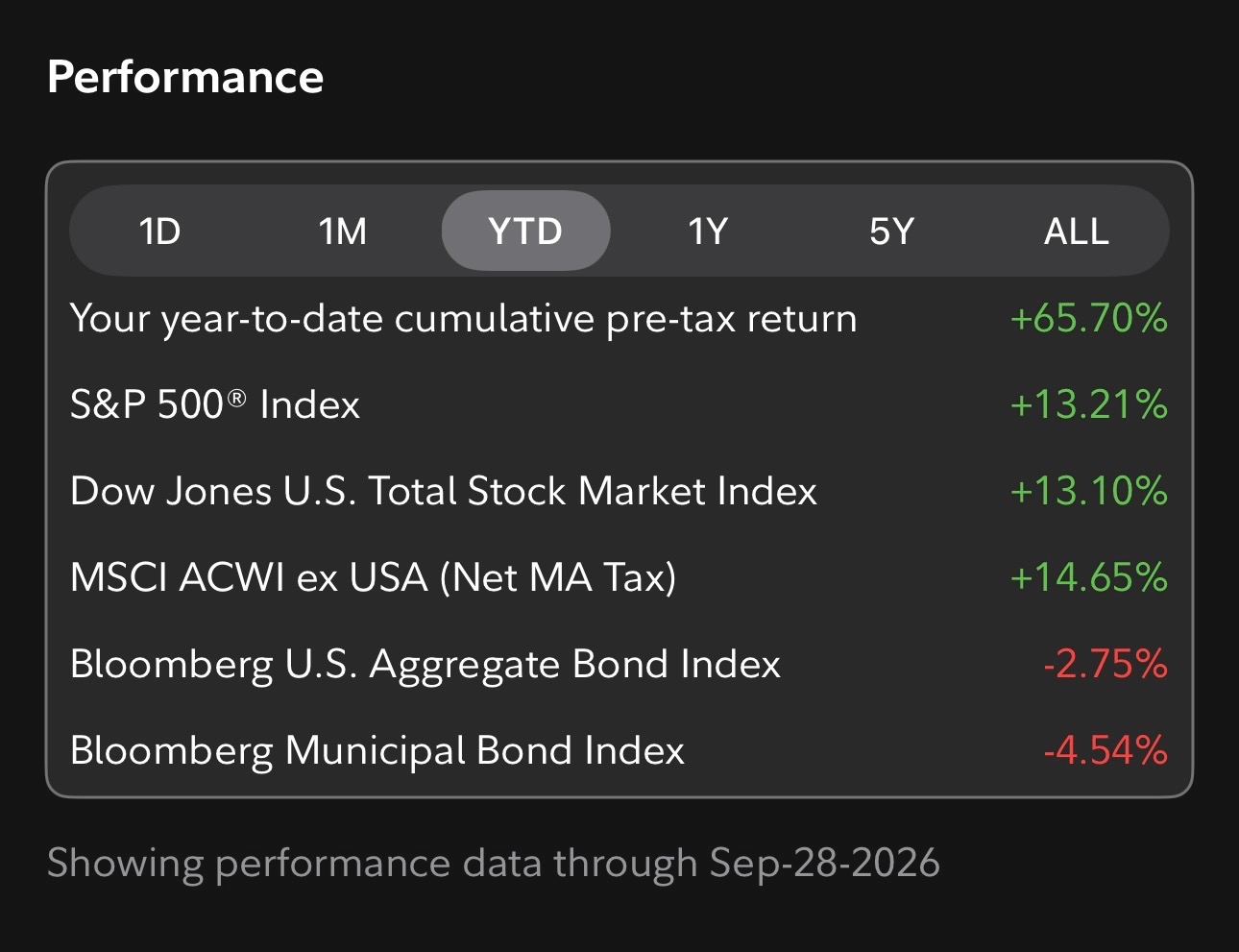
Portfolio returned 65.7% through September 28 versus the S&P 500’s 13.2%, while backing Tourmaline, EQT, Athabasca and SLB on gas demand…
FTAI Aviation’s engine-exchange model swaps CFM56 engines in days rather than 200-day overhauls, driving Aerospace Products adjusted EBITDA…

Meta’s Enterprise Platform creates a third-party compute outlet, reducing the cost of overbuilding AI infrastructure while adding…

Archer Aviation's Insitu, Wisk and SkyGrid acquisitions add military and drone revenue, cutting FAA-certification dependence and leaving…
 The Alpha Analyst 3 clicks
Have a source we’re missing? Send your pick
Every publication on this site, hand-picked.
 Albert Anthony
 Andres Veurink
 Bay Area Ideas Blake Winiecki
 Capital Connoisseur
 David Zanoni
 Deep Value Investing
 Dhierin Bechai
 Dilantha De Silva Equity Eagle
 Eudaemon Research
 Fernanda Galvez Jalil
 Henrik Alex
 High Alpha Professor
 Investor Overview
 IWA Research
 Jaden Mealy Julia Ostian Khaveen Investments
 LL Insights
 Long Player
 Marc Gerstein
 Melissa Tucker
 Mike Zaccardi, CFA, CMT
 Miletus Research
 Myriam Alvarez
 Petri Dish Reports
 Philip Wang
 Prakhar Agarwal, CFA
 PV Research
 Quantryon Capital
 Robert J. Lake
 Ron Ferrie
 Sam Mancini
 Sharon McArd
 SiliconBytes Insights
 Simple Investment Ideas
 Sorrento Research
 Stephen Ayers
 Steven Fiorillo The Alpha Analyst
 The Asian Investor
 The Bullionaire
 The Curious Analyst
 The J Thesis
 The Supercycle Investor
 The Undercovered Dozen
 Value Capital Research
 Vishal Jadaun
Every account on this site, hand-picked.
 ⚽️📡
⚽️📡 💥PETITION💥
 A Capital
 absreturnchaser
 Adam D. Wyden
 Alpha Vulture
 AltayCap
 Asif Suria
 Bank Reg Blog
 Barbarian Capital
 BDC
BDC Bill Ackman
 Brian McGough
 Broken Moats
 BuccoCapital Bloke
 Calvin Blissett
 catechwilliams
 Charles Frischer
 Chris Camillo
 Clark Square Capital
 Cluseau Investments
 Colin King
 Connor Haley
 Conor Maguire | Value Situations
 Convequity
 Dalius - Special Sits
 David Orr
 Deep Sail Capital
 Derek Pilecki
 Devin LaSarre
 DOMO Capital Management, LLC
 Edwin Dorsey
 Evan Tindell
 Fajasy
 Farmer
 Fierce_beast
 Fred Liu
 Gavin Baker
 George Noble
 Hunterbrook
 Ian Bezek
 Idea Brunch
 JabroniCoin.USD
 John_Hempton
 junkbondinvestor
 kab60
kab60 KEDM.com
 Kevin Mak
 Kuppy
Kuppy Laughing Water Capital
 Lee Roach
 Little Owl Research
 Maius
Maius Maj Soueidan
 marginofdanger
 mavix
mavix Mike
Mike Mikro Kap David
 Multiples Capital
 Myles
Myles Nat Stewart
 Negligible Capital
 Odd Diligence
 Odd Lot Arbitrageur
 PAA Research
 Paradis
 Pernas Research
 Porter Collins
 Prepared Remarks
 Psyop Capital
 Raging Capital Ventures
 Red Dog Capital RiverRoadPartners
 Rusholme Capital
 Sahil Khetpal
 Serenity
 SG
SG Sheel Mohnot
 Steve Eisman
 The Friendly Bear
 Tim Eriksen
 Timyan Bank Alert
 Todd Wenning
 ToffCap
 Trevor Scott
 Undiscovered Compounders
 Voss Capital
 Yaron Naymark
Ordered by how often our editor reaches for them.
Anything we’re missing?
Send us a pick