Interparfums trades at a 3.13 PEG using 8% growth, while a 17.5% growth assumption lowers its PEG to 1.43.
S Ezra's Notes 17h ago 3 clicks
Copart’s $30.86 share price implies 2.2 years of competitive advantage; 10 years would require only 3.4% annual sales growth under the…
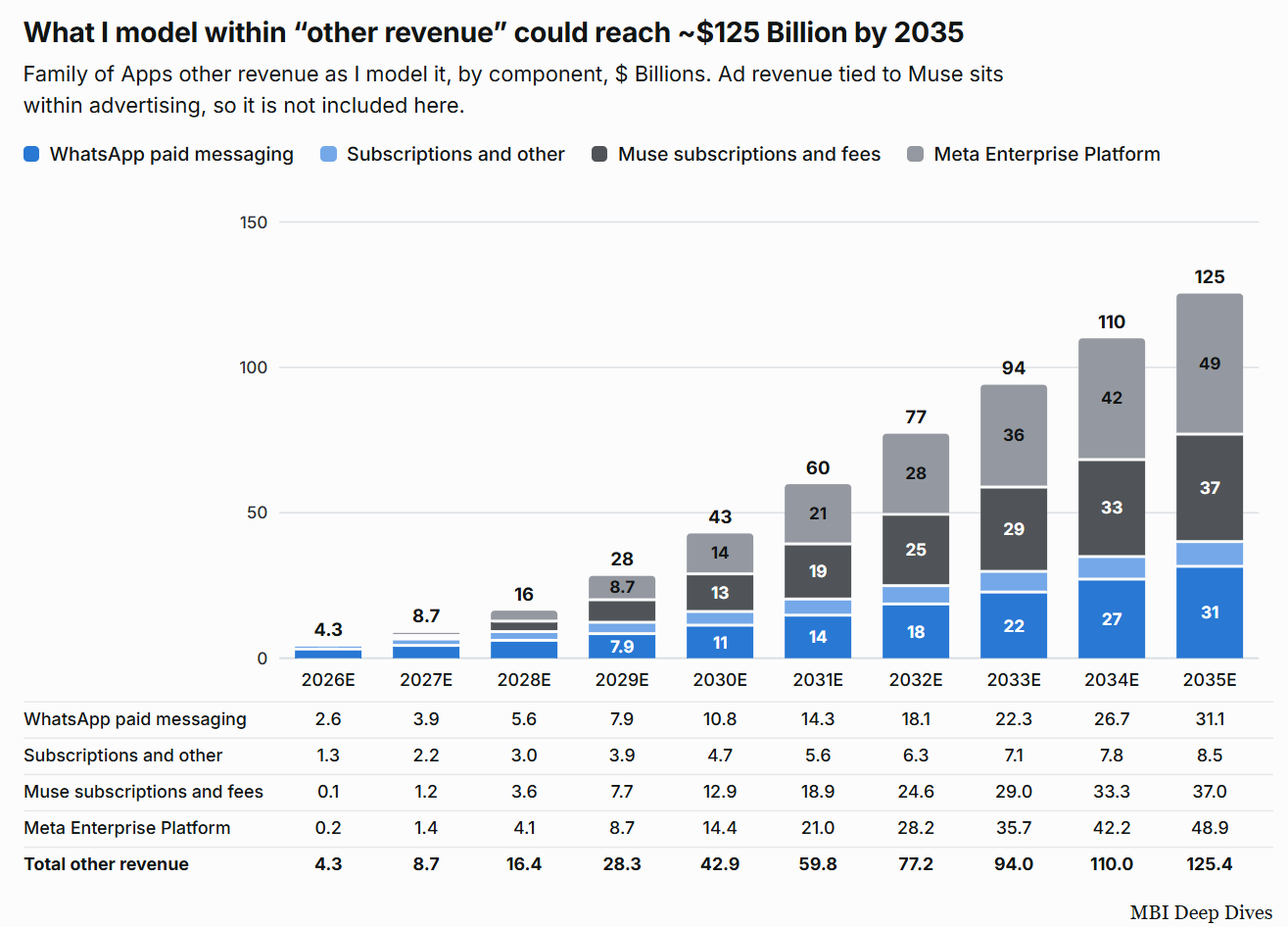
Meta’s other revenue, growing at roughly 47% annually for three years, includes WhatsApp paid messaging, subscriptions, Muse fees and the…
S MBI Deep Dives 19h ago 3 clicks
Nasdaq 100 rebounds after 5% drops have preceded average 16% 30-day drawdowns in 12 prior cases, putting QQQ’s March lows in play.
S Cassandra Unchained 23h ago 4 clicks
CrowdStrike posted 28.3% revenue growth and record $419 million net new ARR, then agreed to acquire Zscaler in a $43.9 billion all-stock…
BL Cestrian Capital Research 23h ago 4 clicks
Credo Technology targets more than 85% fiscal 2027 revenue growth, with optical revenue above $600 million as customer concentration…
SA Oakoff Investments 25h ago AI data-center financing is tightening as banks require stronger customer commitments, favoring cash-rich hyperscalers and already-funded…
S Monte Independent Investment Research 26h ago 4 clicks
Palantir's 147.8% Rule score reflects revenue growth and free-cash-flow margins as sovereign AI, cross-selling and bookings drive…
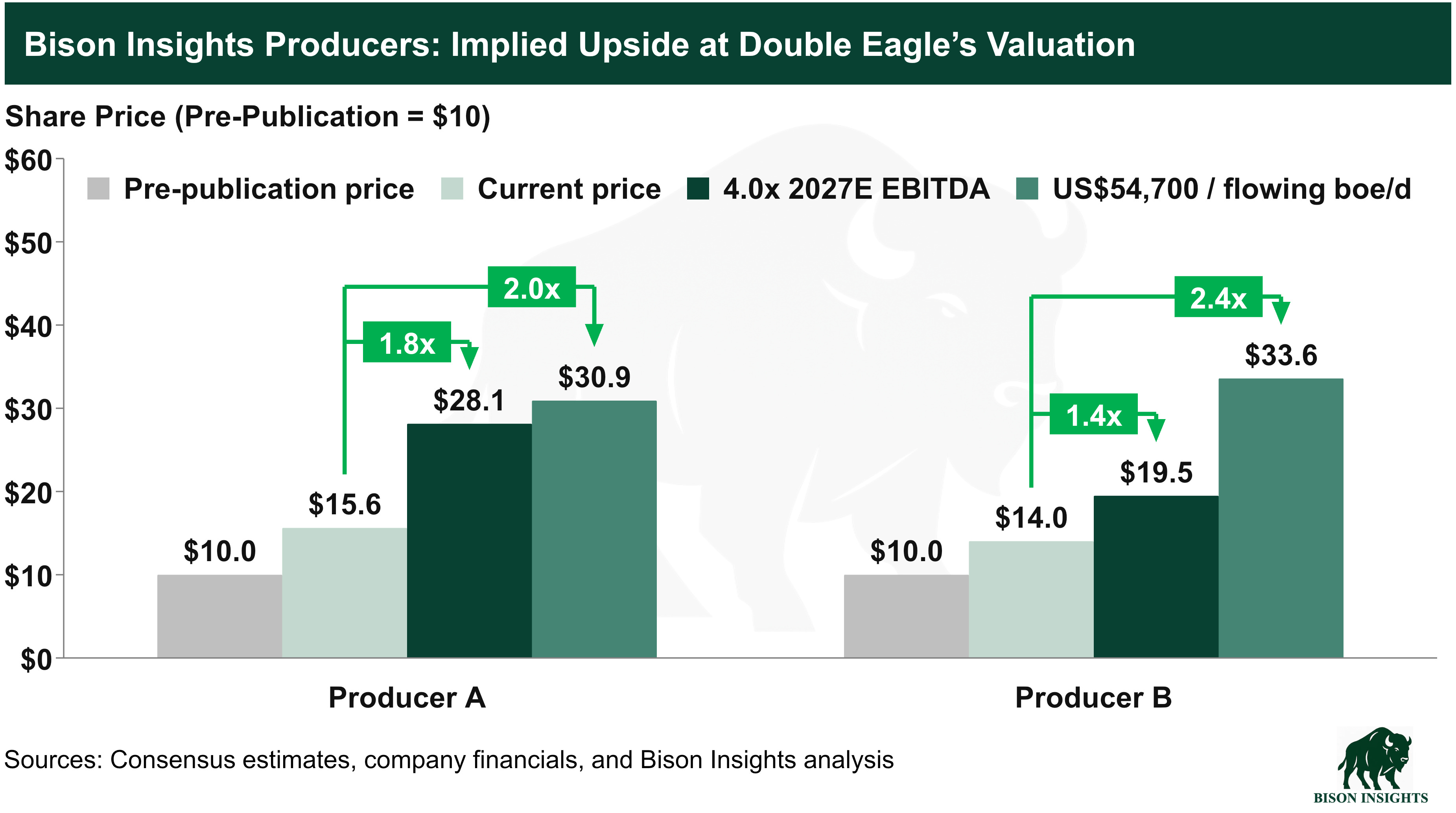
SA Juxtaposed Ideas 30h ago Diamondback’s $5 billion Double Eagle acquisition values Midland Basin assets at 4x projected 2027 EBITDA, raising questions about decline…
S Bison Insights 43h ago 4 clicks
Comcast plans to spin off NBCUniversal and Sky by mid-2027 as Peacock profitability offsets broadband losses, aiming to reduce its…
SA IWA Research 33h ago Steve Eisman links a Democratic midterm sweep and CoreWeave concerns to an AI narrative shift as the S&P 500 fell 4.4% and Nasdaq 5.5%.
YT Steve Eisman Nov 6 5 clicks
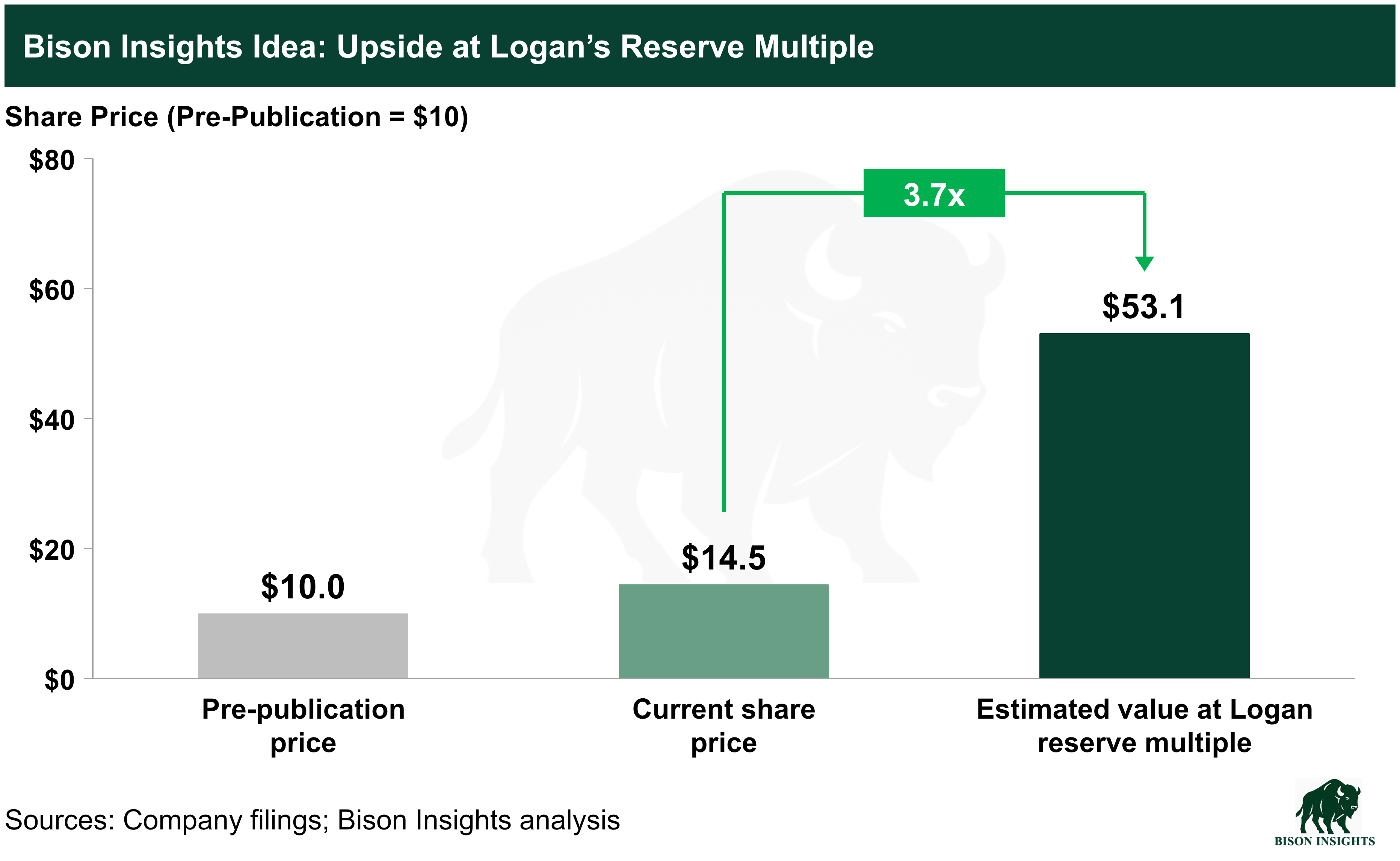
Ovintiv’s C$1.26 billion purchase of Logan Energy at roughly 2x proved reserve value points to further consolidation among Canadian oil…
S Bison Insights Nov 6 4 clicks
Axon cut full-year guidance after delayed federal Dedrone contracts slowed 3Q revenue growth to 28%, while software and services grew 43%.
S Speedwell Memos Nov 6 4 clicks
Axon’s 3Q26 revenue growth fell to 28% after delayed federal Dedrone contracts, while software grew 43% and its $1.2 billion Skydio…
BL Speedwell Research Nov 6 4 clicks
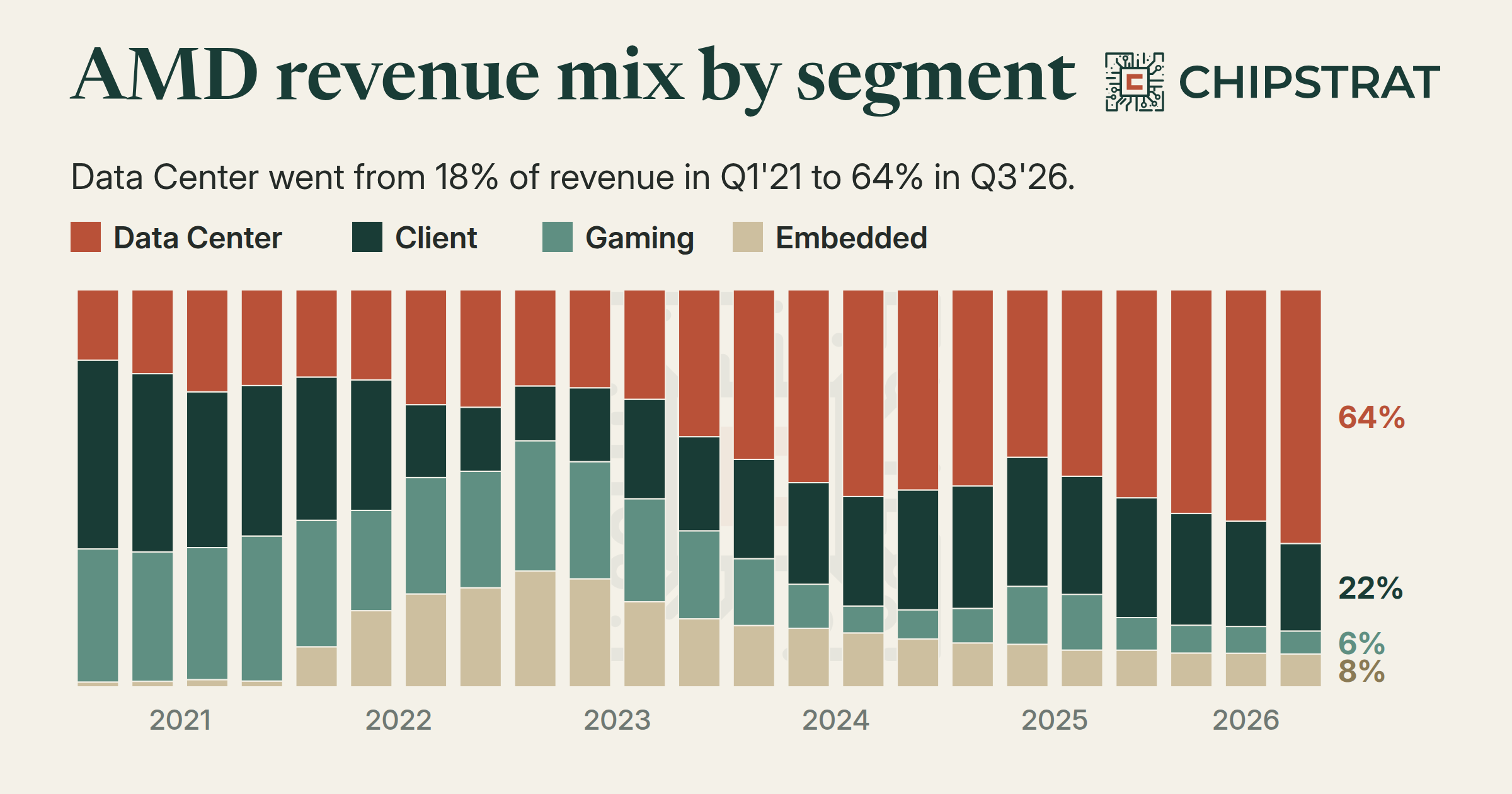
AMD's Q3 revenue rose 45% to $13.4 billion as data center reached $8.5 billion, 64% of sales, driven by EPYC and Instinct ramps.
S Chipstrat Nov 6 2 clicks
Datadog beat Q3 revenue guidance by $52 million, but guided Q4 revenue flat as its largest AI-native customer reduced usage after renewing.
BL Cestrian Capital Research Nov 6 1 click
Moderna reported $1.313bn in Q3 revenue, up 29%, and $130m in operating income versus a $260m loss, while operating cash flow was negative…
BL Cestrian Capital Research Nov 6 1 click
Vicor earns a Strong Buy after record Q3 results and AI gains, while QXO falls to Hold over capital structure and execution risk.
SA The Undercovered Dozen Nov 6 2 clicks Cloudflare’s Q3 revenue rose 39% to $782.5 million, its fastest growth in nearly four years, while a $67.9 million GAAP operating loss and…
BL Cestrian Capital Research Nov 6 1 click
Airbnb’s 3Q’26 revenue grew 16% ex-FX as bookings accelerated, but consumer travel agents remain a long-term competitive threat.
S MBI Deep Dives Nov 6 1 click