Cerebras CEO Andrew Feldman discusses wafer-scale AI chips, 3D DRAM, token economics, orbital compute and the company’s planned 700 MW…
S P Equity Research 4 clicks

SA  Abd-Allah Youssef 3 clicks
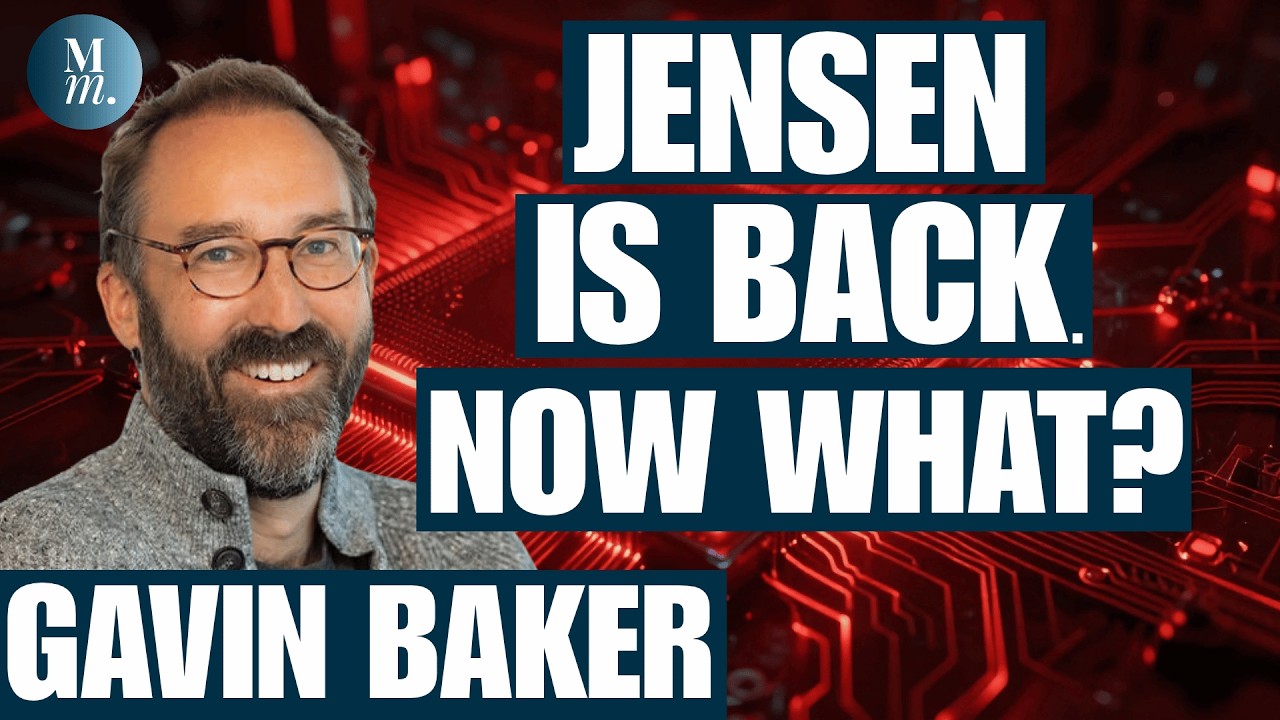
Gavin Baker argues Jensen Huang’s leadership is central to Nvidia as AI return models miss private-company growth and on-premise…
YT The Monetary Matters Network 5 clicks
SA  Gary Gambino 4 clicks
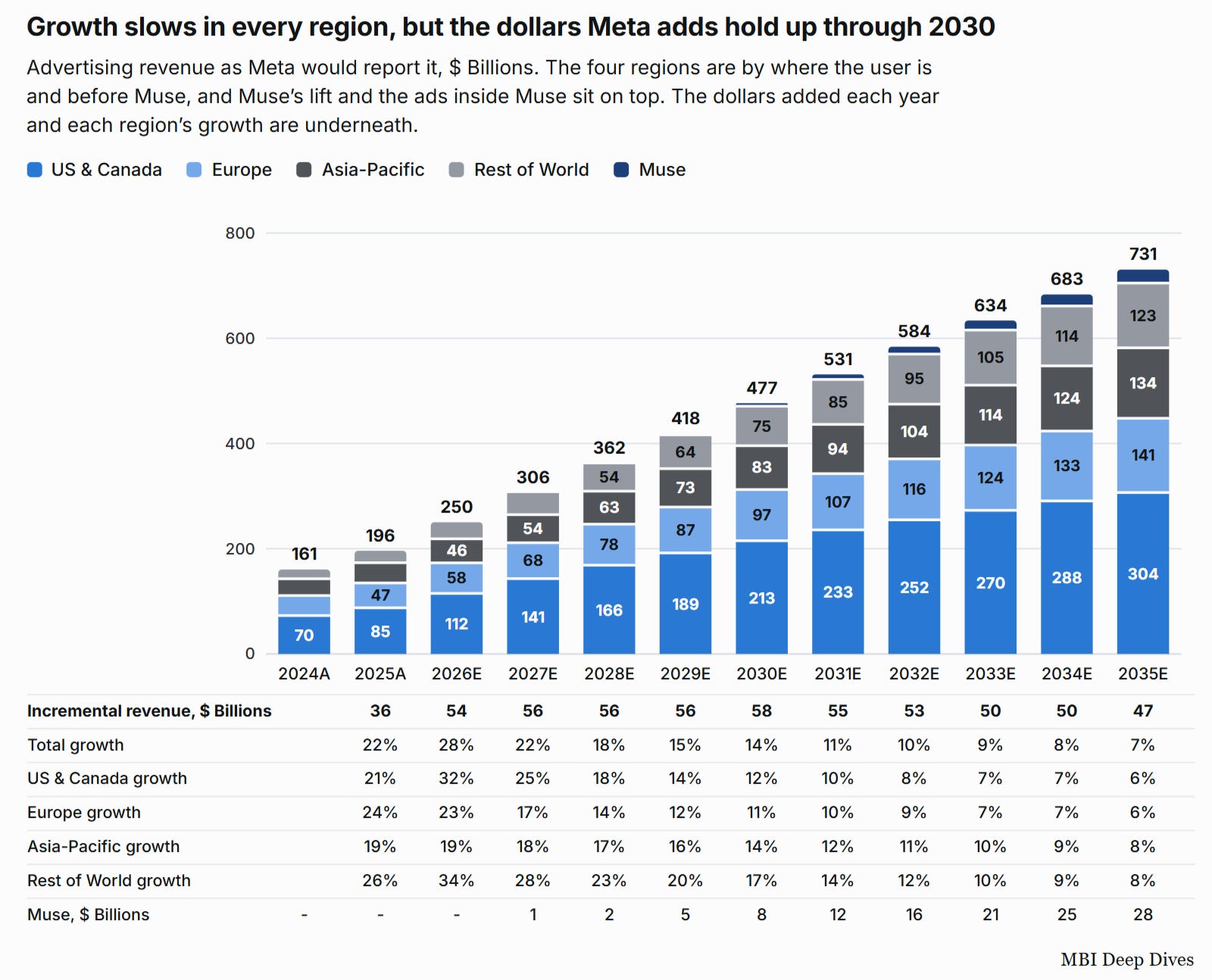
Meta’s advertising model is rebuilt as frontier AI training absorbs more compute and capital spending, challenging assumptions that…
S MBI Deep Dives 3 clicks

Stevanato’s 2027 low-single-digit growth reflects GLP-1 syringe destocking at Novo, while capacity backfill and higher-margin formats…
S Best Anchor Stocks 3 clicks

AXIS’s AXS-E preferred yields 8.3% at $16.49, while discounted WaFd and Bank OZK preferreds offer 8% to 14% paper yields amid long-rate…
S Triple S Special Situations Investing 3 clicks
Nvidia’s interim CFO-led transition after Jensen Huang coincides with a $130 billion January-quarter revenue guide, China sales scrutiny…
S SixSigmaCapital: Navigating the Financial Markets 3 clicks

Aurum PropTech’s KuberX loan desk lent ₹200 crore in September, monetizing free property search through loans, while Aurum trades at…
S Trade Ideas Flow 3 clicks
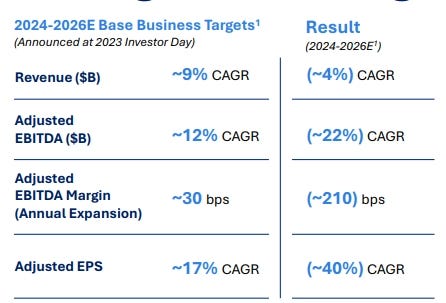
Builders FirstSource targets $350 million in annual sales growth above the market by winning more products per home and deepening local…
S scuttleblurb 4 clicks
 CHTR · short
Charter Communications faces a short case despite roughly $26–27 billion of pro forma EBITDA and sharply declining capital spending after…
BL Value Investors Club

Mach Natural Resources’ CAPEX cuts are set to lift Q4 cash available for distribution, while debt repayments and lower 2027 production…
SA  IWA Research
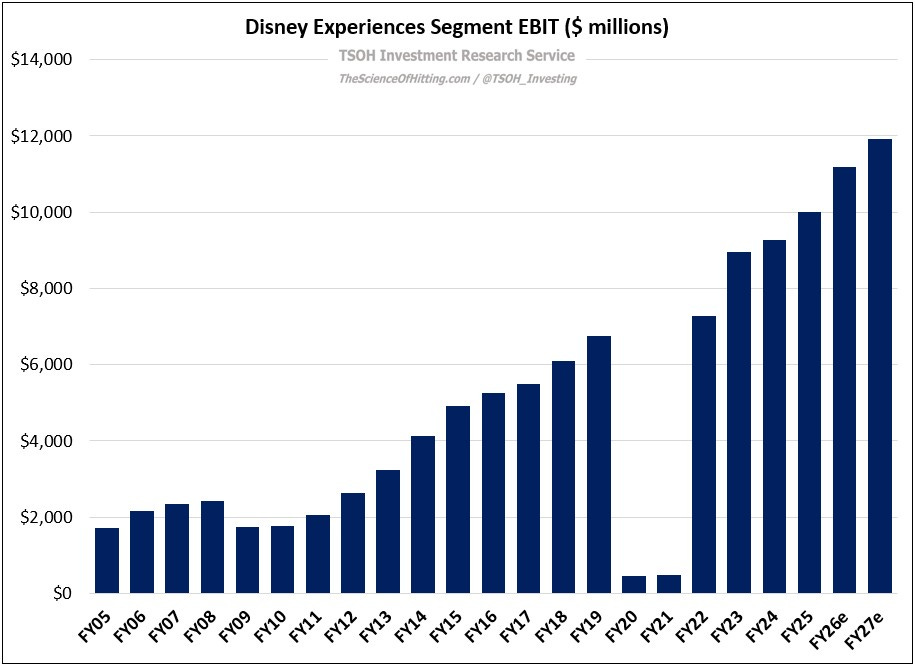
Disney raised adjusted EPS about 16% in FY26 despite double-digit declines in U.S.
S TSOH Investment Research 5 clicks

Nineteen large U.S.-listed stocks hit 52-week lows Friday, including Alphabet and Nvidia, as AI-related names face further downside in a…
S Ian’s Insider Corner 5 clicks

Anthropic’s $1.5 trillion IPO tests whether frontier AI models can sustain a moat as open-weight rivals close the gap and performance costs…
S Latticework by MOI Global 3 clicks

OB’s portfolio fell 11.8% to £36,052 amid mining-stock declines, while it argues AI spending enriches chipmakers and energy suppliers…
S The Oak Bloke 3 clicks
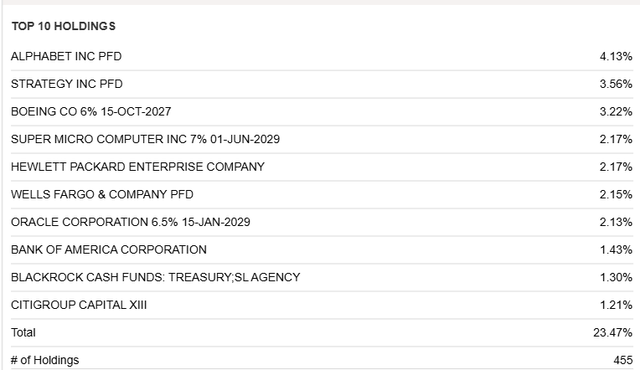
Latin American banks INTR, NU and AVAL reported solid quarters, while preferred-stock ETF distortions create opportunities in individual…
S Ian’s Insider Corner 5 clicks
Zscaler shares surged after agreeing to acquire CrowdStrike in an all-stock deal, as CEO Jay Chaudhry outlined the transaction’s logic.
BL The Technology Letter 3 clicks

Nvidia shares rose 31% after co-founder Jensen Huang was reinstated as CEO.
BL The Technology Letter 3 clicks

Amazon says AWS differs from other compute providers while accepting lower margins to serve frontier AI workloads and agents.
BL Stratechery by Ben Thompson – On the business, strategy, and impact of technology. 2 clicks