Cerebras CEO Andrew Feldman discusses wafer-scale AI chips, 3D DRAM, token economics, orbital compute and the company’s planned 700 MW…
S P Equity Research 4 clicks

SA  Abd-Allah Youssef 3 clicks
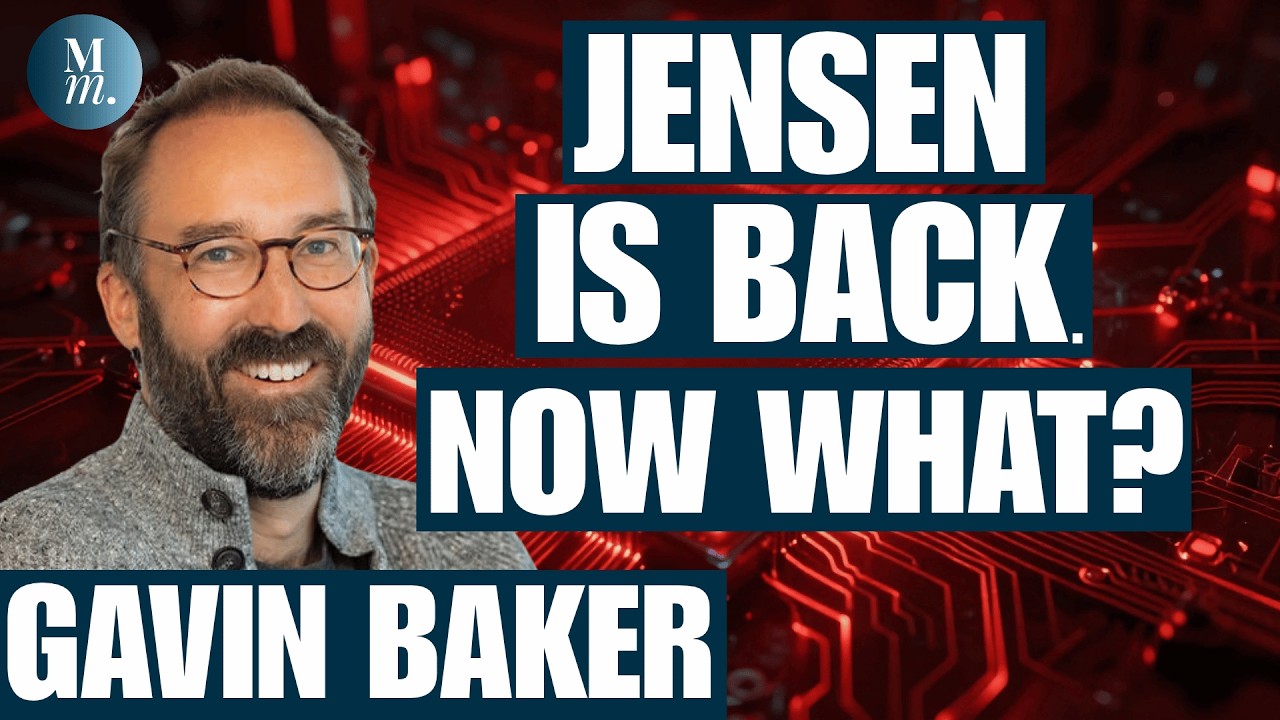
Gavin Baker argues Jensen Huang’s leadership is central to Nvidia as AI return models miss private-company growth and on-premise…
YT The Monetary Matters Network 5 clicks
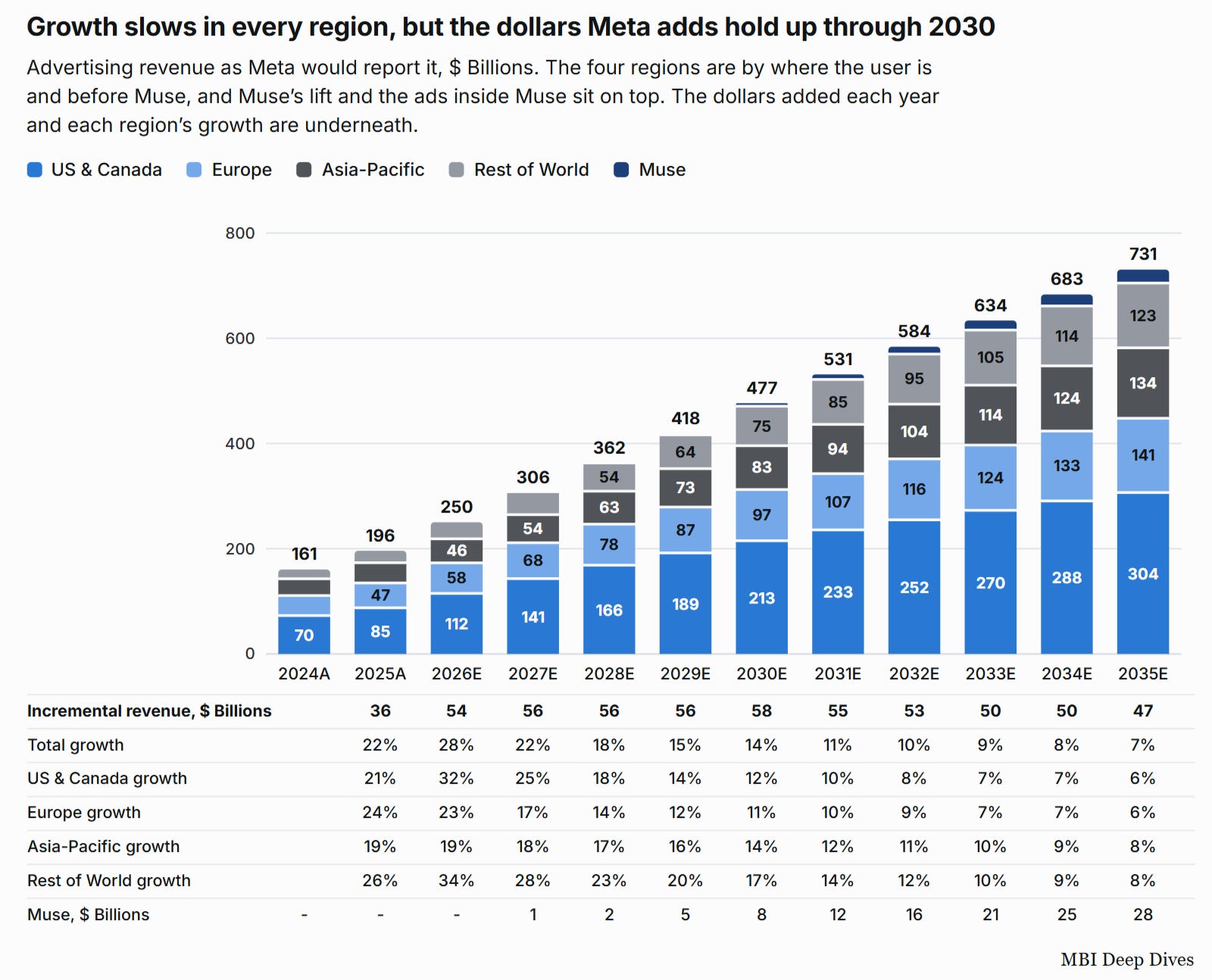
Meta’s advertising model is rebuilt as frontier AI training absorbs more compute and capital spending, challenging assumptions that…
S MBI Deep Dives 3 clicks

Nvidia’s interim CFO-led transition after Jensen Huang coincides with a $130 billion January-quarter revenue guide, China sales scrutiny…
S SixSigmaCapital: Navigating the Financial Markets 3 clicks
Builders FirstSource targets $350 million in annual sales growth above the market by winning more products per home and deepening local…
S scuttleblurb 4 clicks
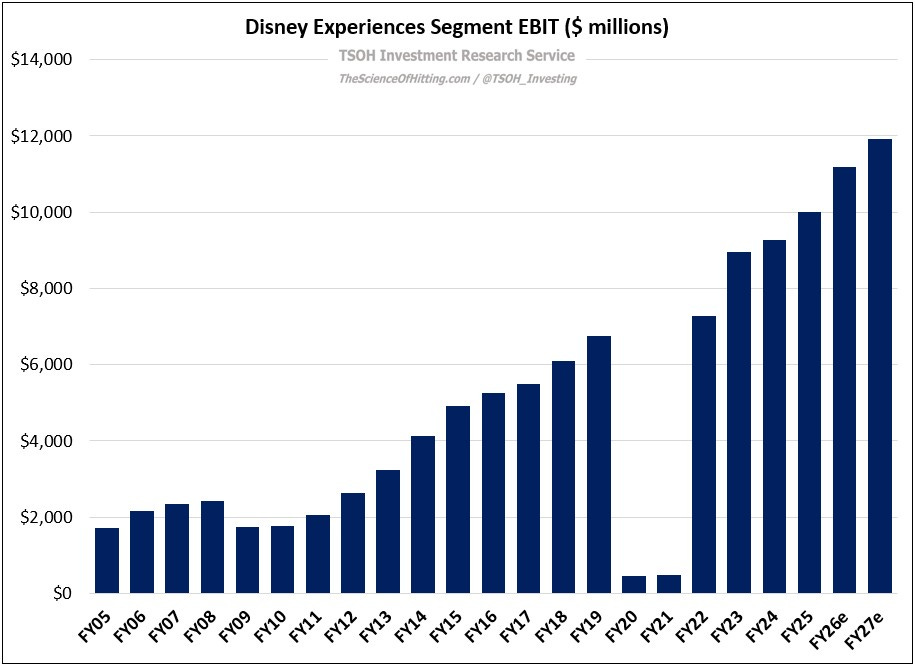
Disney raised adjusted EPS about 16% in FY26 despite double-digit declines in U.S.
S TSOH Investment Research 5 clicks

Nineteen large U.S.-listed stocks hit 52-week lows Friday, including Alphabet and Nvidia, as AI-related names face further downside in a…
S Ian’s Insider Corner 5 clicks

Anthropic’s $1.5 trillion IPO tests whether frontier AI models can sustain a moat as open-weight rivals close the gap and performance costs…
S Latticework by MOI Global 3 clicks
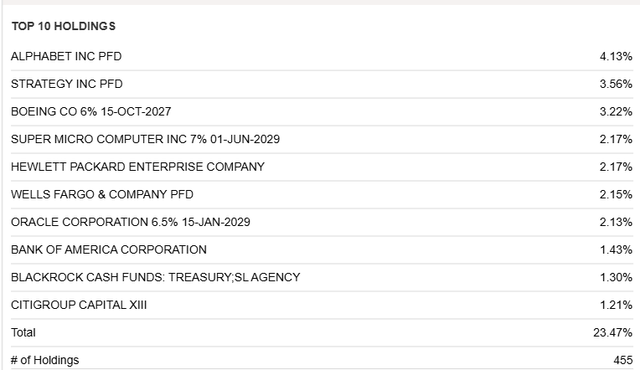
Latin American banks INTR, NU and AVAL reported solid quarters, while preferred-stock ETF distortions create opportunities in individual…
S Ian’s Insider Corner 5 clicks
 PRU · long
Prudential Financial is a long idea tied to retail investors’ aversion to low-price, low-coupon fixed-income securities.
BL Value Investors Club
Zscaler shares surged after agreeing to acquire CrowdStrike in an all-stock deal, as CEO Jay Chaudhry outlined the transaction’s logic.
BL The Technology Letter 5 clicks

Nvidia shares rose 31% after co-founder Jensen Huang was reinstated as CEO.
BL The Technology Letter 3 clicks

Amazon says AWS differs from other compute providers while accepting lower margins to serve frontier AI workloads and agents.
BL Stratechery by Ben Thompson – On the business, strategy, and impact of technology. 2 clicks

Nvidia is down 41% in a month amid SEC accounting scrutiny, while Dell earnings and U.S.
S P Equity Research 4 clicks

Carson Block’s Nvidia short thesis links former Nvidia and Super Micro executives to alleged chip smuggling, arguing China export-control…
YT The Monetary Matters Network 5 clicks

Nebius shares have fallen 73% from their peak as delayed Microsoft capacity and $67-72 billion of planned 2026-27 capex raise financing and…
S Hated Moats 5 clicks
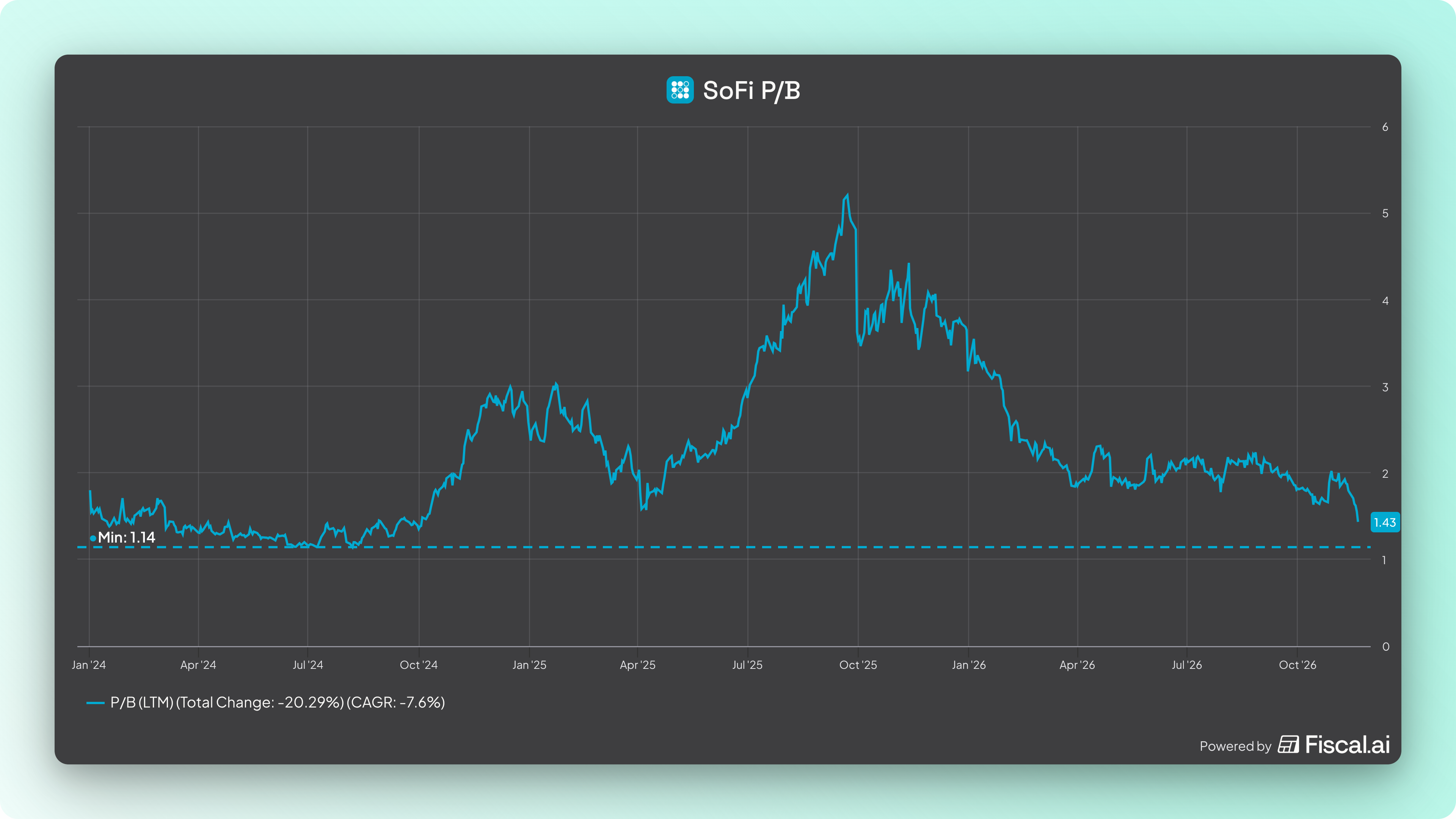
TPG’s $63.25-a-share takeout of Bill Holdings shifts coverage to SoFi, whose drawdown follows strong customer and deposit growth and recent…
S Emerging Moats Research 4 clicks

Sage’s FY26 results and FY27 guidance maintain roughly 10% revenue growth and margin expansion, with shares at 1,123.1p and valued near 23…
S Librarian Capital's Research Library 6 clicks

Zimmer Biomet trades at 9.66x forward EV/EBITDA as its sales-force overhaul nears completion, with China easing, ROSA Shoulder and Monogram…
SA  Equity Eagle