Stevanato’s 2027 low-single-digit growth reflects GLP-1 syringe destocking at Novo, while capacity backfill and higher-margin formats…
S Best Anchor Stocks 3 clicks

AXIS’s AXS-E preferred yields 8.3% at $16.49, while discounted WaFd and Bank OZK preferreds offer 8% to 14% paper yields amid long-rate…
S Triple S Special Situations Investing 3 clicks

Aurum PropTech’s KuberX loan desk lent ₹200 crore in September, monetizing free property search through loans, while Aurum trades at…
S Trade Ideas Flow 3 clicks
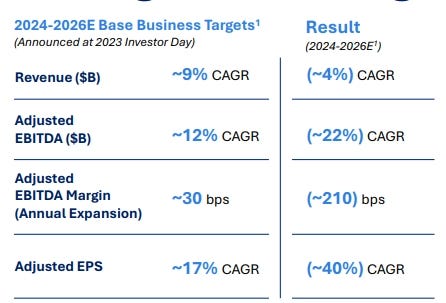
Builders FirstSource targets $350 million in annual sales growth above the market by winning more products per home and deepening local…
S scuttleblurb 4 clicks
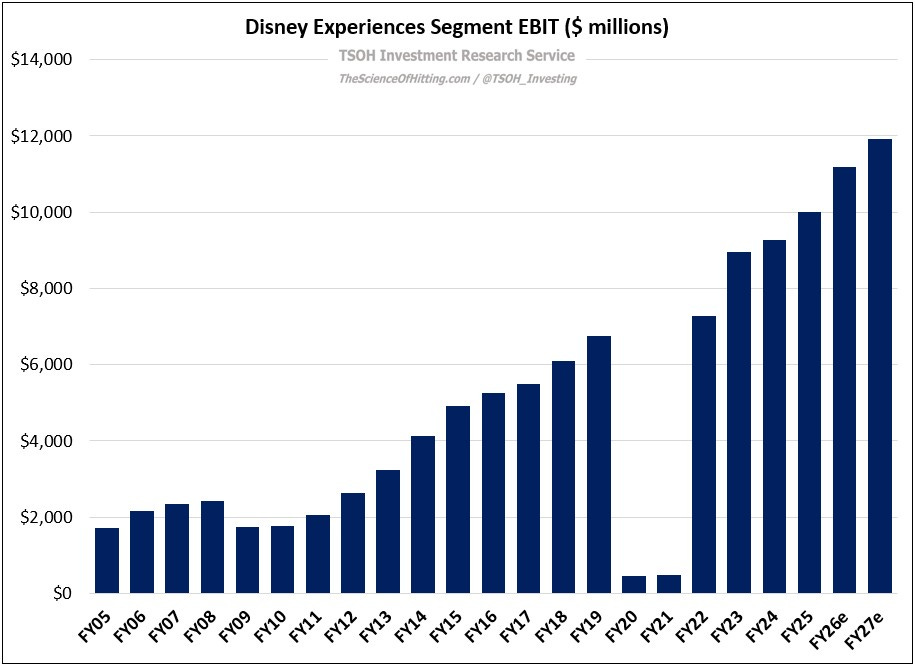
Disney raised adjusted EPS about 16% in FY26 despite double-digit declines in U.S.
S TSOH Investment Research 5 clicks

Anthropic’s $1.5 trillion IPO tests whether frontier AI models can sustain a moat as open-weight rivals close the gap and performance costs…
S Latticework by MOI Global 3 clicks

OB’s portfolio fell 11.8% to £36,052 amid mining-stock declines, while it argues AI spending enriches chipmakers and energy suppliers…
S The Oak Bloke 3 clicks
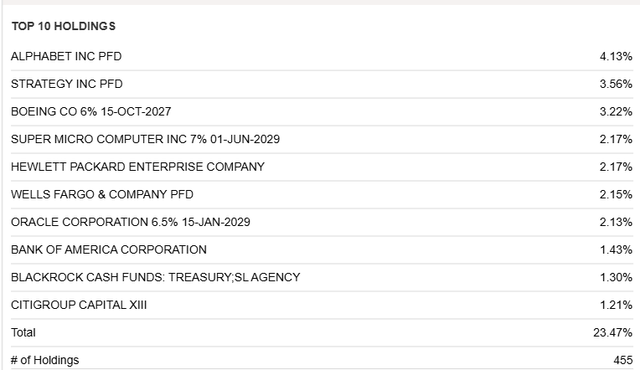
Latin American banks INTR, NU and AVAL reported solid quarters, while preferred-stock ETF distortions create opportunities in individual…
S Ian’s Insider Corner 5 clicks

Zscaler shares surged after agreeing to acquire CrowdStrike in an all-stock deal, as CEO Jay Chaudhry outlined the transaction’s logic.
BL The Technology Letter 3 clicks
 BBW · long
Build-A-Bear Workshop sells customized stuffed animals through a network of mall-based experiential retail stores.
BL Value Investors Club
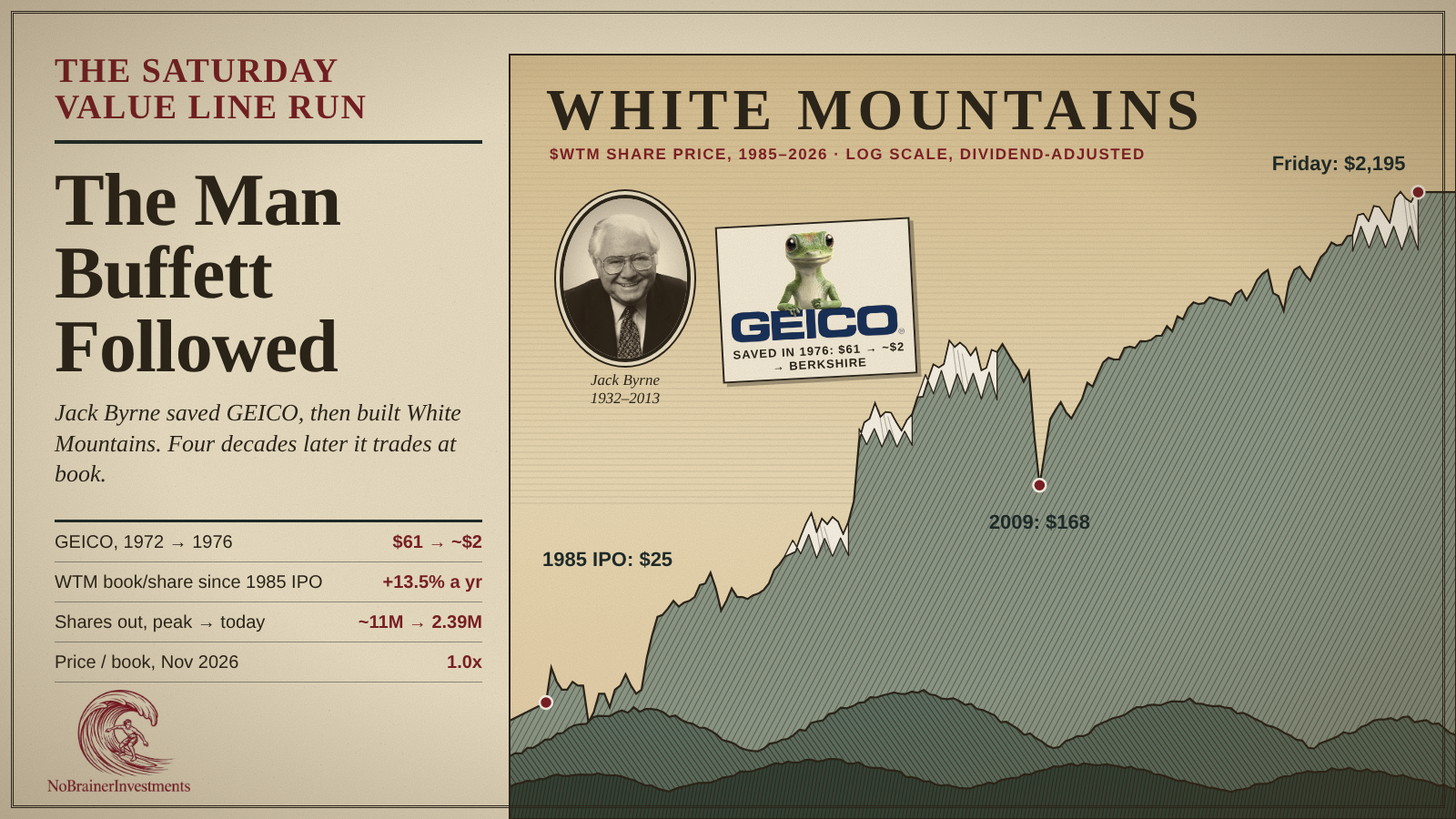
White Mountains trades near book value, alongside a below-book Lower Manhattan stake and a Florida condo insurer at 6x earnings.
S Calvin Blissett 5 clicks

Carson Block’s Nvidia short thesis links former Nvidia and Super Micro executives to alleged chip smuggling, arguing China export-control…
YT The Monetary Matters Network 5 clicks

Nebius shares have fallen 73% from their peak as delayed Microsoft capacity and $67-72 billion of planned 2026-27 capex raise financing and…
S Hated Moats 5 clicks
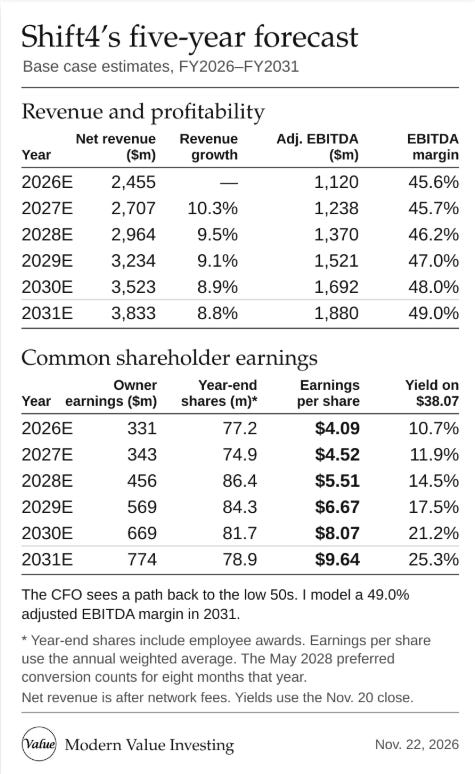
Shift4 cut 2026 guidance after travel disruption, European fee concessions and currency reduced Q4 revenue expectations by roughly $54…
S Modern Value Investing 5 clicks
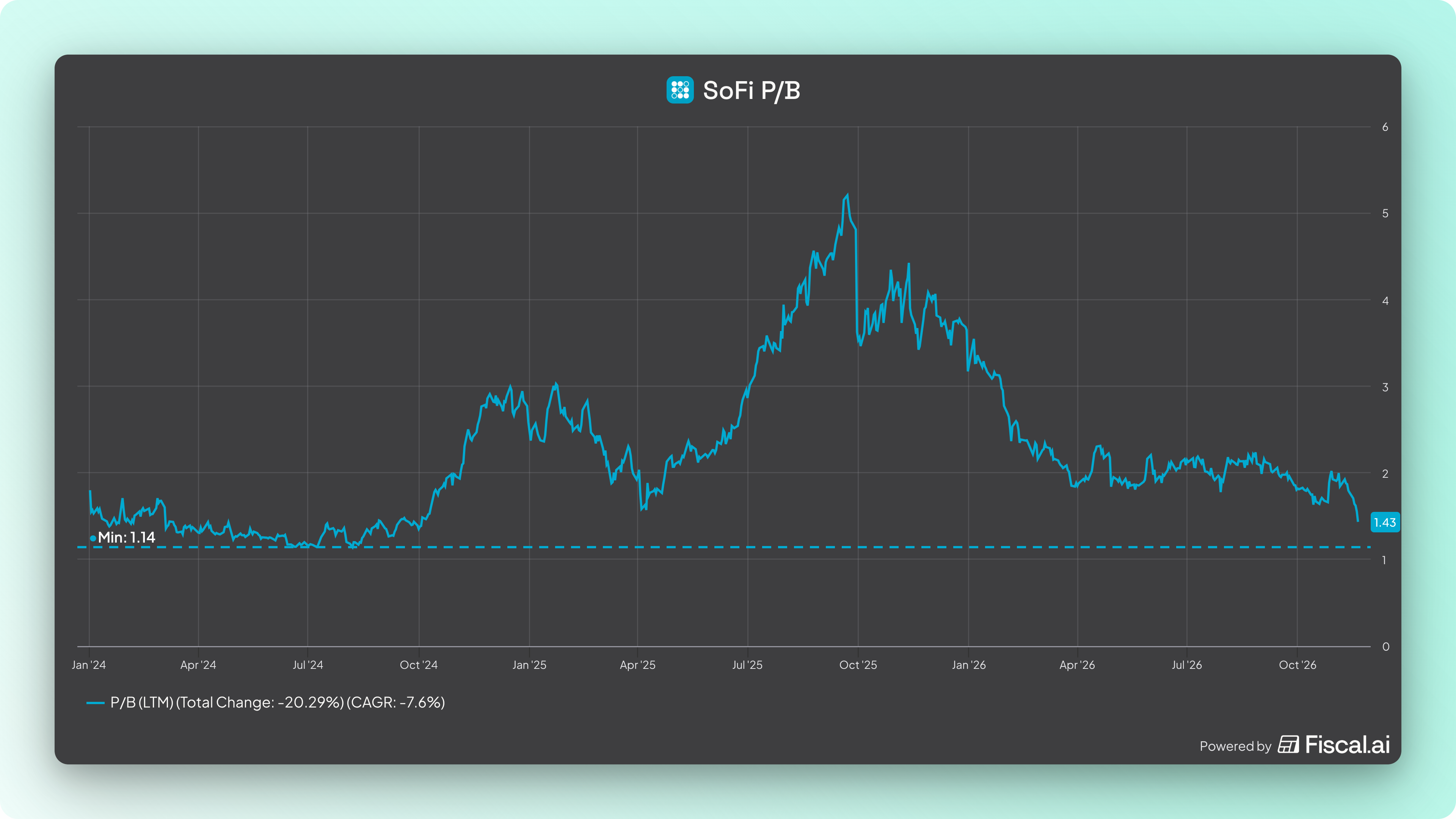
TPG’s $63.25-a-share takeout of Bill Holdings shifts coverage to SoFi, whose drawdown follows strong customer and deposit growth and recent…
S Emerging Moats Research 4 clicks

Atour returned more than $260 million to shareholders this year, funded partly by pillow sales rather than hotels, after Rob Vinall swapped…
S Cannibal Stocks 6 clicks
Sage’s FY26 results and FY27 guidance maintain roughly 10% revenue growth and margin expansion, with shares at 1,123.1p and valued near 23…
S Librarian Capital's Research Library 6 clicks

Prenetics' Q3 revenue rose 3.3x to $64.1 million as IM8 acquisition spending widened EBITDA losses; management targets a 3-to-1…
SA  Tech and Growth 3 clicks