60 Quality Stock Pitches (9th-15th November) 🖨️
TPG trades 20% below its average distributable-earnings multiple despite the fastest fee-related earnings growth among alternative asset-manager peers.
TPG trades 20% below its average distributable-earnings multiple despite the fastest fee-related earnings growth among alternative asset-manager peers.

Seems like as good a week as any for $META to raise $50B or so in equity

@FedexSTi $NU back to the price it was three weeks ago.

Looks like we got 13.5 million shares trading of $GME tonight. Not sure what’s going on. Besides the heavy insider buys.

$ONON so in vogue, it made it to the WSJ The Sneaker Taking Over America Was Inspired by iPhones and a Vacuum Cleaner

Jan van Eck argues a 5.25% 10-year reflects growth, favors AI chips over power trades, and sees gold regaining currency status amid 62 GW…
Alphabet’s DCF sets a $384 base-case target from $295.77, betting Google Cloud and AI offset rising infrastructure spending and slower…
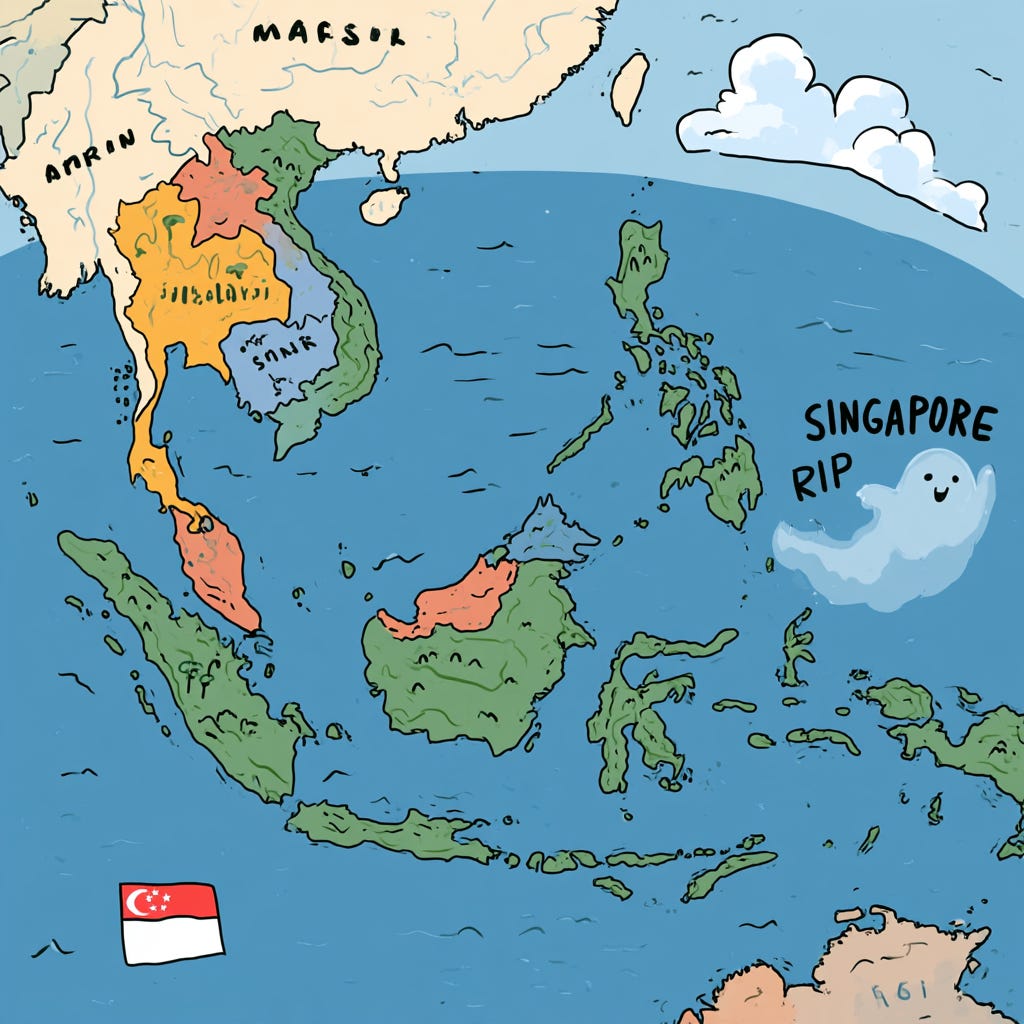
NVIDIA shifted geographic revenue reporting in Q3 FY2026 from billing location to customer headquarters, obscuring Singapore’s former sales…

American Tower’s wireless network stayed operational during the FAA ground stop, while CoreSite lifted its 2026 data center revenue growth…
 Brad Thomas 3 clicks
Intel’s custom ASIC business more than doubled last quarter as it pursues hyperscaler demand, AI accelerators and a stronger Intel Foundry.
Nvidia's 32% correction follows Jensen Huang's resignation, while receivables rose 55% sequentially versus 18% revenue growth ahead of…
 Yiannis Zourmpanos 1 click
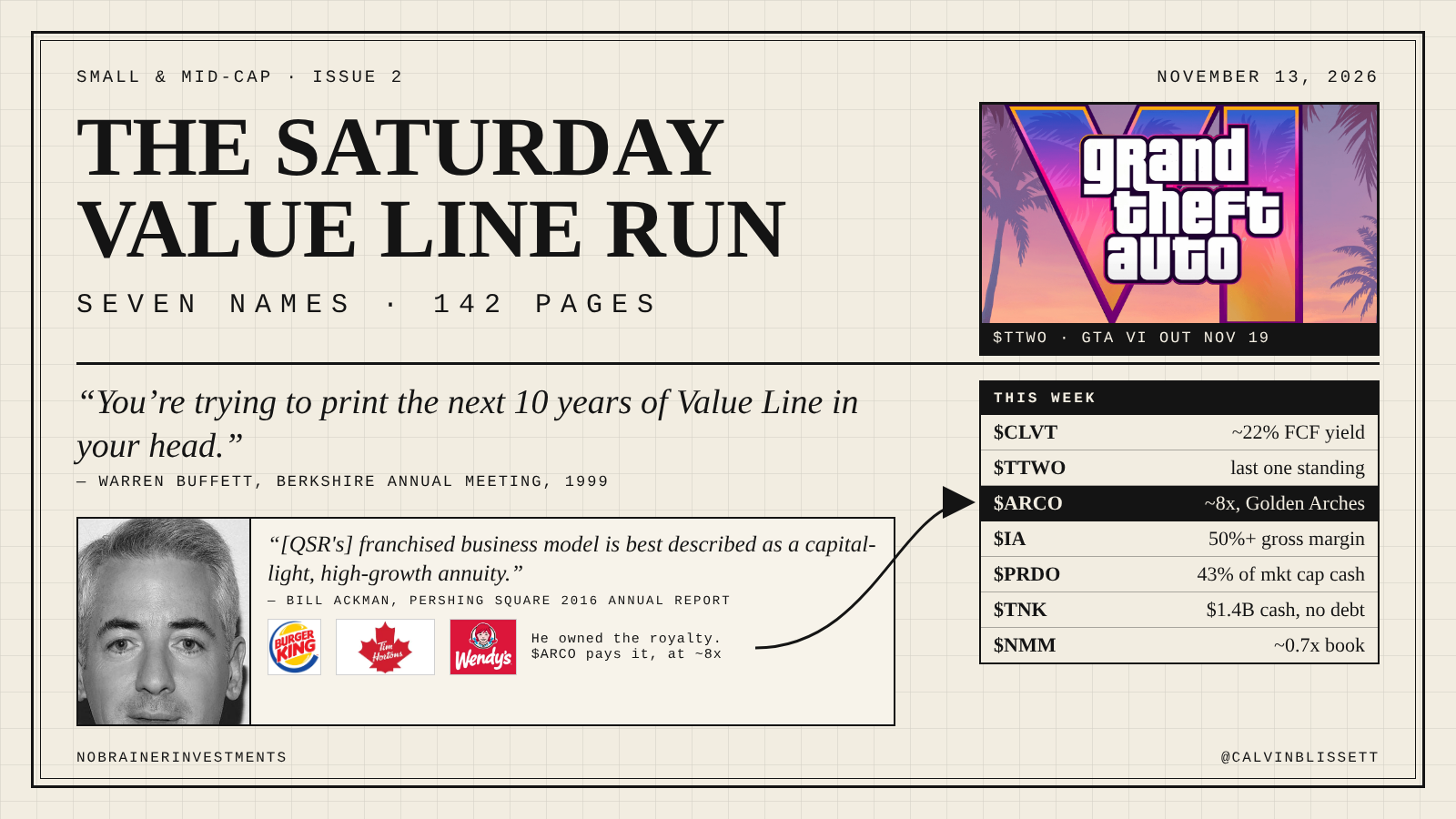
Clarivate, Take-Two and Arcos Dorados lead a seven-stock Value Line screen focused on debt paydown, GTA VI economics and Latin American…
Celsius Holdings posted 17% Q3 revenue growth as Alani Nu and international sales rose 78%, offsetting a 6% decline in the core brand.
 IWA Research
JFrog CFO Ed Grabscheid says soaring AI usage is converting into larger customer deals after an upbeat earnings report.

Nvidia’s alleged Jensen Huang scandal is framed as a lesson in avoiding emotional reliance on a CEO within an investment thesis.
 DIDIY · long
Didi Global is China’s Uber, led by co-founder Wei Cheng, who owns $1 billion of Didi stock.

Brookfield trades at about 17 times trailing distributable earnings, while its 73% BAM stake accounts for $63 billion of its $94 billion…
 Secret Compounders 1 click
Q3 updates cover Crocs, Entravision and Fiserv beats, coal and oil weakness, and Xerox’s sharp decline, testing the underlying cases for…

Cerebras Systems’ $26.1 billion backlog and Oracle Cloud and Microsoft wins support an upgrade after its valuation reset, though the case…
 JR Research 3 clicks
Zoetis trades near 13x 2026 guidance after a 31% annual share decline, as Q3 revenue and earnings fell and competition from Elanco…

Peabody Energy trades at 2.7 to 2.9 times consensus EBITDA after Centurion delays cut Q4 guidance, with $434 million cash, $297 million…
 Bang For The Buck 4 clicks

AI investing is shifting from boom-or-bust bets to stock picking as data center moratoriums and company results separate winners from…
Nvidia’s leadership scandal puts its AI-market role under scrutiny, with comparisons to AIG’s pre-GFC liquidity influence.
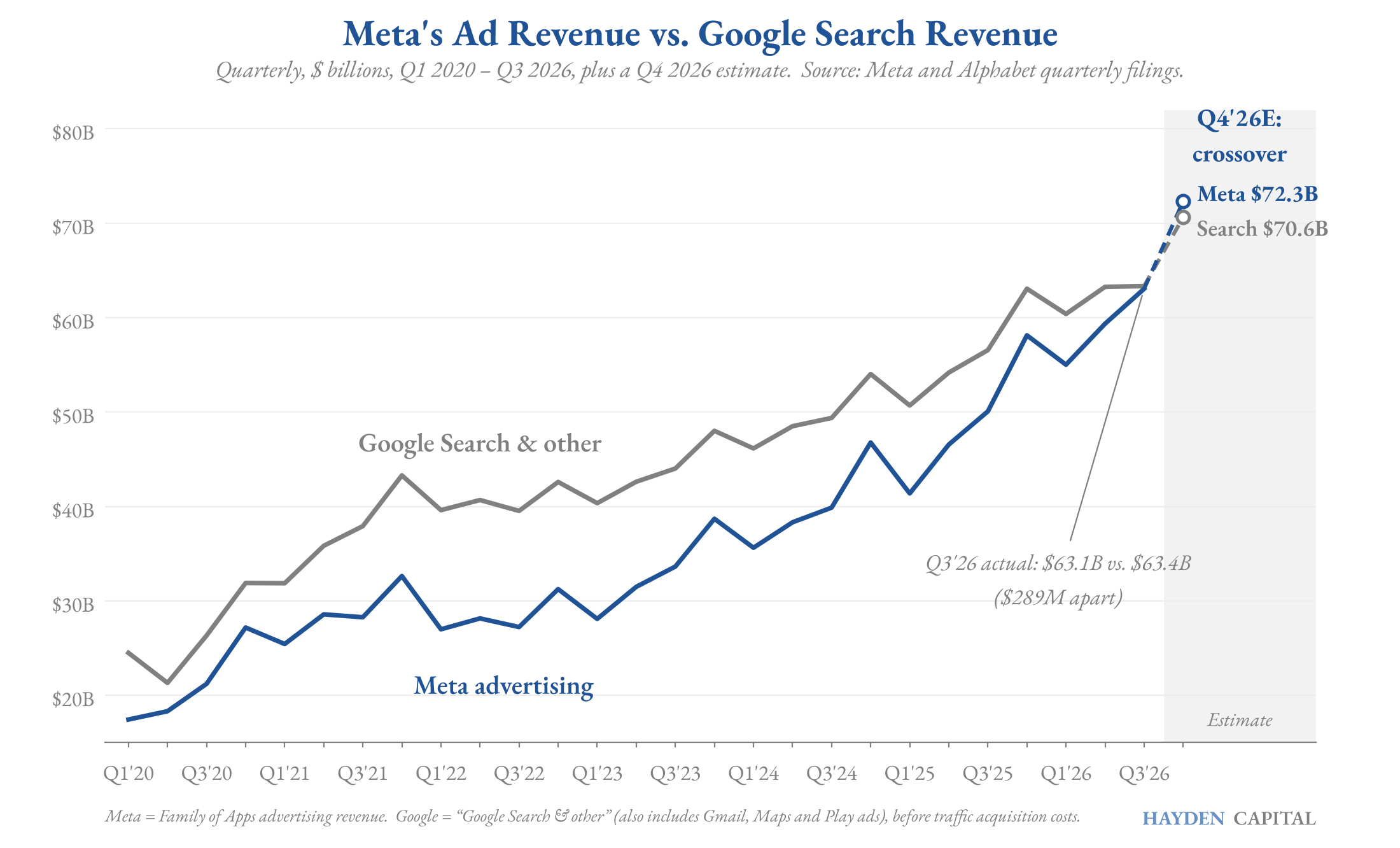
Meta's $63.1 billion ad revenue nearly matched Google Search's $63.4 billion as Meta grew 26% versus Search's 12%.
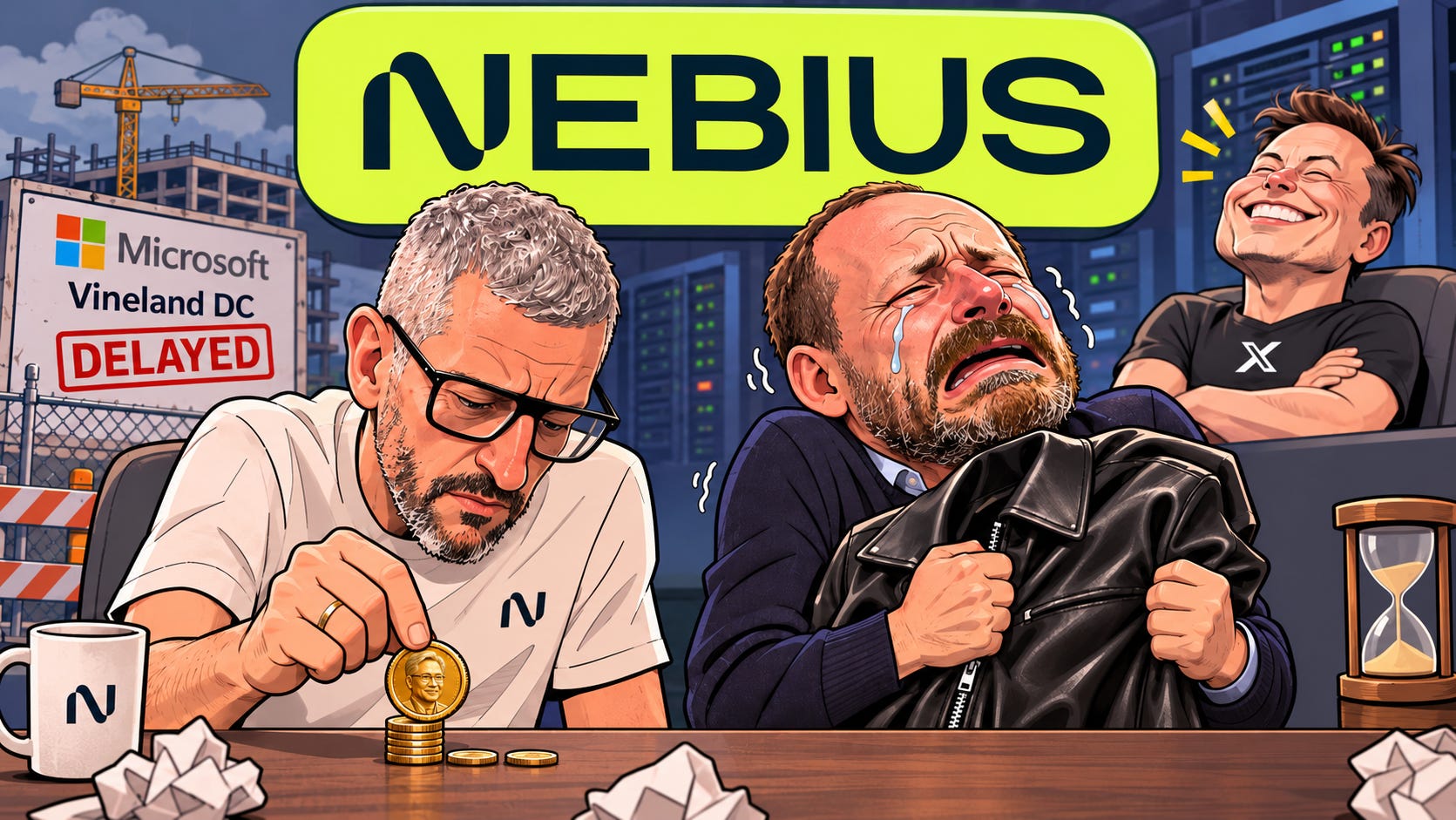
Nebius’ Q3 beat relied on $325 million of one-off partnership fees as it raised 2027 CapEx to $40–45 billion and may need $6–11 billion of…
Every publication on this site, hand-picked.
 Adam Schadt
 Albert Anthony
 Alexander Grover
 Andres Veurink
 Arizona Equity Research
 Atlas Diary
 Bay Area Ideas
 Benjamin C. Barry
 Bernard Zambonin
 Blake Winiecki
 Capital Connoisseur
 Chetan Woodun
 Crimson And Gold Research
 Cypriot Invests
 Dane Bowler
 Daniel Bell
 Daniel Jones
 Daniel Schönberger
 David Zanoni
 Deep Value Investing
 Dhierin Bechai
 Dilantha De Silva
 Dustin Quasney
 Elliott Gue
 Equity Eagle
 Eudaemon Research
 Fernanda Galvez Jalil
 Fountainhead
 Gary Gambino
 Geneva Investor
 Gil Rotstein
 Given Mahlangu
 Henrik Alex
 High Alpha Professor
 Ignacio Planas Gonzalez
 Infinity Curve
 Investor Overview IWA Research
 Jaden Mealy JR Research
 Julia Ostian
 Kevin Avroutskii
 Khaveen Investments
 Kurt Christensen
 Lee Bailey
 LL Insights
 Long Player
 Louis Gerard
 Marc Gerstein
 Melissa Tucker
 Mike Arnold
 Mike Zaccardi, CFA, CMT
 Miletus Research
 Motti Sapir
 Myriam Alvarez
 Nicolas Bolsinger
 Oakoff Investments
 Petri Dish Reports
 Philip Wang
 Prakhar Agarwal, CFA
 PropNotes
 PV Research
 Quantryon Capital
 Robert J. Lake
 Rubicon Associates
 Ryan Canady
 Sam Mancini
 Sanjay Swamy
 Seeking Profits
 Sharon McArd
 SiliconBytes Insights
 Simple Investment Ideas
 Sorrento Research
 Stephen Ayers
 Steven Fiorillo
 Terry Chrisomalis
 The Alpha Analyst
 The Asian Investor
 The Bullionaire
 The Curious Analyst
 The J Thesis
 The Market Auditor
 The Supercycle Investor
 The Undercovered Dozen
 Tim Travis
 Uttam Dey
 Value Capital Research
 Vishal Jadaun Yiannis Zourmpanos
 Zoltan Ban
Every account on this site, hand-picked.
 ⚽️📡
 💥PETITION💥
 A Capital
 absreturnchaser
 Adam D. Wyden
 Alpha Vulture
 AltayCap
 Asif Suria
 Bank Reg Blog Barbarian Capital
 BDC
 Bill Ackman
 Brian McGough
 Broken Moats
 BuccoCapital Bloke
 Calvin Blissett
 catechwilliams
 Charles Frischer
 Chris Camillo
 Clark Square Capital
 Cluseau Investments
 Colin King
 Connor Haley
 Conor Maguire | Value Situations
 Convequity
 Dalius - Special Sits
 David Orr
 Deep Sail Capital
 Derek Pilecki
 Devin LaSarre
 DOMO Capital Management, LLC
 Edwin Dorsey
 Evan Tindell
 Fajasy
 Farmer
 Fierce_beast
 Fred Liu
 Gavin Baker
 George Noble
 Hunterbrook
 Ian Bezek
 Idea Brunch
 JabroniCoin.USD John_Hempton
 junkbondinvestor
 kab60
 KEDM.com
 Kevin Mak
 Kuppy
 Laughing Water Capital Lee Roach
 Little Owl Research
 Maius
 Maj Soueidan
 marginofdanger
 mavix
 Mike
 Mikro Kap David
 Mr Neutral Man aka "Howard Marks of REITs”
 Multiples Capital
 Myles
 Nat Stewart Negligible Capital
 Odd Diligence
 Odd Lot Arbitrageur
 PAA Research
 Paradis
 Pernas Research
 Porter Collins
 Prepared Remarks
 Psyop Capital
 Raging Capital Ventures
 Red Dog Capital RiverRoadPartners
 Rohan Pavuluri
 Rusholme Capital
 Sahil Khetpal
 Serenity
 SG
 Sheel Mohnot
 SouthernValue
 Steve Eisman
 The Friendly Bear
 Tim Eriksen
 Timyan Bank Alert
 Todd Wenning
 ToffCap
 Trevor Scott
 Undiscovered Compounders
 Voss Capital
 Yaron Naymark
Ordered by how often our editor reaches for them.