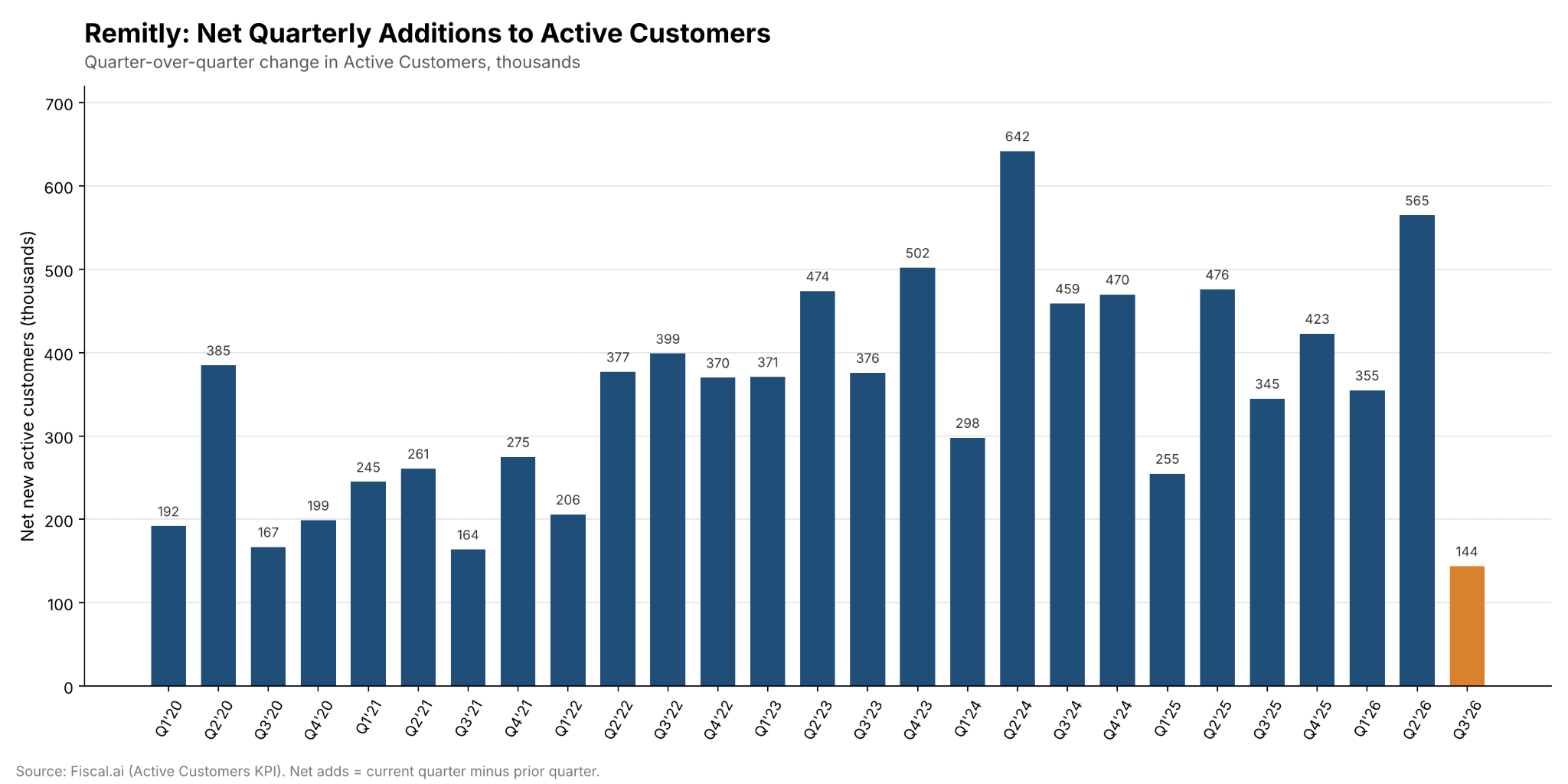
Remitly’s Q3 keeps its remittance growth thesis intact as spending cards, memberships and credit products target $1 billion in annual…
S Emerging Moats Research 7h ago 3 clicks
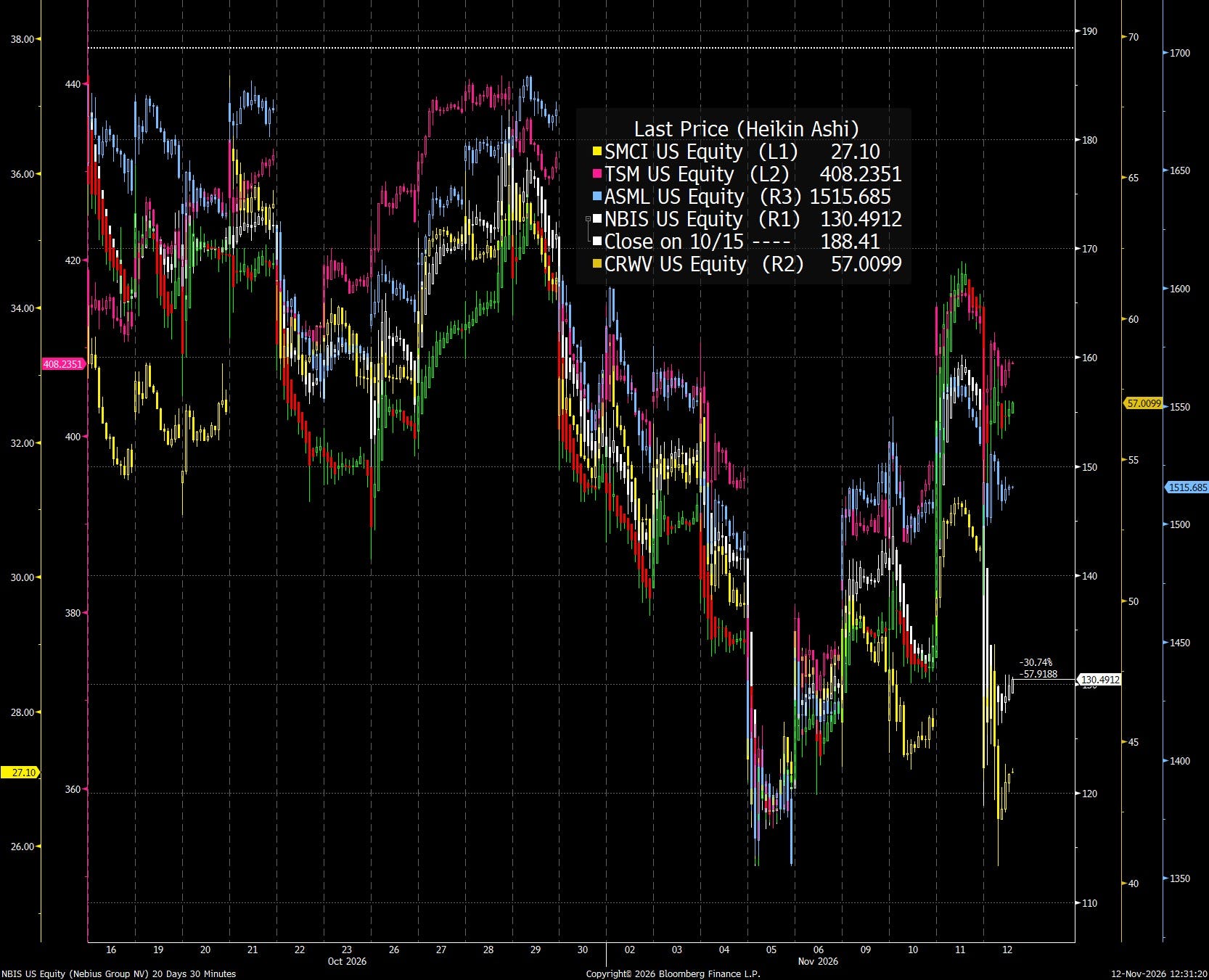
Nvidia’s alleged guarantees for cash-strapped chip customers and heavy wafer and memory commitments raise concerns about AI demand and…
S Cassandra Unchained 9h ago 4 clicks
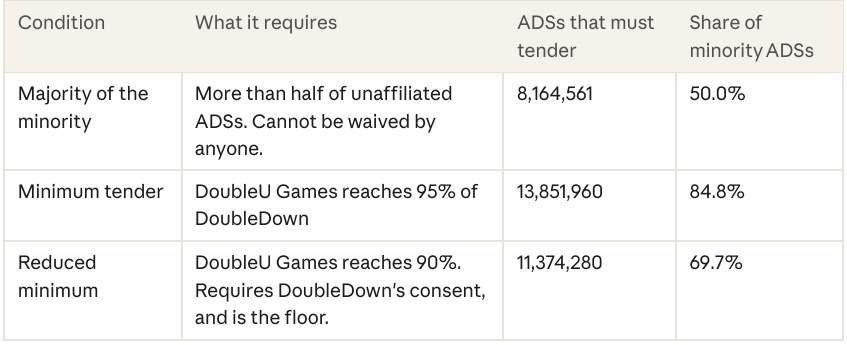
DoubleU Games raised its all-cash tender offer for DoubleDown Interactive minority holders to $16.25 per ADS from $11.25 after net cash…
S The Value Road 24h ago 4 clicks
Bloom Energy’s fuel cells offer data centers grid independence as Q3 operating income rose 518% on 138% revenue growth.
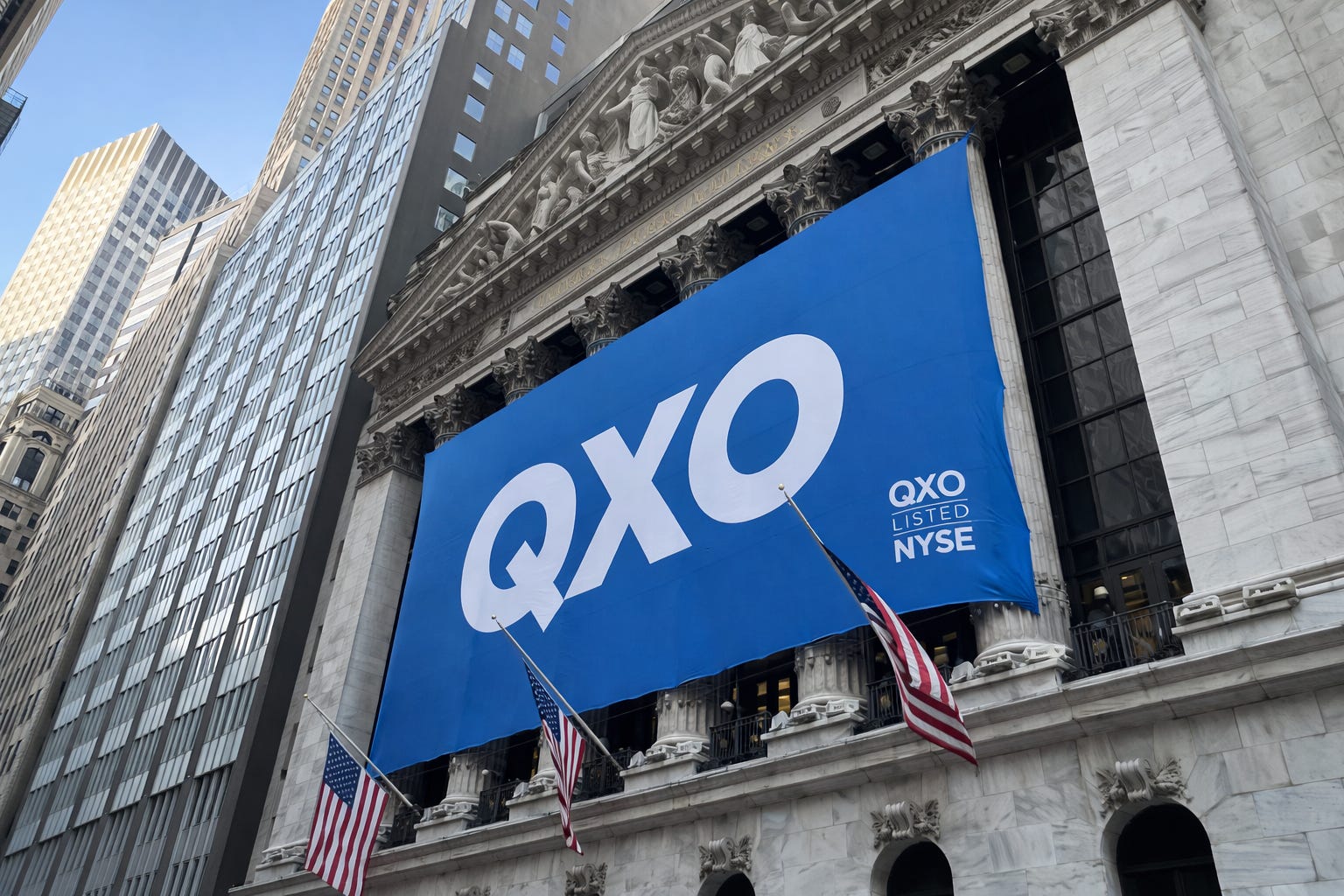
SA Ignacio Planas Gonzalez 11h ago 2 clicks QXO's Q3 sales rose 79% to $4.9 billion after TopBuild and Kodiak acquisitions, while acquisition debt lifted interest expense to $163…
S SixSigmaCapital: Navigating the Financial Markets 13h ago 2 clicks
NVIDIA faces DOJ antitrust probes alongside inquiries into Megaspeed and Super Micro, after charges over $2.5 billion of GPUs allegedly…
S Cassandra Unchained 19h ago 4 clicks
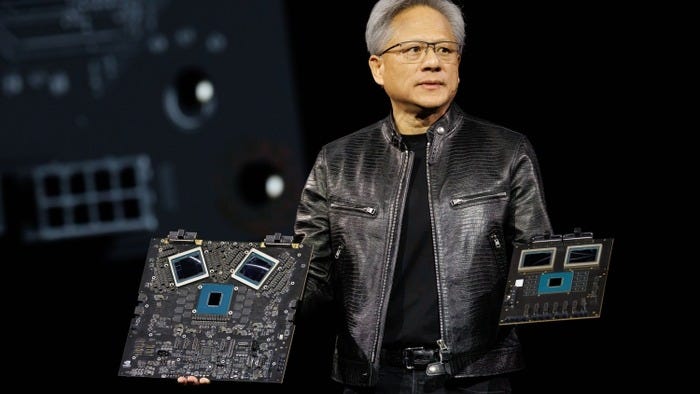
Nvidia’s Jensen Huang resignation leaves a flat organization built around his direct control as China GPU restrictions tighten.
S SemiAnalysis 21h ago 6 clicks
Coursera trades at roughly $150 million enterprise value after Pale Fire Capital took 14.7%, with cash and Treasuries covering 83% of its…
S Latticework by MOI Global 22h ago 6 clicks
UniQure’s Huntington’s disease BLA has a May 1, 2027 priority-review date, with an FDA advisory committee expected in late first quarter.
S Triple S Special Situations Investing 22h ago 2 clicks
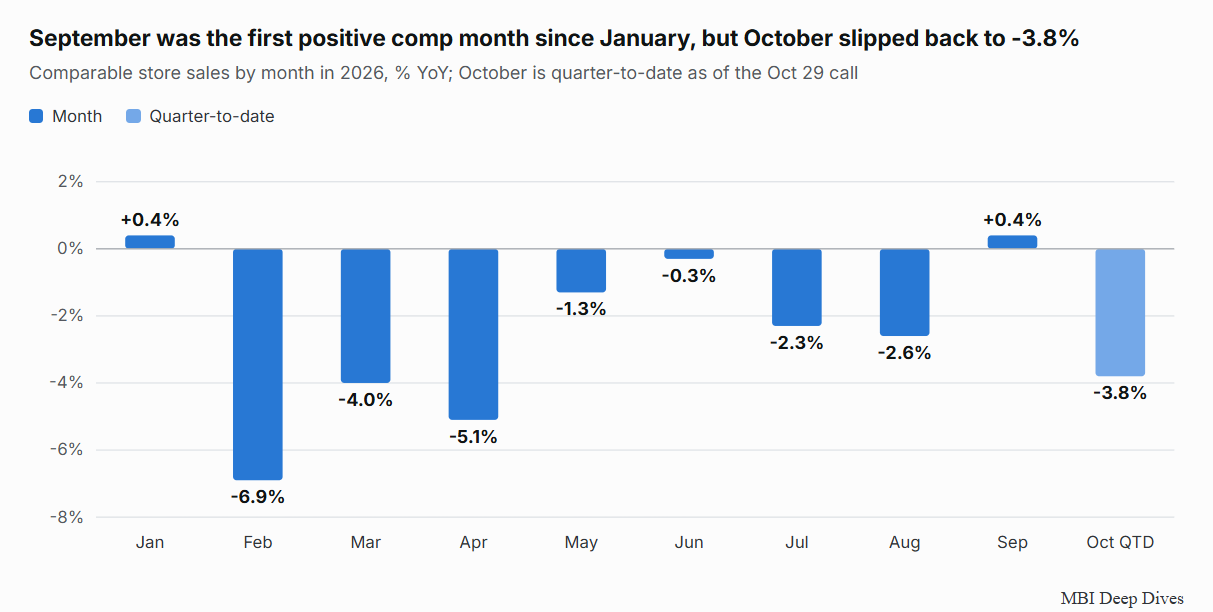
Floor & Decor cut its 2026 outlook again, with EBITDA guidance falling to $535-550 million and 2027 openings slowing to 10-15 as housing…
S MBI Deep Dives 22h ago 3 clicks
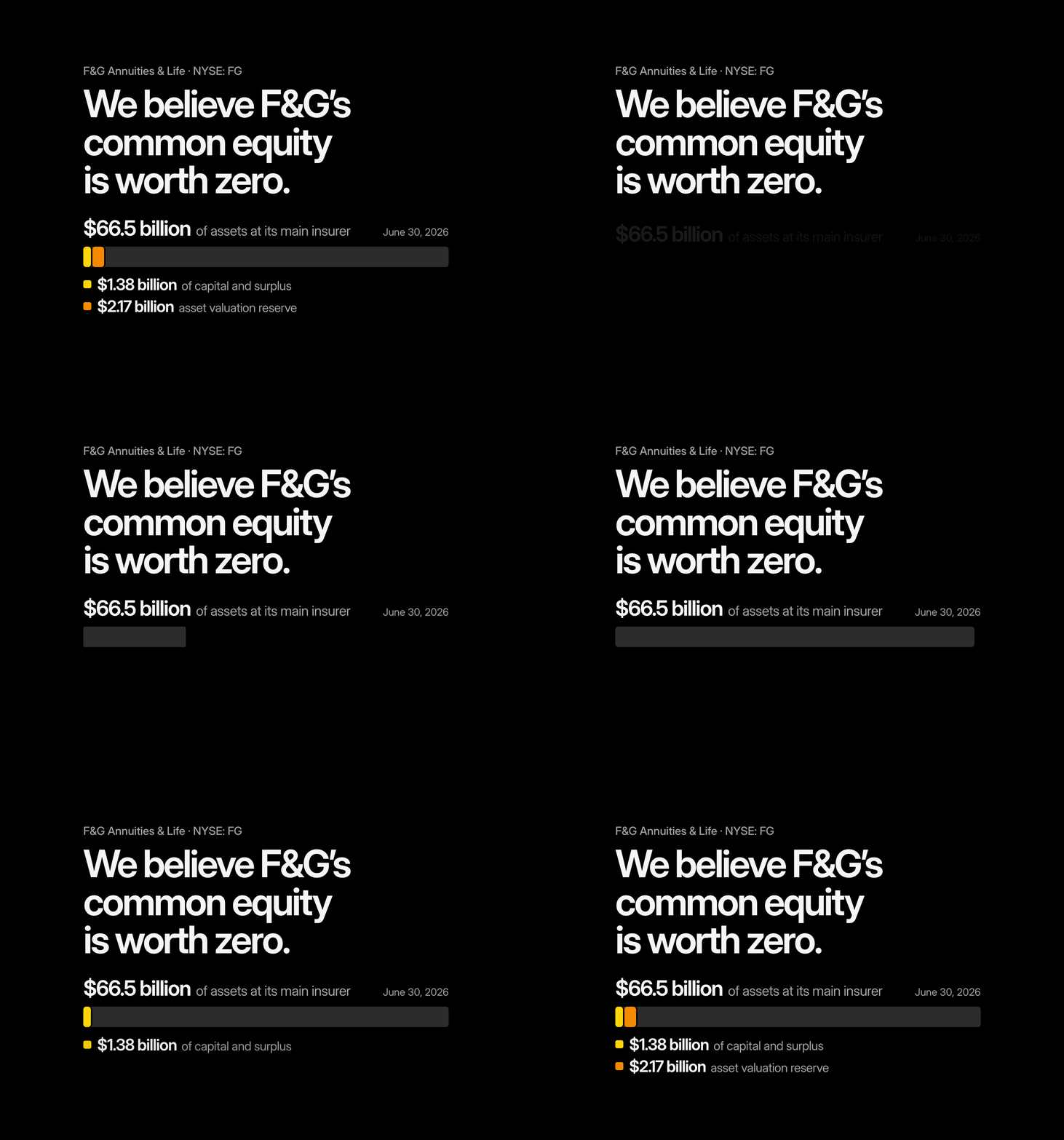
F&G’s main insurer held $66.5 billion of assets against $1.38 billion of statutory capital, while private credit, reinsurance dependence…
S Mispriced Assets 23h ago 4 clicks
AutoNation’s new CEO Mike Manley brings Jeep and Fiat Chrysler experience after the dealer chain cycled through three leaders in 30 months.
S Cannibal Stocks 24h ago 3 clicks
Salesforce’s Agentforce adoption, Anthropic and Databricks stakes, and margin expansion support upside, while debt-funded buybacks have…
SA Alexander Grover 24h ago 1 click Quanta Services' backlog rose 63% year over year to $64 billion as shares fell 30%, with AI and power-infrastructure demand driving revenue…
S Monte Independent Investment Research 24h ago 5 clicks
A hypothetical Nvidia succession scenario names Colette Kress interim CEO and favors Arm's Rene Haas or Nvidia's Ian Buck as permanent…
S Key Context by Tae Kim 24h ago 4 clicks
Petrobras posted record 3Q26 production and earnings, but higher investment needs are shrinking dividends as a possible Lula IV government…
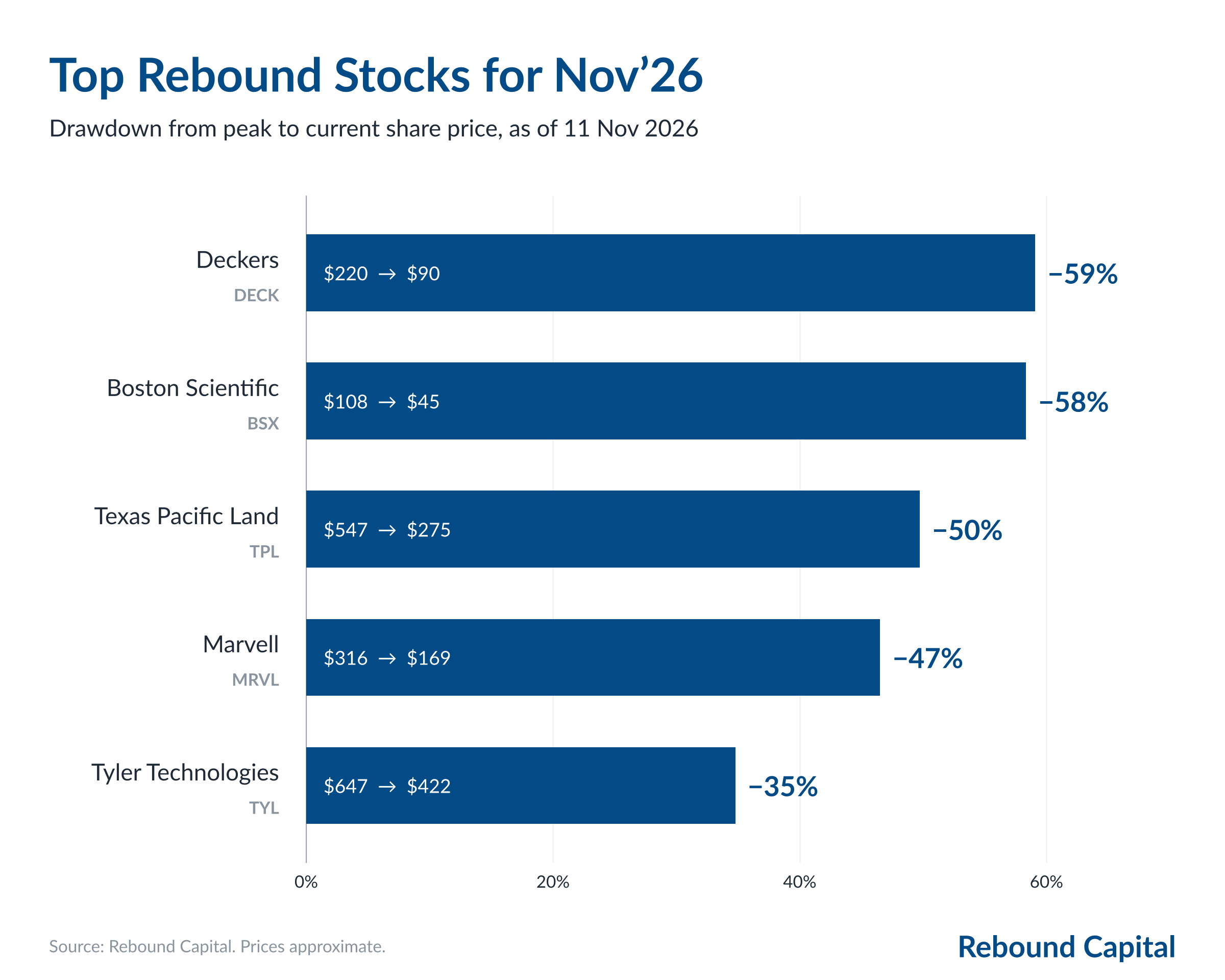
SA Bernard Zambonin 25h ago 8 clicks Texas Pacific Land's 50% selloff reflects faded data-center expectations, while its Permian royalty business generated $498 million of 2025…
S Rebound Capital 26h ago 2 clicks
ASML monopolizes EUV lithography, a critical tool for leading-edge chips, with production capacity stretched through 2028 and customer…
S Jimmy's Journal 26h ago 2 clicks
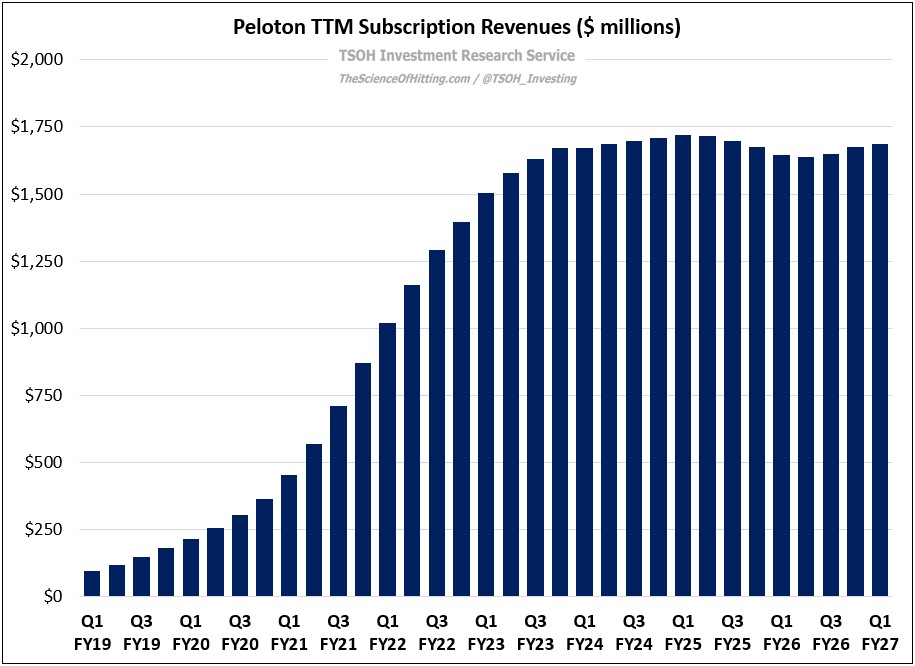
Peloton’s connected-fitness subscribers fell 9% year over year to 2.475 million, with another high-single-digit holiday decline forecast as…
S TSOH Investment Research 28h ago 3 clicks
DHT Holdings earned $1.68 per share in Q3 and projects Q4 EPS of $4.25, supporting a single-quarter dividend above 20% at projected spot…
SA Melissa Tucker 29h ago 4 clicks