AMD Earnings Review
AMD reported $13.4 billion in Q3 revenue, with Data Center sales up 97% to $8.5 billion, and guided Q4 revenue to $17 billion.
AMD reported $13.4 billion in Q3 revenue, with Data Center sales up 97% to $8.5 billion, and guided Q4 revenue to $17 billion.
$CAKE - There is a huge gap on the chart at $89-$92 (21% downside) https://t.co/IeCINWSSLI
@WatcherGuru $CME CEO Terry Duffy had a good podcast about this. TL;DR -- they are swaps not futures and CFTC is falling down on the job. https://t.co/33WZaDYm5f
Glad to see high beta AI semis like $AEHR or $FN rallying after earnings. I wonder if anyone previously on leverage is still alive to see a potential recovery? https://t.co/u1niEPMhDc
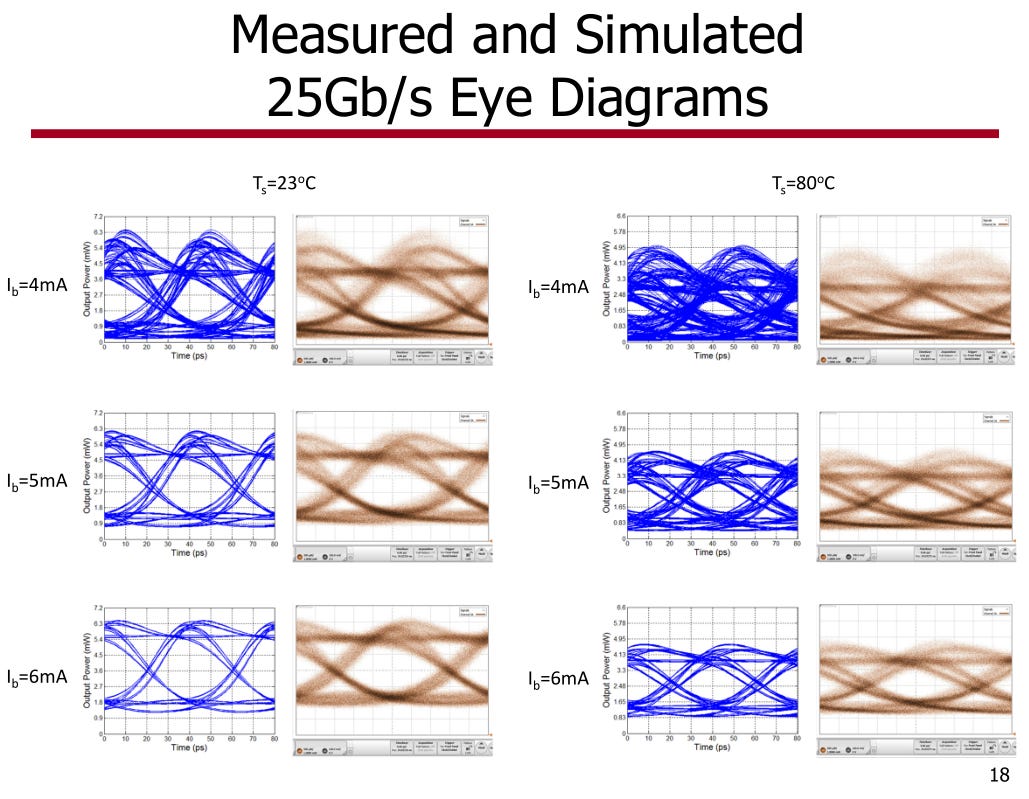
Marvell and Lumentum’s merger targets uVCSEL scale-in optics, combining Marvell’s DSP and analog IP with Lumentum’s laser manufacturing for…
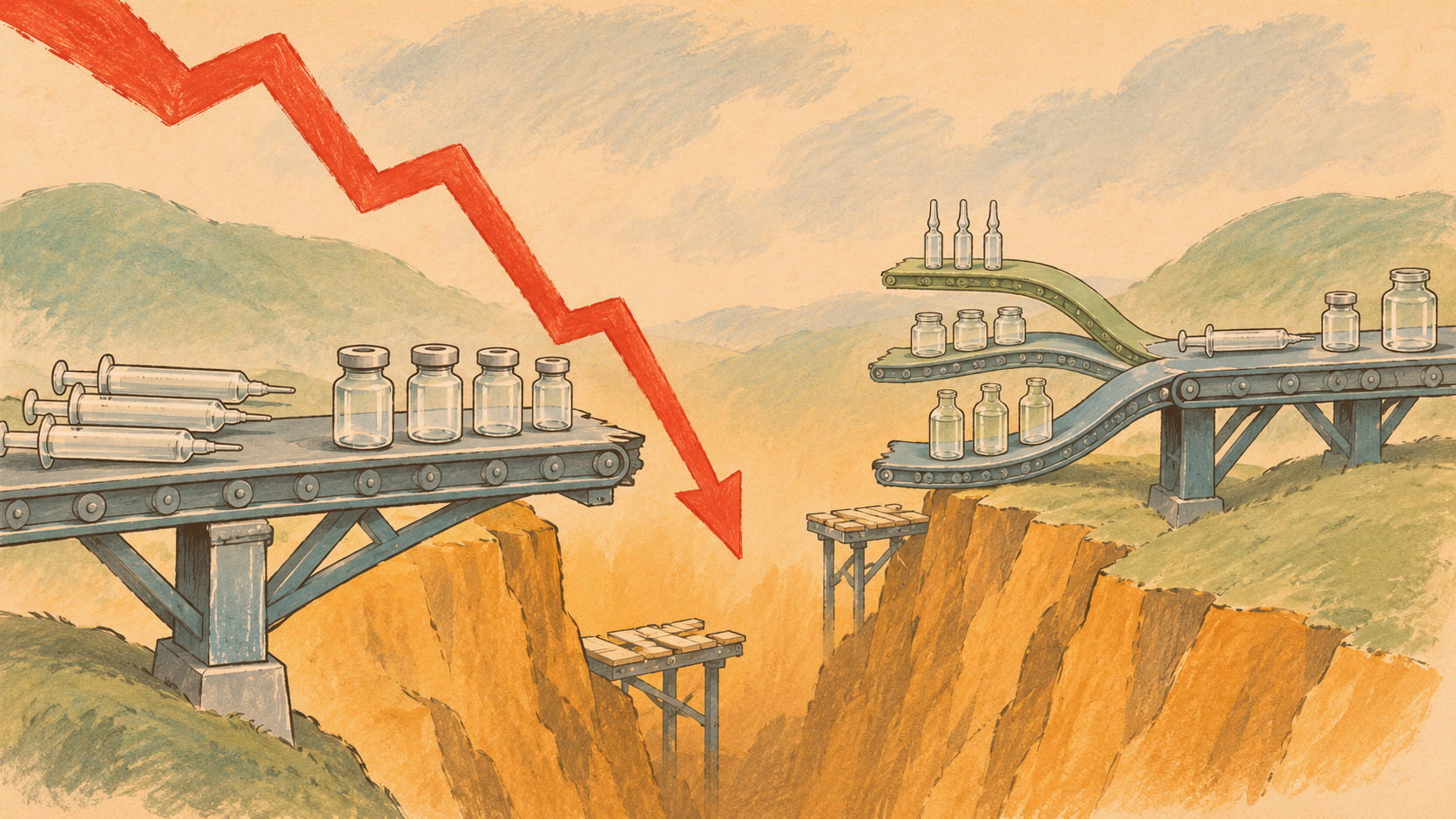
Stevanato fell 30% after forecasting low-single-digit 2027 growth as lower Nexa syringe volumes from a GLP-1 customer offset solid Q3…
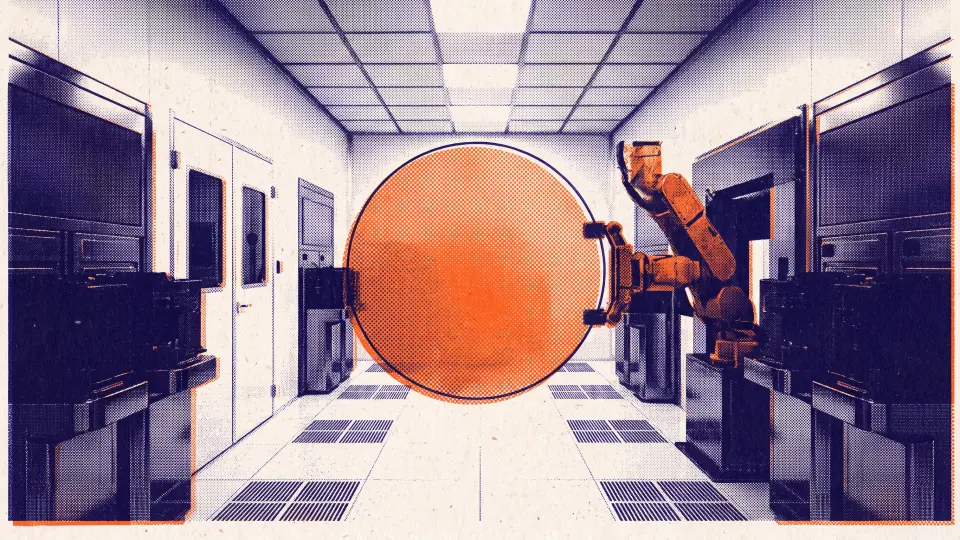
Marvell’s all-stock Lumentum deal exposes LITE holders to MRVL volatility while paying peak-cycle AI multiples, with US and China antitrust…
 Dustin Quasney 2 clicks

Transocean enters its Valaris merger with 109 of 110 available deepwater rigs contracted and 313 million shares sold short, despite weaker…
Microsoft’s Azure grew 48%, but OpenAI compute may have supplied 45% of its growth, leaving Azure excluding OpenAI up roughly 31%.
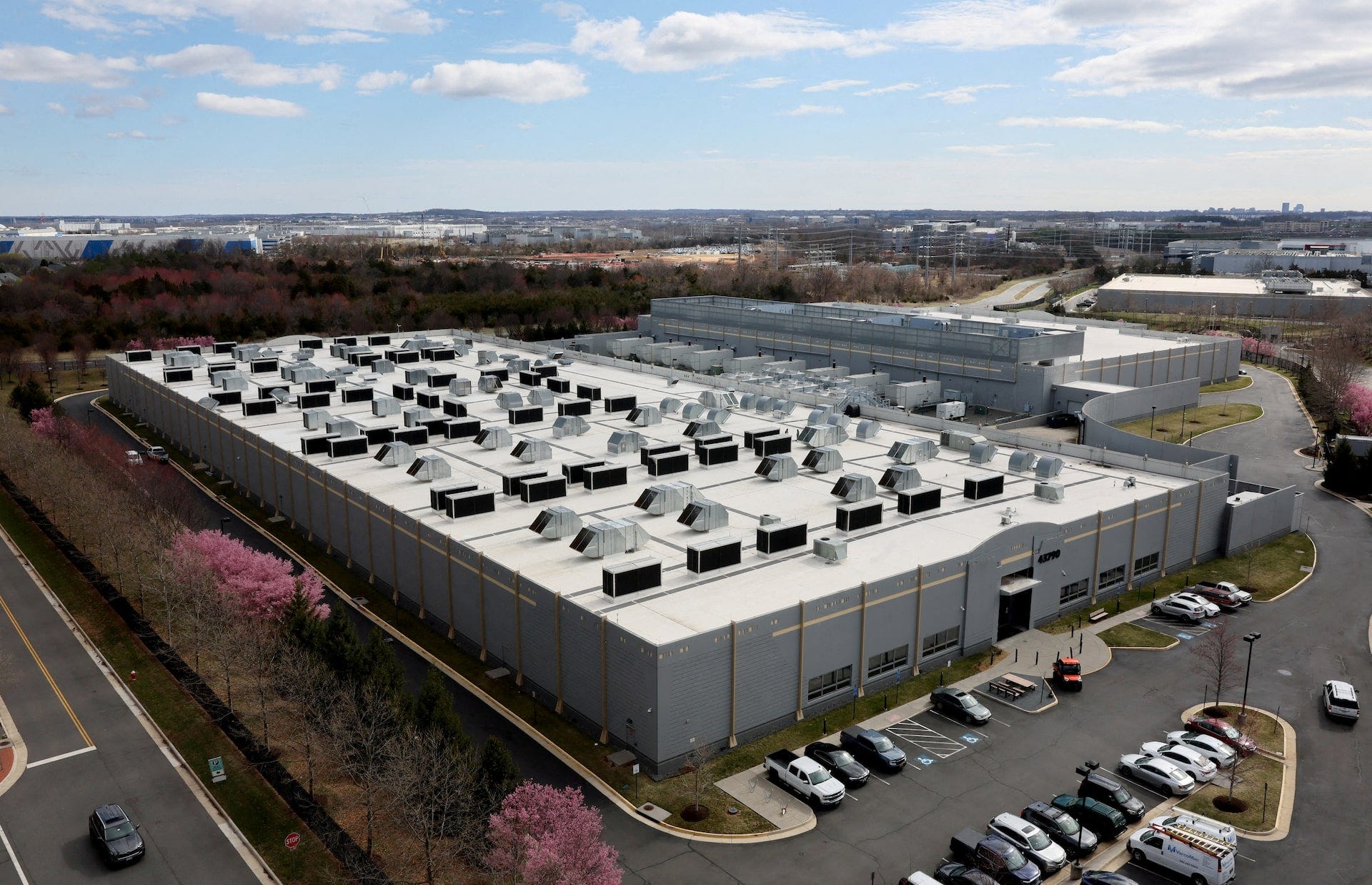
BXDC trades at a 14% discount to net liquidation value, with $1.9 billion of cash against a $1.6 billion market cap, ahead of data-center…
Amazon’s Q3 revenue reached $201.94 billion as AWS grew 39.3% to $45.98 billion and backlog hit $578 billion, supporting management’s…
 Steven Fiorillo 3 clicks

Intel maintained after its post-earnings sell-off, with AI inference CPU demand and foundry customer announcements expected to drive a…
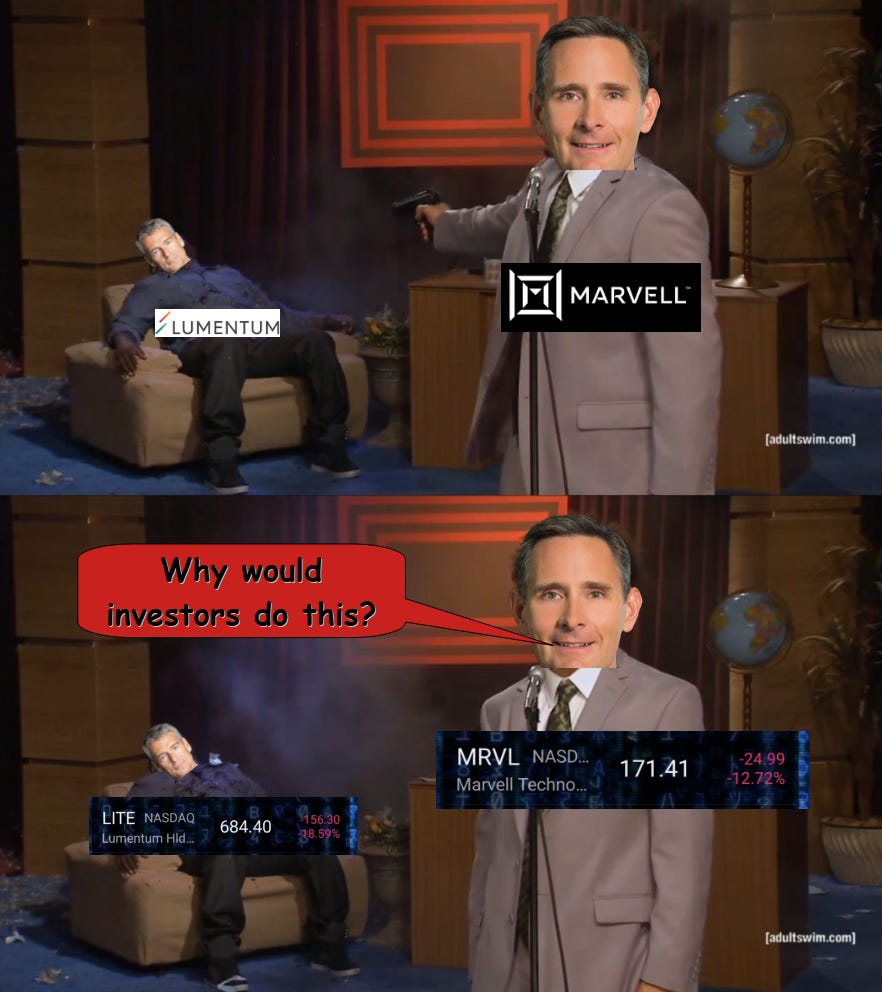
Marvell’s proposed Lumentum deal risks alienating Cloudlight customers and losing engineering talent, despite limited optical integration…
Western Digital's Q1 2027 revenue rose 55% to $4.38 billion as hyperscaler demand lifted non-GAAP EPS 161% to $4.64.
 The Curious Analyst 1 click
Incyte reported Q3 revenue of $1.56 billion, up 14%, as Opzelura sales rose 36%; a $1.23 billion Vega acquisition charge drove an operating…
Regeneron Q3 revenue rose 36% to $5.1 billion as Sanofi collaboration revenue jumped 68%, while EYLEA US sales fell 41%.
Sanofi Q3 sales rose 14.3% at constant currency to €14.4 billion, led by 34.8% Dupixent growth, prompting a second increase to FY26…

Enterprise Products Partners has pulled growth spending into 2026, while Energy Transfer’s contracted projects offer clearer EBITDA growth…
 BSP · short
Bending Spoons is a software and digital-assets holding company that has completed more than 50 acquisitions since 2013.

Nebius faces refinancing and dilution risks from short-term borrowing and heavy GPU infrastructure spending despite higher rental prices…
 Hunting Alphas 2 clicks
AMD and Arista beat consensus on quarterly results and outlook, lifting shares and easing AI-growth concerns.

Marvell Technology and Lumentum fell sharply after announcing a historic merger, reviving comparisons with JDS-Uniphase.

Apple and Palantir reported very strong earnings, but their stocks may deliver weak returns from current levels.
Apple’s earnings show a stronger-than-ever hardware business despite memory challenges, raising questions about whether its software…
Every publication on this site, hand-picked.
 Adam Schadt
 Albert Anthony
 Andres Veurink
 Arizona Equity Research
 Bay Area Ideas
 Blake Winiecki
 Capital Connoisseur
 Dane Bowler
 David Zanoni
 Deep Value Investing
 Dhierin Bechai
 Dilantha De Silva Dustin Quasney
 Elliott Gue
 Equity Eagle
 Eudaemon Research
 Fernanda Galvez Jalil
 Fountainhead
 Geneva Investor
 Given Mahlangu
 Henrik Alex
 High Alpha Professor
 Ignacio Planas Gonzalez
 Infinity Curve
 Investor Overview
 IWA Research
 Jaden Mealy
 JR Research
 Julia Ostian
 Khaveen Investments
 Kurt Christensen
 Lee Bailey
 LL Insights
 Long Player
 Marc Gerstein
 Melissa Tucker
 Mike Arnold
 Mike Zaccardi, CFA, CMT
 Miletus Research
 Myriam Alvarez
 Petri Dish Reports
 Philip Wang
 Prakhar Agarwal, CFA
 PropNotes
 PV Research
 Quantryon Capital
 Robert J. Lake
 Ron Ferrie
 Ryan Canady
 Sam Mancini
 Seeking Profits
 Sharon McArd
 SiliconBytes Insights
 Simple Investment Ideas
 Sorrento Research
 Stephen Ayers Steven Fiorillo
 The Alpha Analyst
 The Asian Investor
 The Bullionaire The Curious Analyst
 The J Thesis
 The Market Auditor
 The Supercycle Investor
 The Undercovered Dozen
 Tim Travis
 Uttam Dey
 Value Capital Research
 Vishal Jadaun
 Zoltan Ban
Every account on this site, hand-picked.
 ⚽️📡
 💥PETITION💥
 A Capital
 absreturnchaser
 Adam D. Wyden
 Alpha Vulture
 AltayCap
 Asif Suria
 Bank Reg Blog
 Barbarian Capital
 BDC
 Bill Ackman
 Brian McGough
 Broken Moats
 BuccoCapital Bloke
 Calvin Blissett
 catechwilliams
 Charles Frischer
 Chris Camillo
 Clark Square Capital
 Cluseau Investments
 Colin King
 Connor Haley
 Conor Maguire | Value Situations
 Convequity
 Dalius - Special Sits
 David Orr
 Deep Sail Capital
 Derek Pilecki
 Devin LaSarre
 DOMO Capital Management, LLC
 Edwin Dorsey
 Evan Tindell
 Fajasy
 Farmer
 Fierce_beast
 Fred Liu
 Gavin Baker
 George Noble
 Hunterbrook
 Ian Bezek
 Idea Brunch
 JabroniCoin.USD
 John_Hempton
 junkbondinvestor
 kab60
 KEDM.com
 Kevin Mak
 Kuppy
 Laughing Water Capital
 Lee Roach
 Little Owl Research
 Maius
 Maj Soueidan
 marginofdanger
 mavix
 Mike
 Mikro Kap David
 Mr Neutral Man aka "Howard Marks of REITs”
 Multiples Capital
 Myles
 Nat Stewart
 Negligible Capital
 Odd Diligence
 Odd Lot Arbitrageur
 PAA Research
 Paradis
 Pernas Research
 Porter Collins
 Prepared Remarks
 Psyop Capital
 Raging Capital Ventures
 Red Dog Capital RiverRoadPartners
 Rohan Pavuluri
 Rusholme Capital
 Sahil Khetpal
 Serenity
 SG
 Sheel Mohnot
 SouthernValue
 Steve Eisman
 The Friendly Bear
 Tim Eriksen
 Timyan Bank Alert
 Todd Wenning
 ToffCap
 Trevor Scott
 Undiscovered Compounders
 Voss Capital
 Yaron Naymark
Ordered by how often our editor reaches for them.