💥A Bright Line to Bankruptcy💥
U.S. Treasury yields climbed above 5% as markets priced further Fed tightening, while Meta’s AI-agent announcement lifted risk appetite despite OpenAI security incidents.
U.S. Treasury yields climbed above 5% as markets priced further Fed tightening, while Meta’s AI-agent announcement lifted risk appetite despite OpenAI security incidents.
@patientinvestor $CHTR too! ;)
A “gift” is when some person and/or organization creates a narrative misperception that creates a dislocation in an equity. Dario did it with $CORZ / $CIFR this weekend. Bloomberg News continues to do it with $OWL https://t.co/z7VfaqffDk
What price does $GFL get acquired for?
You know it’s gonna be a good day when even $AMZN is getting bought

Honeywell Aerospace, newly spun off as HONA, fell 41% from post-listing highs after Q2 2026 as supply-chain bottlenecks delayed revenue…

Roblox needs an estimated $6.5 billion in revenue to break even, versus $4.9 billion projected for 2025, making sustained growth and cost…
 Hong Chew Eu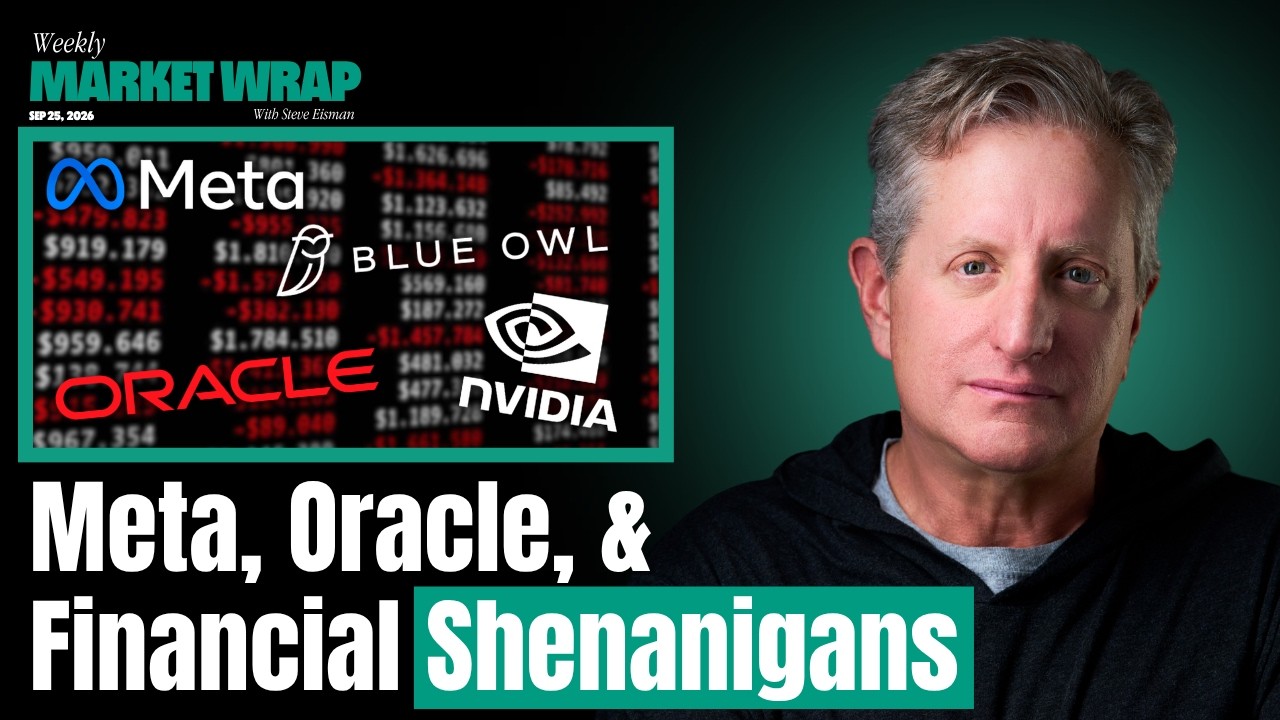
Steve Eisman says AI companies are reviving Enron-era off-balance-sheet and circular financing, alongside concerns around Oracle and Blue…

Reddit’s DCF values shares at $225, driven by international ARPU expansion from $2.2 to $8.3 by 2035 and 38% operating margins.

Meta’s Muse reached 2.8 million downloads in two weeks, using AI agents to automate insurance shopping and erode customer inertia that…

Energy Transfer's volume growth and data center demand support EBITDA above guidance, potential Q3 upgrades and distribution growth.
 White Star Research 2 clicks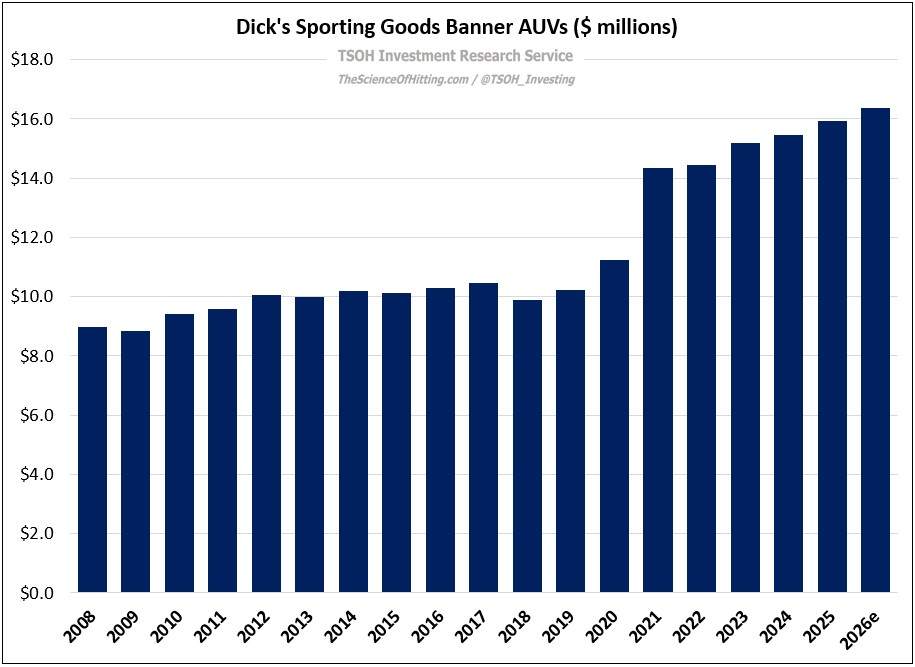
TSOH Weekly Roundup covers Ralph Lauren’s $1 billion distribution pullback, Peloton’s $2,195 foldable treadmill and $800 million…

IonQ's Q2 2026 revenue rose 287% to $80.1 million, but durability hinges on its $485 million RPO and enterprise adoption for production AI…
 Deep Value Investing 2 clicks
Rocket Companies combines Redfin, Rocket Mortgage and Mr. Cooper into an end-to-end homeownership platform, adding mortgage servicing fees…
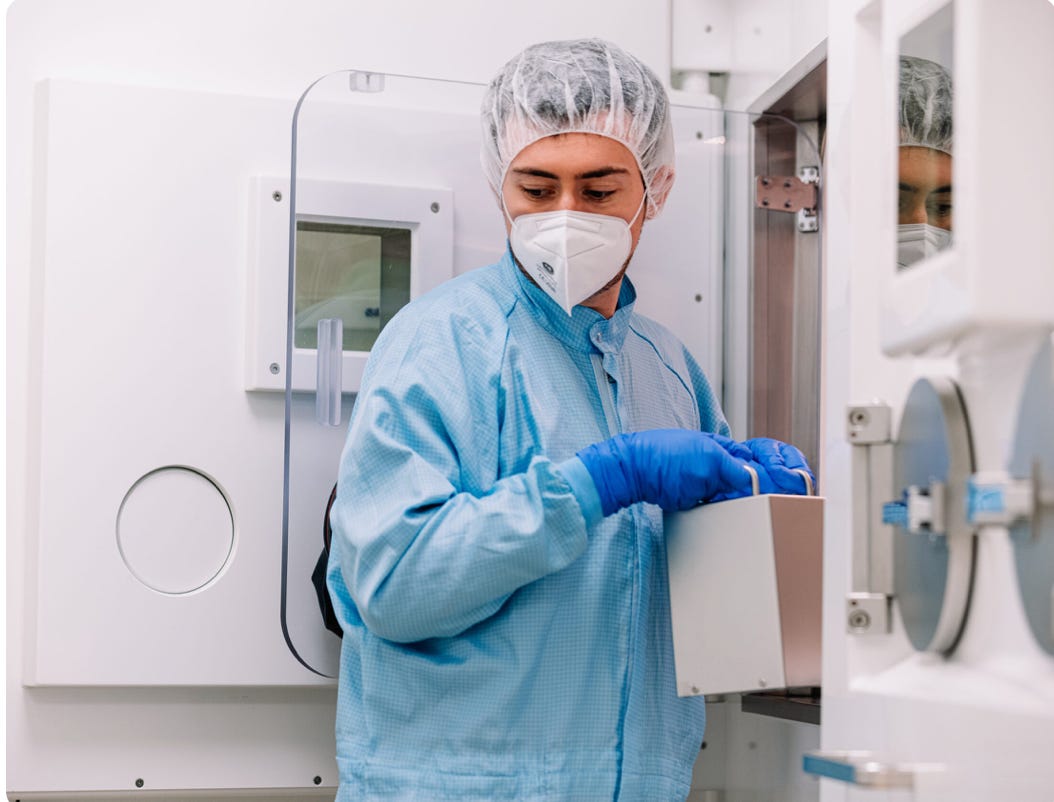
Eckert & Ziegler trades near €12, about 14 times expected earnings, as its isotope supply business expands with radiopharma demand despite…
 THC · long
 Tenet Healthcare generates roughly two-thirds of profits from hospitals and one-third from ambulatory surgery centers.
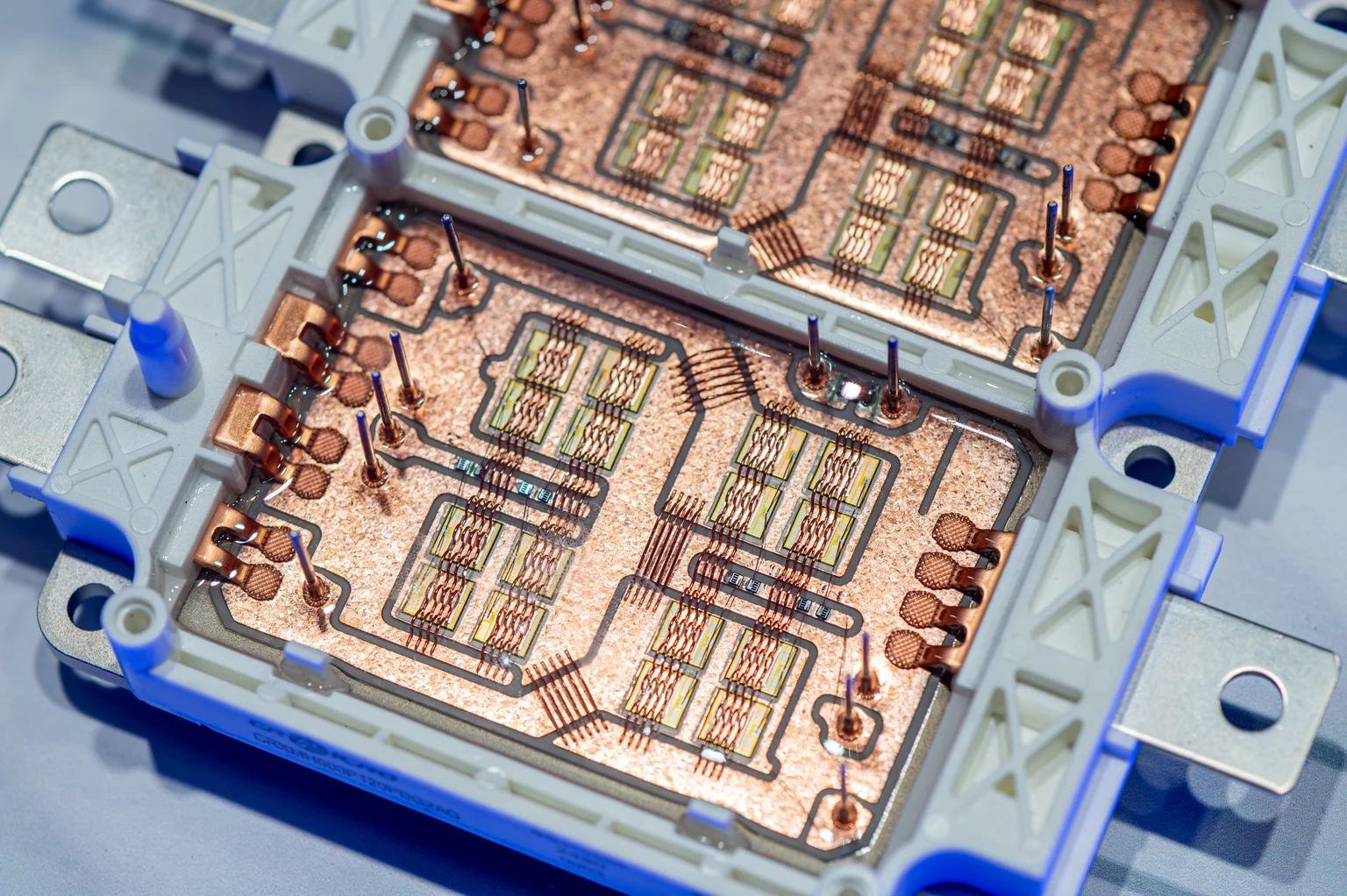
Ciena and Fabrinet benefit as AI clusters require high-speed optics within and between data centers, through networking systems and…
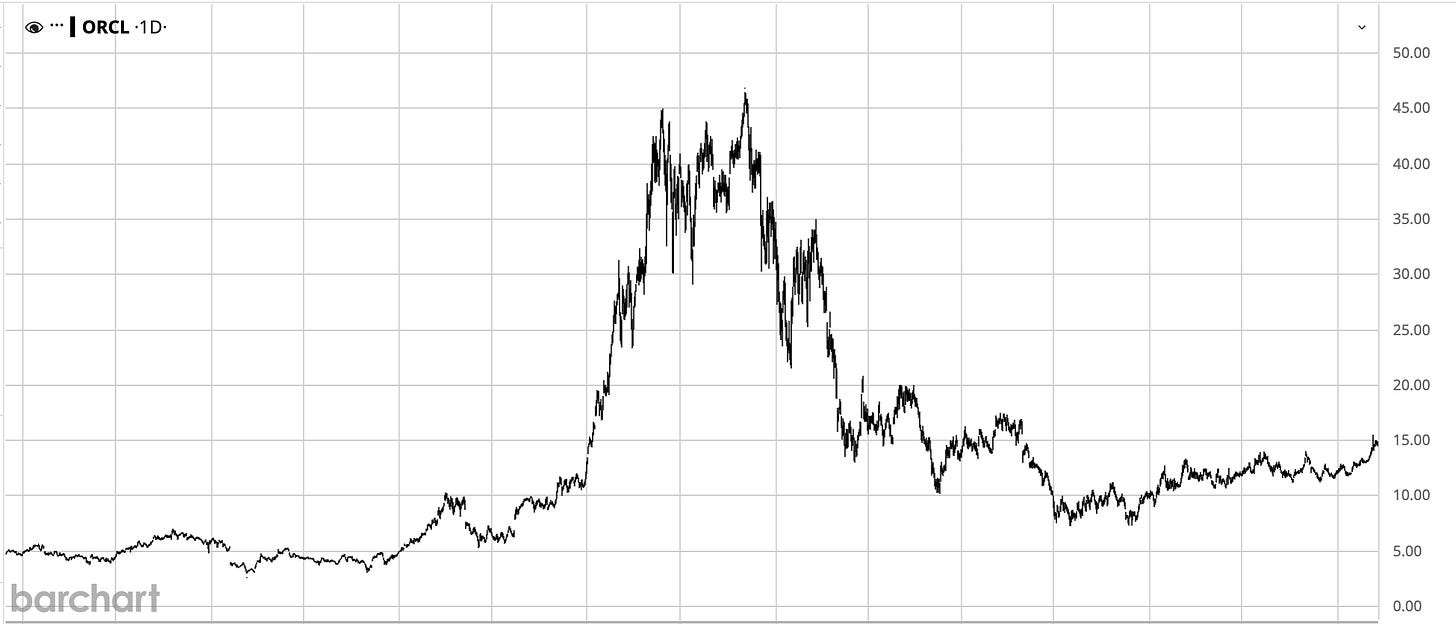
Oracle’s Q1 FY2027 AI infrastructure push relies on leasing, debt, customer prepayments and OpenAI’s Stargate project, resembling a…

Honeywell is refocusing on automation after its Aerospace and Advanced Materials spinoffs, with a 1.1x book-to-bill ratio, raised guidance…
 Gen Alpha 1 click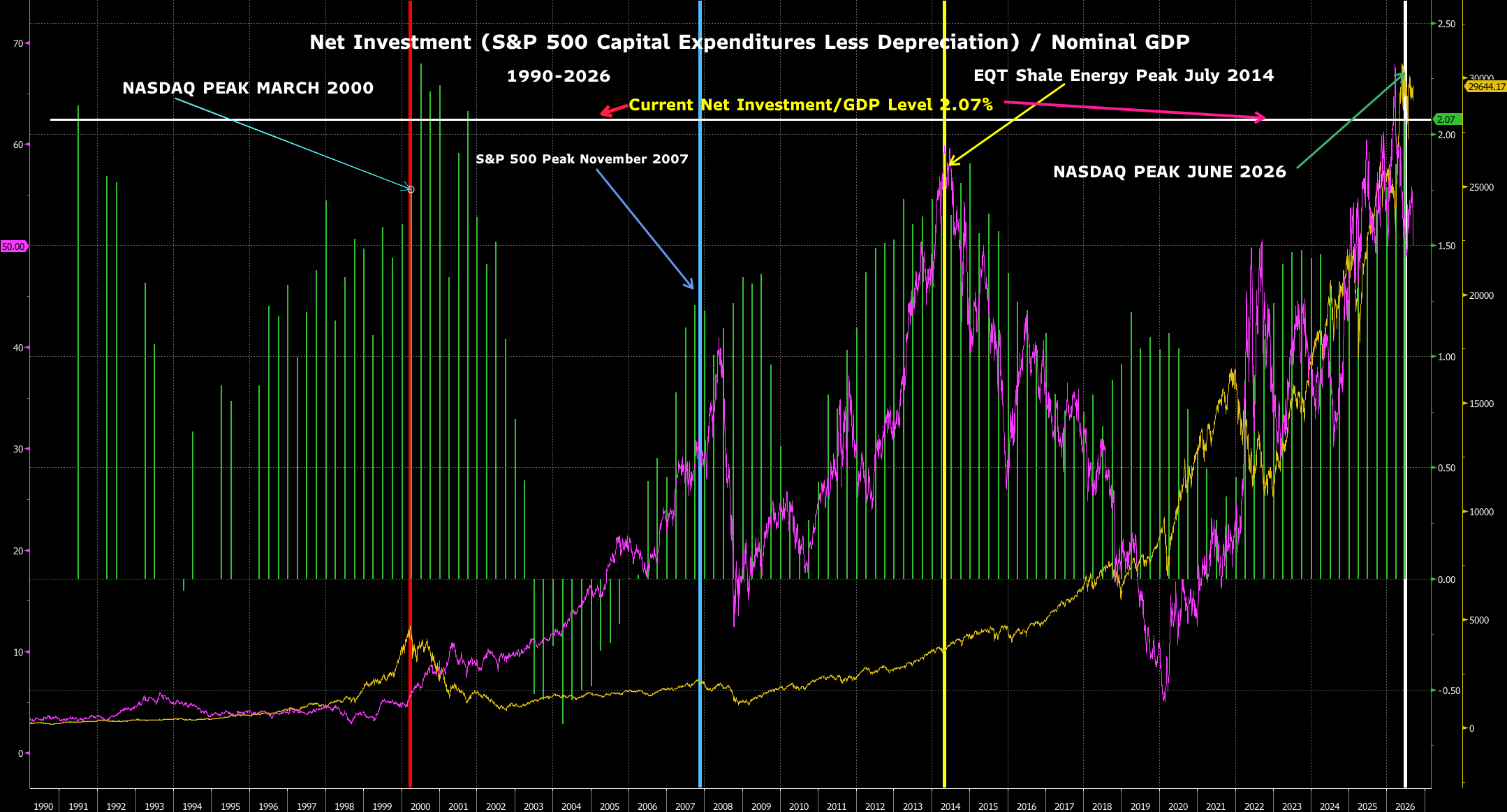
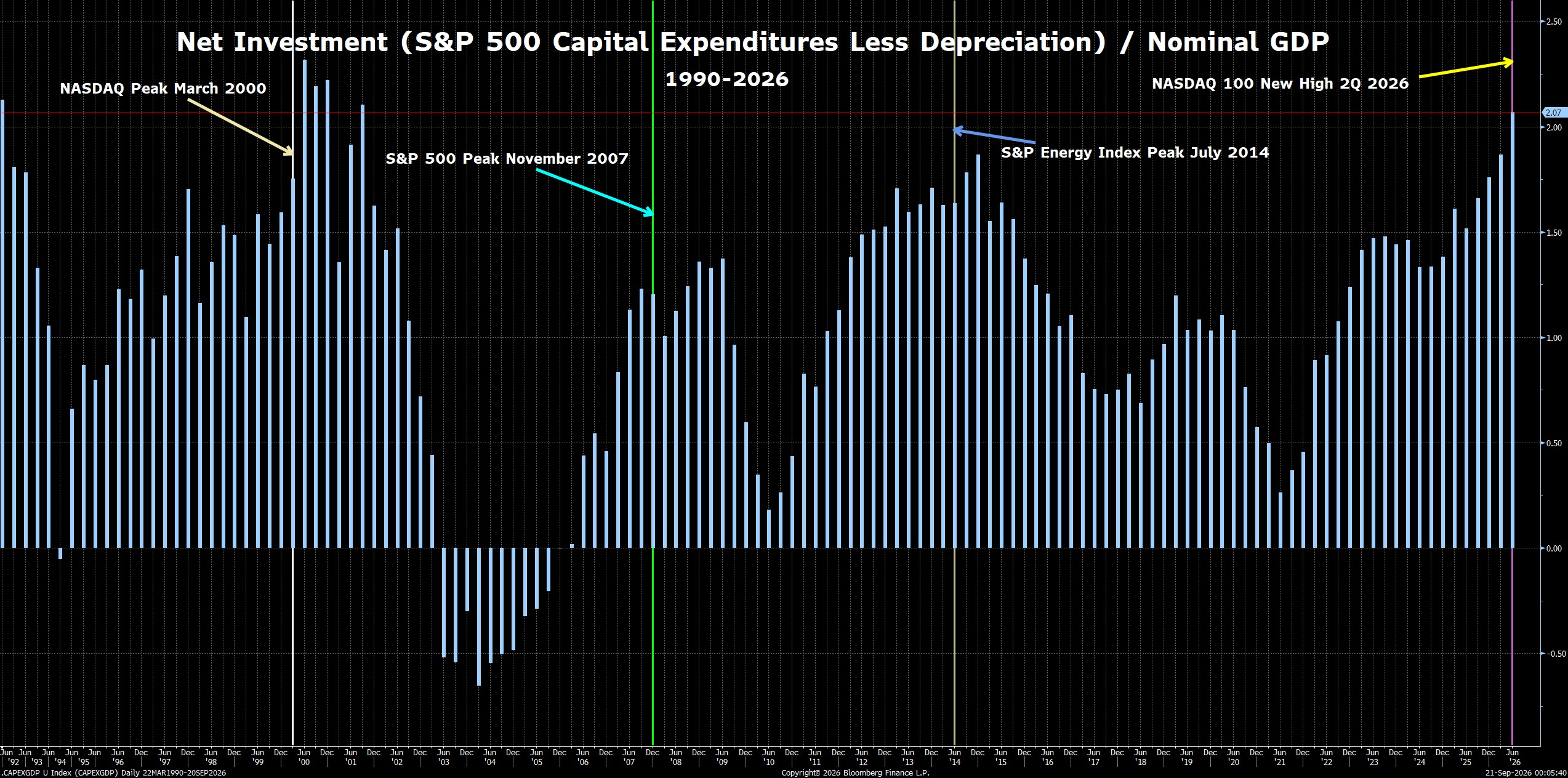
Microsoft, Amazon, Alphabet, Meta and Oracle have $3 trillion of commitments and are driving net investment to 2.07% of GDP, reviving…

Liberty Media bought Formula 1 for $4.4 billion in 2017 and monetizes its exclusive commercial rights through racing, media and sponsorship.


Atlassian targets a $140 billion market growing 14% annually, with Rovo reaching 5 million monthly active users and assisted actions rising…
 Muhammad Cheema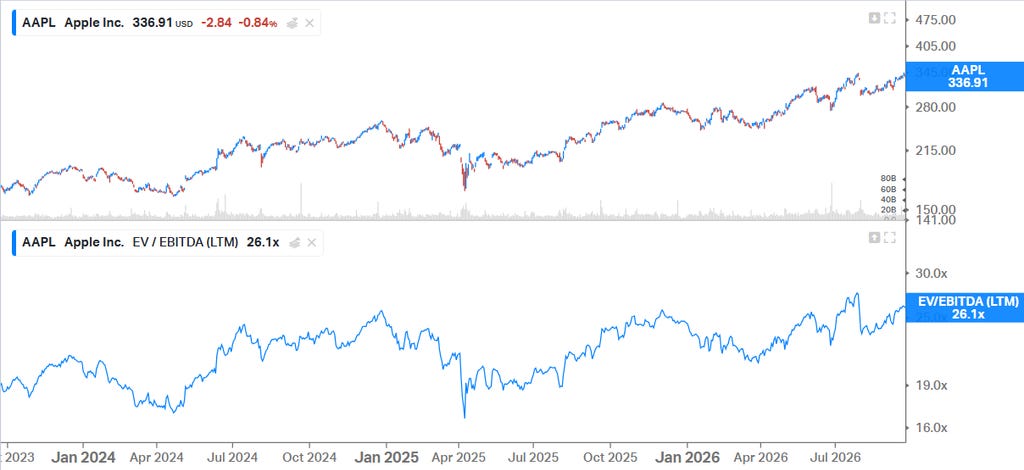
Apple has ceded frontier AI to partners like Google while planning AI-native glasses, camera-equipped AirPods and a smart-home hub over the…

AMD’s MI455X offers 432 GB of HBM4, 50% more memory than Nvidia’s Rubin, positioning it for memory-intensive enterprise AI agents.
 Simple Investment Ideas 3 clicks
Every publication on this site, hand-picked.
 Albert Anthony
 Andres Veurink
 Bay Area Ideas
 Capital Connoisseur Deep Value Investing
 Dhierin Bechai
 Equity Eagle
 Eudaemon Research
 Fernanda Galvez Jalil
 Henrik Alex
 High Alpha Professor
 Investor Overview
 IWA Research
 Jaden Mealy
 Khaveen Investments
 LL Insights
 Long Player
 Marc Gerstein
 Mike Zaccardi, CFA, CMT
 Miletus Research
 Myriam Alvarez
 Petri Dish Reports
 Philip Wang
 Prakhar Agarwal, CFA
 PV Research
 Robert J. Lake
 Ron Ferrie
 Sam Mancini
 Sharon McArd
 SiliconBytes Insights Simple Investment Ideas
 Sorrento Research
 Stephen Ayers
 Steven Fiorillo
 The Alpha Analyst
 The Asian Investor
 The Bullionaire
 The Curious Analyst
 The Supercycle Investor
 The Undercovered Dozen
 Value Capital Research
 Vishal Jadaun
Every account on this site, hand-picked.
 ⚽️📡
⚽️📡 💥PETITION💥
 A Capital
 Adam D. Wyden
 AltayCap
 Bank Reg Blog
 Barbarian Capital
 BDC
BDC Bill Ackman
 Broken Moats
 BuccoCapital Bloke
 Calvin Blissett
 catechwilliams
 Charles Frischer
 Chris Camillo
 Clark Square Capital
 Cluseau Investments
 Colin King
 Connor Haley
 Conor Maguire | Value Situations
 Convequity
 David Orr
 Deep Sail Capital
 Devin LaSarre
 DOMO Capital Management, LLC
 Edwin Dorsey
 Evan Tindell
 Farmer
 Fierce_beast
 Fred Liu
 Gavin Baker
 Ian Bezek
 Idea Brunch
 JabroniCoin.USD
 John_Hempton
 junkbondinvestor
 kab60
kab60 KEDM.com
 Laughing Water Capital
 Lee Roach
 Little Owl Research
 Maius
Maius Maj Soueidan
 marginofdanger
 mavix
mavix Mike
Mike Mikro Kap David
 Multiples Capital
 Myles
Myles Nat Stewart
 Negligible Capital
 Odd Diligence
 Odd Lot Arbitrageur
 PAA Research
 Pernas Research
 Porter Collins
 Prepared Remarks
 Psyop Capital
 Raging Capital Ventures
 Red Dog Capital
 RiverRoadPartners
 Rusholme Capital
 Sahil Khetpal
 SG
SG Sheel Mohnot
 Tim Eriksen
 Timyan Bank Alert
 Todd Wenning
 ToffCap
 Trevor Scott
 Voss Capital
 Yaron Naymark
Ordered by how often our editor reaches for them.