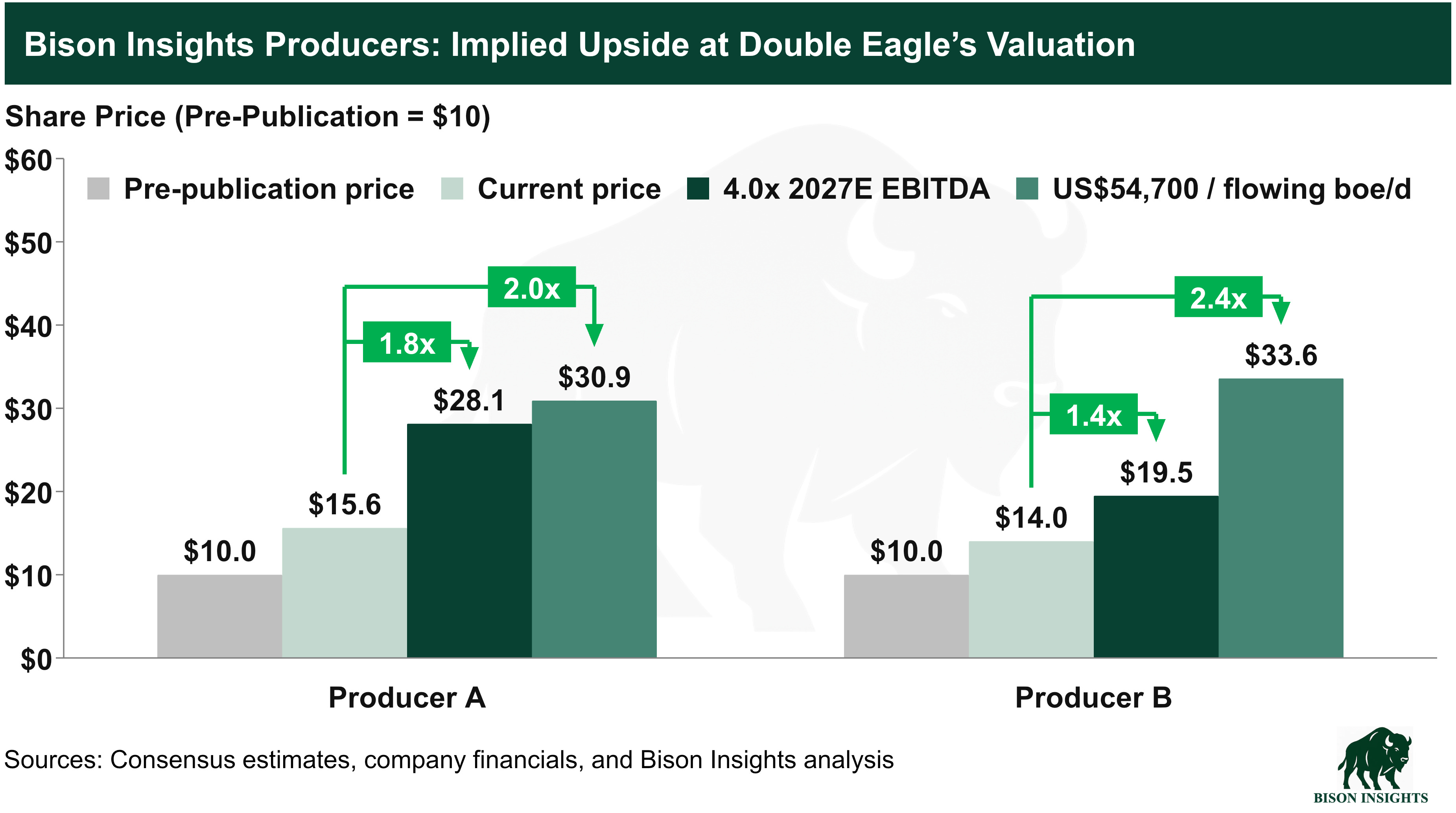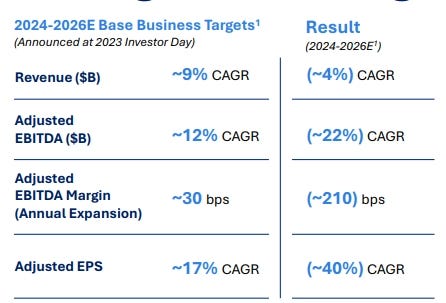
Builders FirstSource targets $350 million in annual sales growth above the market by winning more products per home and deepening local…
S scuttleblurb 4 clicks
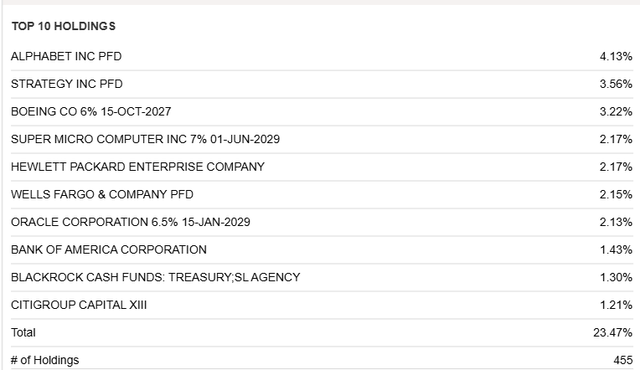
Latin American banks INTR, NU and AVAL reported solid quarters, while preferred-stock ETF distortions create opportunities in individual…
S Ian’s Insider Corner 5 clicks

Zscaler shares surged after agreeing to acquire CrowdStrike in an all-stock deal, as CEO Jay Chaudhry outlined the transaction’s logic.
BL The Technology Letter 1 click

Carson Block’s Nvidia short thesis links former Nvidia and Super Micro executives to alleged chip smuggling, arguing China export-control…
YT The Monetary Matters Network 5 clicks

Nebius shares have fallen 73% from their peak as delayed Microsoft capacity and $67-72 billion of planned 2026-27 capex raise financing and…
S Hated Moats 5 clicks

Comcast’s planned NBCUniversal and Sky spin-off could unlock separate valuations, while mobile growth and positive Peacock EBITDA offset…
SA  Narek Hovhannisyan 3 clicks
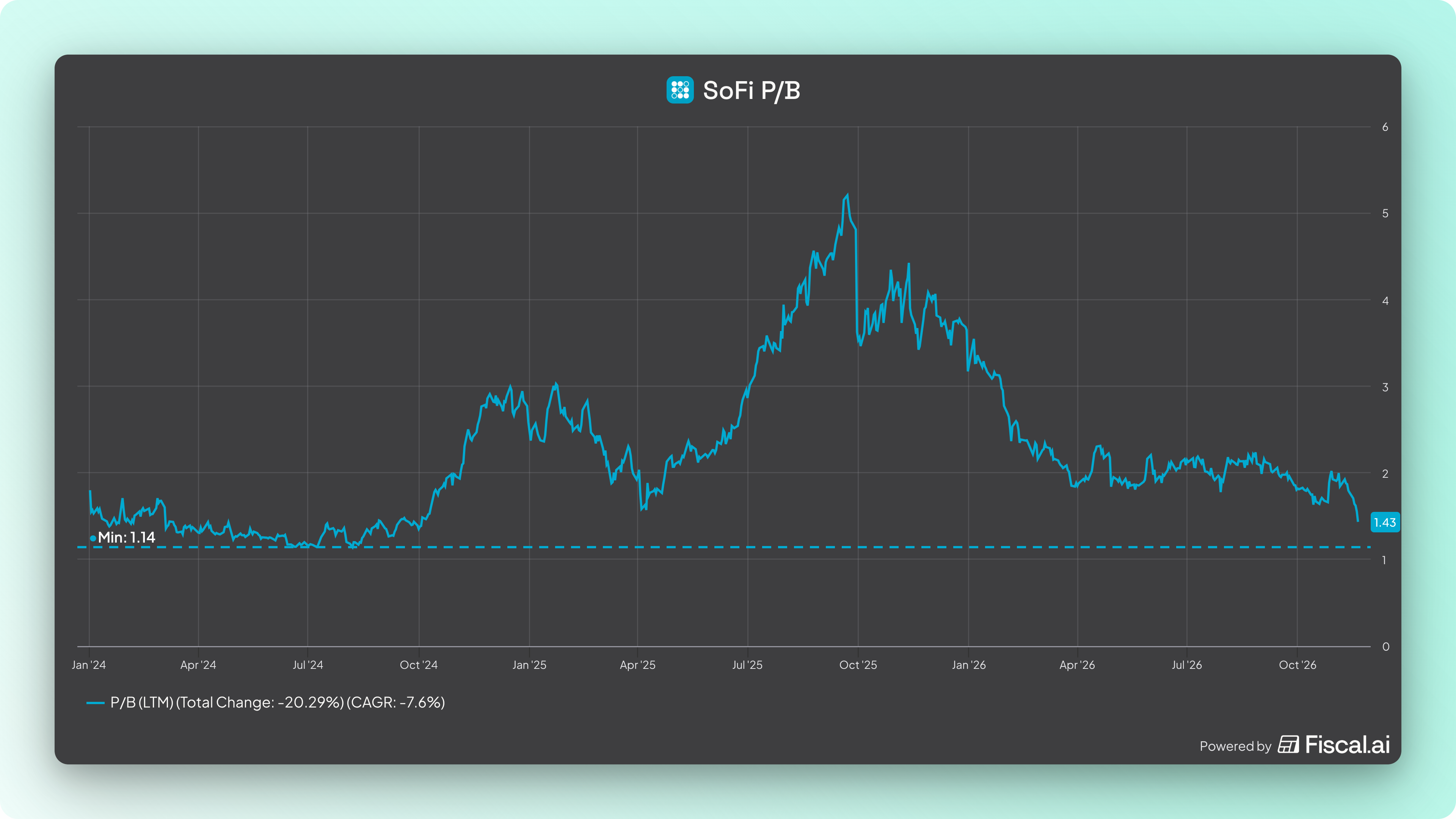
TPG’s $63.25-a-share takeout of Bill Holdings shifts coverage to SoFi, whose drawdown follows strong customer and deposit growth and recent…
S Emerging Moats Research 4 clicks

Sage’s FY26 results and FY27 guidance maintain roughly 10% revenue growth and margin expansion, with shares at 1,123.1p and valued near 23…
S Librarian Capital's Research Library 6 clicks

Zimmer Biomet trades at 9.66x forward EV/EBITDA as its sales-force overhaul nears completion, with China easing, ROSA Shoulder and Monogram…
SA  Equity Eagle

Deckers trades at about 11x earnings as investors question whether UGG and HOKA can sustain growth after generating 97% of FY26 revenue.
S Rebound Capital 7 clicks
 PRU · long
Prudential Financial is a long idea tied to retail investors’ aversion to low-price, low-coupon fixed-income securities.
BL Value Investors Club

EQT, a leading US natural gas producer, and the Rice family’s rise to power in Appalachia.
S Doomberg 6 clicks
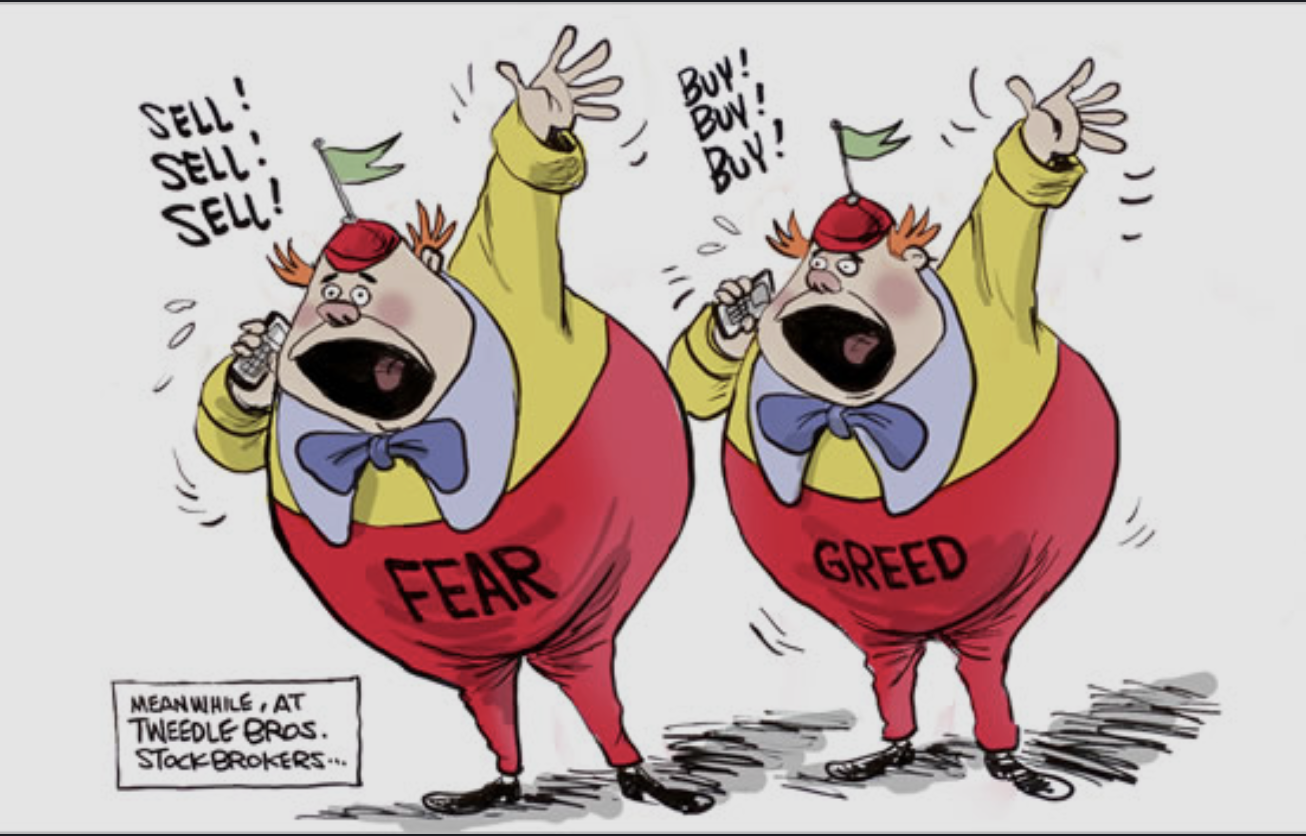
Stocks sell off, with an update on SMC and other ideas.
S Nat Stewart - Stock Picking Newsletter 32 clicks
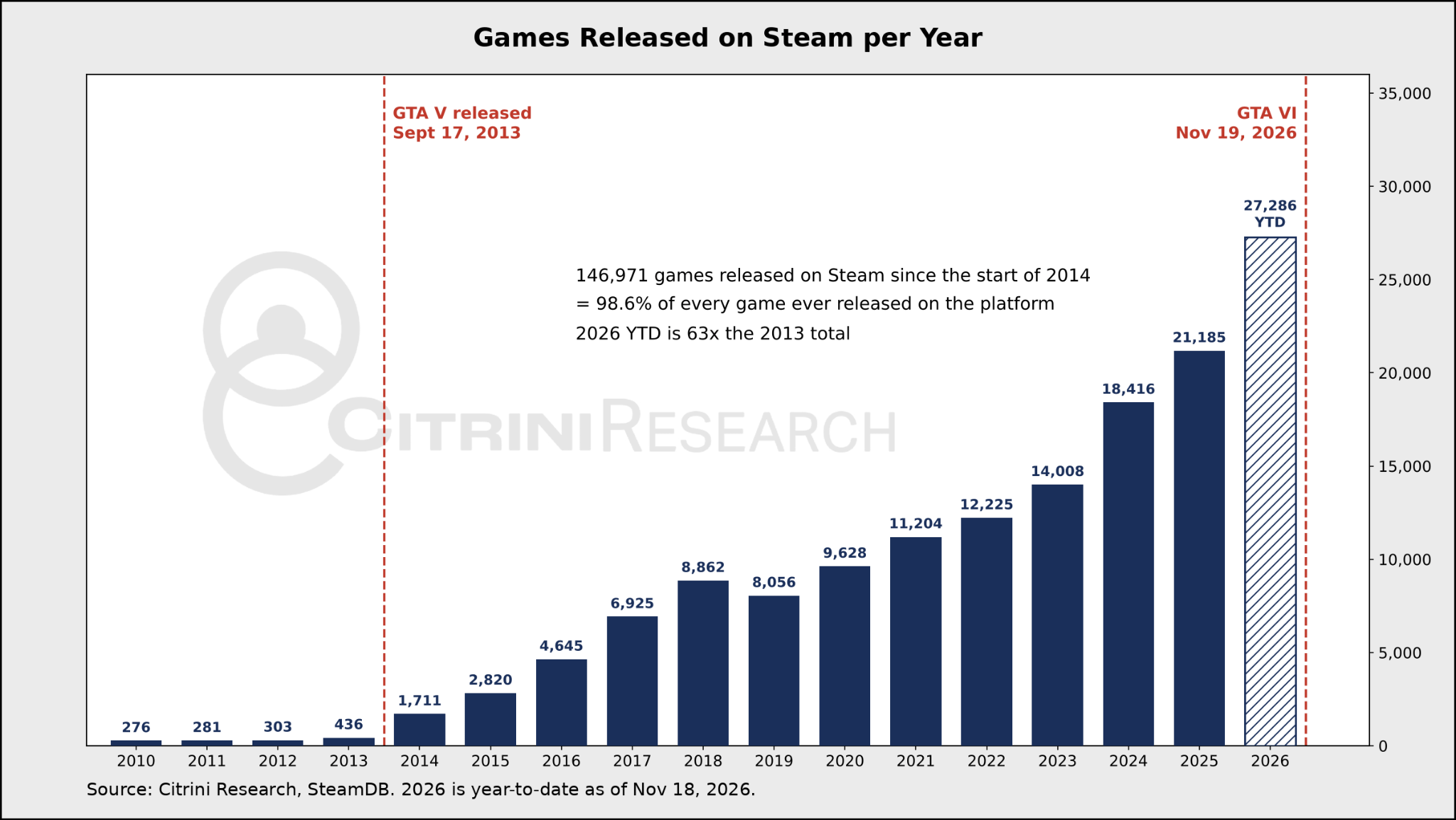
Grand Theft Auto VI launched to a 99 Metacritic score after estimated $1.5 billion to $2 billion development and marketing spending,…
S Citrini Research 4 clicks

Natera grew Q3 revenue 34% to $794 million, raised 2026 guidance to $3.005 billion to $3.035 billion, and named oncology head Solomon…
BL Cestrian Capital Research 4 clicks

NatWest trades below 8x 2026 consensus EPS after weaker net interest margin guidance, despite multi-year-high profitability, solid credit…
SA  Mark Dockray 5 clicks

Intuit’s $3.68 billion Mailchimp sale removes a noncore unit as TurboTax shifts to assisted filing and Credit Karma faces volume pressure.
S The Oak Bloke 4 clicks

Intuit shares fell 9.8% after chatbots slowed Credit Karma, while QuickBooks grew mid-teens and FY27 guidance stayed unchanged.
S Librarian Capital's Research Library 4 clicks

Bloom Energy's revenue rose 138% year over year as data center moratoriums pressured its shares.
S Monte Independent Investment Research 4 clicks
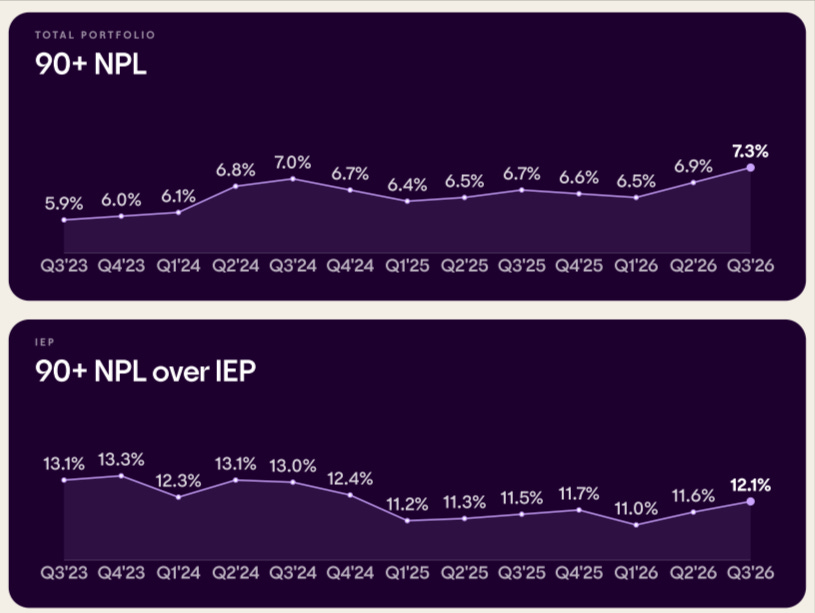
Nu Holdings is expanding banking in Brazil, Mexico, Colombia and the US while investors scrutinize Brazilian credit quality and lending…
S Emerging Moats Research 8 clicks