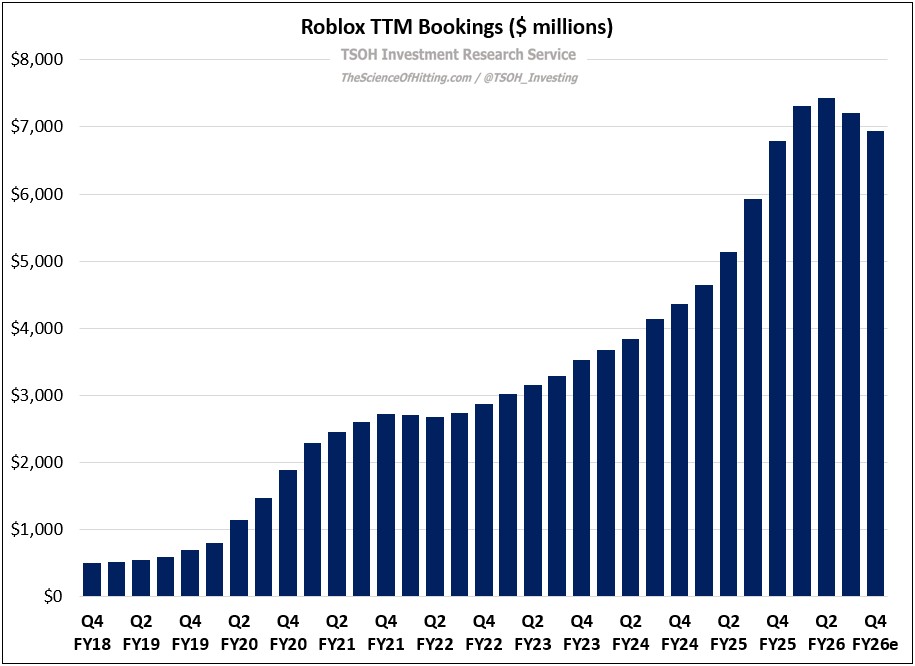
Roblox: Capture This Moment
Roblox’s Q3 FY26 DAUs fell year over year for the first time, while bookings declined 12% to $1.7 billion.
Roblox’s Q3 FY26 DAUs fell year over year for the first time, while bookings declined 12% to $1.7 billion.
Here's my August 16 update on $QXO (free to read):
$IA is an aerospace compounder in its early innings - Buys orphaned lines from giants like $HON and makes parts in-house - Costly recertification can give it a near monopoly on spares for decades - At ~12x FY27 EBITDA with 20%+ CAGR potential Pitch by @DeepSailCapital
I did not expect everything in the AI trade from $LITE to $NBIS to rally today Off the “honeypot catalyst”?

Kimberly-Clark’s Kenvue merger targets $1.9 billion in synergies by 2029, supporting roughly 6% long-term EPS growth and continued dividend…
 Gary Gambino 1 click

Procore CFO Rachel Pyles discusses accelerating growth and economies of scale after an upbeat third-quarter report.

Diageo’s first quarter under CEO Dave Lewis showed modest price changes and regional growth outside North America, supporting a turnaround…

Tower Semiconductor reported $526 million in quarterly revenue and extended photonics contracts through 2029, while its low-loss silicon…

AMD’s data-center revenue rose 97%, while MercadoLibre, TIC Solutions, XPEL and Zoetis also report quarterly results.

Blue Owl Capital’s OTC bonds yield up to 6.92% and offer 8.8% levered ROE, while OBDC stock trades at a 25% discount to NAV.
 Arbitrage Trader

Steve Eisman links a Democratic midterm sweep and CoreWeave concerns to an AI narrative shift as the S&P 500 fell 4.4% and Nasdaq 5.5%.
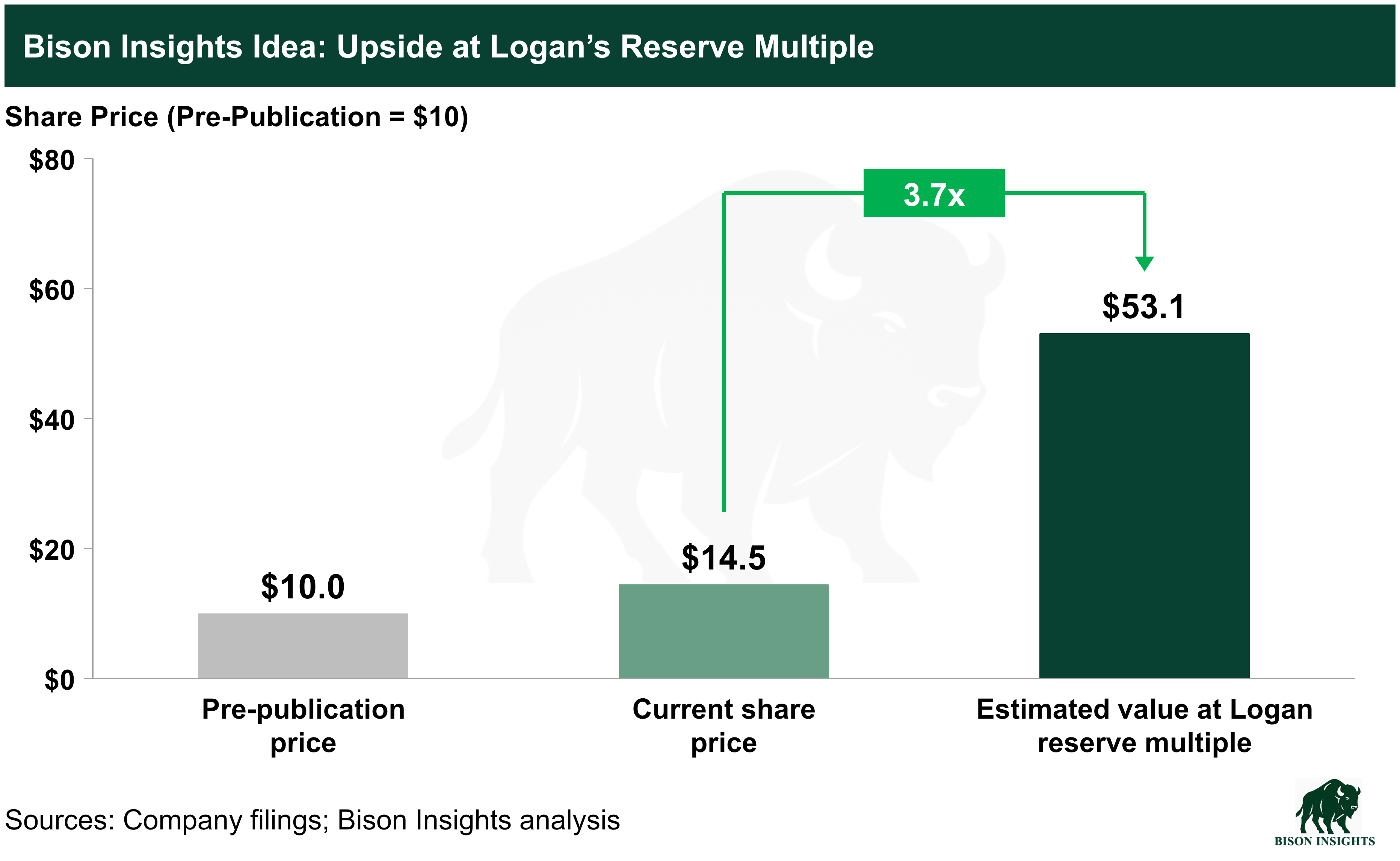
Ovintiv’s C$1.26 billion purchase of Logan Energy at roughly 2x proved reserve value points to further consolidation among Canadian oil…

Axon cut full-year guidance after delayed federal Dedrone contracts slowed 3Q revenue growth to 28%, while software and services grew 43%.

Axon’s 3Q26 revenue growth fell to 28% after delayed federal Dedrone contracts, while software grew 43% and its $1.2 billion Skydio…
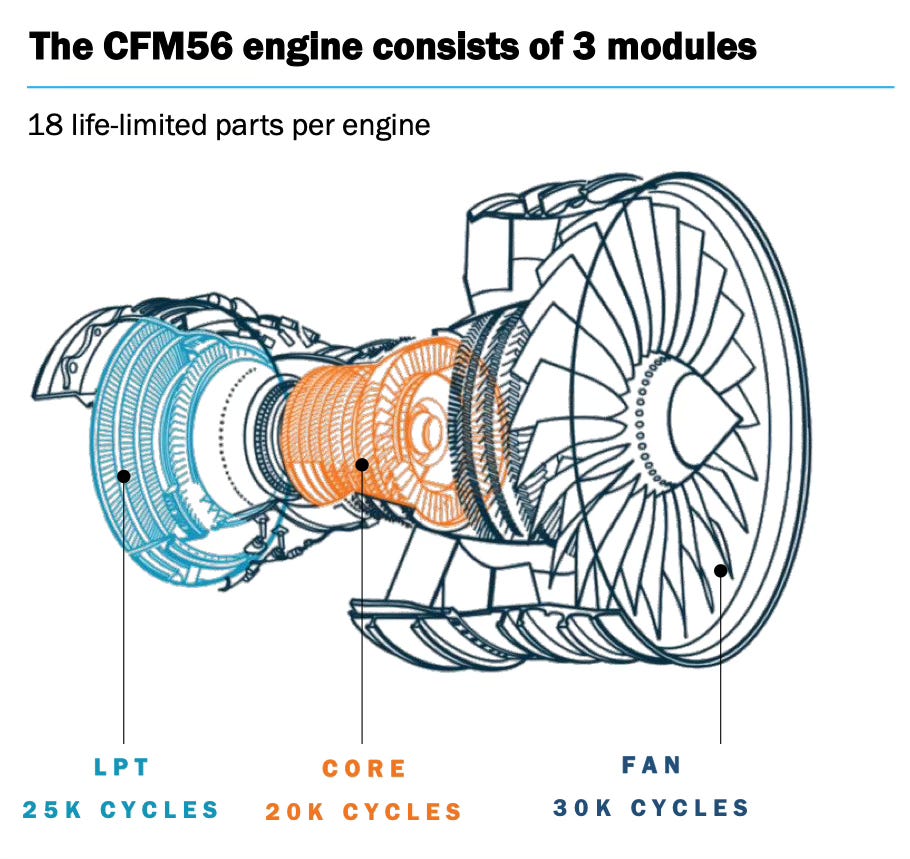
FTAI Aviation’s engine exchange model, owned fleet and Chromalloy PMA partnership target lower-cost CFM56 and V2500 maintenance while…

BitMine Immersion, an $18 billion Ethereum digital-asset treasury, faces a short thesis that its DAT model is becoming obsolete.

Next PLC’s 9% IRR buyback hurdle helped cut its share count 53% over 20 years, lifting EPS 418% despite profit growth of just 2% annually.
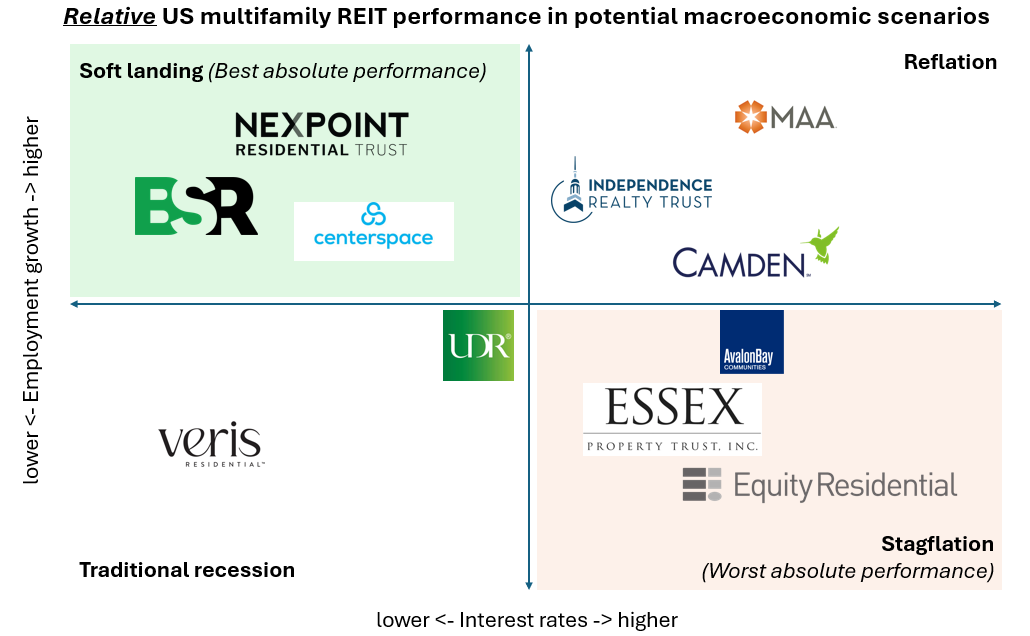
US multifamily REITs face divergent outcomes as jobs and interest rates shape rents, development returns and M&A prospects.
Kaspi trades at 7 times earnings while growing 40%, with its $1 billion Hepsiburada acquisition adding Turkish expansion risk.

CoreWeave (CRWV) has risen 30% in a week and nearly 200% above its IPO price, becoming a focal point of the AI infrastructure bubble.

Fair Isaac raised FICO Score royalties from roughly $0.50–$0.60 in 2022 to $4.95 in 2025, drawing regulatory scrutiny over its…

MercadoLibre’s Daniel Wu discusses MELI’s Latin American e-commerce operations, fintech business model, growth opportunities and risks on…

Diageo and Campari remain preferred as spirits sales face destocking, elevated inventories and weak guidance, while Campari increases…
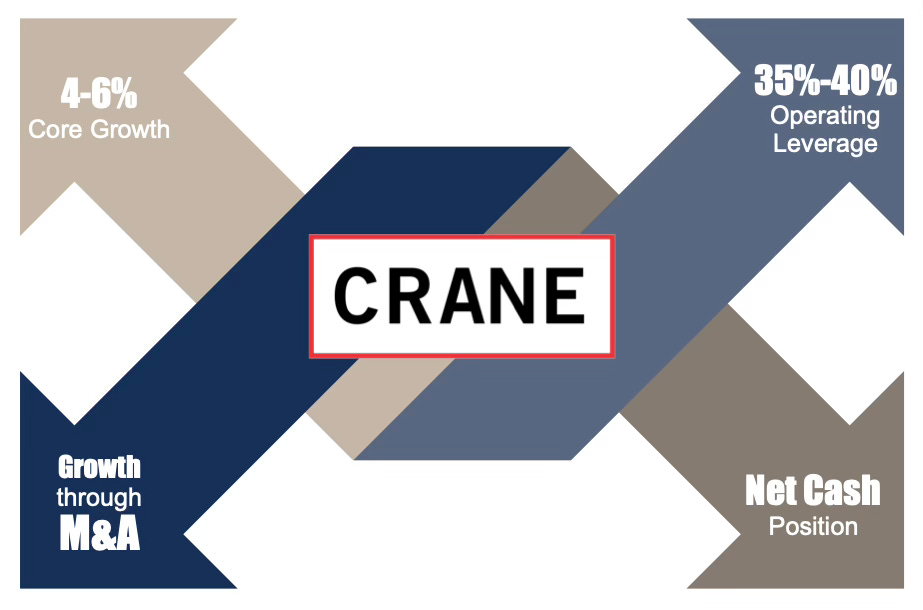
Crane Co. sells sole-source aerospace and process-control components, with 40% aftermarket revenue and margin expansion following its 2023…
Every publication on this site, hand-picked.
 Adam Schadt
 Albert Anthony
 Alexander Grover
 Andres Veurink
 Arizona Equity Research
 Bay Area Ideas
 Blake Winiecki
 Capital Connoisseur
 Crimson And Gold Research
 Cypriot Invests
 Dane Bowler
 Daniel Bell
 David Zanoni
 Deep Value Investing
 Dhierin Bechai
 Dilantha De Silva
 Dustin Quasney
 Elliott Gue
 Equity Eagle
 Eudaemon Research
 Fernanda Galvez Jalil
 Fountainhead Gary Gambino
 Geneva Investor
 Given Mahlangu
 Henrik Alex
 High Alpha Professor
 Ignacio Planas Gonzalez
 Infinity Curve
 Investor Overview
 IWA Research
 Jaden Mealy
 JR Research
 Julia Ostian
 Khaveen Investments
 Kurt Christensen
 Lee Bailey
 LL Insights
 Long Player
 Marc Gerstein
 Melissa Tucker
 Mike Arnold
 Mike Zaccardi, CFA, CMT
 Miletus Research
 Motti Sapir
 Myriam Alvarez
 Petri Dish Reports
 Philip Wang
 Prakhar Agarwal, CFA
 PropNotes
 PV Research
 Quantryon Capital
 Robert J. Lake
 Ron Ferrie
 Rubicon Associates
 Ryan Canady
 Sam Mancini
 Seeking Profits
 Sharon McArd
 SiliconBytes Insights
 Simple Investment Ideas
 Sorrento Research
 Stephen Ayers
 Steven Fiorillo
 The Alpha Analyst
 The Asian Investor
 The Bullionaire
 The Curious Analyst
 The J Thesis
 The Market Auditor
 The Supercycle Investor
 The Undercovered Dozen
 Tim Travis
 Uttam Dey
 Value Capital Research
 Vishal Jadaun
 Zoltan Ban
Every account on this site, hand-picked.
 ⚽️📡
 💥PETITION💥
 A Capital
 absreturnchaser
 Adam D. Wyden
 Alpha Vulture
 AltayCap
 Asif Suria
 Bank Reg Blog
 Barbarian Capital
 BDC
 Bill Ackman
 Brian McGough
 Broken Moats
 BuccoCapital Bloke
 Calvin Blissett
 catechwilliams
 Charles Frischer
 Chris Camillo
 Clark Square Capital
 Cluseau Investments
 Colin King
 Connor Haley
 Conor Maguire | Value Situations
 Convequity
 Dalius - Special Sits
 David Orr
 Deep Sail Capital
 Derek Pilecki
 Devin LaSarre
 DOMO Capital Management, LLC
 Edwin Dorsey
 Evan Tindell
 Fajasy
 Farmer
 Fierce_beast
 Fred Liu
 Gavin Baker
 George Noble
 Hunterbrook
 Ian Bezek
 Idea Brunch
 JabroniCoin.USD
 John_Hempton
 junkbondinvestor
 kab60
 KEDM.com
 Kevin Mak
 Kuppy
 Laughing Water Capital
 Lee Roach
 Little Owl Research
 Maius
 Maj Soueidan
 marginofdanger
 mavix
 Mike
 Mikro Kap David
 Mr Neutral Man aka "Howard Marks of REITs”
 Multiples Capital
 Myles
 Nat Stewart
 Negligible Capital
 Odd Diligence
 Odd Lot Arbitrageur
 PAA Research
 Paradis
 Pernas Research
 Porter Collins
 Prepared Remarks
 Psyop Capital
 Raging Capital Ventures
 Red Dog Capital RiverRoadPartners
 Rohan Pavuluri
 Rusholme Capital
 Sahil Khetpal
 Serenity
 SG
 Sheel Mohnot
 SouthernValue
 Steve Eisman
 The Friendly Bear
 Tim Eriksen
 Timyan Bank Alert
 Todd Wenning
 ToffCap
 Trevor Scott
 Undiscovered Compounders
 Voss Capital
 Yaron Naymark
Ordered by how often our editor reaches for them.