Meta ties AI agents and Meta Connect to its enterprise-platform opportunity.
BL Stratechery by Ben Thompson – On the business, strategy, and impact of technology. 33h ago 8 clicks
Stratechery’s weekly bundle covers Apple HomeView and SpaceX’s cellular ambitions.
BL Stratechery by Ben Thompson – On the business, strategy, and impact of technology. 33h ago 2 clicks
Bumble agreed to a $1.3 billion take-private deal, while Netflix cut about 1,000 jobs and Meta discussed its Muse superintelligence models.
S TSOH Investment Research 36h ago 7 clicks
GE Vernova’s 116 GW gas-turbine backlog and $5 billion in early-2026 data-center orders target AI-driven electricity demand, though its…
SA Todd Feldman 46h ago 2 clicks CoreWeave’s debt and equity price action is framed as a wake-up call for investors amid a broader market discussion.
S WHAT ARE WE DOING? “Contrarians At The Gate” Oct 15 51 clicks
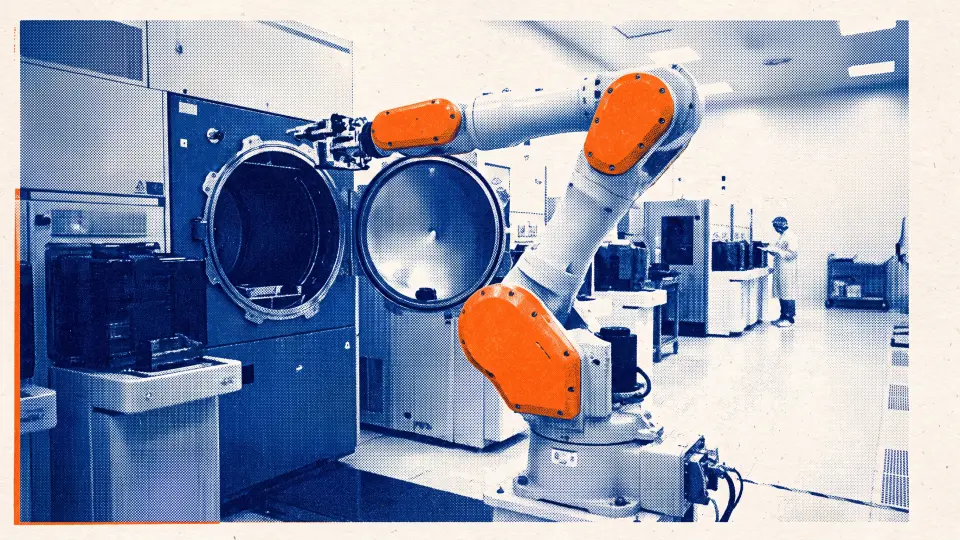
ASML’s patent filings point to a track-based die-to-wafer hybrid bonding tool that could challenge Besi in advanced logic packaging.
S SemiAnalysis Oct 15 11 clicks
CoreWeave’s 2032 notes yield over 15%, signaling a 54% default probability as borrowing costs exceed rental yields on AI infrastructure…
SA Dustin Quasney Oct 15 21 clicks AppLovin rebuilt its ad model with AXON 2.0, lifting LTM revenue to about $7 billion and margins to 77% as Unity competition threatens…
BL Speedwell Research Oct 15 24 clicks
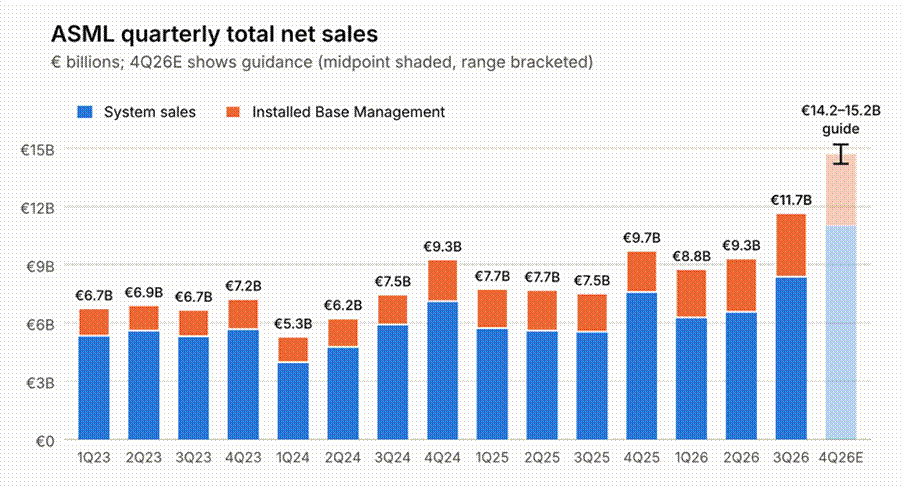
ASML reported €11.7 billion in 3Q 2026 sales, up 55%, and raised full-year guidance to €44–45 billion as AI-driven semiconductor demand…
S MBI Deep Dives Oct 15 11 clicks
Berkshire Hathaway trades at 1.46 times book as reinsurance pricing pressure, softer P&C, concentrated equities and cash weigh on its…
SA Pearl Gray Equity and Research Oct 15 3 clicks LLY · long Eli Lilly trades at 33 times this year’s earnings and 26 times next year’s, versus roughly 12 times for big pharma peers.
BL Value Investors Club Jul 18 1 click
Kraft Heinz expects brand investment and productivity gains to restore sales growth and protect 2027 margins against 4-5% cost inflation.
SA The Alpha Analyst Oct 15 1 click Marvell is positioning networking, optical connectivity and server-management chips as AI data centers link GPUs, custom accelerators and…
S scuttleblurb Oct 15 12 clicks
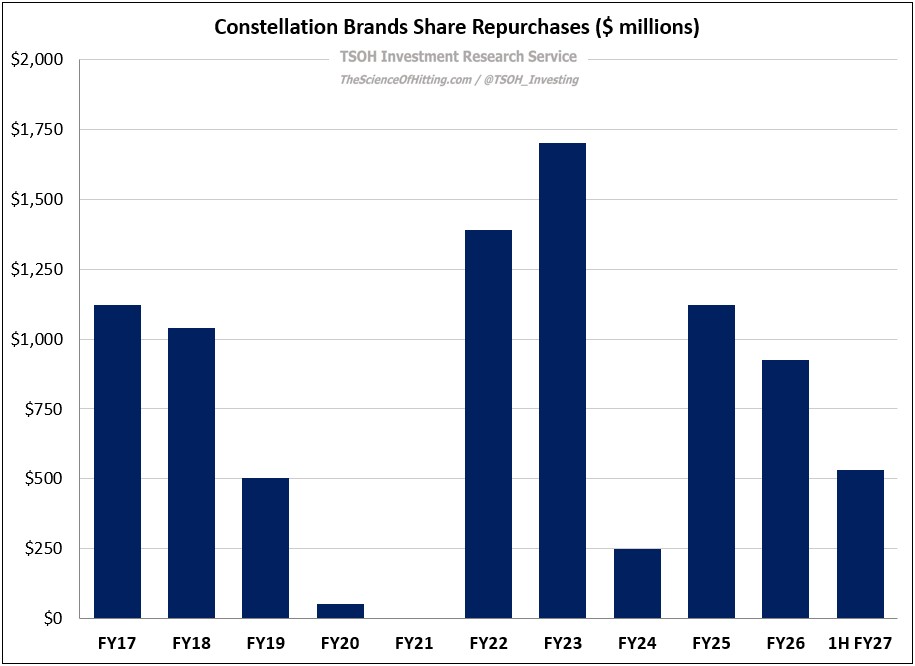
Constellation Brands trades near $127 at roughly 11x next-twelve-month EV/EBIT, with recent business results offsetting concerns over…
S TSOH Investment Research Oct 15 27 clicks
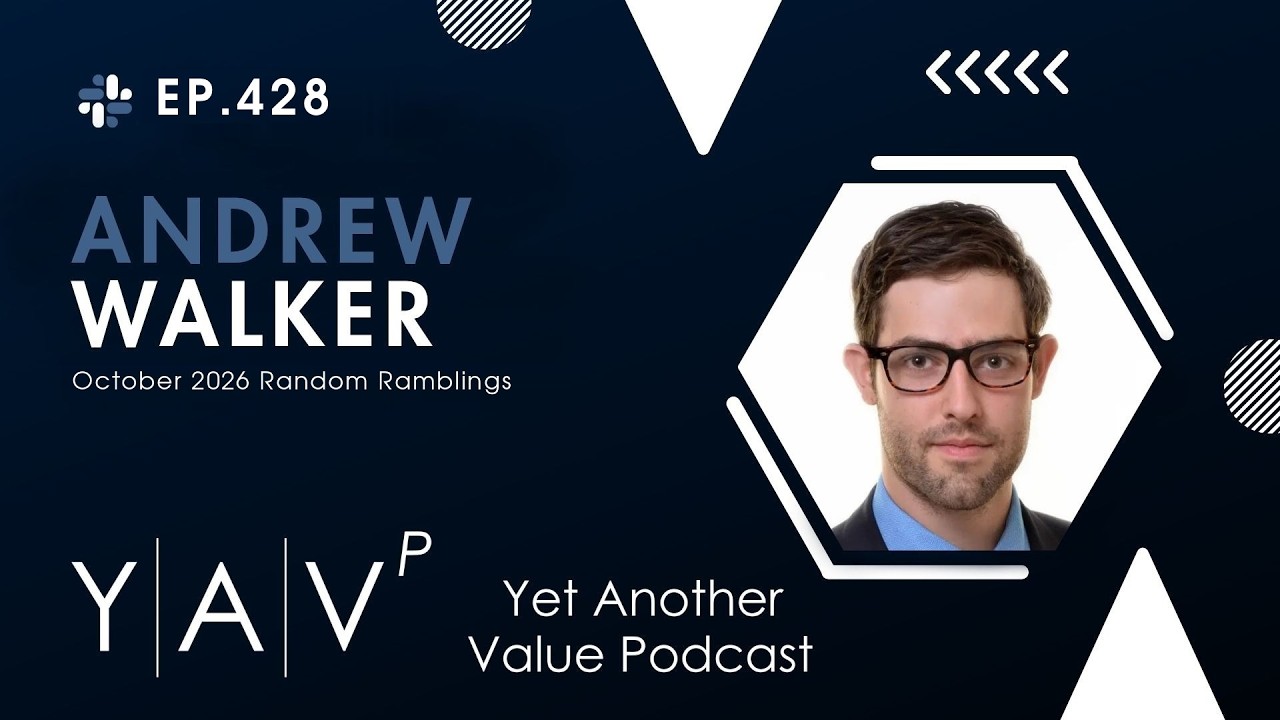
SA Fundamental Options Oct 15 2 clicks October 2026 market commentary covers SOLS’s cancelled merger, a hypothetical Starbucks-Chipotle deal, Russell 2000 weakness and AI…
YT Yet Another Value Podcast Oct 14 87 clicks
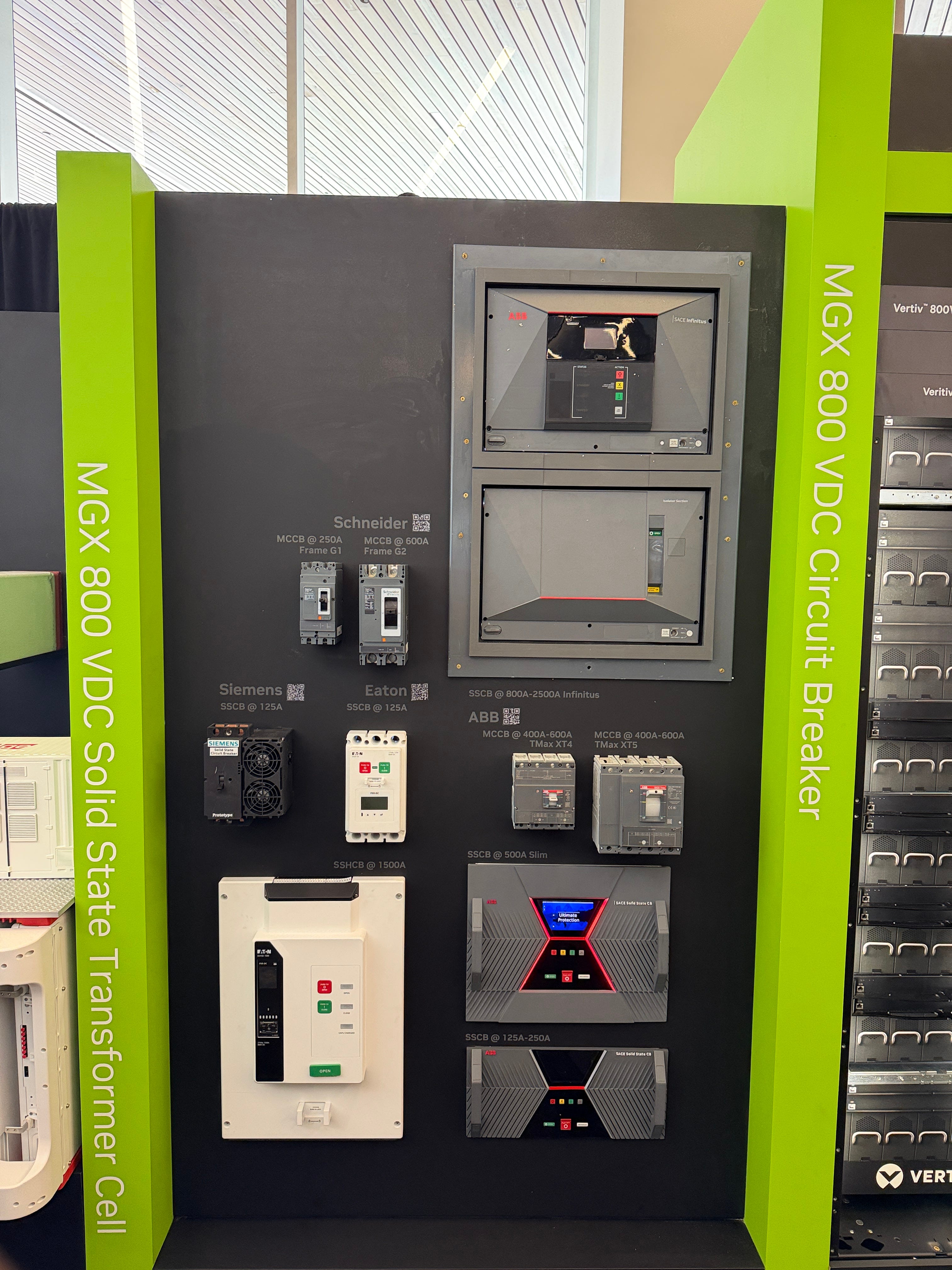
Nvidia’s Ian Buck says CUDA’s software ecosystem, GPU flexibility and annual Vera Rubin upgrades lower token costs as agentic AI pushes…
S Key Context by Tae Kim Oct 14 4 clicks
CoreWeave faces fresh skepticism as another AI trade selloff collides with bullish defenses of the company.
BL The Technology Letter Oct 14 6 clicks
Ari Emanuel discusses AI’s impact on Hollywood, live events, social networks and the future of advertising.
BL Stratechery by Ben Thompson – On the business, strategy, and impact of technology. Oct 14 7 clicks
RTX’s $289 billion backlog, including $119 billion in defense, supports growth from defense contracts and commercial aerospace aftermarket…
SA Blake Winiecki Oct 14 4 clicks