Cerebras CEO Andrew Feldman discusses wafer-scale AI chips, 3D DRAM, token economics, orbital compute and the company’s planned 700 MW…
S P Equity Research 4 clicks
Builders FirstSource targets $350 million in annual sales growth above the market by winning more products per home and deepening local…
S scuttleblurb 4 clicks
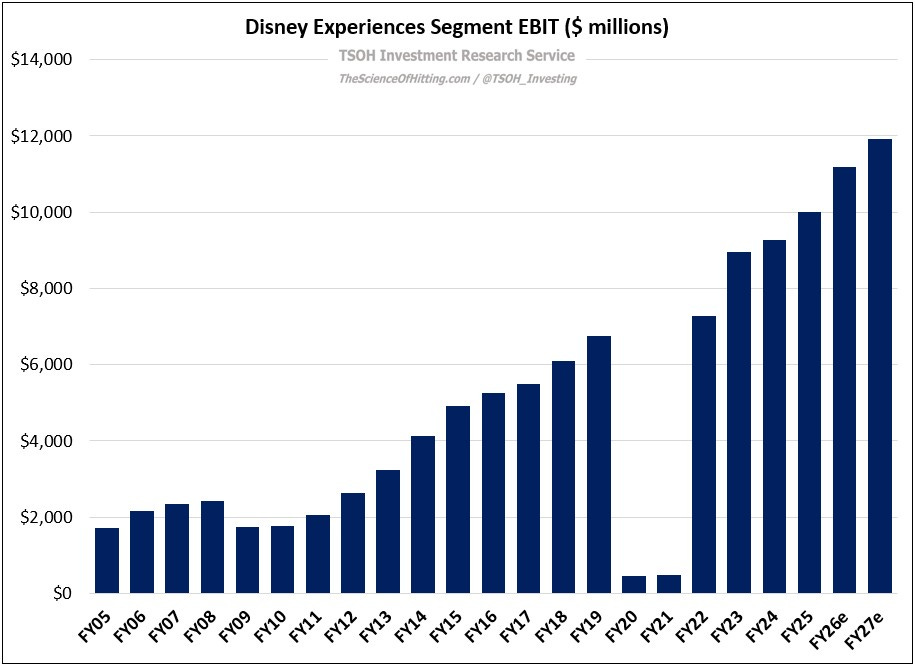
Disney raised adjusted EPS about 16% in FY26 despite double-digit declines in U.S.
S TSOH Investment Research 5 clicks

Anthropic’s $1.5 trillion IPO tests whether frontier AI models can sustain a moat as open-weight rivals close the gap and performance costs…
S Latticework by MOI Global 3 clicks
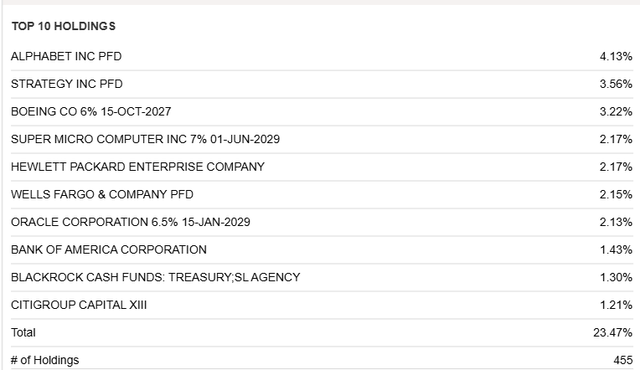
Latin American banks INTR, NU and AVAL reported solid quarters, while preferred-stock ETF distortions create opportunities in individual…
S Ian’s Insider Corner 5 clicks

Zscaler shares surged after agreeing to acquire CrowdStrike in an all-stock deal, as CEO Jay Chaudhry outlined the transaction’s logic.
BL The Technology Letter 3 clicks

Carson Block’s Nvidia short thesis links former Nvidia and Super Micro executives to alleged chip smuggling, arguing China export-control…
YT The Monetary Matters Network 5 clicks

Nebius shares have fallen 73% from their peak as delayed Microsoft capacity and $67-72 billion of planned 2026-27 capex raise financing and…
S Hated Moats 5 clicks
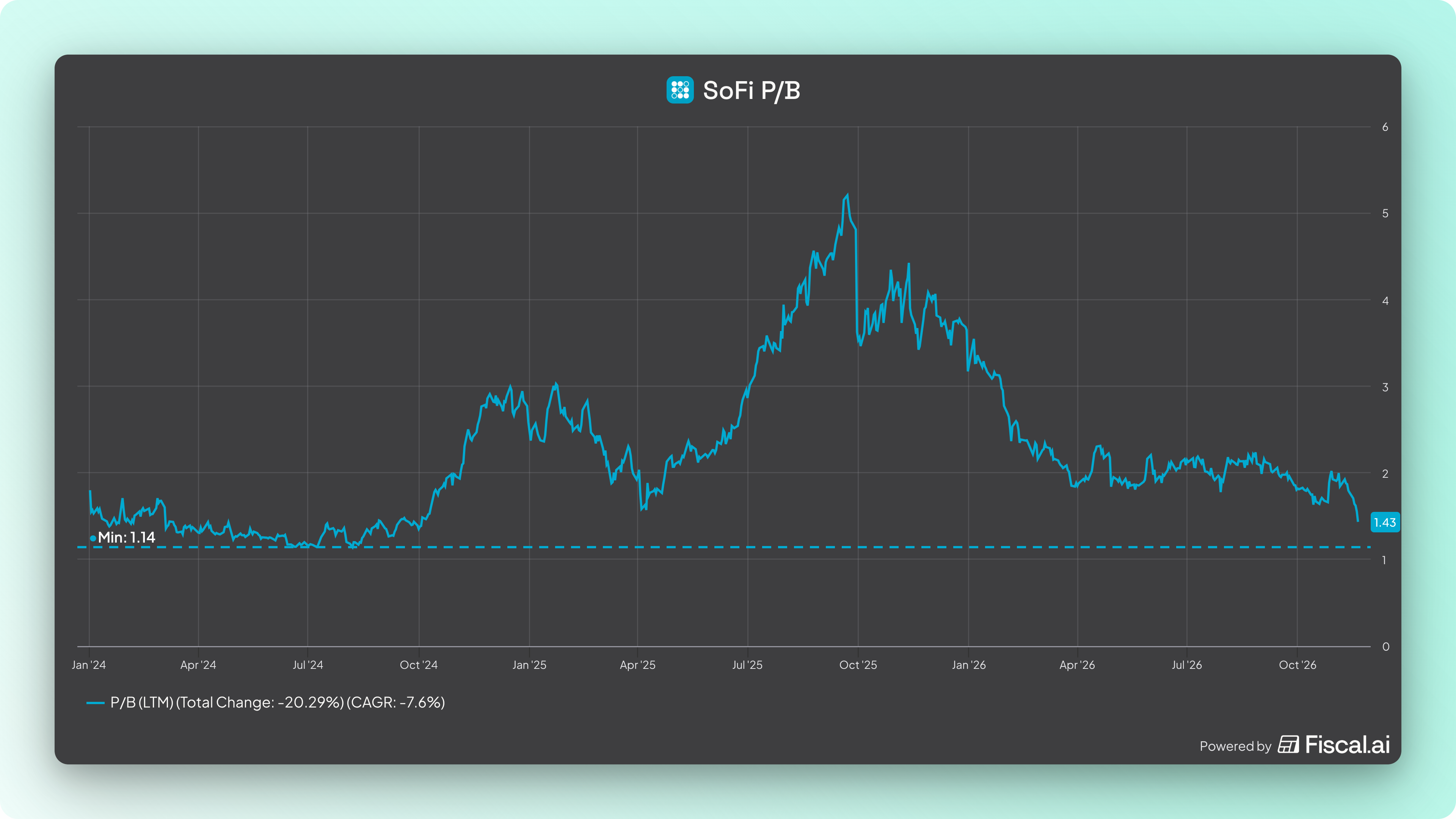
TPG’s $63.25-a-share takeout of Bill Holdings shifts coverage to SoFi, whose drawdown follows strong customer and deposit growth and recent…
S Emerging Moats Research 4 clicks

Sage’s FY26 results and FY27 guidance maintain roughly 10% revenue growth and margin expansion, with shares at 1,123.1p and valued near 23…
S Librarian Capital's Research Library 6 clicks
 BSX · long
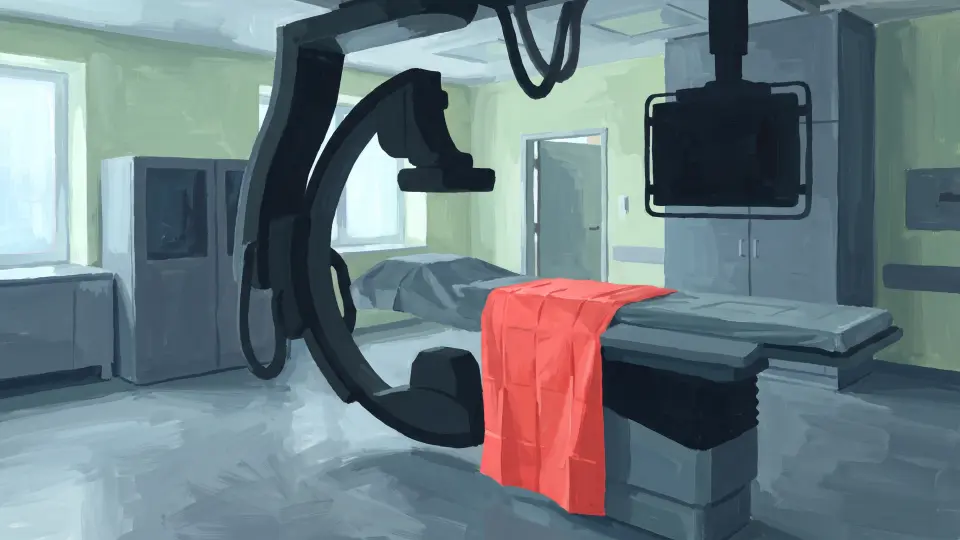
Boston Scientific, the interventional cardiac-device leader, is rated long after a share-price and P/E decline tied to slower market growth…
BL Value Investors Club 2 clicks

A2Gold’s first Taylor drill holes returned 20.96 g/t AuEq over 1.5m and 209.4 g/t silver over 10.7m, alongside 141.10 g/t gold at…
BL Atrium Research - Equity Research 3 clicks
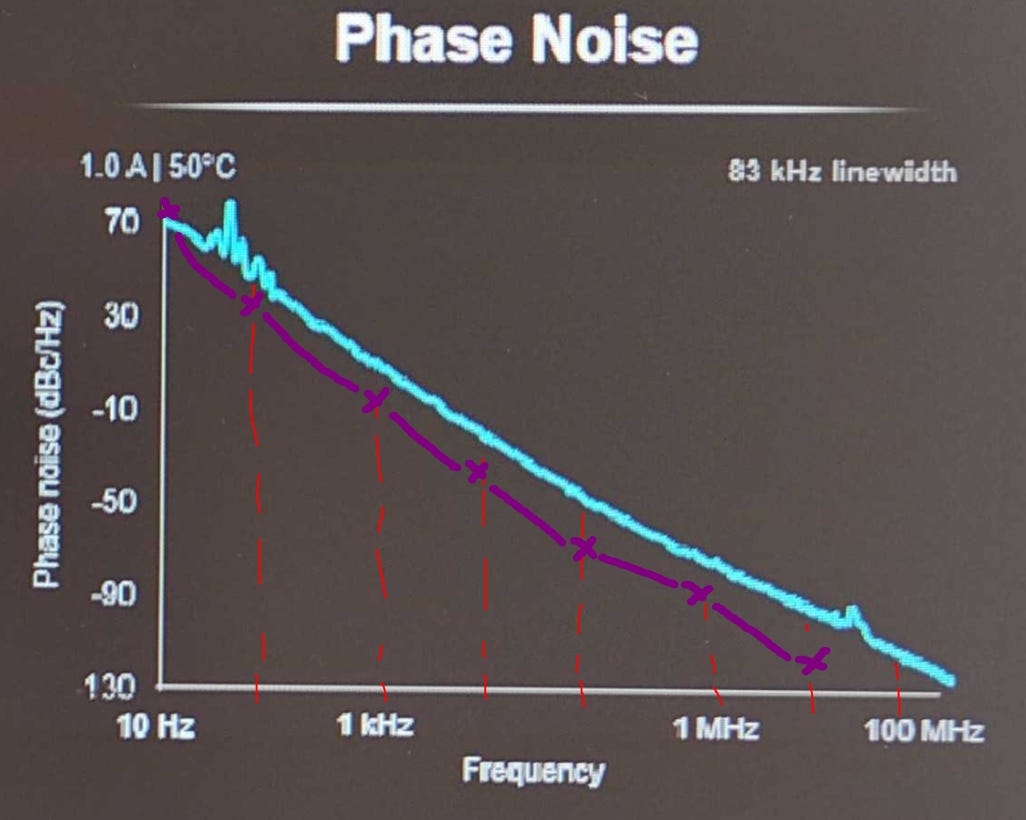
Coherent’s CPO/NPO laser misses 1 MHz effective-linewidth requirements, Irrational Analysis argues.
S Irrational Analysis 3 clicks

Teradyne, ams OSRAM, Lumentum and Coherent introduced microLED, VCSEL and DWDM products targeting optical interconnects for AI data-center…
S Vik's Newsletter

Pfizer offers a 6.22% yield at 9.3 times 2026 consensus EPS, backed by cost cuts and 5% operational growth in its non-COVID portfolio.
SA  Steven Fiorillo 1 click

CoStar spent more than $1 billion building Homes.com to challenge Zillow, betting seller-agent leads, proprietary listing content and…
S scuttleblurb 6 clicks
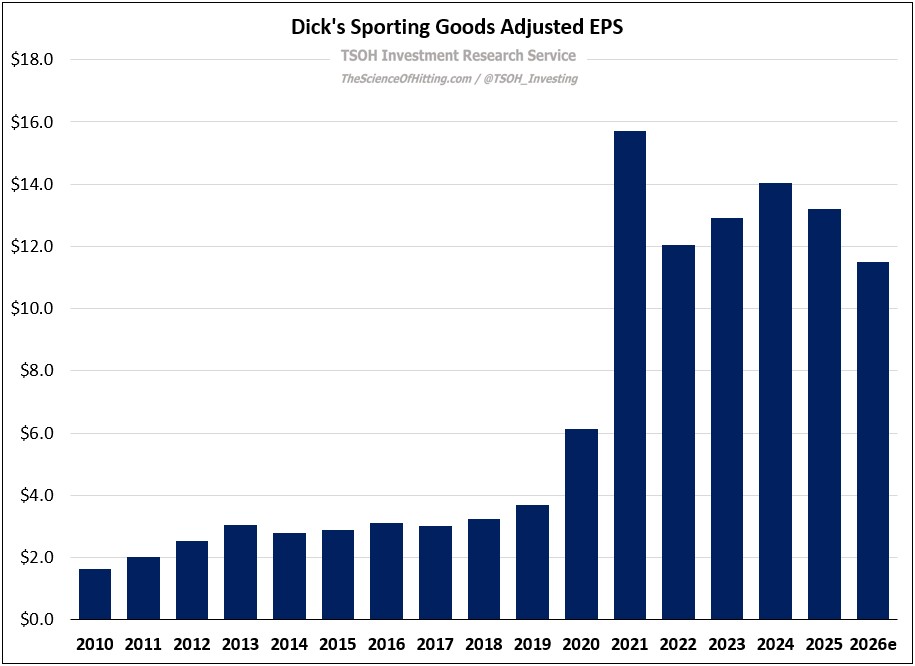
Dick’s Sporting Goods’ $2.4 billion Foot Locker acquisition nearly quadruples its store count and adds international exposure, risking a…
S TSOH Investment Research

Goldman Sachs posted $20.98 in Q2 EPS on $20.3 billion of revenue and raised its dividend to $5 per share, with M&A and issuance activity…
SA  Mike Zaccardi, CFA, CMT 2 clicks

Latticework’s weekly briefing spotlights discounted European assets including Barco, Bolloré, Brookfield and D’Ieteren, with catalysts…
S Latticework by MOI Global 4 clicks

Genuine Parts targets NAPA network improvements, Motion’s industrial recovery and a 2027 Automotive-Industrial separation to lift sales,…
SA  Value Capital Research 2 clicks