Post Q3 EVC Update
EVC's Q3 update cites $30 million for a single station, a broadcast-business sale and stronger positioning for 2027.
EVC's Q3 update cites $30 million for a single station, a broadcast-business sale and stronger positioning for 2027.
$OMER The company just issued 500k shares to the CEO. The grants are four 125k tranches. They vest at $25, $30, $35 and $40 over the next five years. I love seeing this type of incentive structure and wish more companies did it this way. At $40, shares have to be up 120%.
$OMER I don't think any CEO would accept this type of compensation structure unless they had extremely strong conviction of hitting these targets. I think the CEO knows he will likely hit them based upon the information the company already has about Yartemlia sales. https://t.co/O6Z2Nc1wmx
@jclarkson203 $soxx is up 54% past 12 months, maybe wait for a dip.
Continue reading here for how $TOYO plans to pay for the $357M cell plant it wants to build next to its panel plant: https://t.co/76t1GCSzlU
I like snacks,… but this is looking like a meal… @Mark_Penn @jayleveton @ballan11 $STGW https://t.co/PYMi8Q33nJ
$SOXL not far from worst say since March 11, 2010 inception https://t.co/pYMYtoBnq3
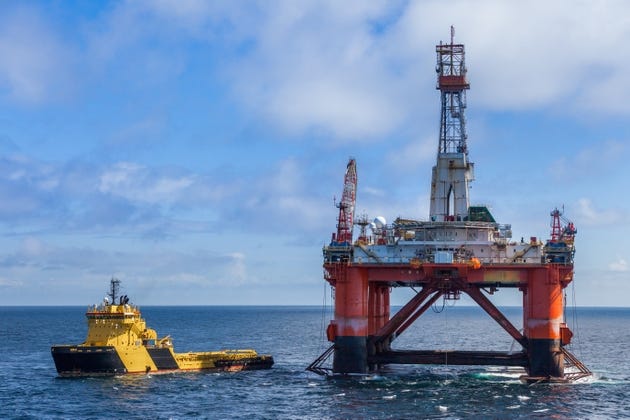
Transocean’s 25.6% selloff reflects oil-market shorting and weak Q3 headlines, while debt reduction after the Valaris acquisition could…
CareCloud rebuilt its sales organization under Christopher Langehaug after 18 months without a sales leader, with a second sales rep…

Alpha Metallurgical posted a third consecutive quarterly loss as High Vol A coal margins fell to $14 a ton, while director Kenneth Courtis…

Shift4’s Q3 met guidance, but organic growth is decelerating, management credibility is weakening and leverage reduction remains too slow.
Diversified Energy reported $255.6 million of “true” nine-month free cash flow, while its $1.8 billion Birch acquisition would shift…

Vicor earns a Strong Buy after record Q3 results and AI gains, while QXO falls to Hold over capital structure and execution risk.
 The Undercovered Dozen 1 click

CareCloud’s Q3 revenue rose 9% through acquisitions but fell 8% pro forma; the RCM consolidator targets 25–30% margins by shifting acquired…

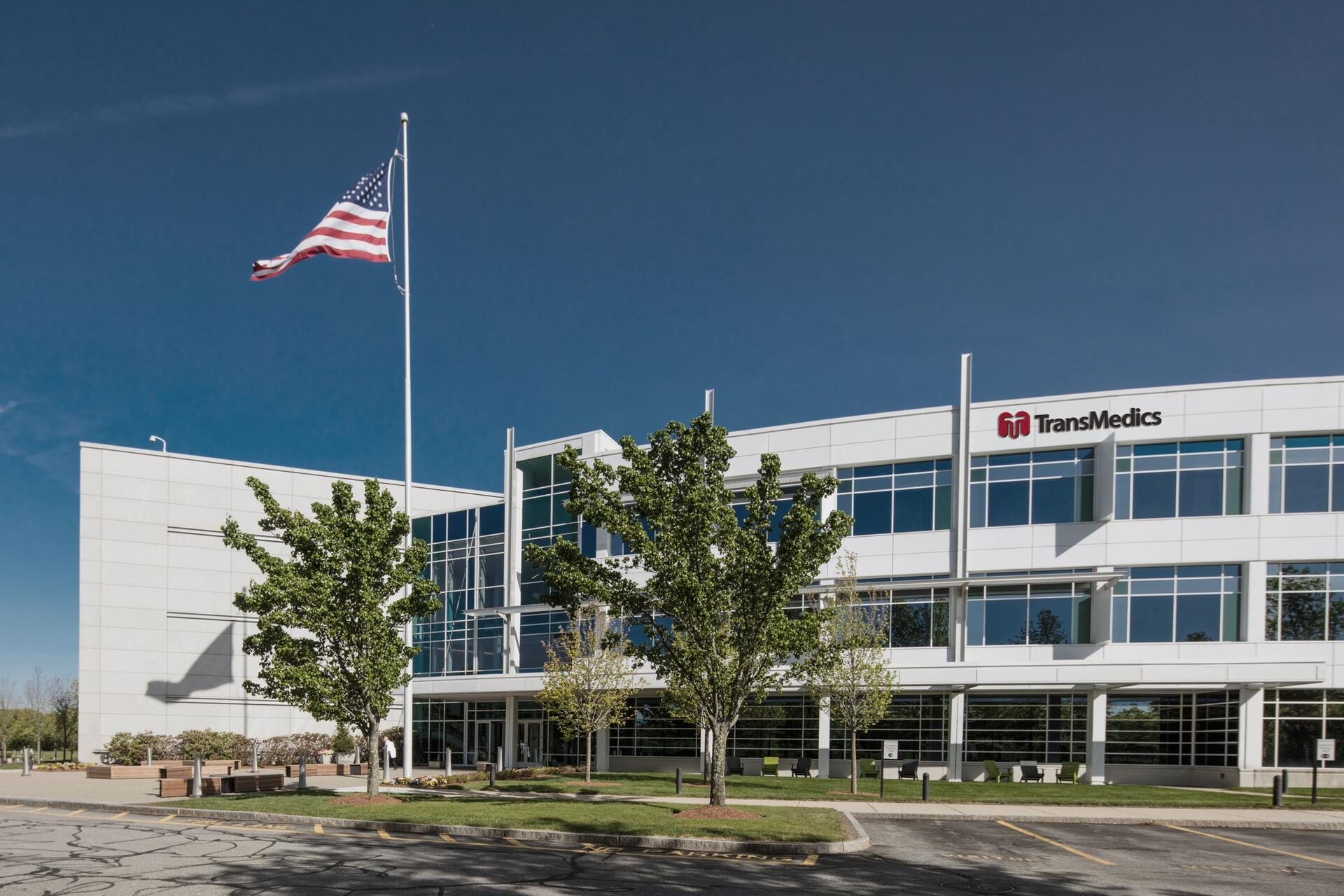
TransMedics reported record Q3 2026 revenue exceeding $200 million, driven by its organ transplant technology business.

JFrog jumped 35% to $100.44 after another beat-and-raise quarter, joining the TL20 Special Situations group.
 AAP · long
Advance Auto Parts, AAP, is presented as a long idea following prior write-ups at $48.81 per share in January 2025.
 Vince Martin 6 clicks

Twist Bioscience’s $200 rebound followed an Anthropic-linked short squeeze, yet its DNA and protein services face broad competition while…

Vishay reported record Q3 revenue of $979 million, up 24%, and guided Q4 to about $990 million as rising backlog and margins contrast with…
AutoNation, Lear, NexPoint, AudioCodes and Xponential Fitness lead a 52-situation screen spanning buybacks, insider purchases, M&A and…

Array Technologies and Shoals Technologies plan to merge, targeting cross-selling and cost synergies as ARRY's order book holds firm and…
 Caffital Research 3 clicks
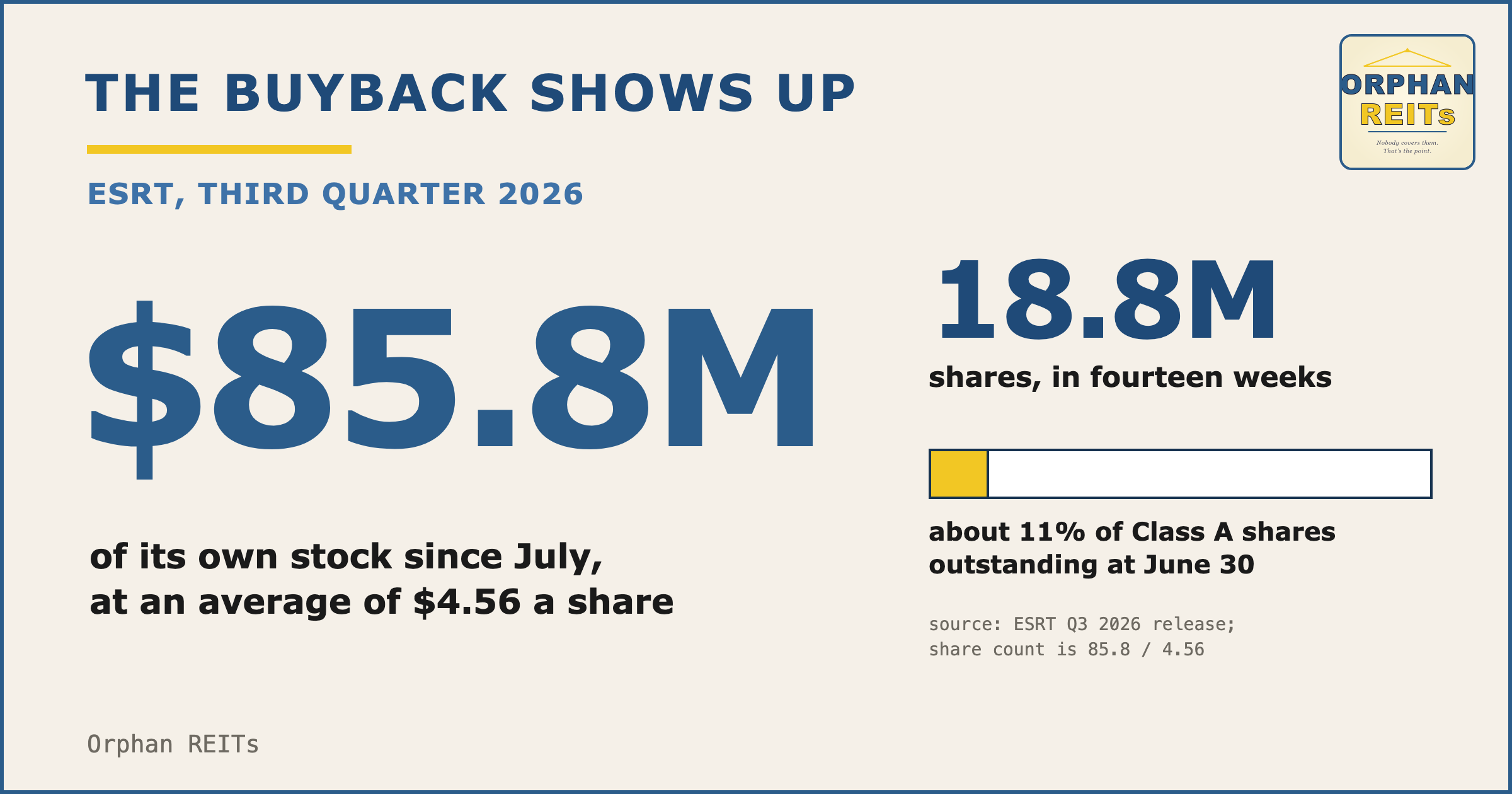
Empire State Realty Trust repurchased $85.8 million of shares at $4.56 each, using 1359 Broadway sale proceeds to fund buybacks and debt…

Warrior Met Coal’s Blue Creek mine cut costs to about $93 a ton, offsetting a wider discount for High Vol A coking coal as US supply…

AMSC and Datadog will be fine, while SiTime is worth a closer look.

Aurelion Research increased healthcare exposure and sees opportunities in banking and defense, alongside research on Alcoa, Nike, ONON and…
Every publication on this site, hand-picked.
 Adam Schadt
 Albert Anthony
 Alexander Grover
 Andres Veurink
 Arizona Equity Research
 Bay Area Ideas
 Blake Winiecki
 Capital Connoisseur
 Cypriot Invests
 Dane Bowler
 David Zanoni
 Deep Value Investing
 Dhierin Bechai
 Dilantha De Silva
 Dustin Quasney
 Elliott Gue
 Equity Eagle
 Eudaemon Research
 Fernanda Galvez Jalil
 Fountainhead
 Geneva Investor
 Given Mahlangu
 Henrik Alex
 High Alpha Professor
 Ignacio Planas Gonzalez
 Infinity Curve
 Investor Overview
 IWA Research
 Jaden Mealy
 JR Research
 Julia Ostian
 Khaveen Investments
 Kurt Christensen
 Lee Bailey
 LL Insights
 Long Player
 Marc Gerstein
 Melissa Tucker
 Mike Arnold
 Mike Zaccardi, CFA, CMT
 Miletus Research
 Motti Sapir
 Myriam Alvarez
 Petri Dish Reports
 Philip Wang
 Prakhar Agarwal, CFA
 PropNotes
 PV Research
 Quantryon Capital
 Robert J. Lake
 Ron Ferrie
 Rubicon Associates
 Ryan Canady
 Sam Mancini
 Seeking Profits
 Sharon McArd
 SiliconBytes Insights
 Simple Investment Ideas
 Sorrento Research
 Stephen Ayers
 Steven Fiorillo
 The Alpha Analyst
 The Asian Investor
 The Bullionaire
 The Curious Analyst
 The J Thesis
 The Market Auditor
 The Supercycle Investor The Undercovered Dozen
 Tim Travis
 Uttam Dey
 Value Capital Research
 Vishal Jadaun
 Zoltan Ban
Every account on this site, hand-picked.
 ⚽️📡
 💥PETITION💥
 A Capital
 absreturnchaser
 Adam D. Wyden
 Alpha Vulture
 AltayCap
 Asif Suria
 Bank Reg Blog
 Barbarian Capital
 BDC
 Bill Ackman
 Brian McGough
 Broken Moats
 BuccoCapital Bloke
 Calvin Blissett
 catechwilliams
 Charles Frischer
 Chris Camillo
 Clark Square Capital
 Cluseau Investments
 Colin King
 Connor Haley
 Conor Maguire | Value Situations
 Convequity
 Dalius - Special Sits
 David Orr
 Deep Sail Capital
 Derek Pilecki
 Devin LaSarre
 DOMO Capital Management, LLC
 Edwin Dorsey
 Evan Tindell
 Fajasy
 Farmer
 Fierce_beast
 Fred Liu
 Gavin Baker
 George Noble
 Hunterbrook
 Ian Bezek
 Idea Brunch
 JabroniCoin.USD
 John_Hempton
 junkbondinvestor
 kab60
 KEDM.com
 Kevin Mak
 Kuppy
 Laughing Water Capital
 Lee Roach
 Little Owl Research
 Maius
 Maj Soueidan
 marginofdanger
 mavix
 Mike
 Mikro Kap David
 Mr Neutral Man aka "Howard Marks of REITs”
 Multiples Capital
 Myles
 Nat Stewart
 Negligible Capital
 Odd Diligence
 Odd Lot Arbitrageur
 PAA Research
 Paradis
 Pernas Research
 Porter Collins
 Prepared Remarks
 Psyop Capital
 Raging Capital Ventures
 Red Dog Capital RiverRoadPartners
 Rohan Pavuluri
 Rusholme Capital
 Sahil Khetpal
 Serenity
 SG
 Sheel Mohnot
 SouthernValue
 Steve Eisman
 The Friendly Bear
 Tim Eriksen
 Timyan Bank Alert
 Todd Wenning
 ToffCap
 Trevor Scott
 Undiscovered Compounders
 Voss Capital
 Yaron Naymark
Ordered by how often our editor reaches for them.