Bloom may have reopened imports of scandium-containing components from China to the United States, according to new trade data.
BL Hunterbrook Oct 30 4 clicks
Markel spent $315 million repurchasing shares in Q3 as Thrive agreed to buy ADT for $7.6 billion and Hasbro cited rising adult toy demand.
S TSOH Investment Research Oct 30 1 click
Verisk Analytics’ 40 petabytes of proprietary insurance data and regulatory infrastructure shield its underwriting business from generative…
S First Strike Research Oct 30 7 clicks
Marvell’s reported Lumentum bid would combine DSPs, lasers and optical modules, but $4 billion of cash and $5 billion of debt point to a…
S Vik's Newsletter Oct 30 1 click
SoFi’s stock case hinges on interest rates, tangible book value and private-credit loan sales after its $1.5 billion equity offering.
S WHAT ARE WE DOING? “Contrarians At The Gate” Oct 29 3 clicks
Twilio CEO Khozema Shipchandler urged investors to “buy the dip” after earnings sent the software maker’s shares down 17% after hours.
BL The Technology Letter Oct 29 2 clicks
Incyte reported Q3 FY26 revenue of $1.56 billion, up 14%, while a $1.23 billion Vega acquisition charge drove a $708 million operating loss.
BL Cestrian Capital Research Oct 29 2 clicks
CoStar’s 3Q26 revenue growth slowed to 14% as bookings fell to $37 million, while cost cuts lifted EBIT margin to 8.8%.
S Speedwell Memos Oct 29 3 clicks
Carpenter Technology fell 25% after Q1 2027 despite revenue rising 9%, EPS up 34%, and commercial aerospace bookings up 25%.
S Monte Independent Investment Research Oct 29 3 clicks
Google’s AI search could improve ad economics, while Amazon protects its retail ad funnel from shopping agents and specialty insurers face…
S scuttleblurb Oct 29 1 click
Mattel, Winnebago and PayPal lead 37 special situations spanning activist campaigns, buybacks, M&A and strategic alternatives.
S Latticework by MOI Global Oct 29 2 clicks
Nebius secured $4.275 billion in credit facilities and trades at 3.8 times projected 2027 sales, with an AI credit crunch its main…
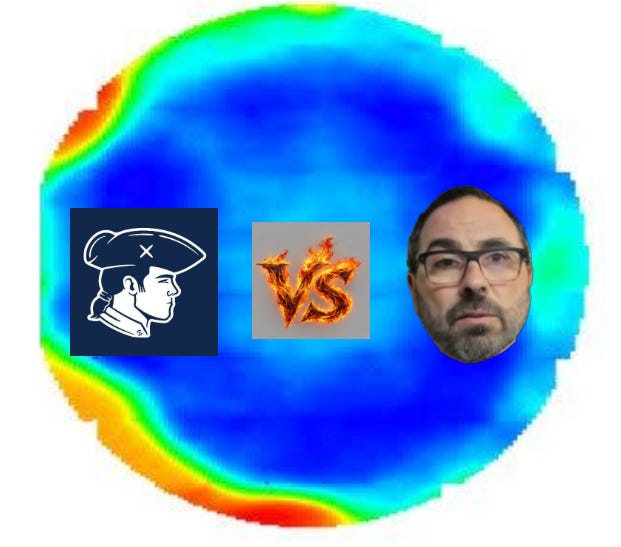
SA Infinity Curve Oct 29 Cerebras’ alleged electromigration issues hinge on temperature and voltage limits, not total power draw, while thermal variation and…
S Irrational Analysis Oct 28 3 clicks
CoStar’s 14% revenue growth, $37 million in net new bookings and 14% stock drop sharpen doubts that sales and marketing cuts can coexist…
BL Speedwell Research Oct 28 1 click
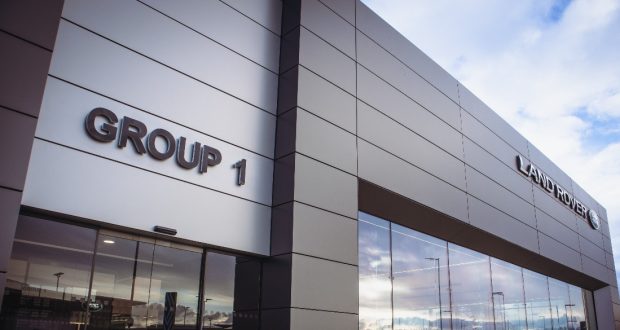
Group 1 Automotive trades at 5.5 times earnings as aging gasoline vehicles and EV repairs sustain service profits; insiders bought while…
S Cannibal Stocks Oct 28 1 click
Cerebras relies on OpenAI for almost all of its $25 billion backlog while renting AI capacity, raising questions over its semiconductor…
S Shallow Dives Oct 28 4 clicks
Cigna faces PBM margin pressure as employer fee demands and Signature transition costs outweigh specialty-drug growth, limiting profit…
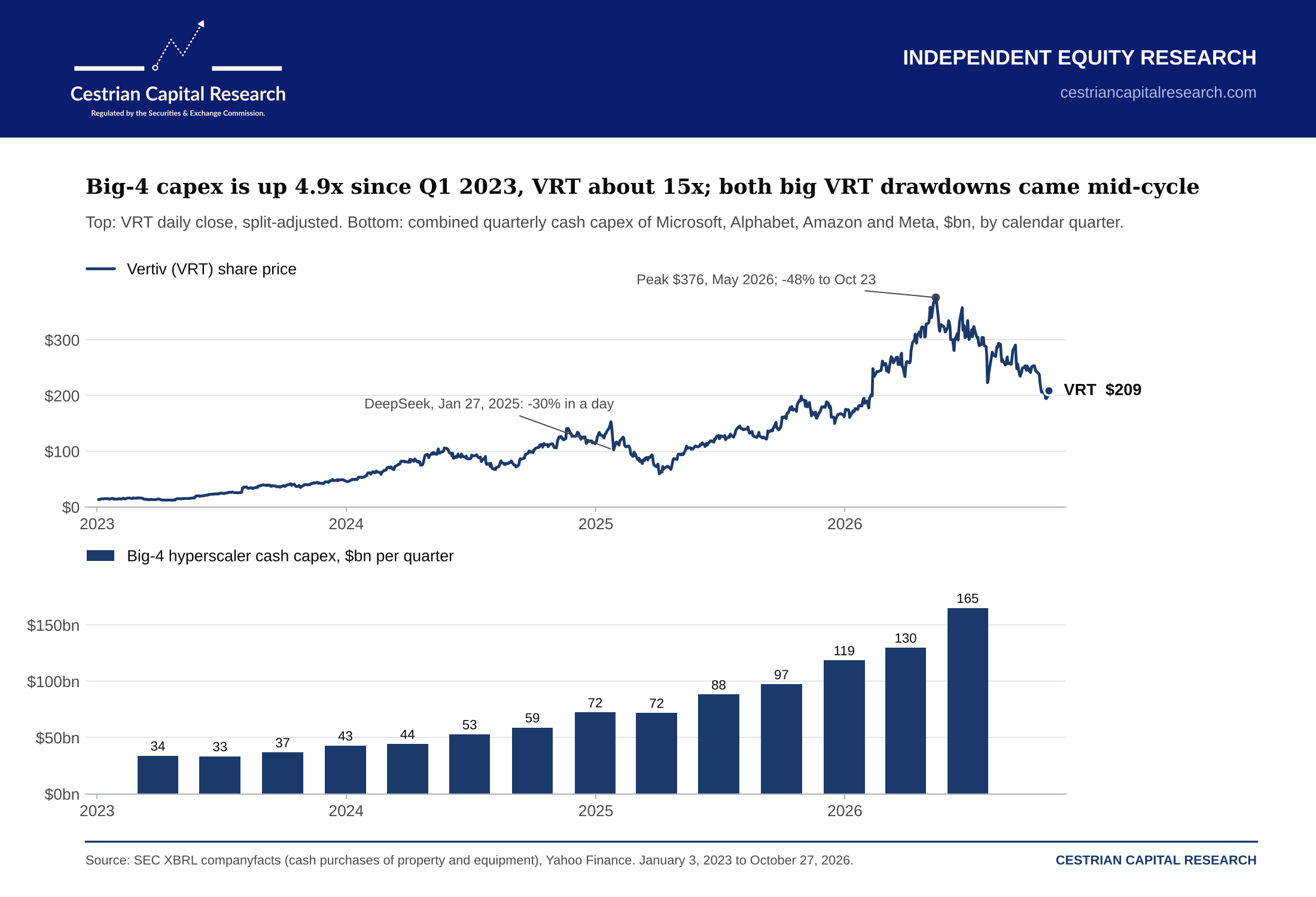
SA Narek Hovhannisyan Oct 28 1 click Vertiv beat Q3 revenue guidance by $460 million, grew organic sales 55%, and raised full-year revenue guidance by $650 million to a $14.65…
BL Cestrian Capital Research Oct 28 3 clicks
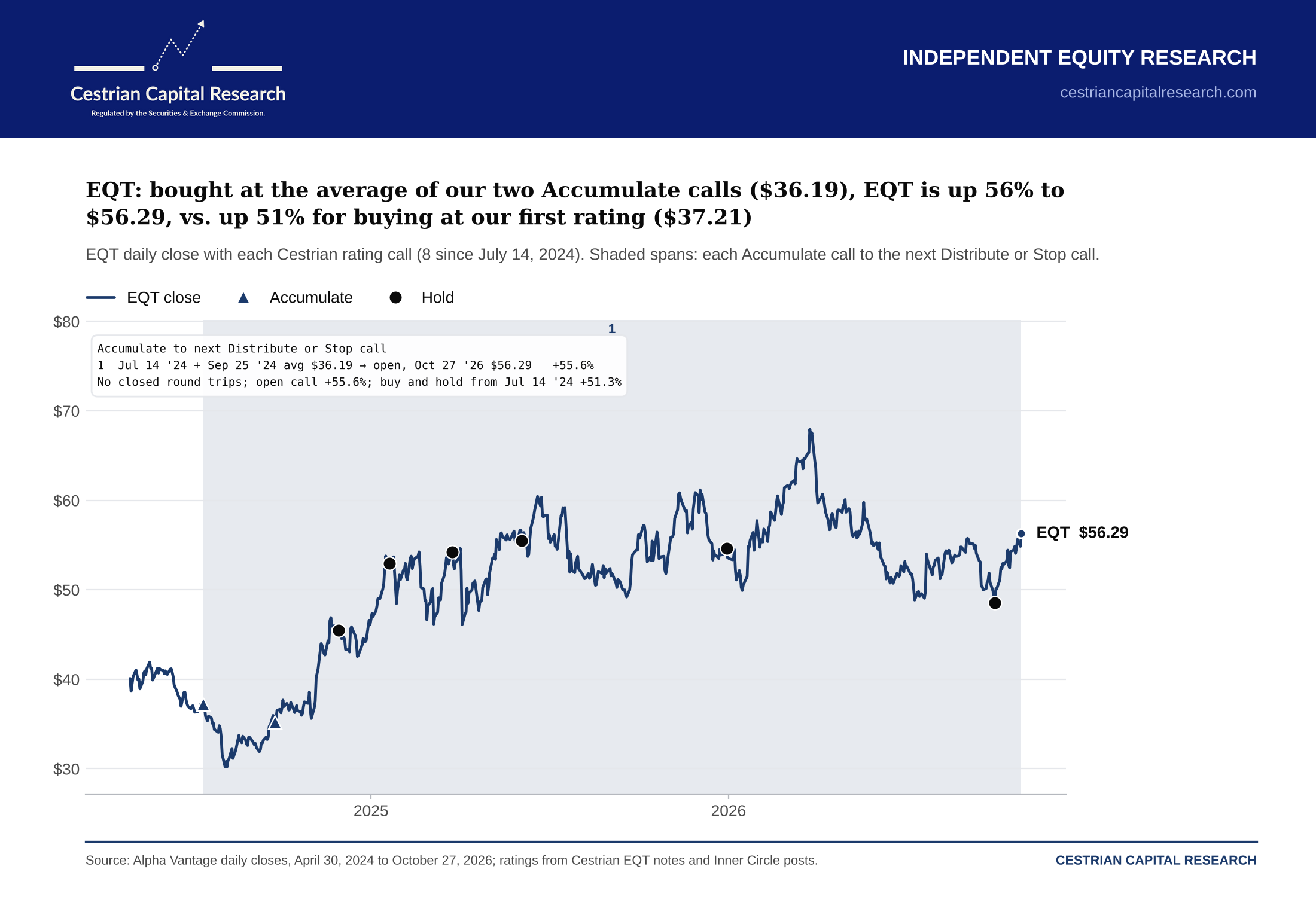
EQT moved to Distribute at $56.29 after Q3 revenue fell 9.6%; a 44% trailing free-cash-flow margin signals cycle risk despite lower debt…
BL Cestrian Capital Research Oct 27 2 clicks
Innodata shares fell 25% to $44.74 after India Today reported 550 job cuts in India.
BL The Technology Letter Oct 27 6 clicks