Stocks sell off - what I am looking at
Stocks sell off, with an update on SMC and other ideas.
Stocks sell off, with an update on SMC and other ideas.

> Democrats: "Let's ban new datacenters in the US" > Trump: "Let's ban new datacenters overseas" > $CRWV: ???

$DELL down over 50% since October highs

Google has narrowed OpenAI’s chatbot lead through Gemini distribution across Search, Android and Chrome, backing its AI stack with custom…

Meta and Nvidia show how founder-led strategy makes key-man risk central to long-term AI and Reality Labs spending.
Netflix’s WWE deal pairs 52 weeks of programming with its ad-supported tier, while Peter Rice takes over content amid layoffs and Bela…

Qualcomm’s Q4 FY2026 review assesses its semiconductor business, moat, financials and valuation amid a chip-sector rebound.

Intuit shares fell 9.8% after chatbots slowed Credit Karma, while QuickBooks grew mid-teens and FY27 guidance stayed unchanged.

Bloom Energy's revenue rose 138% year over year as data center moratoriums pressured its shares.

Ford trades 35% below its May 2026 high as investors treat Model e's roughly $4 billion annual loss as permanent despite higher EBIT…
 Jared Tan 1 click
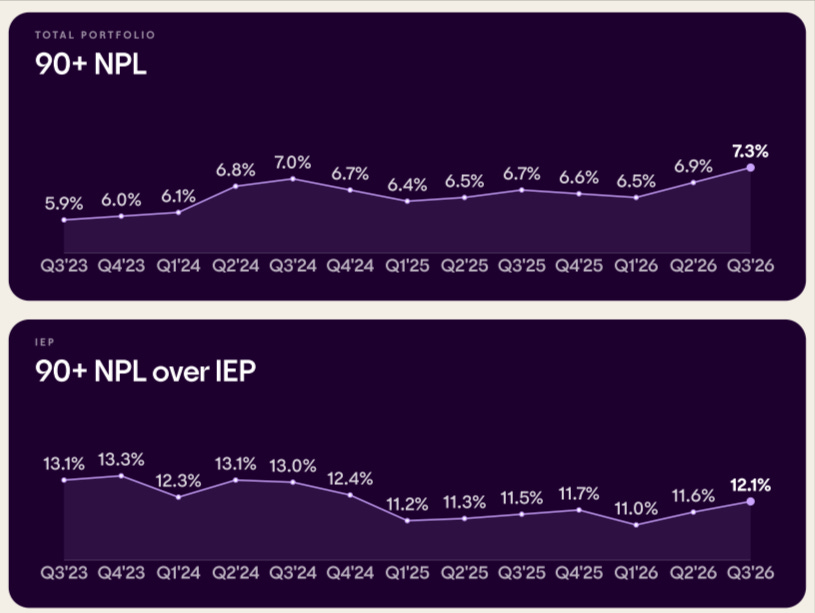
Nu Holdings is expanding banking in Brazil, Mexico, Colombia and the US while investors scrutinize Brazilian credit quality and lending…
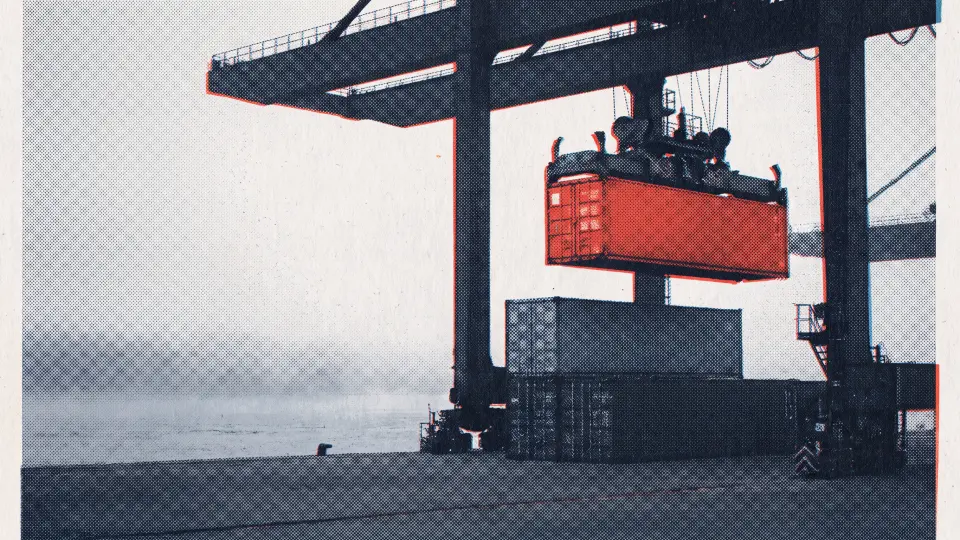
AMD and Nvidia sought licenses to export advanced AI chips to China; Commerce approved 300,000 of AMD’s 600,000 requested chips by May 11…

Sharp Tech launches on video with episodes on AI shopping and the iPhone Duo.
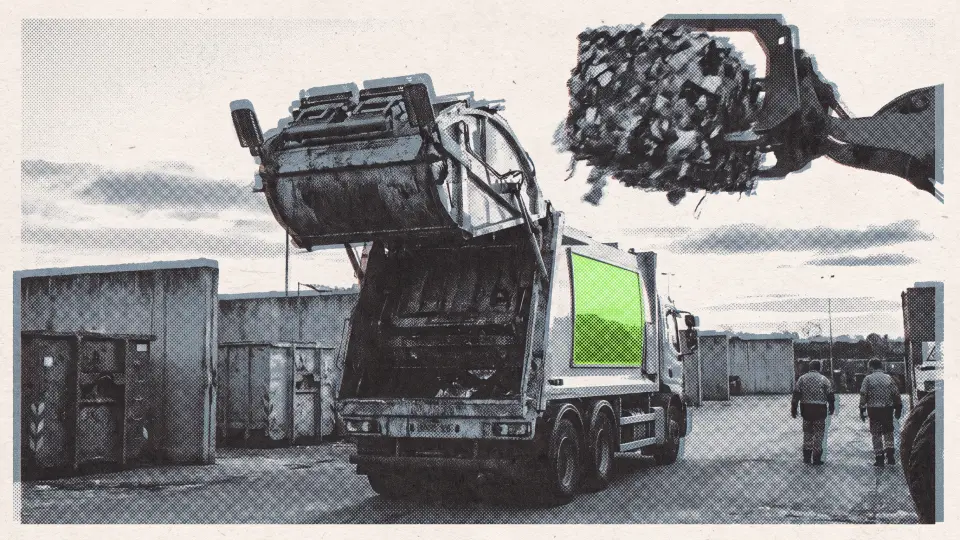 GFL · long
GFL Environmental, North America’s fourth-largest waste manager with a US$19 billion market cap, is pitched long.
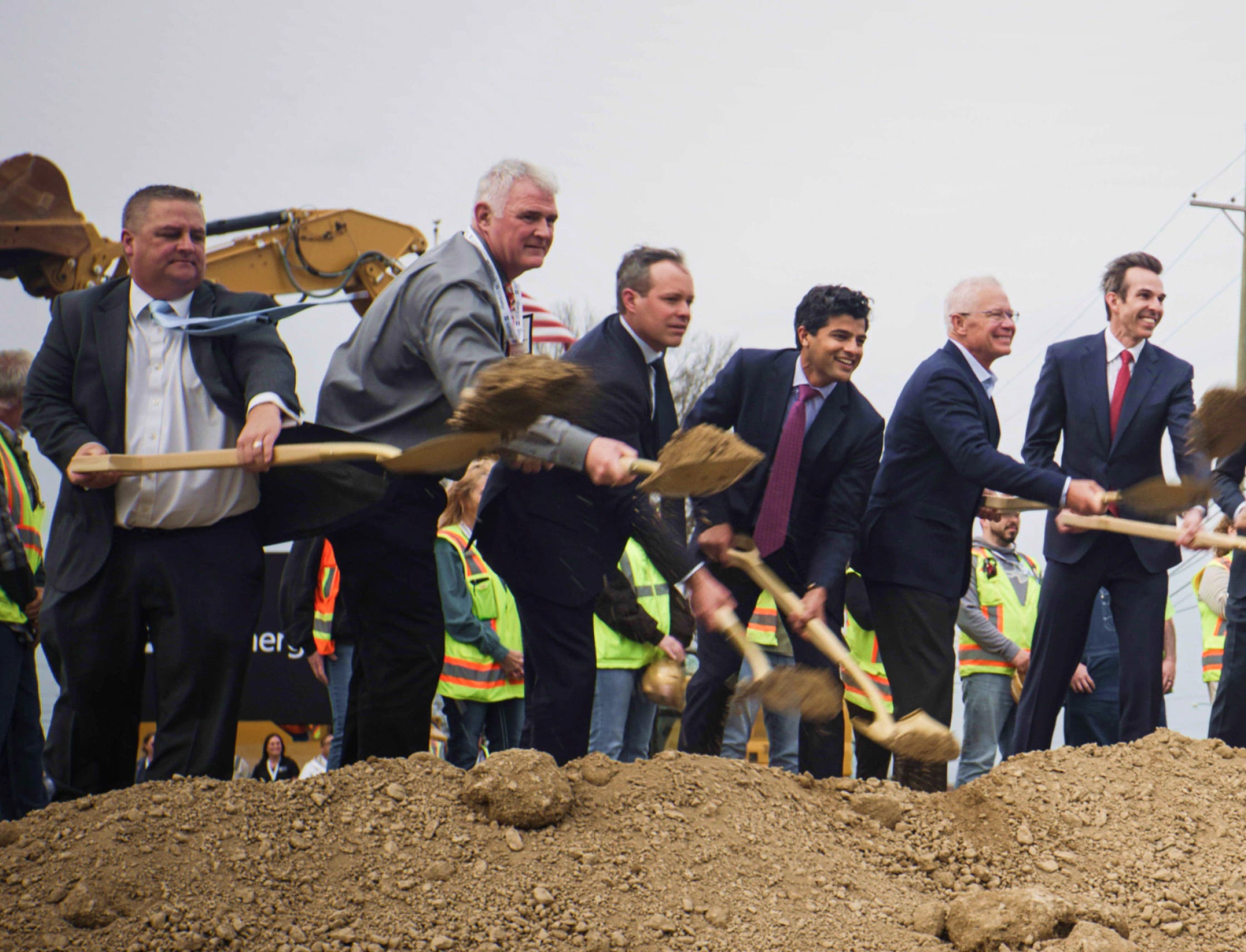
AI infrastructure’s $6.3 trillion financing gap is driving structured debt and asset-backed solutions, starting with Meta’s planned 5GW…
Walmart's FY28 consensus requires 15–18% operating-income growth above plan despite diesel costs, price investments and a non-recurring…
 Sameer Shahzad 2 clicks
Treasury yields surged as the Fed’s expected hike shifted to December, while Micron beat guidance and forecast $61.5 billion in quarterly…

Lennar is selling homes to former spinoff Millrose, whose revenue largely comes from Lennar and whose largest voting shareholder is…

Tower Semiconductor faces questions on 8-inch capacity, a 9,000-wafer silicon-photonics conversion and demand from 1.6T optical modules.
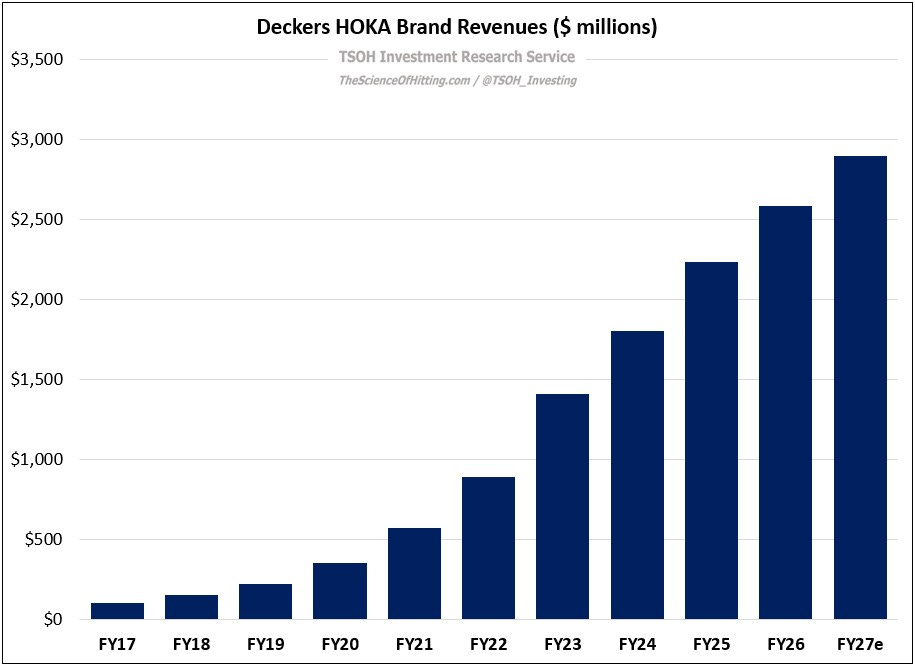
TSOH Weekly Roundup covers Meta’s AI agent ambitions, Netflix’s TV gaming strategy and Arc’teryx’s rise from $500 million to more than $2…
Nike targets EBIT margin recovery from 5.2% in FY2027 to 13% by FY2032 as revenue declines persist and wholesale, China and digital remain…
Cloudflare is building HTTP 402 payments for AI agents, using its web network to let publishers charge bots for content access.
Nike’s second Latticework program examines the company and the global athletic footwear and apparel industry for professional investors.
Every publication on this site, hand-picked.
 Adam Schadt
 Albert Anthony
 Alexander Grover
 Andres Veurink
 APAC Research
 Arizona Equity Research
 Atlas Diary
 Bay Area Ideas
 Benjamin C. Barry
 Bernard Zambonin
 Blake Winiecki
 Capital Connoisseur
 Chetan Woodun
 Crimson And Gold Research
 Cypriot Invests
 Dane Bowler
 Daniel Bell
 Daniel Jones
 Daniel Schönberger
 Danil Sereda
 David Zanoni
 Deep Value Investing
 Dhierin Bechai
 Dilantha De Silva
 Dustin Quasney
 Edmund Ingham
 Elliott Gue
 Equity Eagle
 Eudaemon Research
 Fernanda Galvez Jalil
 Fountainhead
 Gary Gambino
 Geneva Investor
 Gil Rotstein
 Given Mahlangu
 Gytis Zizys
 Henrik Alex
 High Alpha Professor
 Ignacio Planas Gonzalez
 Infinity Curve
 Investor Overview
 IWA Research
 Jaden Mealy
 JR Research
 Julia Ostian
 Kevin Avroutskii
 Khaveen Investments
 Kurt Christensen
 Lee Bailey
 LL Insights
 Long Player
 Louis Gerard
 M&M Capital
 Marc Gerstein
 Melissa Tucker
 Mike Arnold
 Mike Zaccardi, CFA, CMT
 Miletus Research
 Motti Sapir
 Multiplo Invest
 Myriam Alvarez
 Nicolas Bolsinger
 Number Cruncher
 Oakoff Investments
 Petri Dish Reports
 Philip Wang
 Prakhar Agarwal, CFA
 PropNotes
 PV Research
 Quantryon Capital
 Robert J. Lake
 Ron Ferrie
 Rubicon Associates
 Ryan Canady
 Sam Mancini
 Sanjay Swamy
 Seeking Profits
 Sharon McArd
 SiliconBytes Insights
 Simple Investment Ideas
 Sorrento Research
 Stephen Ayers
 Steven Fiorillo
 Terry Chrisomalis
 The Alpha Analyst
 The Asian Investor
 The Bullionaire
 The Curious Analyst
 The J Thesis
 The Market Auditor
 The Supercycle Investor
 The Undercovered Dozen
 Tim Travis
 Uttam Dey
 Value Capital Research
 Vishal Jadaun
 Yiannis Zourmpanos
 Zoltan Ban
Every account on this site, hand-picked.
 ⚽️📡
 💥PETITION💥
 A Capital
 absreturnchaser
 Adam D. Wyden
 Alpha Vulture
 AltayCap
 Asif Suria
 Bank Reg Blog
 Barbarian Capital
 BDC
 Bill Ackman
 Brian McGough
 Broken Moats
 BuccoCapital Bloke
 Calvin Blissett
 catechwilliams
 Charles Frischer
 Chris Camillo
 Clark Square Capital
 Cluseau Investments
 Colin King
 Connor Haley
 Conor Maguire | Value Situations
 Convequity
 Dalius - Special Sits
 David Orr
 Deep Sail Capital
 Derek Pilecki
 Devin LaSarre
 DOMO Capital Management, LLC
 Edwin Dorsey
 Evan Tindell
 Fajasy
 Farmer
 Fierce_beast
 Fred Liu
 Garrett Arms
 Gavin Baker
 George Noble
 Hunterbrook
 Ian Bezek
 Idea Brunch
 JabroniCoin.USD
 Japan Deep Value
 John_Hempton
 junkbondinvestor
 kab60
 KEDM.com
 Kevin Mak
 Kingdom Capital
 Kuppy
 Laughing Water Capital
 Lee Roach
 Little Owl Research
 Maius
 Maj Soueidan
 marginofdanger
 mavix
 Mike
 Mikro Kap David
 Mr Neutral Man aka "Howard Marks of REITs”
 Multiples Capital
 Myles
 Nat Stewart Negligible Capital
 Odd Diligence
 Odd Lot Arbitrageur
 PAA Research
 Paradis
 Pernas Research
 Porter Collins
 Prepared Remarks
 Psyop Capital
 Raging Capital Ventures
 Red Dog Capital RiverRoadPartners
 Rohan Pavuluri
 Rusholme Capital
 Sahil Khetpal Serenity
 SG
 Sheel Mohnot
 SouthernValue
 Steve Eisman
 The Friendly Bear
 Tim Eriksen
 Timyan Bank Alert
 Todd Wenning
 ToffCap
 Trevor Scott
 Undiscovered Compounders
 Voss Capital
 Yaron Naymark
Ordered by how often our editor reaches for them.