Ondas reported $167.5 million in Q3 revenue but spent $562 million of cash, halved gross margin and fell below its $6 stop level.
BL Cestrian Capital Research 3h ago 2 clicks
Offshore Radar maps 160-plus listed offshore rigs, contracts, day rates and uncontracted capacity through 2029.
S Cannibal Stocks 4h ago 4 clicks
Travere Therapeutics' FILSPARI has two FDA approvals and is driving revenue growth, while TVTX shares have nearly tripled since August 2025.
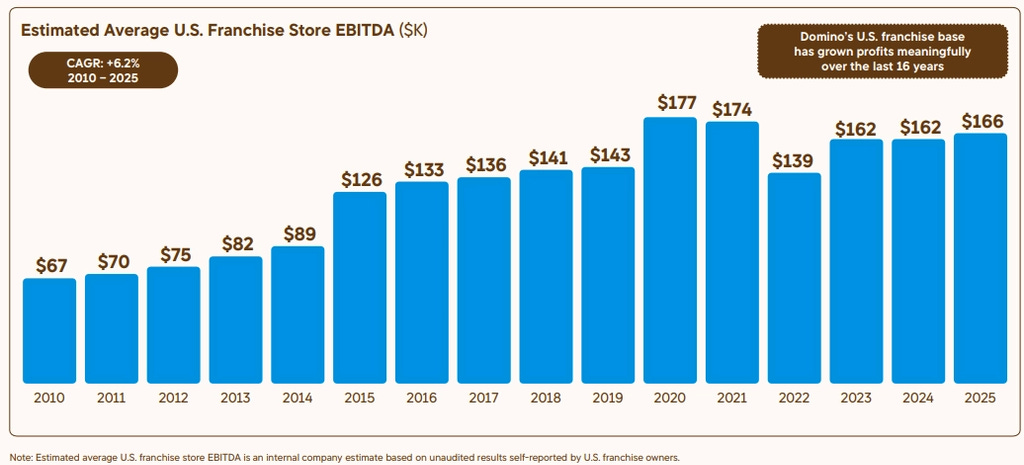
SA Out of Ignorance 6h ago 1 click Domino’s built PULSE, online ordering and Pizza Tracker into a delivery machine, driving 10% annual global retail sales growth after its…
S scuttleblurb 6h ago 2 clicks
Nubank and MercadoLibre update target prices as Brazil’s 9% real rates, weaker currency and tighter credit favor their cost advantages and…
S Jimmy's Journal 7h ago 2 clicks
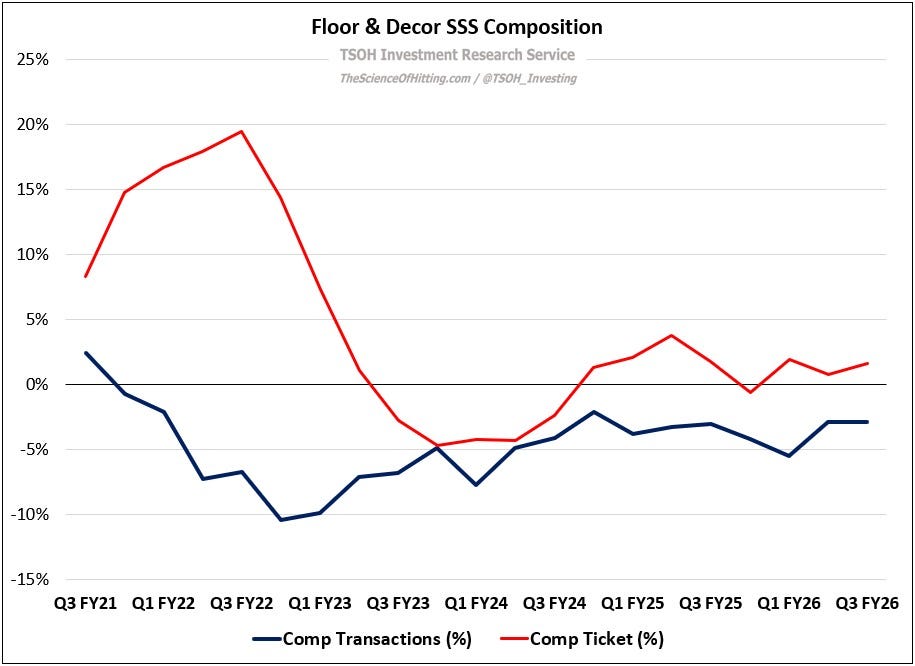
Floor & Decor has logged 20 straight quarters of comp transaction declines, with Q3 quarter-to-date same-store sales down about 3.8% as…
S TSOH Investment Research 7h ago 3 clicks
HCI Group grew Q3 revenue 13% and net income 27%, with $2 billion of invested assets driving investment income.
SA Given Mahlangu 9h ago 1 click Berkshire Hathaway’s Q3 operating earnings held at $12.7 billion as BNSF, energy and manufacturing gains offset a 43% drop in insurance…
S Latticework by MOI Global 9h ago 3 clicks
Iovance’s Amtagvi revenue rose 77% to $101.6 million as a lung-data update drove a 47.6% stock drop, despite weak response rates outside a…
SA Seeking Edge 11h ago 1 click TPG trades 20% below its average distributable-earnings multiple despite the fastest fee-related earnings growth among alternative…
S Capital Employed 17h ago 8 clicks
INVH · long Invitation Homes owns more than 85,000 homes valued at $43 to $48 per share, versus a roughly $30 share price, with occupancy above 96%.
BL Value Investors Club Jun 24 5 clicks
Brookfield Corporation, down 20% YTD, manages $1.27 trillion across asset management, insurance and operating businesses as rates, debt and…
S Capitalist Letters Sep 20 4 clicks
Berkshire Hathaway's $324.9 billion T-bill portfolio benefits from higher rates as Greg Abel succeeds Warren Buffett and BHE adds 11,000 MW…
SA Steven Fiorillo Sep 20 Palo Alto Networks posted 34% Q4 revenue growth to $3.41 billion, boosted by CyberArk and Chronosphere, while NGS ARR reached $9.1 billion…
BL Cestrian Capital Research Sep 19 2 clicks
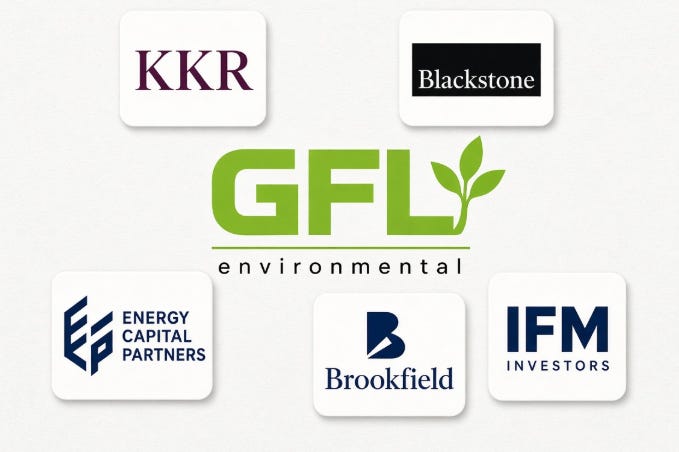
GFL’s take-private process has drawn KKR, Blackstone, Brookfield and IFM, while CEO Patrick Dovigi signals he will accept only the right…
S 310 Value’s Newsletter Sep 19 2 clicks
Brookfield is recasting itself from an industrial owner into a $1.3 trillion asset manager and insurer, betting AI infrastructure can…
Crocs CEO Andrew Rees turned around the core brand, then borrowed $2 billion for HEYDUDE, whose $737 million write-down followed wholesale…
S Cannibal Stocks Sep 19 4 clicks
Karman Holdings (KRMN) is upgraded after a 68% drop, with 24% organic growth, a $1.3 billion backlog and higher 2026 guidance offset by…
SA Dhierin Bechai Sep 19 Steve Eisman argues AI extinction warnings from Dario Amodei and Sam Altman seek regulation that creates pricing moats.
YT Steve Eisman Sep 18 2 clicks
Nintendo's Switch 2 attach rate, flat Switch Online accounts and rising memory costs fuel a bear case, while Spotify and Netflix margins…
YT Yet Another Value Podcast Sep 18 1 click