Fortinet (NASDAQ: FTNT) - Do Nothing - Q3 FY12/26 Earnings Review
Fortinet’s revenue rose 20% to $2.08 billion, but its 15% Q4 growth guide drove a 25% post-earnings stock drop as product, billings and services growth decelerated.
Fortinet’s revenue rose 20% to $2.08 billion, but its 15% Q4 growth guide drove a 25% post-earnings stock drop as product, billings and services growth decelerated.
Spoke with an expert about $LEN the other day He told me that Lennar focuses so much on entry level homes that it's got a "here goes the neighborhood" effect Other builders won't build in the same MPC/area This could potentially cut them off from sites in the future
Berkshire now has a $1.3B position in Bending Spoons. Stock is up 38% (to $52) on news that Berkshire bought $330M via private placement at $33/share $BSP https://t.co/oGfvtwcdED
August write-up on Cal Maine $CALM now available to freebie accounts on VIC... Good overview of the situation... at ~$60-65/sh it looks like an asymmetric bet with a 4-6 quarter time horizon https://t.co/60U009ZX53
D.A. Davidson analyst Gil Luria (has a $100 price target and a neutral rating on $CRWV ) says “the equity value is going to be zero” on a podcast released today A bit conflicting there Gil https://t.co/aKJmqVZlZ5
D.A. Davidson analyst Gil Luria (has a $100 price target and a neutral rating on $CRWV ) says “the equity value is going to be zero” on a podcast released today A bit conflicting there Gil https://t.co/ZLEqfmpE8i
Happy 5-year anniversary to those who celebrate. $UPST https://t.co/zK4vPVEjjZ https://t.co/Xog81EWEvl
Short squeezes with high alerts this morning: $GLND and $TGL. We might be getting back into a bit of a short squeeze environment soon. https://t.co/7Pl147oY0i

Oracle rose about 12% intraday on October 28, 2026 as AI infrastructure and cloud-demand sentiment improved and credit-spread concerns…
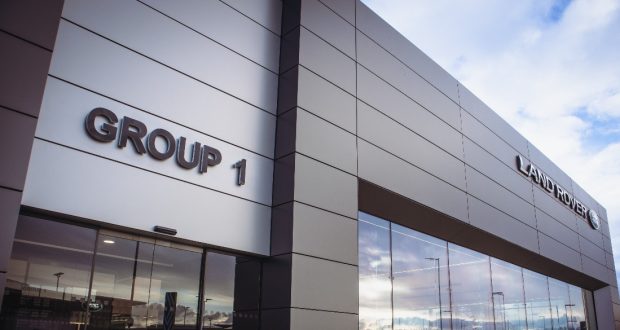
Group 1 Automotive trades at 5.5 times earnings as aging gasoline vehicles and EV repairs sustain service profits; insiders bought while…

Cerebras relies on OpenAI for almost all of its $25 billion backlog while renting AI capacity, raising questions over its semiconductor…
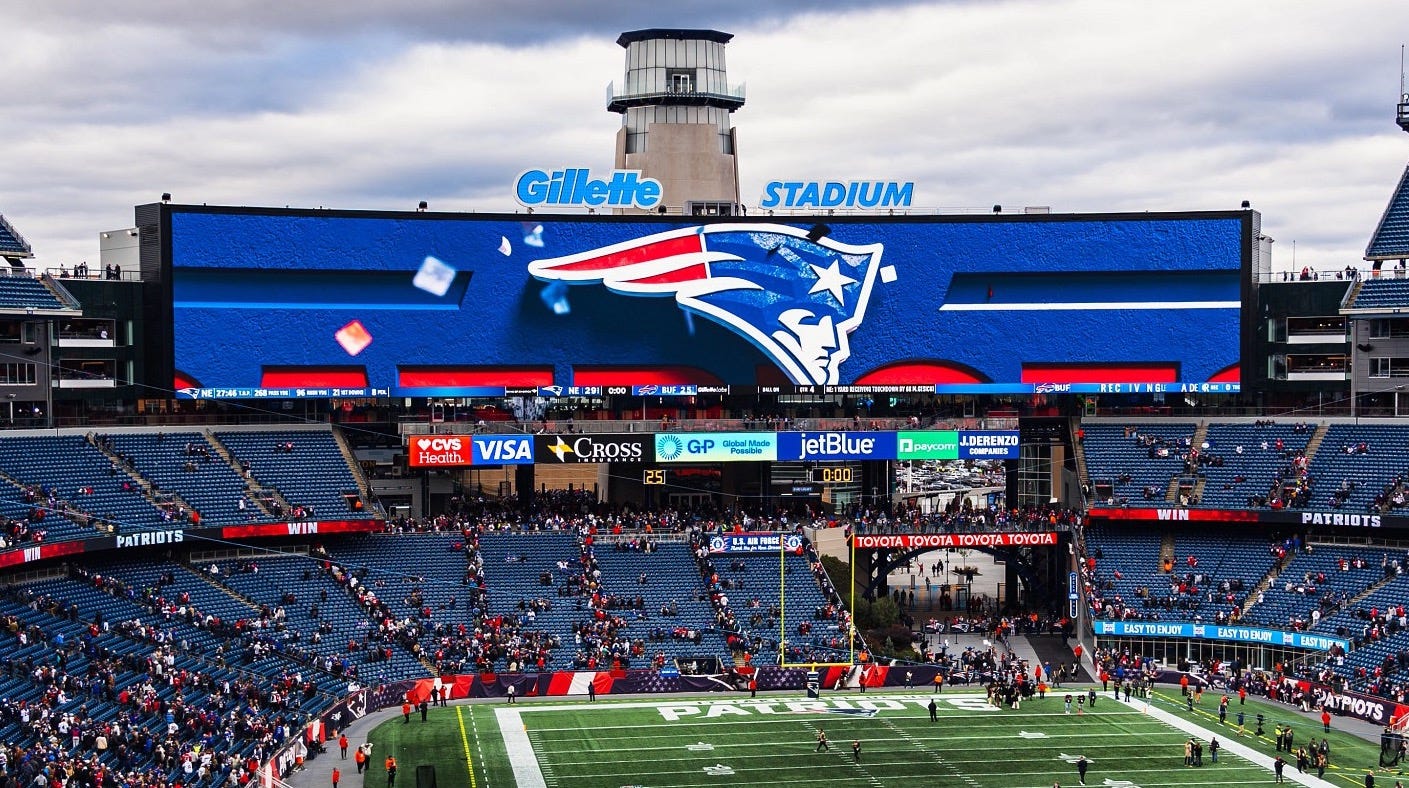
Daktronics, the leader in U.S. sports video boards, targets 10-12% EBIT margins after shifting production to China and Mexico and exiting…

Danaher’s new CEO paired a Q3 beat and raised EPS outlook with a 2027 4%-5% organic-growth starting point, while pitching AI-enabled…

Cigna faces PBM margin pressure as employer fee demands and Signature transition costs outweigh specialty-drug growth, limiting profit…
 Narek Hovhannisyan 1 click

Enova’s Q3 2026 revenue exceeded $1 billion as originations rose 31%, while its failed Grasshopper Bank bid drove a 23% one-day stock…
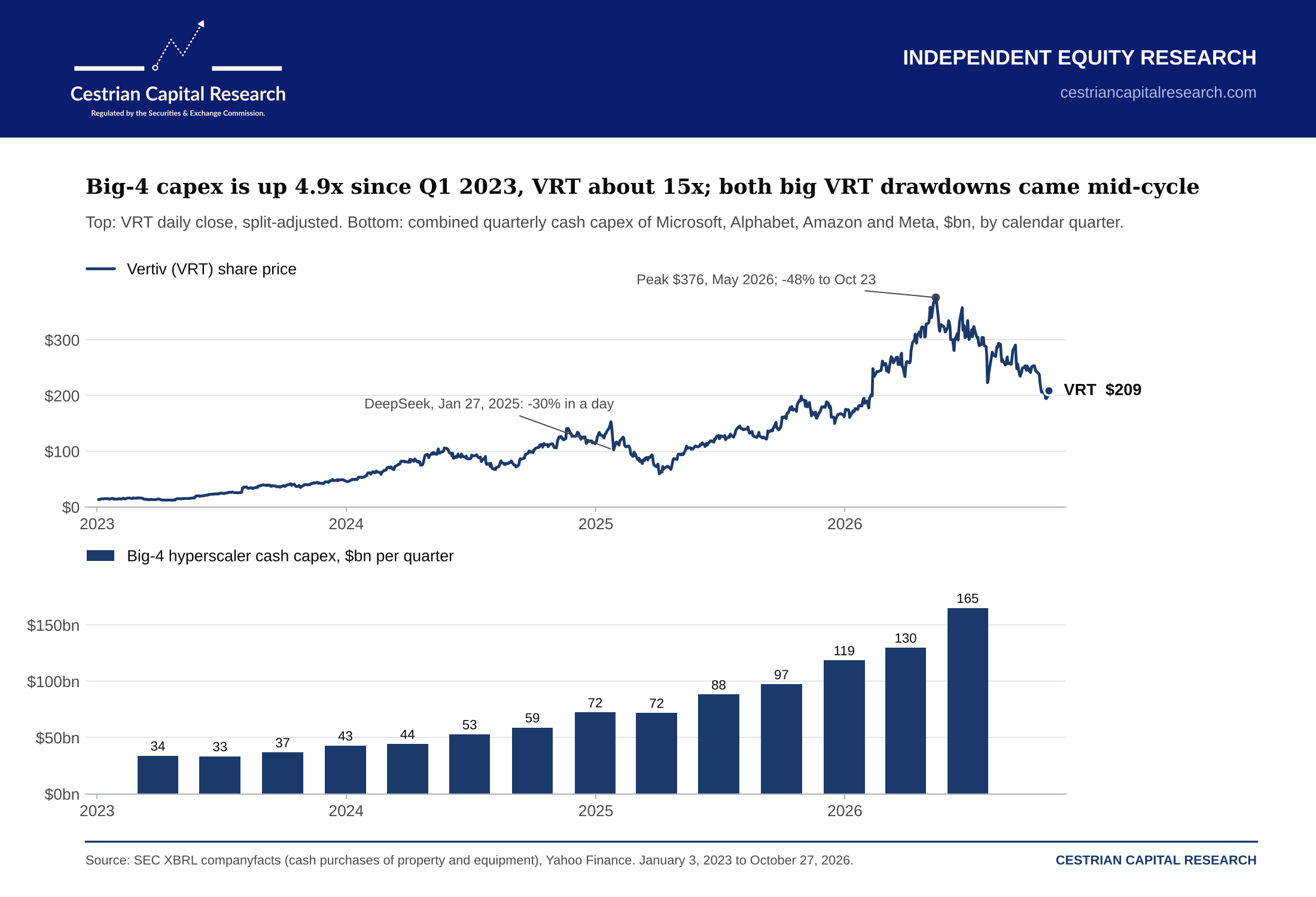
Vertiv beat Q3 revenue guidance by $460 million, grew organic sales 55%, and raised full-year revenue guidance by $650 million to a $14.65…

Xenia Hotels & Resorts pairs luxury hotel assets, brand affiliations and planned renovations with investment-grade credit and covered…
 Albert Anthony 2 clicks

Innodata shares fell 25% to $44.74 after India Today reported 550 job cuts in India.
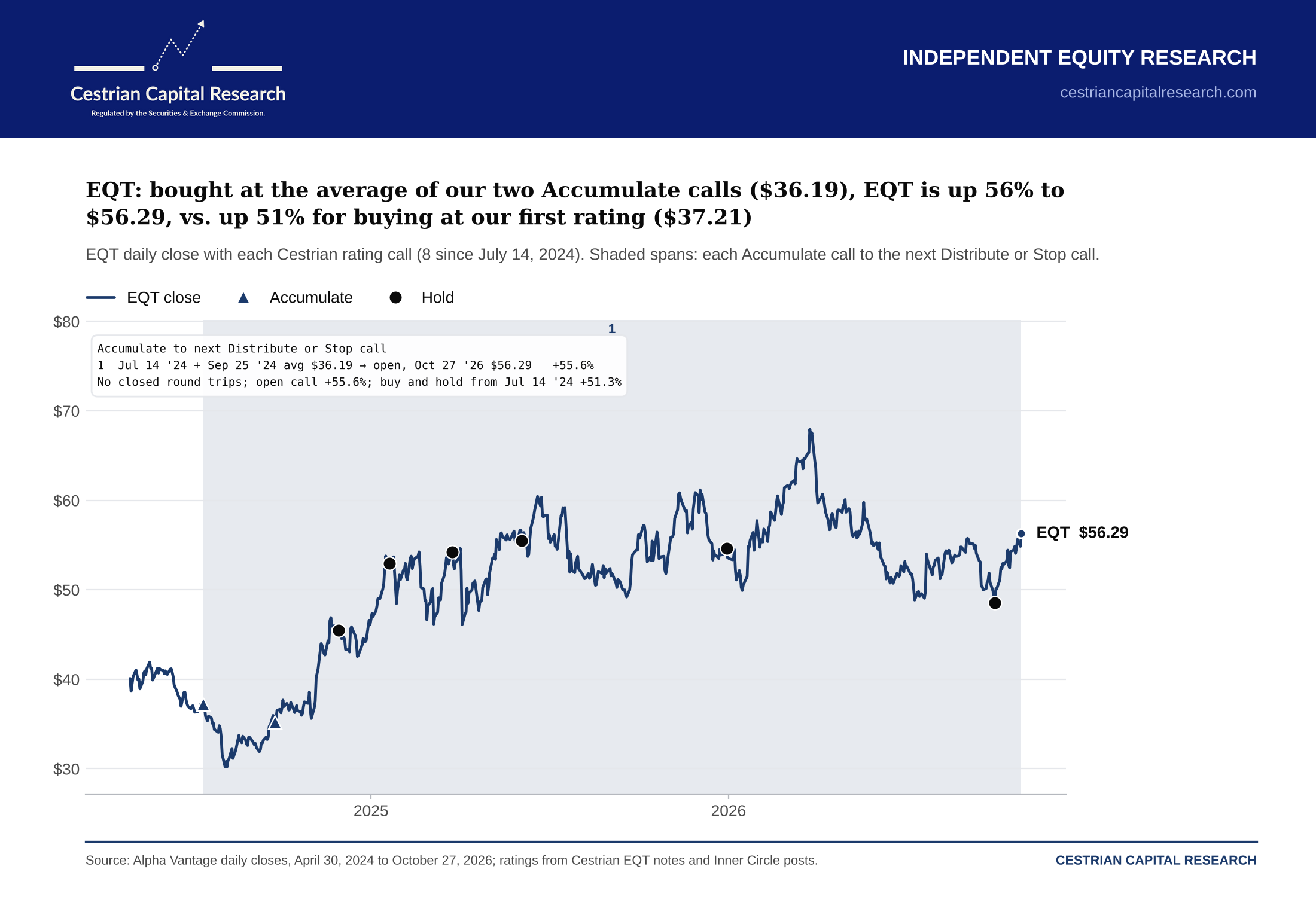
EQT moved to Distribute at $56.29 after Q3 revenue fell 9.6%; a 44% trailing free-cash-flow margin signals cycle risk despite lower debt…

GFL’s take-private structure hinges on BC Partners rolling 60% of its stake to preserve debt portability under the 40% permitted-holder…
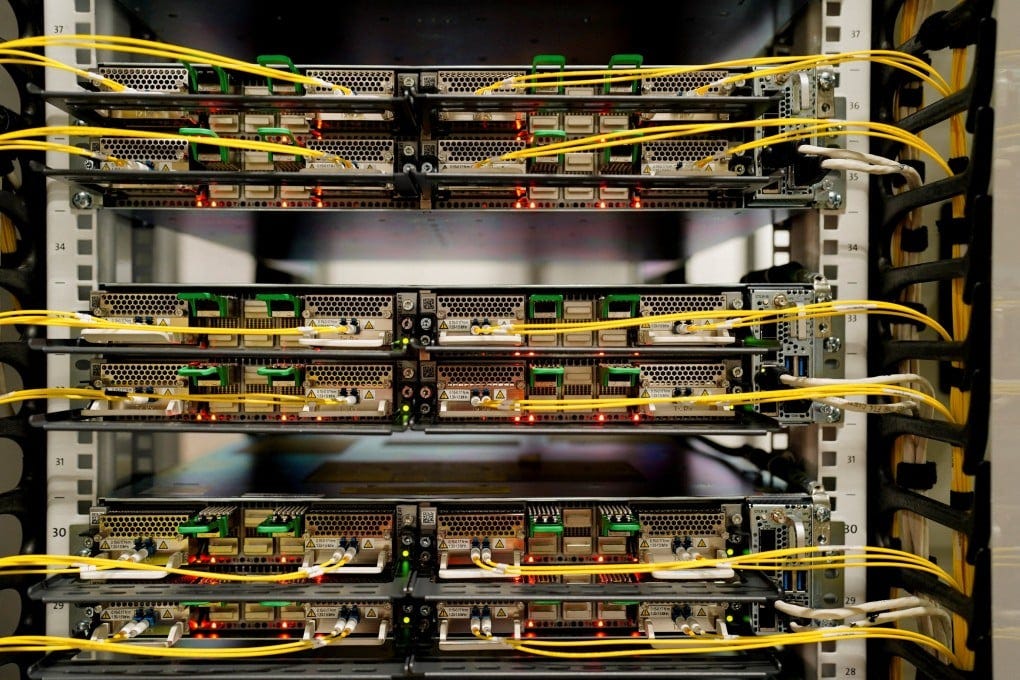
Lumentum’s 2027 optical-chip expansion, 200G EML and CW capacity, silicon-photonics roadmap, pricing and 3.2T module prospects face…

Novartis grew Q3 sales 4% to $14.5bn and raised profit guidance, but pipeline failures triggered a $1.9bn impairment as net debt reached…

AppFolio grew third-quarter revenue 19% as Realm-X AI agents gained adoption, lifting guidance to $1.122 billion to $1.127 billion.

Boeing posted $24.2 billion in Q3 revenue and $1.5 billion in operating cash flow, but commercial aircraft lost $697 million as production…

TTM Technologies’ record Q3 and data-center exposure drove a 27.7% stock drop as investors questioned debt-funded growth, leverage and the…
 Nicolas Bolsinger 1 click
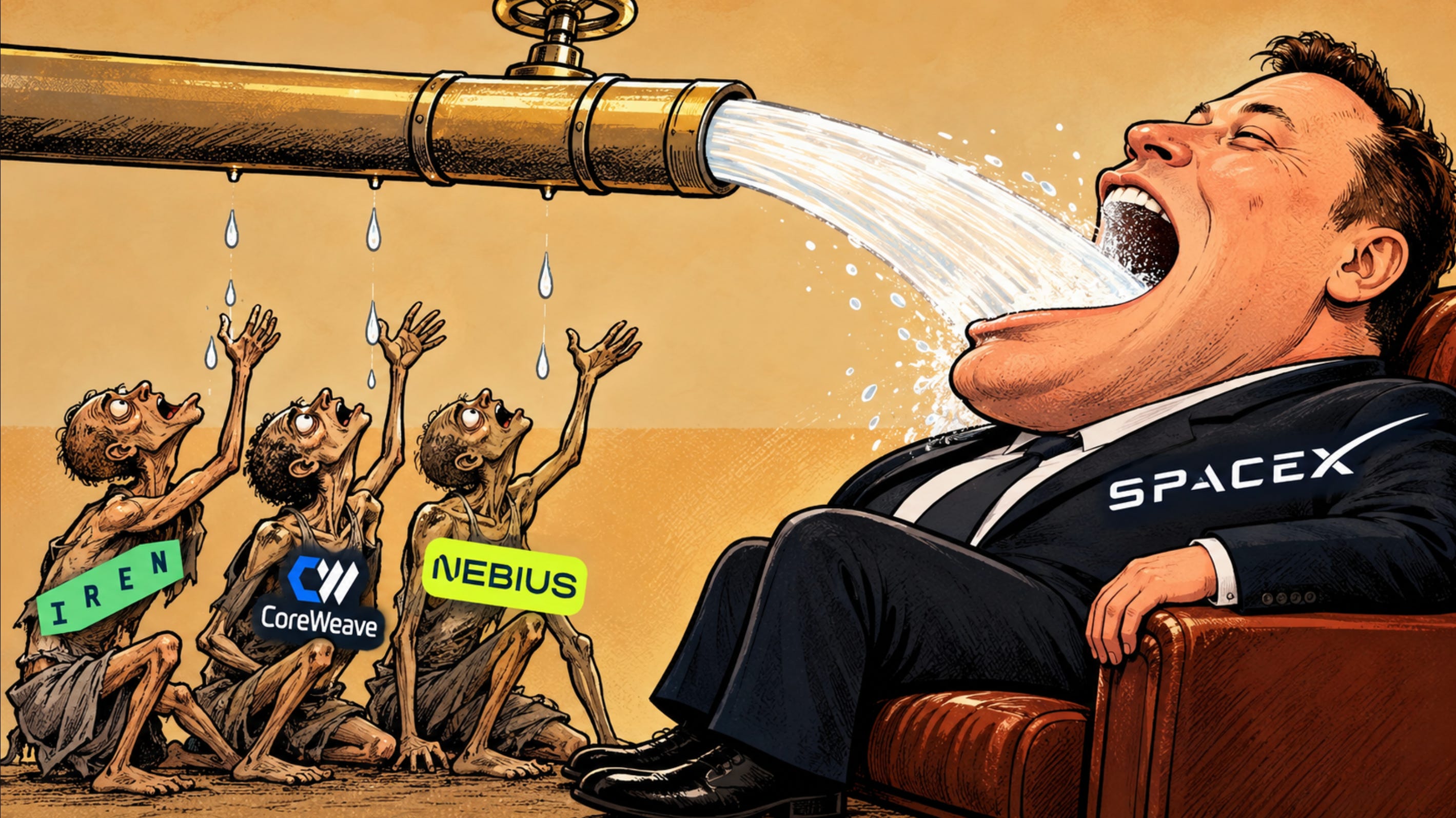
Neoclouds face tighter debt financing as AI infrastructure capex outruns cash flow, leaving cash-burning GPU providers more exposed than…

Quantinuum’s trapped-ion quantum platform supports a $2 billion 2030 revenue estimate and $135 fair value, backed by $2.1 billion cash and…
 Fundamental Options 5 clicks

Reddit generated $805 million in Q2 2026 revenue, 95% from ads, but slowing Google search referrals expose AI-driven traffic and…
Every publication on this site, hand-picked.
 Adam Schadt Albert Anthony
 Andres Veurink
 Arizona Equity Research
 Bay Area Ideas
 Blake Winiecki
 Capital Connoisseur
 Dane Bowler
 David Zanoni
 Deep Value Investing
 Dhierin Bechai
 Dilantha De Silva
 Dustin Quasney
 Elliott Gue
 Equity Eagle
 Eudaemon Research
 Fernanda Galvez Jalil
 Fountainhead
 Geneva Investor
 Given Mahlangu
 Henrik Alex
 High Alpha Professor
 Ignacio Planas Gonzalez
 Infinity Curve
 Investor Overview
 IWA Research
 Jaden Mealy
 JR Research
 Julia Ostian
 Khaveen Investments
 Kurt Christensen
 LL Insights
 Long Player
 Marc Gerstein
 Melissa Tucker
 Mike Arnold
 Mike Zaccardi, CFA, CMT
 Miletus Research
 Myriam Alvarez
 Petri Dish Reports
 Philip Wang
 Prakhar Agarwal, CFA
 PropNotes
 PV Research
 Quantryon Capital
 Robert J. Lake
 Ron Ferrie
 Ryan Canady
 Sam Mancini
 Seeking Profits
 Sharon McArd
 SiliconBytes Insights
 Simple Investment Ideas
 Sorrento Research
 Stephen Ayers
 Steven Fiorillo
 The Alpha Analyst
 The Asian Investor
 The Bullionaire
 The Curious Analyst
 The J Thesis
 The Market Auditor
 The Supercycle Investor
 The Undercovered Dozen
 Tim Travis
 Uttam Dey
 Value Capital Research
 Vishal Jadaun
 Zoltan Ban
Every account on this site, hand-picked.
 ⚽️📡
 💥PETITION💥
 A Capital
 absreturnchaser
 Adam D. Wyden
 Alpha Vulture
 AltayCap
 Asif Suria
 Bank Reg Blog
 Barbarian Capital
 BDC
 Bill Ackman
 Brian McGough
 Broken Moats
 BuccoCapital Bloke
 Calvin Blissett
 catechwilliams
 Charles Frischer
 Chris Camillo
 Clark Square Capital
 Cluseau Investments
 Colin King
 Connor Haley
 Conor Maguire | Value Situations
 Convequity
 Dalius - Special Sits
 David Orr
 Deep Sail Capital
 Derek Pilecki
 Devin LaSarre
 DOMO Capital Management, LLC
 Edwin Dorsey
 Evan Tindell
 Fajasy
 Farmer
 Fierce_beast
 Fred Liu
 Gavin Baker
 George Noble
 Hunterbrook
 Ian Bezek
 Idea Brunch
 JabroniCoin.USD
 John_Hempton
 junkbondinvestor
 kab60
 KEDM.com
 Kevin Mak
 Kuppy
 Laughing Water Capital
 Lee Roach
 Little Owl Research
 Maius
 Maj Soueidan
 marginofdanger
 mavix
 Mike
 Mikro Kap David
 Mr Neutral Man aka "Howard Marks of REITs”
 Multiples Capital
 Myles
 Nat Stewart
 Negligible Capital
 Odd Diligence
 Odd Lot Arbitrageur
 PAA Research
 Paradis
 Pernas Research
 Porter Collins
 Prepared Remarks
 Psyop Capital
 Raging Capital Ventures
 Red Dog Capital RiverRoadPartners
 Rohan Pavuluri
 Rusholme Capital
 Sahil Khetpal
 Serenity
 SG
 Sheel Mohnot
 SouthernValue
 Steve Eisman
 The Friendly Bear
 Tim Eriksen
 Timyan Bank Alert
 Todd Wenning
 ToffCap
 Trevor Scott
 Undiscovered Compounders
 Voss Capital
 Yaron Naymark
Ordered by how often our editor reaches for them.