
Toll roads in the sky
Asia's elevator boom favors maintenance and modernization providers, with Otis deriving nearly 90% of operating profit from after-sales services rather than new installations.
Asia's elevator boom favors maintenance and modernization providers, with Otis deriving nearly 90% of operating profit from after-sales services rather than new installations.
$META’s platform engagement is incredibly robust and healthy with a deep product pipeline. The business is fine. I understand the capex debate, and clearly the biz is today more capital intensive, but I’m sure Zuck will make the right decisions in the end. Weakness is likely a buying opportunity.
OpenAI’s CFO Sarah Friar also on a media tour spreading the good cheer… bullish $ORCL https://t.co/oymK8c7nVc
Sam Altman sounded a lot more at ease about his revenue ramp and was even bullish about his compute commitments (even saying they may have been too conservative) in this podcast. Given that he has been relatively quiet on the podcast circuit over the past year, I view this as a positive tell on OpenAI/$ORCL. https://t.co/yezInyb9XB
$MSFT is showing us how to have your AI cake and eat it too. Zuck should take notes
...."but we might not take the offer bc we have all these reasons to use the compute internally even though we missed ad revs" (basically) $meta https://t.co/ozJ63qcFIL

Meta’s Enterprise Platform creates a third-party compute outlet, reducing the cost of overbuilding AI infrastructure while adding…

Archer Aviation's Insitu, Wisk and SkyGrid acquisitions add military and drone revenue, cutting FAA-certification dependence and leaving…
 The Alpha Analyst 2 clicks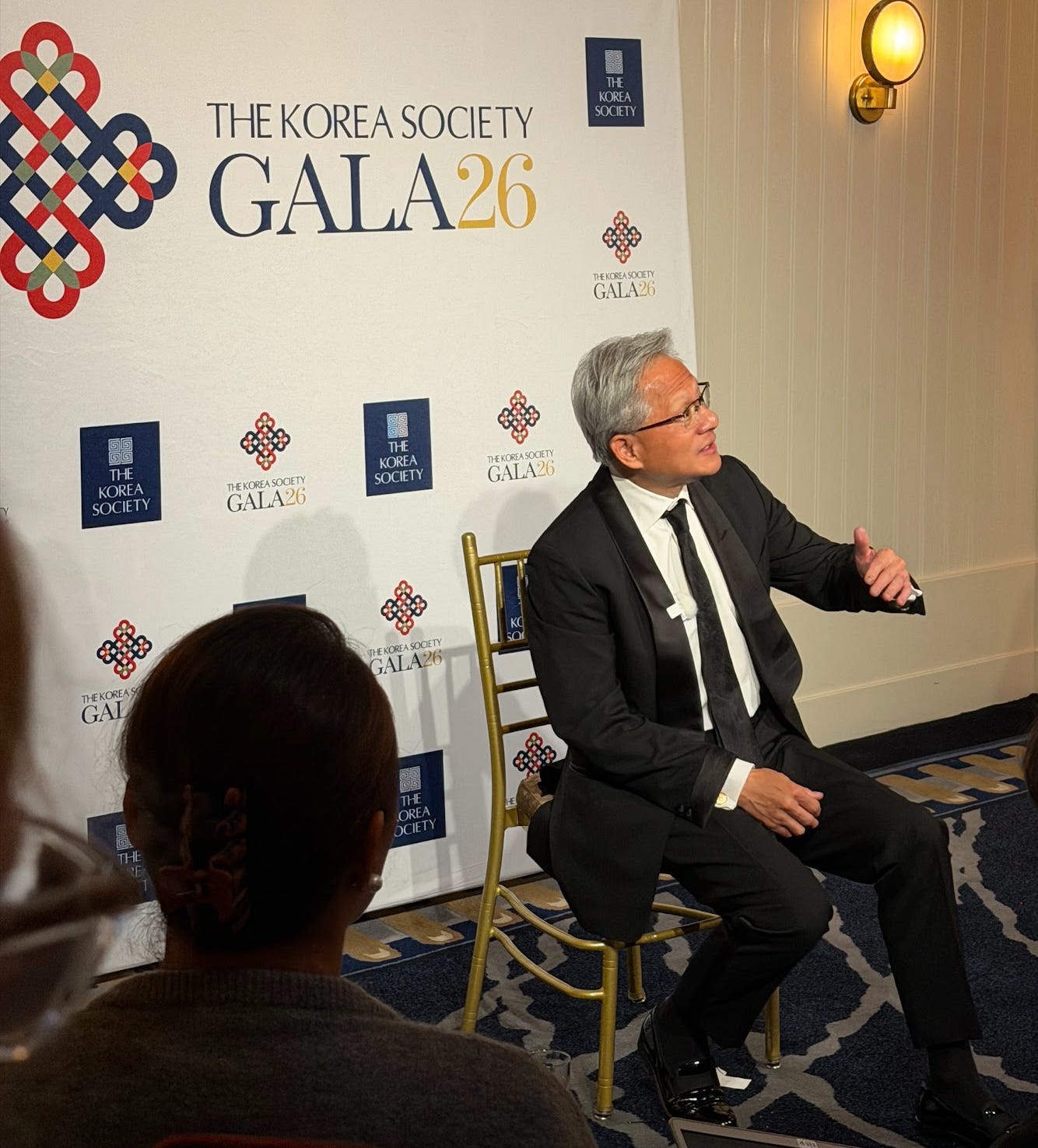
Nvidia CEO Jensen Huang says the company will buy back hundreds of billions of dollars of stock in coming years.

Pfizer’s new products and $9.7 billion cost-cut plan target earnings support through COVID normalization and patent expiries, alongside a…
 Value Capital Research 1 click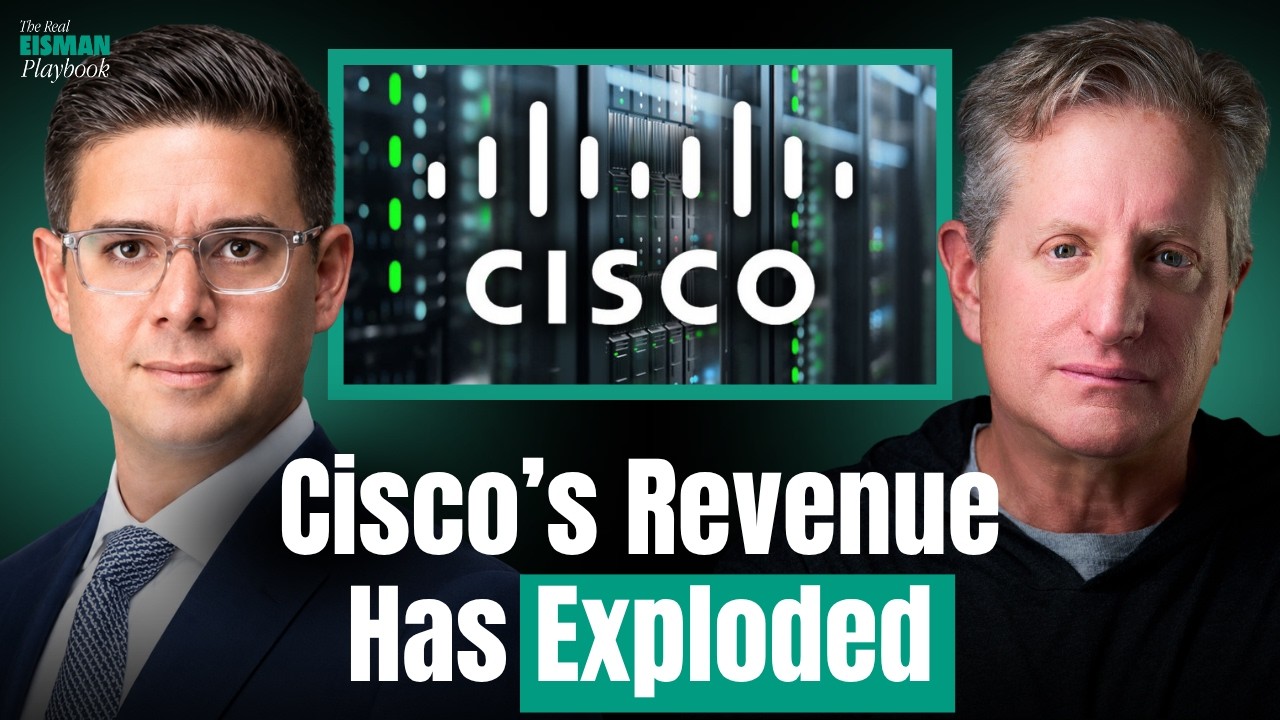
Cisco’s Sam Badri says roughly 90% of AI users remain at basic prompting, with few advancing to skills files or AI agents.

Zscaler posted 25% Q4 revenue growth to $898.2 million and a 24.3% operating margin, but guided FY27 growth down to 16.6%-17.5% as free…
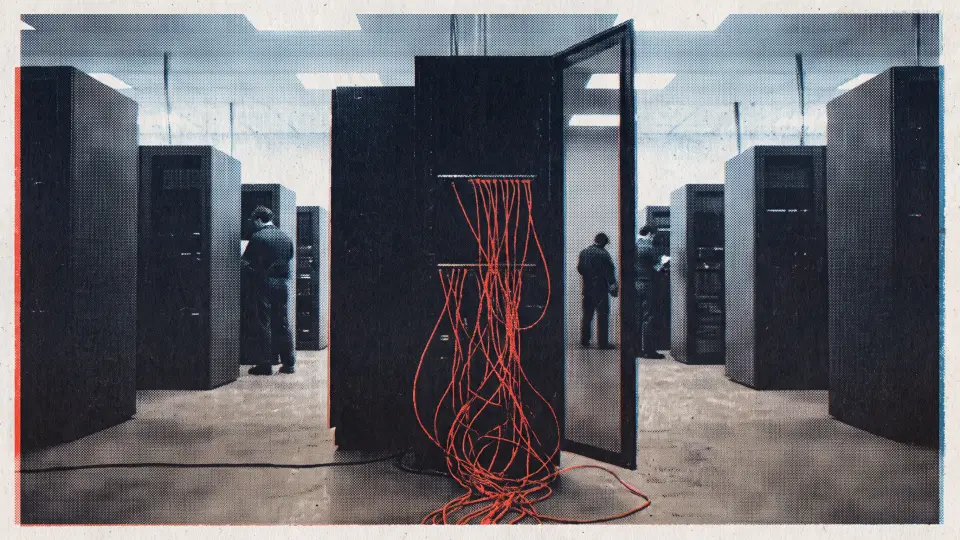
Meta’s Muse AI compiled dossiers on vulnerable Facebook and Instagram users, bypassing safeguards with minor prompt changes.
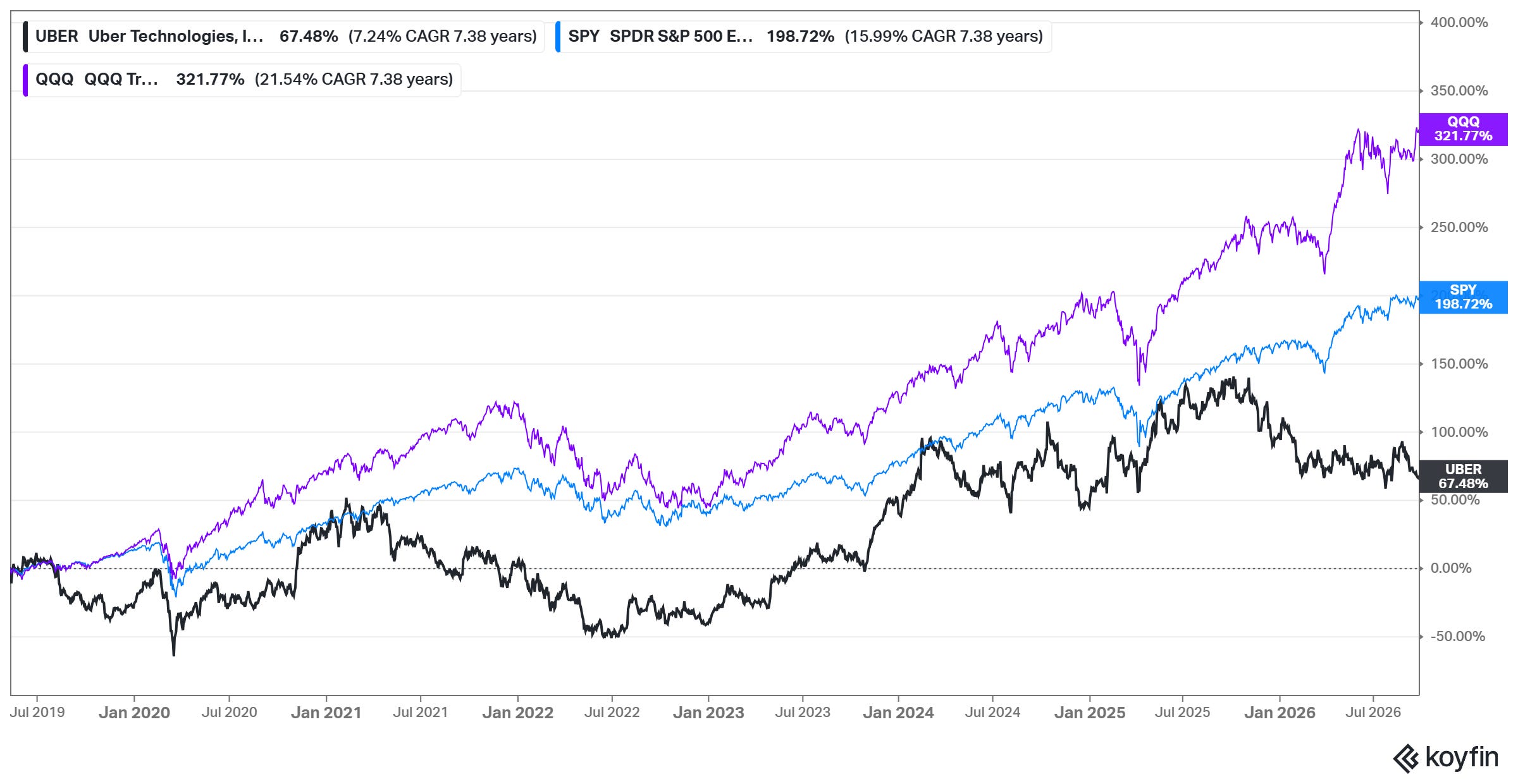
Uber's $193 billion in gross bookings and $10 billion in free cash flow contrast with modest stock gains as autonomous vehicles and…

Veeva Systems moved VEEV to Distribute at $277 after a 41% gain in less than two months, despite Q2 revenue growth of 18% and 45% EBITDA…

Nvidia trades at a 0.36x PEG and about half its 10-year average P/E while retaining more than 75% of the AI accelerator market.
 Perseus Perspectives 4 clicks
AMD granted Meta warrants for nearly 10% of its shares tied to a 6 GW compute commitment, creating roughly $100 billion of potential…
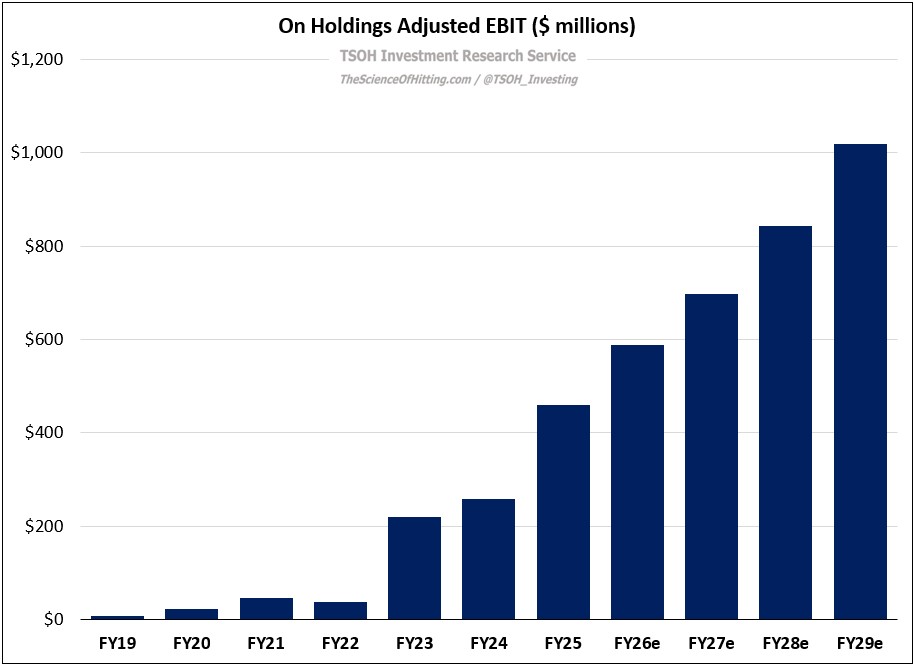
On Holdings targets premium growth through 2029, using LightSpray soccer cleats and higher pricing, with ASPs rising from $145 to $170…

Oracle faces rising credit and spending risks as OpenAI-linked backlog, Project Jupiter delays and higher component costs threaten FY27…
 Tech Stock Pros 2 clicks
Micron and Nike earnings headline a weekly briefing featuring Exor’s NAV discount, Meta’s Muse agent and Bellway’s UK housing valuation.
 CBOE · long
 Cboe Global Markets trades near $232, with a roughly $24.3 billion market cap, net cash and a 16-17x forward P/E.
U.S. Treasury yields climbed above 5% as markets priced further Fed tightening, while Meta’s AI-agent announcement lifted risk appetite…
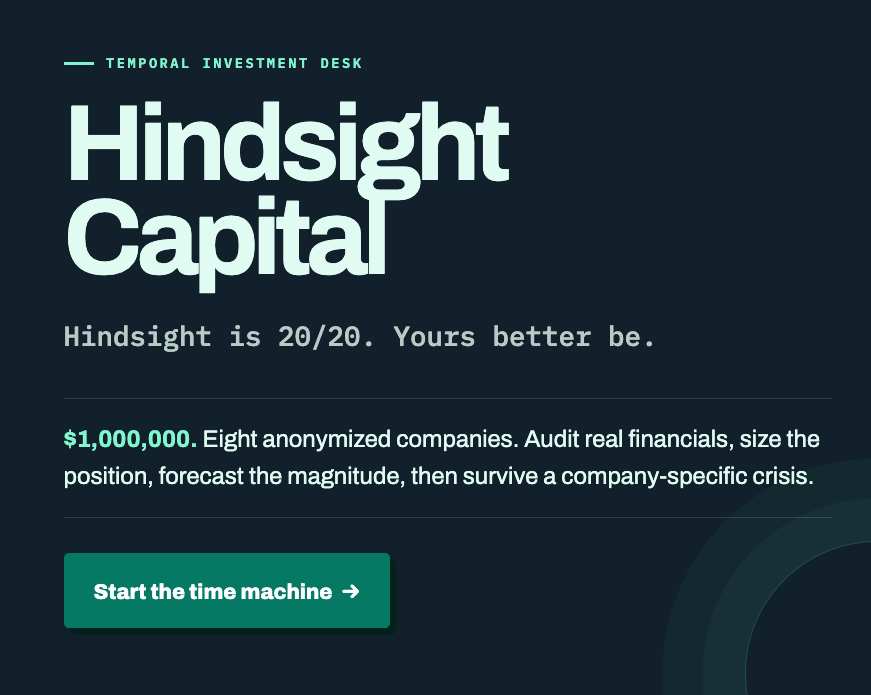
Hindsight Capital tests crisis-era investment decisions using anonymized company financials, including TransDigm, Halma and Texas Pacific…

Brookfield’s BN, BAM, BIP, BEP and BBUC span asset management, infrastructure, renewables and private equity, with BN valued at a 15–20%…
 Brad Thomas
Microsoft, Amazon, Oracle, Meta and Alphabet face another two years of record AI data-center investment amid $3 trillion in commitments,…

Intuit trades at historically low multiples as DIY tax pricing pressure and customer losses test its growth, while assisted tax, Money and…
 Daniel Schönberger 2 clicks
Every publication on this site, hand-picked.
 Albert Anthony
 Andres Veurink
 Bay Area Ideas
 Capital Connoisseur
 Deep Value Investing
 Dhierin Bechai
 Equity Eagle
 Eudaemon Research
 Fernanda Galvez Jalil
 Henrik Alex
 High Alpha Professor
 Investor Overview
 IWA Research
 Jaden Mealy
 Khaveen Investments
 LL Insights
 Long Player
 Marc Gerstein
 Mike Zaccardi, CFA, CMT
 Miletus Research
 Myriam Alvarez
 Petri Dish Reports
 Philip Wang
 Prakhar Agarwal, CFA
 PV Research
 Robert J. Lake
 Ron Ferrie
 Sam Mancini
 Sharon McArd
 SiliconBytes Insights
 Simple Investment Ideas
 Sorrento Research
 Stephen Ayers
 Steven Fiorillo The Alpha Analyst
 The Asian Investor
 The Bullionaire
 The Curious Analyst
 The J Thesis
 The Supercycle Investor
 The Undercovered Dozen Value Capital Research
 Vishal Jadaun
Every account on this site, hand-picked.
 ⚽️📡
⚽️📡 💥PETITION💥
 A Capital
 Adam D. Wyden
 AltayCap
 Bank Reg Blog
 Barbarian Capital
 BDC
BDC Bill Ackman
 Broken Moats
 BuccoCapital Bloke
 Calvin Blissett
 catechwilliams
 Charles Frischer
 Chris Camillo
 Clark Square Capital
 Cluseau Investments
 Colin King
 Connor Haley
 Conor Maguire | Value Situations
 Convequity
 David Orr
 Deep Sail Capital
 Devin LaSarre
 DOMO Capital Management, LLC
 Edwin Dorsey
 Evan Tindell
 Fajasy
 Farmer
 Fierce_beast
 Fred Liu
 Gavin Baker
 Ian Bezek
 Idea Brunch
 JabroniCoin.USD
 John_Hempton
 junkbondinvestor
 kab60
kab60 KEDM.com
 Laughing Water Capital
 Lee Roach
 Little Owl Research
 Maius
Maius Maj Soueidan
 marginofdanger
 mavix
mavix Mike
Mike Mikro Kap David
 Multiples Capital
 Myles
Myles Nat Stewart
 Negligible Capital
 Odd Diligence
 Odd Lot Arbitrageur
 PAA Research
 Pernas Research
 Porter Collins
 Prepared Remarks
 Psyop Capital
 Raging Capital Ventures
 Red Dog Capital
 RiverRoadPartners
 Rusholme Capital
 Sahil Khetpal
 SG
SG Sheel Mohnot
 Tim Eriksen
 Timyan Bank Alert
 Todd Wenning
 ToffCap
 Trevor Scott
 Voss Capital
 Yaron Naymark
Ordered by how often our editor reaches for them.