Is The Market Turning The Page?
CoreWeave’s debt and equity price action is framed as a wake-up call for investors amid a broader market discussion.
CoreWeave’s debt and equity price action is framed as a wake-up call for investors amid a broader market discussion.
Where were the signs..?? $CRWV https://t.co/YEEG8BJ02p
in the spoon-bending world, today was more Amazing Randi than Uri Geller $BSP https://t.co/tYdep4viNo
Bought some $ABVX calls instead.
agree this stand the next few days is pivotal for $RTY $IWM https://t.co/mA1V6mYYrZ
$NVDA will just step in with some new capital to $CRWV. Not a good look having this bleed out..
@ArgonathCapital $IWM covers the junk and also covers market breadth which I'm bullish on.
Free Recaps of the best new stock ideas, delivered every morning.

CoreWeave’s 2032 notes yield over 15%, signaling a 54% default probability as borrowing costs exceed rental yields on AI infrastructure…
 Dustin Quasney 18 clicks
AppLovin rebuilt its ad model with AXON 2.0, lifting LTM revenue to about $7 billion and margins to 77% as Unity competition threatens…
Brookfield Asset Management's fee revenue rose 16.2% and distributable earnings 15.8%, but its 18% five-year target relies on AI-led growth…
 Daniel Schönberger 3 clicks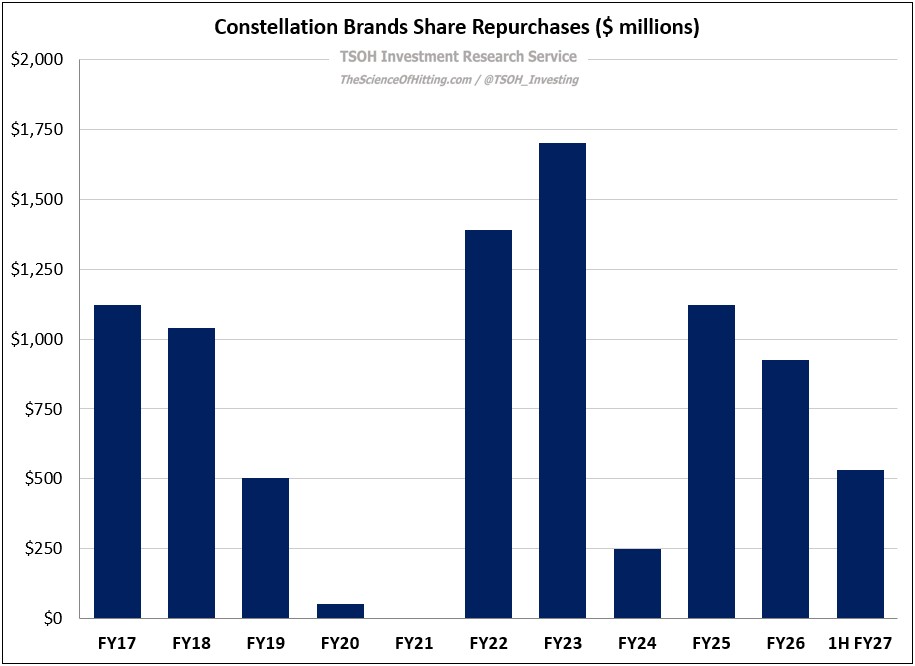
Constellation Brands trades near $127 at roughly 11x next-twelve-month EV/EBIT, with recent business results offsetting concerns over…

Transocean’s Valaris merger clears regulators, creating a 68-rig offshore driller controlling four in 10 global drillships.
October 2026 market commentary covers SOLS’s cancelled merger, a hypothetical Starbucks-Chipotle deal, Russell 2000 weakness and AI…

CoreWeave faces fresh skepticism as another AI trade selloff collides with bullish defenses of the company.

Ari Emanuel discusses AI’s impact on Hollywood, live events, social networks and the future of advertising.


Peabody Energy’s recovery case hinges on Centurion, coal-market leverage, capital allocation and balance-sheet strength amid commodity…
 CAN Analyst 1 click
 SIRI · long
 SiriusXM, SIRI, combines a 32% EBITDA margin with 3.6x net leverage and a 16% free-cash-flow margin despite elevated capex.

ServiceNow, SAP and Veeva are framed as AI-resistant SaaS bargains after a sector selloff, with ServiceNow positioned to gain from AI-agent…
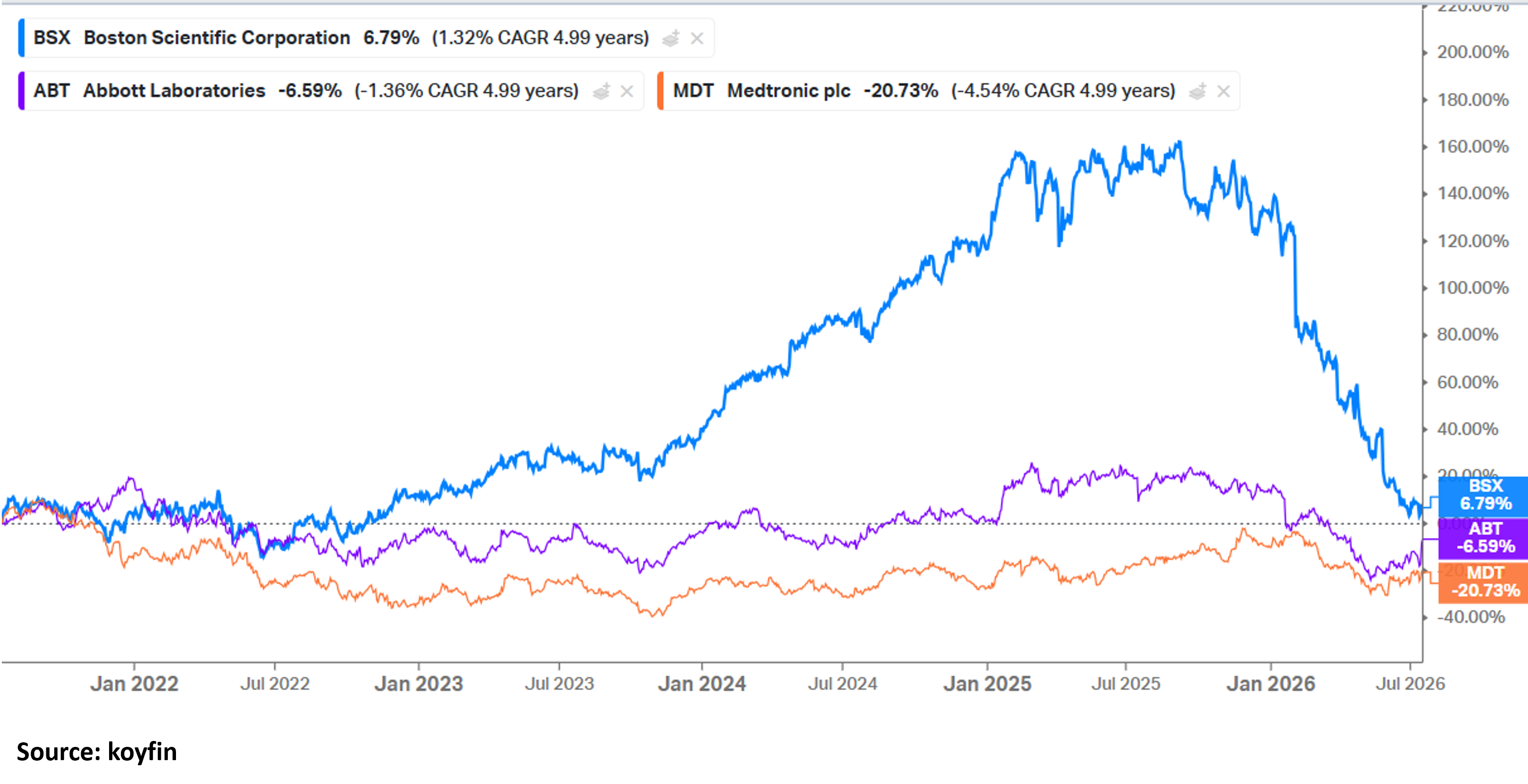
Boston Scientific built its interventional-medicine portfolio through acquisitions, but early-2000s growth became heavily dependent on the…
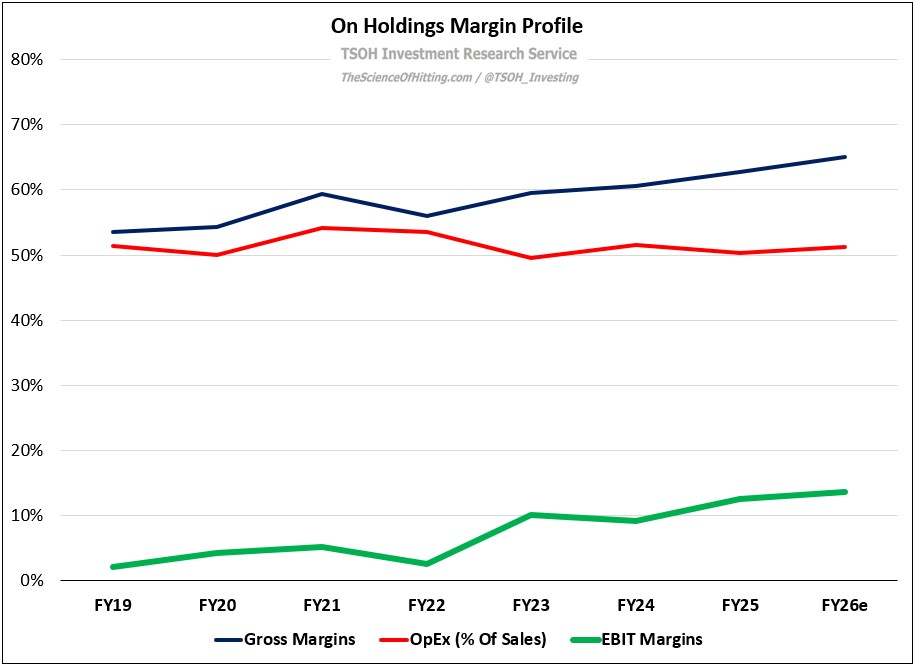
On Holdings expects roughly CHF 3.5 billion in FY26 revenue as running shoes drive growth, while APAC exceeds 20% of sales and apparel…

Semiconductor optical amplifiers offer compact, low-cost gain for LiDAR, long-haul links and ultra-high-power co-packaged optics, trading…

Jet2’s £4.5bn A321neo fleet renewal will constrain free cash flow through 2032, despite strong package-holiday growth, cash reserves and…

Synopsys and Cadence retain EDA pricing power through entrenched design flows, foundry relationships and high switching costs; AI-driven…
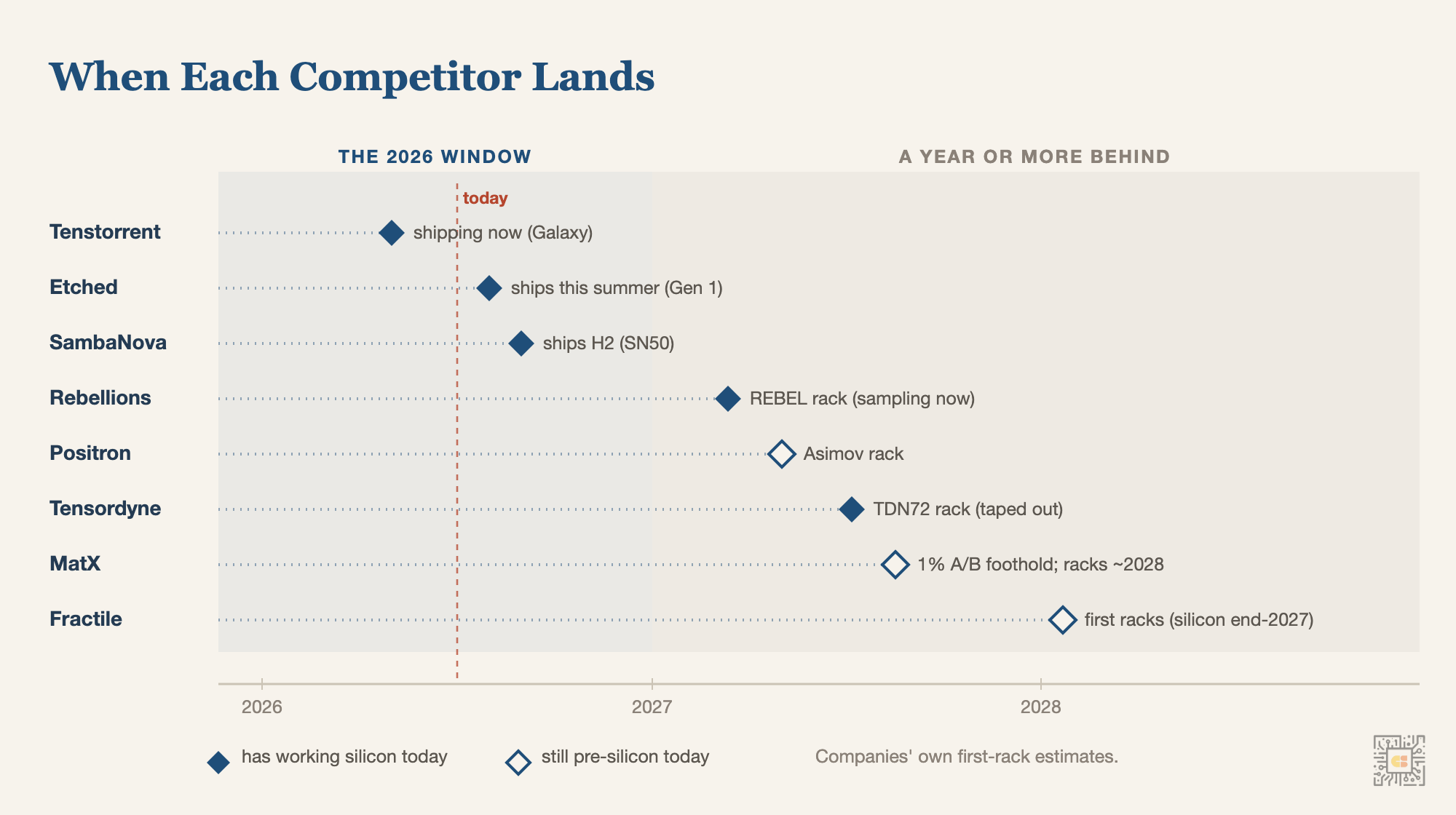
PostGPT inference-chip contenders need to run trillion-parameter models, ship rack-scale systems, beat GPUs on one KPI and win a frontier…

PayPal faces a $60.50-per-share buyout offer from Stripe and Advent, with a rejection or counteroffer above $80 viewed as more likely.
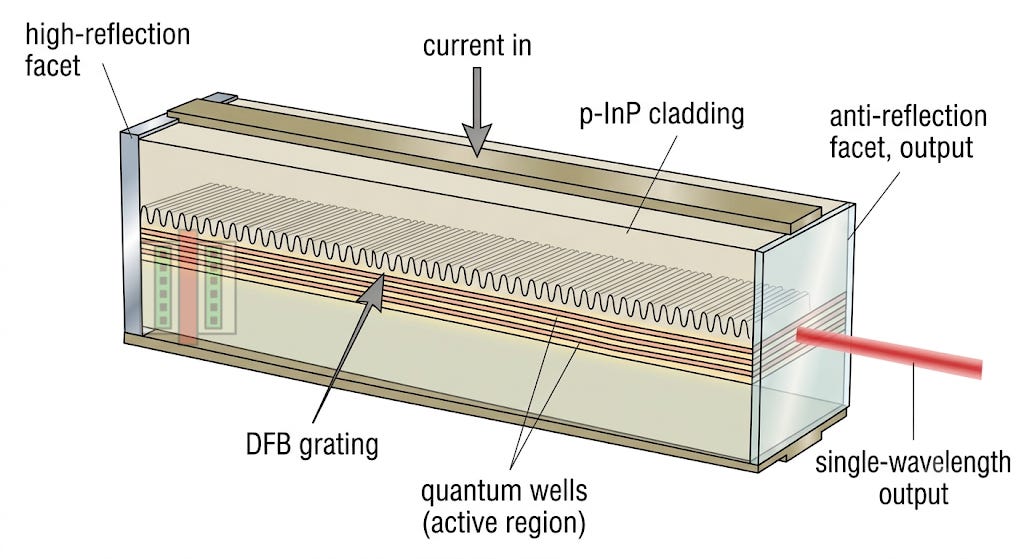
Lumentum’s InP DFB laser design for co-packaged optics traces to 2007 work and faces heat, linewidth, light-extraction and optical-damage…
Have a source we’re missing? Send your pick
Every publication on this site, hand-picked.
 Albert Anthony
 Andres Veurink
 Bay Area Ideas
 Blake Winiecki
 Capital Connoisseur
 David Zanoni
 Deep Value Investing
 Dhierin Bechai
 Dilantha De Silva
 Elliott Gue
 Equity Eagle
 Eudaemon Research
 Fernanda Galvez Jalil
 Henrik Alex
 High Alpha Professor
 Investor Overview
 IWA Research
 Jaden Mealy
 Julia Ostian
 Khaveen Investments
 LL Insights
 Long Player
 Marc Gerstein
 Melissa Tucker
 Mike Zaccardi, CFA, CMT
 Miletus Research
 Myriam Alvarez
 Petri Dish Reports
 Philip Wang
 Prakhar Agarwal, CFA
 PV Research
 Quantryon Capital
 Robert J. Lake
 Ron Ferrie
 Sam Mancini
 Sharon McArd
 SiliconBytes Insights
 Simple Investment Ideas
 Sorrento Research
 Stephen Ayers
 Steven Fiorillo
 The Alpha Analyst
 The Asian Investor
 The Bullionaire
 The Curious Analyst
 The J Thesis
 The Supercycle Investor
 The Undercovered Dozen
 Value Capital Research
 Vishal Jadaun
Every account on this site, hand-picked.
 ⚽️📡
⚽️📡 💥PETITION💥
 A Capital
 absreturnchaser
 Adam D. Wyden
 Alpha Vulture
 AltayCap
 Asif Suria
 Bank Reg Blog
 Barbarian Capital
 BDC
BDC Bill Ackman
 Brian McGough
 Broken Moats
 BuccoCapital Bloke
 Calvin Blissett
 catechwilliams
 Charles Frischer
 Chris Camillo
 Clark Square Capital
 Cluseau Investments
 Colin King
 Connor Haley
 Conor Maguire | Value Situations
 Convequity
 Dalius - Special Sits
 David Orr
 Deep Sail Capital
 Derek Pilecki
 Devin LaSarre
 DOMO Capital Management, LLC
 Edwin Dorsey
 Evan Tindell
 Fajasy
 Farmer
 Fierce_beast
 Fred Liu
 Gavin Baker
 George Noble
 Hunterbrook
 Ian Bezek
 Idea Brunch
 JabroniCoin.USD
 John_Hempton
 junkbondinvestor
 kab60
kab60 KEDM.com
 Kevin Mak
 Kuppy
Kuppy Laughing Water Capital
 Lee Roach
 Little Owl Research
 Maius
Maius Maj Soueidan
 marginofdanger
 mavix
mavix Mike
Mike Mikro Kap David
 Multiples Capital
 Myles
Myles Nat Stewart
 Negligible Capital
 Odd Diligence
 Odd Lot Arbitrageur
 PAA Research
 Paradis
 Pernas Research
 Porter Collins
 Prepared Remarks
 Psyop Capital
 Raging Capital Ventures
 Red Dog Capital RiverRoadPartners
 Rusholme Capital
 Sahil Khetpal
 Serenity
 SG
SG Sheel Mohnot
 Steve Eisman
 The Friendly Bear
 Tim Eriksen
 Timyan Bank Alert
 Todd Wenning
 ToffCap
 Trevor Scott
 Undiscovered Compounders
 Voss Capital
 Yaron Naymark
Ordered by how often our editor reaches for them.
Anything we’re missing?
Send us a pick