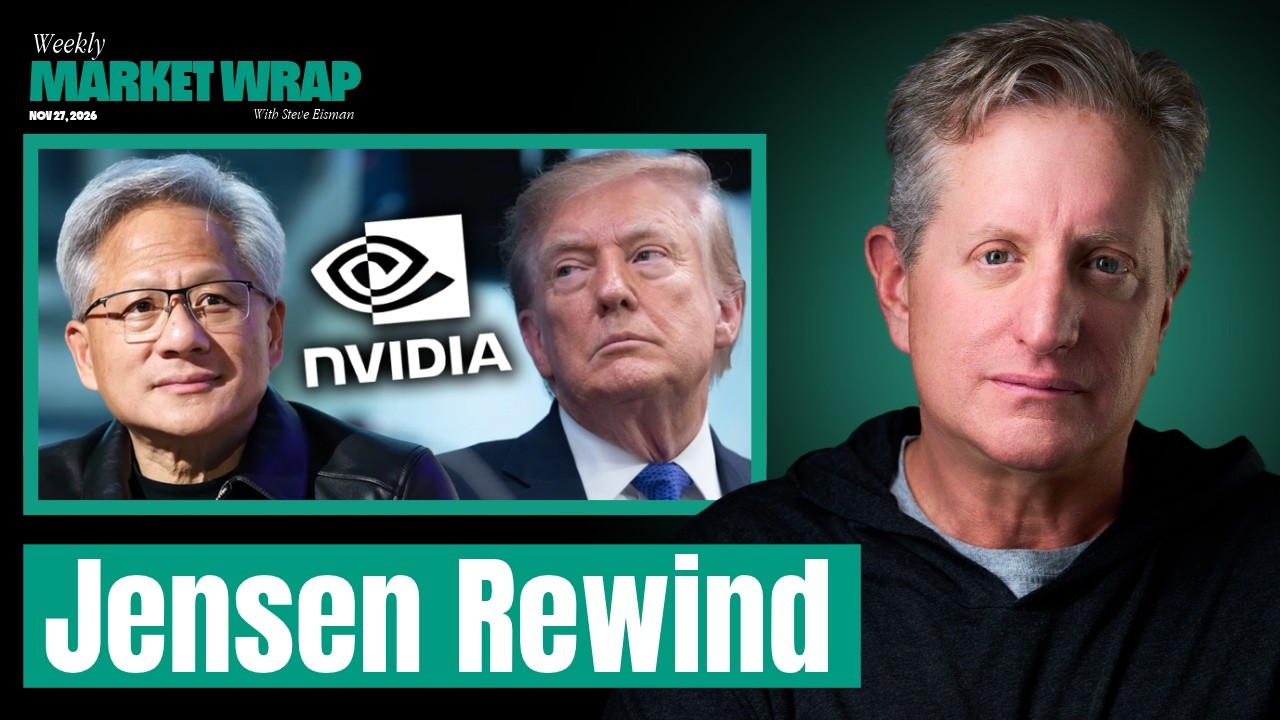
Jensen's Back; AI Review | The Weekly Wrap
Nvidia’s board reinstated Jensen Huang days after his resignation, prompting Steve Eisman to question CEO oversight and assess AI-chain risks, market swings and the 2027 outlook.
Nvidia’s board reinstated Jensen Huang days after his resignation, prompting Steve Eisman to question CEO oversight and assess AI-chain risks, market swings and the 2027 outlook.

Here’s my take on I would get the $VNO preferred paying 8.5% with class A NYC office & Fifth Ave retail and/or I get the AHRT common instead of the pref. Common has better price appreciation IMO Both have detailed paywalled write ups on my substack Too complex to get into details via tweets

$CROX is a subscription business at any household with kids

Moelis (MC) yields 5% after a 25% YTD decline, with its deal pipeline and 20% origination growth supporting an earnings rebound despite…
 Antti Leinonen 3 clicks

S&P Global, Moody’s and MSCI dominate ratings and index businesses, where contracts embed their products and segment margins reach 63% to…
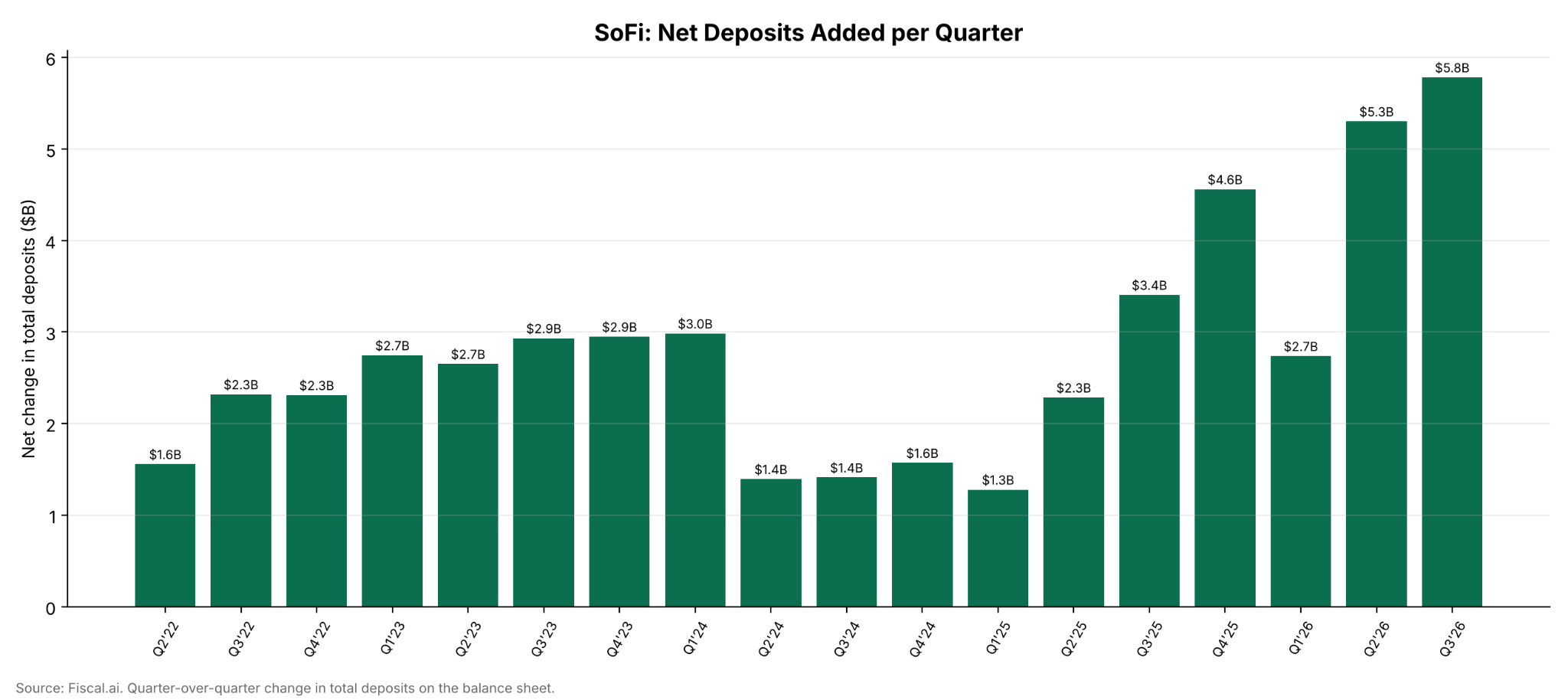
SoFi’s personal-loan accounting faces scrutiny over charge-offs and fair-value gains, while its deposit base has reached $50 billion and…

Elanco's 9% organic growth, lower 2.9x leverage and $600 million buyback shift its turnaround toward equity holders, despite competitive…
 Equity Eagle 4 clicks

Take-Two’s GTA VI generated $3.79 billion in first-day sales, setting up its next Grand Theft Auto Online as the larger long-term profit…

Belden’s $1.87 billion Ruckus acquisition lifted leverage near 4x as industrial networking, enterprise Wi-Fi and data-center demand drive…
Arm executives discuss OpenAI, supply constraints, an IP-to-silicon shift, and CPU demand from AI workloads.
CoreWeave and Nebius lead a neocloud shakeout as falling hyperscaler capex cuts funding for smaller rivals and concentrates capital behind…

Everus Construction’s $106 target assumes $5.8 billion in 2027 revenue, but Q3 margins relied heavily on contract estimate revisions.
 Number Cruncher
Compass Diversified faces ADW’s 2027 board challenge, while Wix’s AGM, Kenmare’s possible offer, Borr’s insurance claim and Aspo’s ESL…
Futu lost mainland China buy-order access after a RMB 1.85 billion fine, while expansion in Malaysia, Singapore and the US supports its…
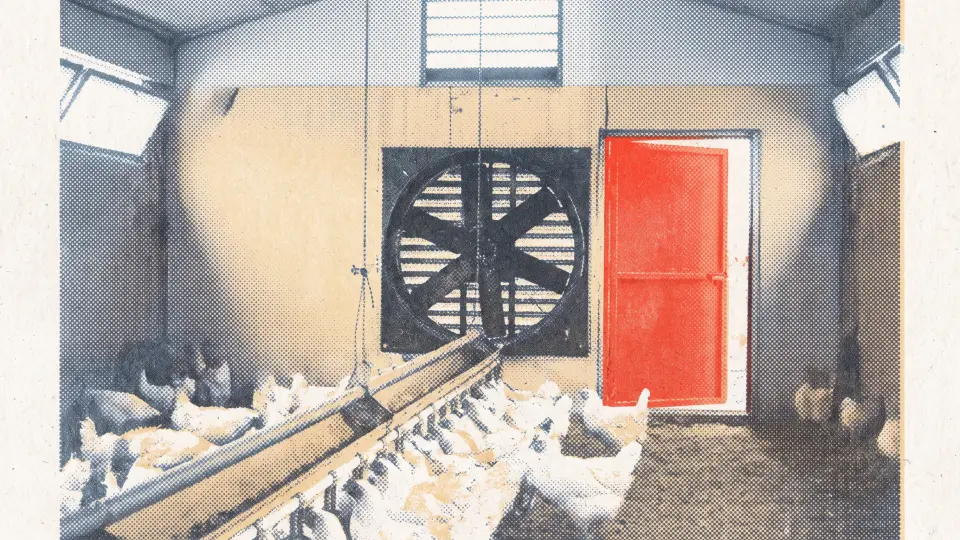 CALM · long
Cal-Maine Foods, the largest U.S. egg producer, is pitched long as low egg prices and industry oversupply push producers into losses.

Howmet Aerospace’s gas-turbine and aircraft demand supports volume-led margin expansion, with data-center power projects, engine upgrades…
 Value Capital Research

Copart shifted from cash accumulation to $1.63 billion of buybacks and a $1.9 billion ACV Auctions purchase after years of yard investment…

AutoZone spent $6.7 billion on buybacks over three years, cutting shares 9.4%, but whether remaining holders gained depends on the value…
Domino’s 7% five-year system-sales target equates to 4.7% after inflation, the historical median for peers, but growth slowed to 3.2% in…
Remitly grew Q3 revenue 22% and nearly doubled adjusted EBITDA as digital remittances take share, with fixed-cost leverage supporting…
 Universe of Mind 6 clicks
Semtech bought an Alhambra indium phosphide laser fab for $34 million as data center revenue rose 158% to $145 million.

Autodesk raised FY1/27 guidance after Q3 revenue rose 17% to $2.16 billion, while its $3.6 billion MaintainX acquisition shifted the…
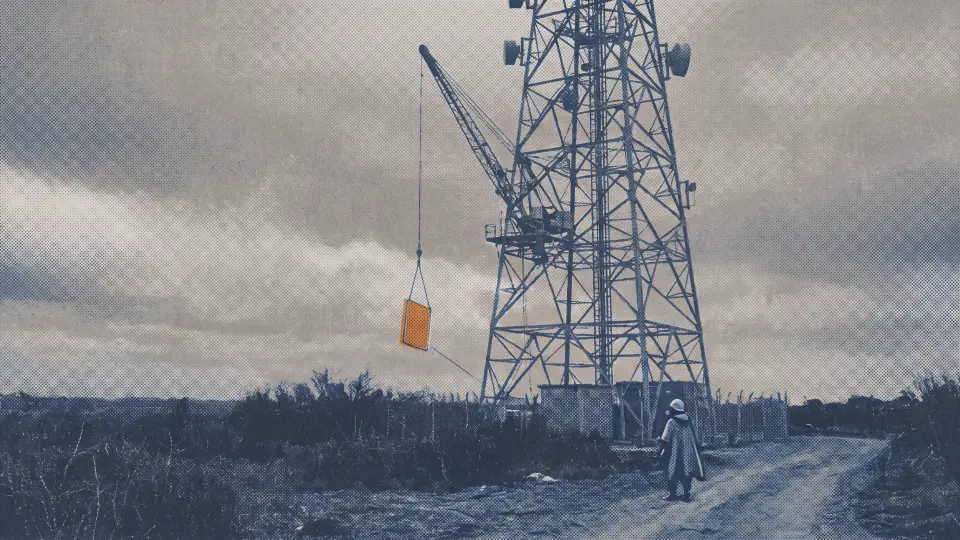
SBA Communications trades at 14.2 times estimated 2026 AFFO, but Sprint and EchoStar churn plus refinancing costs could delay cash-flow…
 Atlas Diary 4 clicks
Every publication on this site, hand-picked.
 Adam Schadt
 Albert Anthony
 Alexander Grover
 ALLKA Research
 Andres Veurink
 APAC Research
 Arizona Equity Research Atlas Diary
 Bay Area Ideas
 Benjamin C. Barry
 Bernard Zambonin
 Blake Winiecki
 Capital Connoisseur
 Chetan Woodun
 Crimson And Gold Research
 Cypriot Invests
 Dane Bowler
 Daniel Bell
 Daniel James
 Daniel Jones
 Daniel Schönberger
 Danil Sereda
 David Zanoni
 Deep Value Investing
 Dhierin Bechai
 Dilantha De Silva
 Dustin Quasney
 Edmund Ingham
 Elliott Gue Equity Eagle
 Eudaemon Research
 Fernanda Galvez Jalil
 Fountainhead
 Fundamental Options
 Gary Gambino
 Geneva Investor
 Gil Rotstein
 Given Mahlangu
 Grassroots Trading
 GT Research
 Gytis Zizys
 Henrik Alex
 High Alpha Professor
 Ignacio Planas Gonzalez
 Infinity Curve
 Investor Overview
 IWA Research
 Jaden Mealy
 JR Research
 Julia Ostian
 Juxtaposed Ideas
 Kevin Avroutskii
 Khaveen Investments
 Kurt Christensen
 Lee Bailey
 LL Insights
 Long Player
 Louis Gerard
 M&M Capital
 Marc Gerstein
 Market Edge Researcher
 Melissa Tucker
 Mike Arnold
 Mike Zaccardi, CFA, CMT
 Miletus Research
 Motti Sapir
 Multiplo Invest
 Myriam Alvarez
 Narek Hovhannisyan
 Nicholas Thomas Lowry
 Nicolas Bolsinger Number Cruncher
 Oakoff Investments
 Oliver Rodzianko
 Petri Dish Reports
 Philip Wang
 Prakhar Agarwal, CFA
 PropNotes
 PV Research
 Pythia Research
 Quantryon Capital
 Robert J. Lake
 Ron Ferrie
 Rubicon Associates
 Ryan Canady
 Sam Mancini
 Sanjay Swamy
 Seeking Profits
 Sharon McArd
 SiliconBytes Insights
 Simple Investment Ideas
 Sorrento Research
 Stephen Ayers
 Steven Fiorillo
 Tech and Growth
 Terry Chrisomalis
 The Alpha Analyst
 The Asian Investor
 The Bullionaire
 The Curious Analyst
 The J Thesis
 The Market Auditor
 The Supercycle Investor
 The Undercovered Dozen
 Tim Travis
 Uttam Dey Value Capital Research
 Vishal Jadaun
 Yiannis Zourmpanos
 Zoltan Ban
Every account on this site, hand-picked.
 ⚽️📡
 💥PETITION💥
 A Capital
 absreturnchaser
 Adam D. Wyden
 Alpha Vulture
 AltayCap
 Asif Suria
 Bank Reg Blog Barbarian Capital
 BDC
 Bill Ackman
 Brian McGough
 Broken Moats
 BuccoCapital Bloke
 Calvin Blissett
 catechwilliams
 Charles Frischer
 Chris Camillo
 Clark Square Capital
 Cluseau Investments
 Colin King
 Connor Haley
 Conor Maguire | Value Situations
 Convequity
 Dalius - Special Sits
 David Orr
 Deep Sail Capital
 Derek Pilecki
 Devin LaSarre
 DOMO Capital Management, LLC
 Edwin Dorsey
 Evan Tindell
 Fajasy
 Farmer
 Fierce_beast
 Fred Liu
 Garrett Arms
 Gavin Baker
 George Noble
 Hunterbrook
 Ian Bezek
 Idea Brunch
 JabroniCoin.USD
 Japan Deep Value
 John_Hempton
 junkbondinvestor
 kab60
 KEDM.com
 Kevin Mak
 Kingdom Capital
 Kuppy
 Laughing Water Capital
 Lee Roach
 Little Owl Research
 Maius
 Maj Soueidan
 marginofdanger
 mavix
 Mike
 Mikro Kap David Mr Neutral Man aka "Howard Marks of REITs”
 Multiples Capital
 Myles
 Nat Stewart
 Negligible Capital
 Odd Diligence
 Odd Lot Arbitrageur
 PAA Research
 Paradis
 Pernas Research
 Porter Collins
 Prepared Remarks
 Psyop Capital
 Raging Capital Ventures
 Red Dog Capital RiverRoadPartners
 Rohan Pavuluri
 Rusholme Capital
 Sahil Khetpal
 Serenity
 SG
 Sheel Mohnot
 SouthernValue
 Steve Eisman
 The Friendly Bear
 Tim Eriksen
 Timyan Bank Alert
 Todd Wenning
 ToffCap
 Trevor Scott
 Undiscovered Compounders
 Voss Capital
 Yaron Naymark
Ordered by how often our editor reaches for them.