Knife River: A Transitional Year at a Trough Multiple
Knife River expects FY26 EBITDA margin to fall 138 basis points as project delays and fuel costs bite, while Sharper EDGE targets production, pricing and AI-led efficiency gains in 2027.
Knife River expects FY26 EBITDA margin to fall 138 basis points as project delays and fuel costs bite, while Sharper EDGE targets production, pricing and AI-led efficiency gains in 2027.

@yenoms $FLY pr was there yesterday. Resets in March. Thx for voya and fcncn

Chord Energy trades at 3x mid-cycle EV/EBITDA with a 15% free-cash-flow yield at $75 WTI, while repurchasing shares and expanding its…
 Ron Ferrie 1 click

GFL’s halted sale process sets a $52 to $58 per-share range, while its Secure acquisition could redirect investor attention toward…

Century Aluminum (CENX) could benefit from U.S. tariffs, Midwest aluminum premiums and constrained global supply, with the stock trading…

Figma grew Q3 revenue 43% to $391.4 million, raised FY2026 guidance to nearly $1.5 billion and guided Q4 above consensus despite the stock…

Monte Investments rotated Nvidia into Alphabet before earnings and reviews Knife River’s margin squeeze, AMD’s World Labs acquisition, and…

Modine’s record data-center backlog, hyperscaler contracts and capacity expansion support earnings growth, while reported Samsung takeover…
 Value Capital Research
Ondas reported $167.5 million in Q3 revenue but spent $562 million of cash, halved gross margin and fell below its $6 stop level.

Offshore Radar maps 160-plus listed offshore rigs, contracts, day rates and uncontracted capacity through 2029.

Travere Therapeutics' FILSPARI has two FDA approvals and is driving revenue growth, while TVTX shares have nearly tripled since August 2025.
 Out of Ignorance 3 clicks
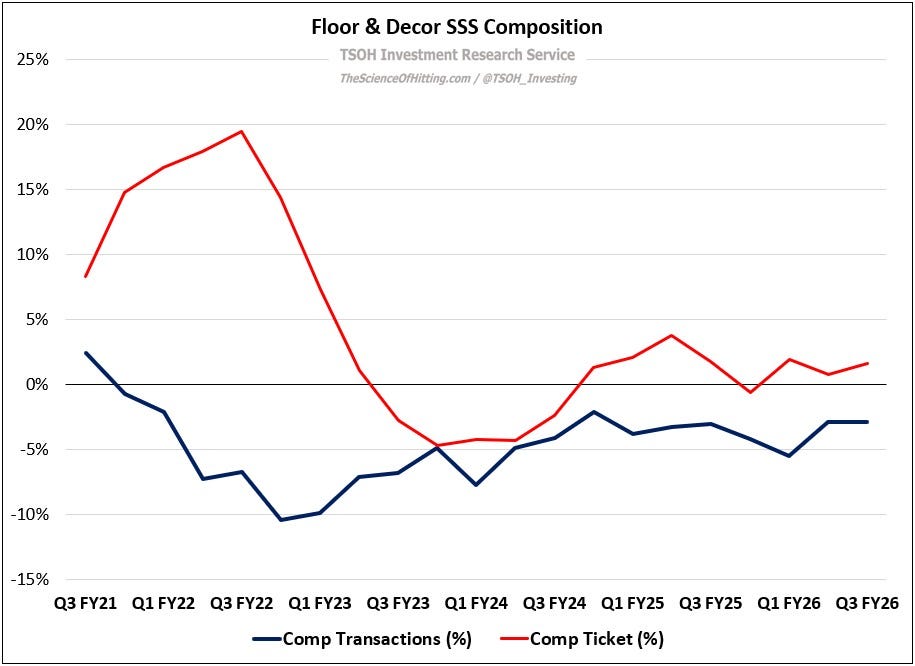
Floor & Decor has logged 20 straight quarters of comp transaction declines, with Q3 quarter-to-date same-store sales down about 3.8% as…
 FLR · long
Fluor (FLR), an EPC and project-management contractor, is positioned to benefit from multiple end-market investment super-cycles.

Q3 updates cover Crocs, Entravision and Fiserv beats, coal and oil weakness, and Xerox’s sharp decline, testing the underlying cases for…

Navios Maritime Partners trades at a deep discount to adjusted NAV, with contracted fleet revenue and buybacks offset by newbuild financing…
 Atlas Diary

Bill Ackman speaks with Yahoo Finance about a market shifting toward cash flow and durable business quality.

Sprouts Farmers Market is rated a buy at $50 after a 40% decline, contingent on maintaining store economics as same-store sales and margins…
 Louis Liu, Esq 6 clicks
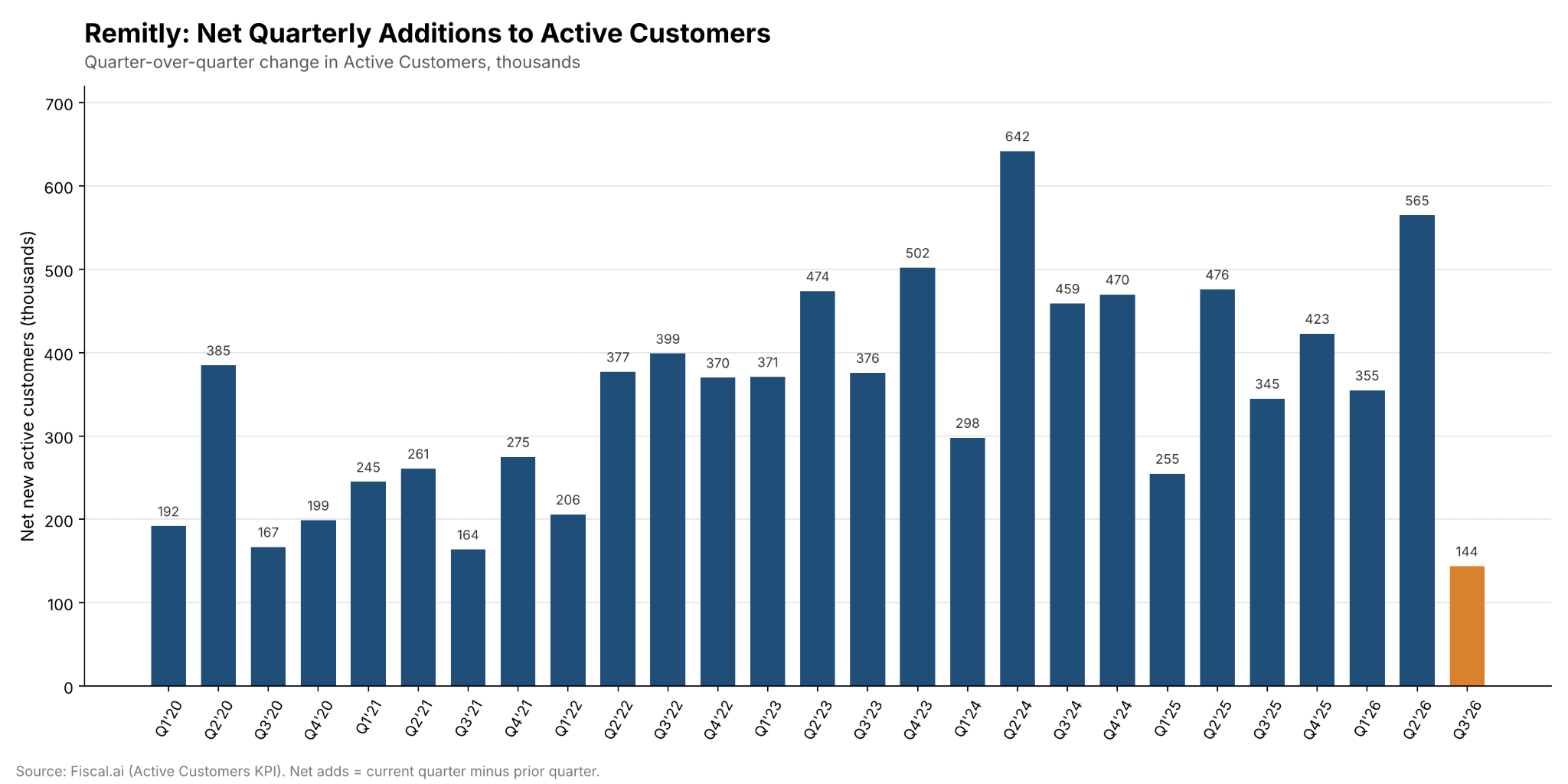
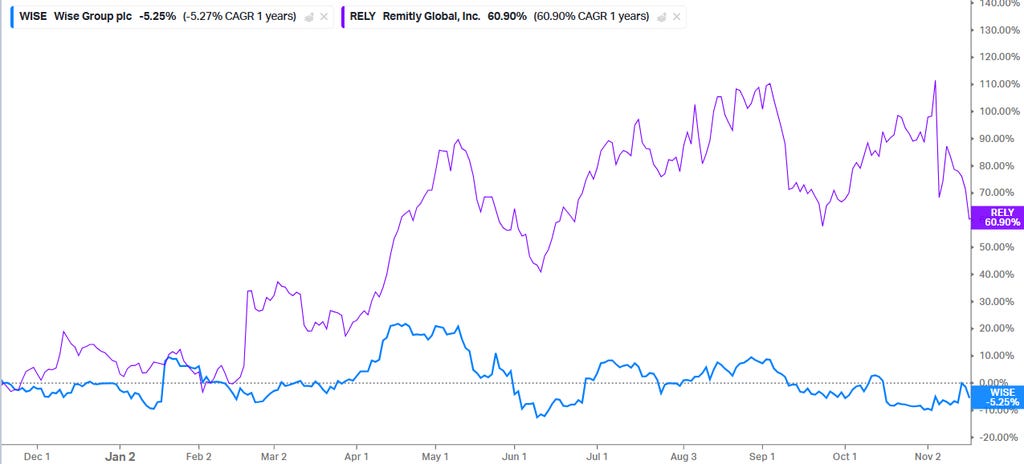
Remitly’s Q3 keeps its remittance growth thesis intact as spending cards, memberships and credit products target $1 billion in annual…
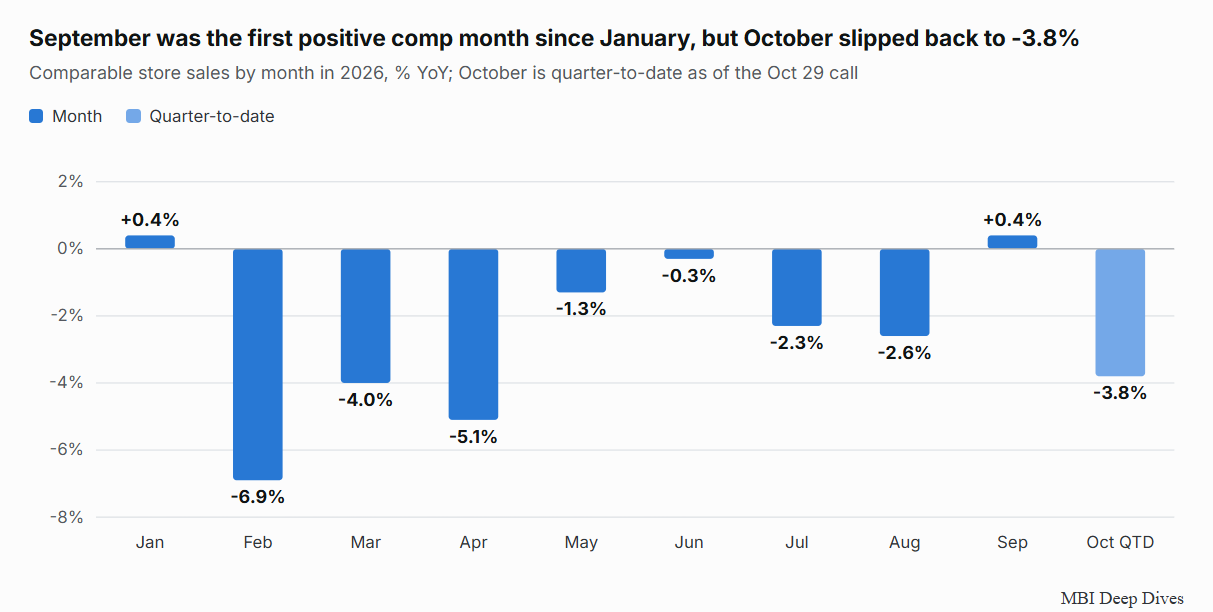
Floor & Decor cut its 2026 outlook again, with EBITDA guidance falling to $535-550 million and 2027 openings slowing to 10-15 as housing…
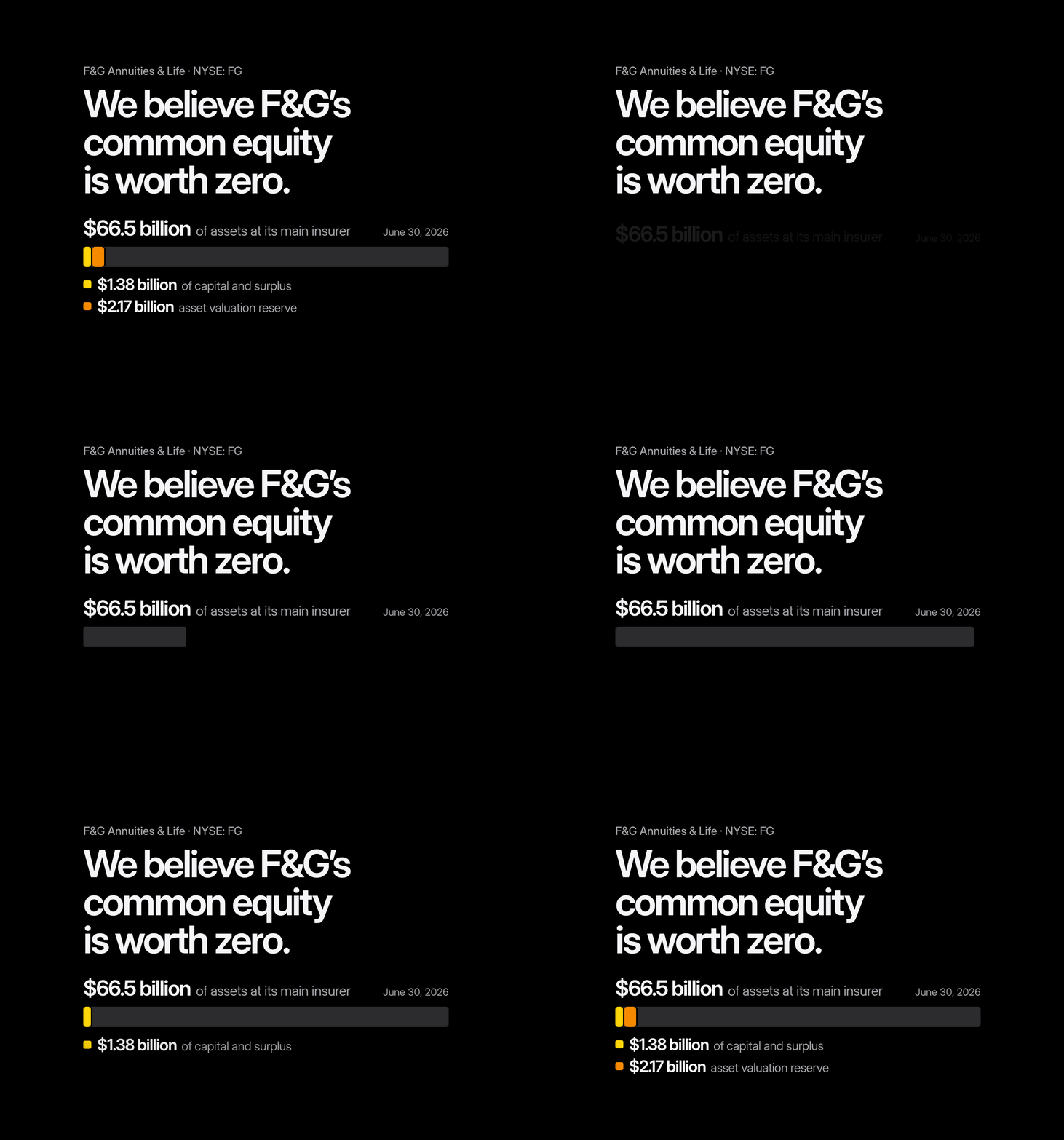
F&G’s main insurer held $66.5 billion of assets against $1.38 billion of statutory capital, while private credit, reinsurance dependence…

AutoNation’s new CEO Mike Manley brings Jeep and Fiat Chrysler experience after the dealer chain cycled through three leaders in 30 months.

International Seaways reported $291.4 million of Q3 adjusted net income and has 53% of Q4 booked at strong spot rates, supporting projected…
 Kevin Avroutskii 3 clicks
Every publication on this site, hand-picked.
 Adam Schadt
 Albert Anthony
 Alexander Grover
 Andres Veurink
 APAC Research
 Arizona Equity Research Atlas Diary
 Bay Area Ideas
 Benjamin C. Barry
 Bernard Zambonin
 Blake Winiecki
 Capital Connoisseur
 Chetan Woodun
 Crimson And Gold Research
 Cypriot Invests
 Dane Bowler
 Daniel Bell
 Daniel Jones
 Daniel Schönberger
 Danil Sereda
 David Zanoni
 Deep Value Investing
 Dhierin Bechai
 Dilantha De Silva
 Dustin Quasney
 Elliott Gue
 Equity Eagle
 Eudaemon Research
 Fernanda Galvez Jalil
 Fountainhead
 Gary Gambino
 Geneva Investor
 Gil Rotstein
 Given Mahlangu
 Gytis Zizys
 Henrik Alex
 High Alpha Professor
 Ignacio Planas Gonzalez
 Infinity Curve
 Investor Overview
 IWA Research
 Jaden Mealy
 JR Research
 Julia Ostian Kevin Avroutskii
 Khaveen Investments
 Kurt Christensen
 Lee Bailey
 LL Insights
 Long Player
 Louis Gerard
 M&M Capital
 Marc Gerstein
 Melissa Tucker
 Mike Arnold
 Mike Zaccardi, CFA, CMT
 Miletus Research
 Motti Sapir
 Multiplo Invest
 Myriam Alvarez
 Nicolas Bolsinger
 Number Cruncher
 Oakoff Investments
 Petri Dish Reports
 Philip Wang
 Prakhar Agarwal, CFA
 PropNotes
 PV Research
 Quantryon Capital
 Robert J. Lake Ron Ferrie
 Rubicon Associates
 Ryan Canady
 Sam Mancini
 Sanjay Swamy
 Seeking Profits
 Sharon McArd
 SiliconBytes Insights
 Simple Investment Ideas
 Sorrento Research
 Stephen Ayers
 Steven Fiorillo
 Terry Chrisomalis
 The Alpha Analyst
 The Asian Investor
 The Bullionaire
 The Curious Analyst
 The J Thesis
 The Market Auditor
 The Supercycle Investor
 The Undercovered Dozen
 Tim Travis
 Uttam Dey Value Capital Research
 Vishal Jadaun
 Yiannis Zourmpanos
 Zoltan Ban
Every account on this site, hand-picked.
 ⚽️📡
 💥PETITION💥
 A Capital
 absreturnchaser
 Adam D. Wyden
 Alpha Vulture
 AltayCap
 Asif Suria
 Bank Reg Blog
 Barbarian Capital
 BDC
 Bill Ackman
 Brian McGough
 Broken Moats
 BuccoCapital Bloke
 Calvin Blissett
 catechwilliams
 Charles Frischer
 Chris Camillo
 Clark Square Capital
 Cluseau Investments
 Colin King
 Connor Haley
 Conor Maguire | Value Situations
 Convequity
 Dalius - Special Sits
 David Orr
 Deep Sail Capital
 Derek Pilecki
 Devin LaSarre
 DOMO Capital Management, LLC
 Edwin Dorsey
 Evan Tindell
 Fajasy
 Farmer
 Fierce_beast
 Fred Liu
 Garrett Arms
 Gavin Baker
 George Noble
 Hunterbrook
 Ian Bezek
 Idea Brunch
 JabroniCoin.USD
 Japan Deep Value
 John_Hempton
 junkbondinvestor
 kab60
 KEDM.com
 Kevin Mak
 Kingdom Capital
 Kuppy
 Laughing Water Capital
 Lee Roach
 Little Owl Research
 Maius
 Maj Soueidan
 marginofdanger
 mavix
 Mike
 Mikro Kap David
 Mr Neutral Man aka "Howard Marks of REITs”
 Multiples Capital
 Myles
 Nat Stewart
 Negligible Capital
 Odd Diligence
 Odd Lot Arbitrageur
 PAA Research
 Paradis
 Pernas Research
 Porter Collins
 Prepared Remarks
 Psyop Capital
 Raging Capital Ventures
 Red Dog Capital RiverRoadPartners
 Rohan Pavuluri
 Rusholme Capital
 Sahil Khetpal
 Serenity
 SG
 Sheel Mohnot
 SouthernValue
 Steve Eisman
 The Friendly Bear
 Tim Eriksen Timyan Bank Alert
 Todd Wenning
 ToffCap
 Trevor Scott
 Undiscovered Compounders
 Voss Capital
 Yaron Naymark
Ordered by how often our editor reaches for them.