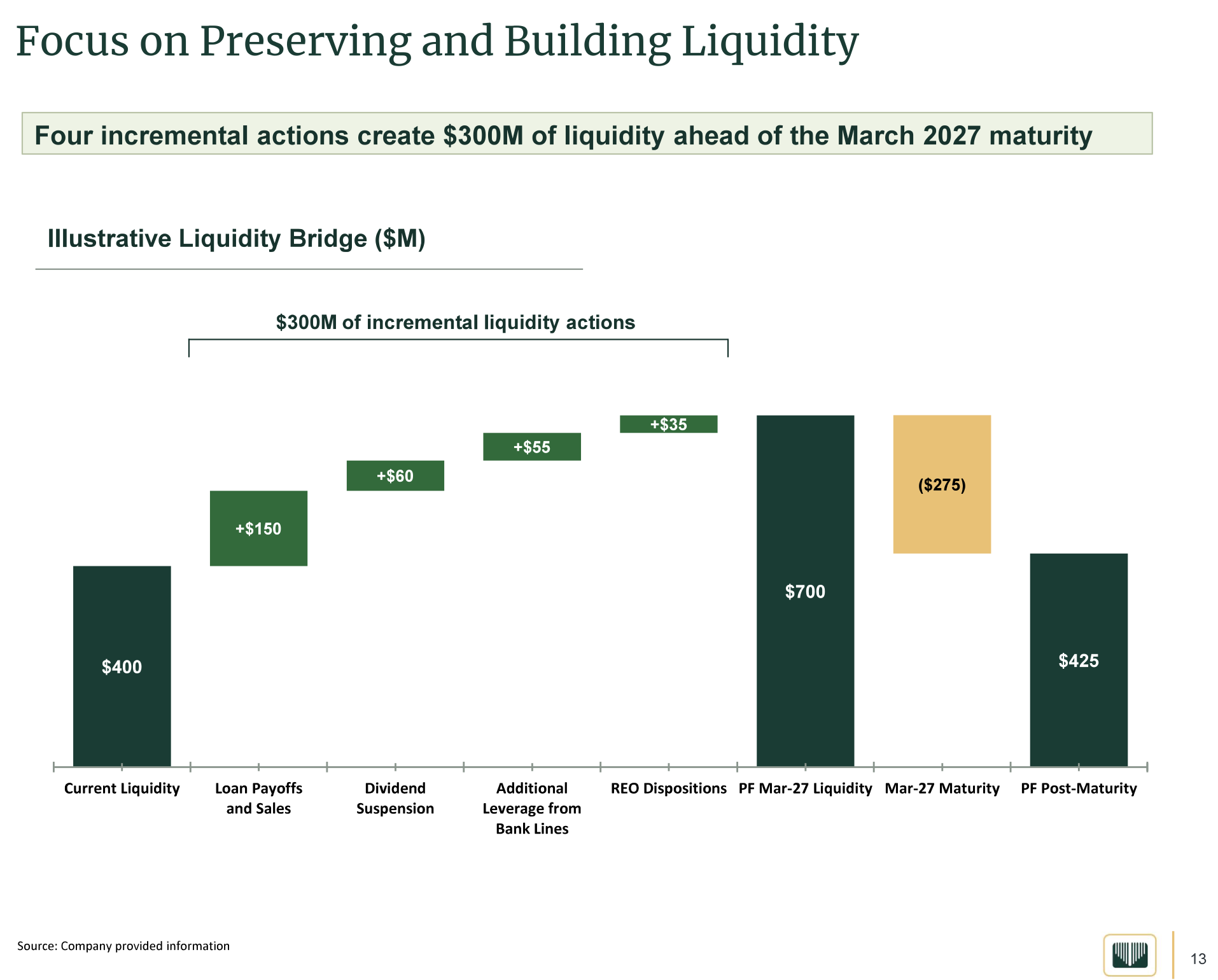
When the liquidity does not add up
Arbor Realty Trust’s dividend suspension is presented as creating $60 million of liquidity, raising questions about its ability to meet 2027 debt maturities.
Arbor Realty Trust’s dividend suspension is presented as creating $60 million of liquidity, raising questions about its ability to meet 2027 debt maturities.
$SPCOQ just popped hard. Looking to see if their Talc bankruptcy was approved. https://t.co/sumHp5UMLx
@charrisinvest @netnethunter I don’t think there is any. @The_Bank_Slate had any interview with him a couple years ago. Best is to dig up old 13d filings. $BRBS is a good proxy. https://t.co/7oB9174W5Y
$BORR Troim keeps buying. I'm long. https://t.co/tKu5H0eJjN
$CPAC played out as expected, returning +18% in six months. The remaining 2% spread should close with the offer, expected between mid-November and mid-December. Full pitch on SSI. https://t.co/p8kx8nA0hK

Markel spent $315 million repurchasing shares in Q3 as Thrive agreed to buy ADT for $7.6 billion and Hasbro cited rising adult toy demand.

Tango Therapeutics reported an 82% response rate and 88% nine-month PFS for vopimetostat plus RASONQUE in RAS-mutant pancreatic cancer,…
 Terry Chrisomalis 2 clicks

Smart Fit, Brazil’s SMFT3, is expanding its low-cost gym network across Latin America, with corporate-wellness platform TotalPass adding to…

Miami International Holdings posted 20% Q3 revenue growth and 47% EBITDA growth as options volumes, market-share gains and operating…
 Seeking Profits 4 clicks

One Stop Systems grew Q3 continuing-operations revenue 36% to $12.6 million, raised FY2026 revenue guidance to $45 million, and used $11.8…
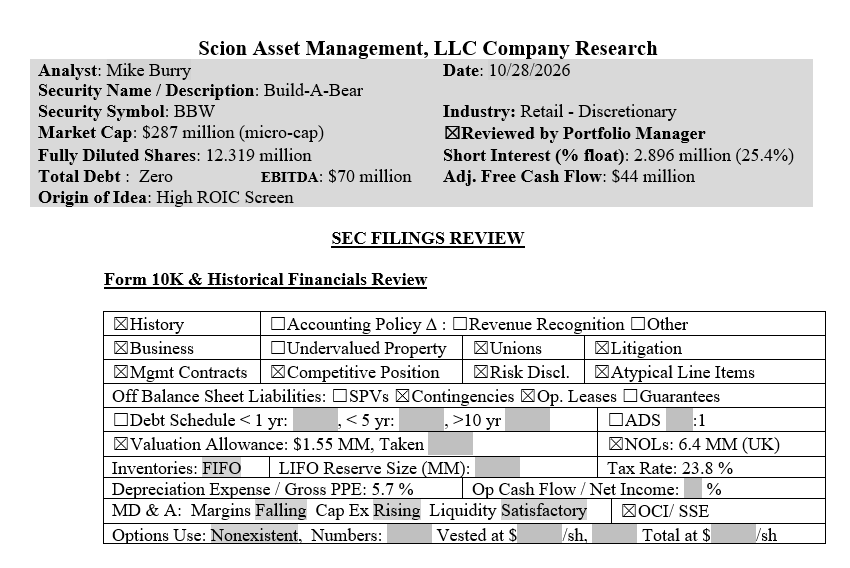
Build-A-Bear’s lease overhaul, off-mall expansion and partner-led wholesale growth reshaped a debt-free retailer with $80 million EBITDA,…
Mattel, Winnebago and PayPal lead 37 special situations spanning activist campaigns, buybacks, M&A and strategic alternatives.

Duos Technologies, DUOT, has shifted to modular edge data center pods, with Q2 revenue up 30% to $6.18 million and FY27 revenue guided…
 Shareholders Unite 2 clicks

Group 1 Automotive trades at 5.5 times earnings as aging gasoline vehicles and EV repairs sustain service profits; insiders bought while…
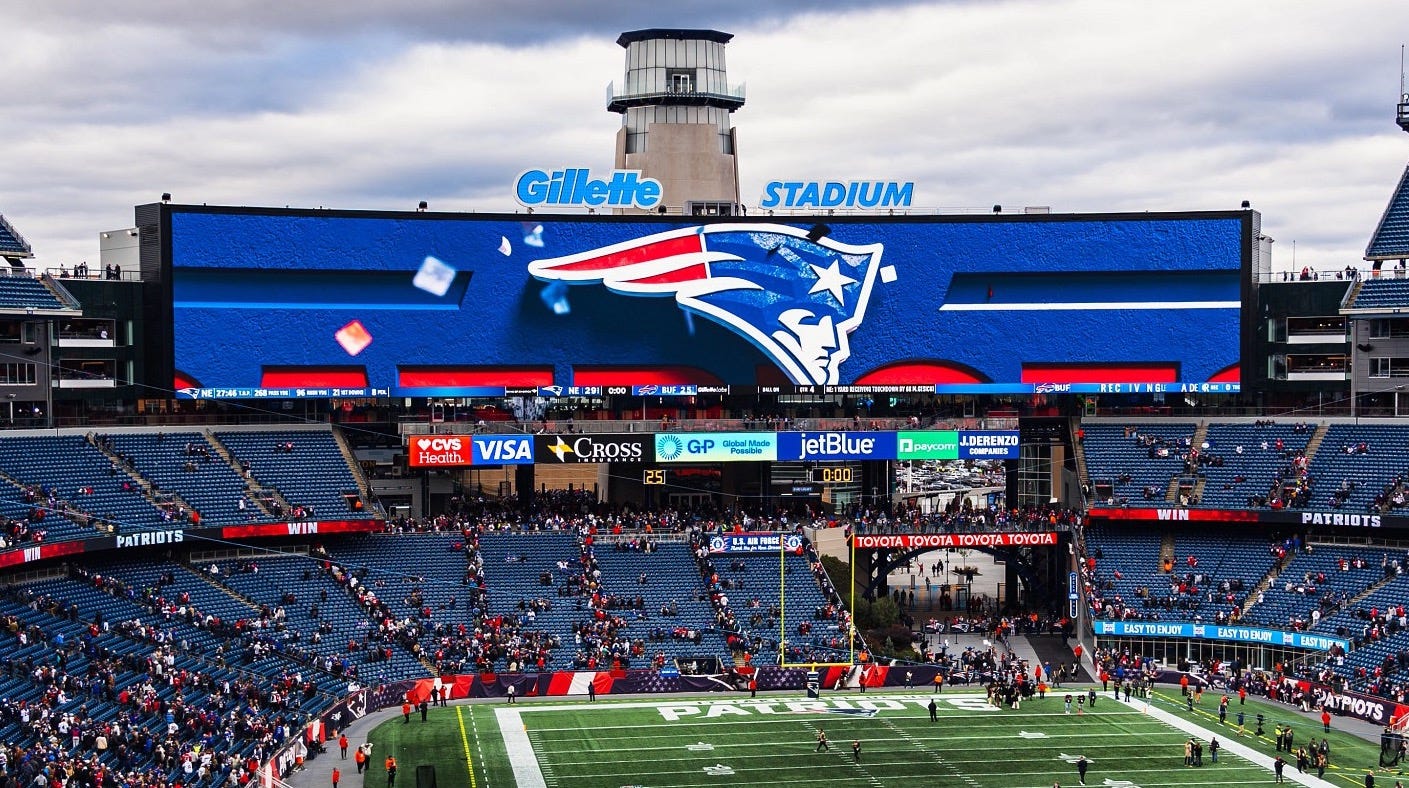
Daktronics, the leader in U.S. sports video boards, targets 10-12% EBIT margins after shifting production to China and Mexico and exiting…
 PSN · long
Parsons generates roughly half of its $6.4 billion revenue from Federal Solutions, serving defense and intelligence customers.

Rithm Capital’s 0.74x-book valuation and 2.2x dividend coverage contrast with Dynex’s payout above earnings, leaving RITM better positioned…
 Benjamin C. Barry

Enova’s Q3 2026 revenue exceeded $1 billion as originations rose 31%, while its failed Grasshopper Bank bid drove a 23% one-day stock…

Xenia Hotels & Resorts pairs luxury hotel assets, brand affiliations and planned renovations with investment-grade credit and covered…
 Albert Anthony 2 clicks

Innodata shares fell 25% to $44.74 after India Today reported 550 job cuts in India.

AppFolio grew third-quarter revenue 19% as Realm-X AI agents gained adoption, lifting guidance to $1.122 billion to $1.127 billion.

TTM Technologies’ record Q3 and data-center exposure drove a 27.7% stock drop as investors questioned debt-funded growth, leverage and the…
 Nicolas Bolsinger 1 click

Monte Investments updates Carpenter Technology after a 25% sell-off, tracks EQT’s $12.83 billion Range Resources acquisition and assesses…
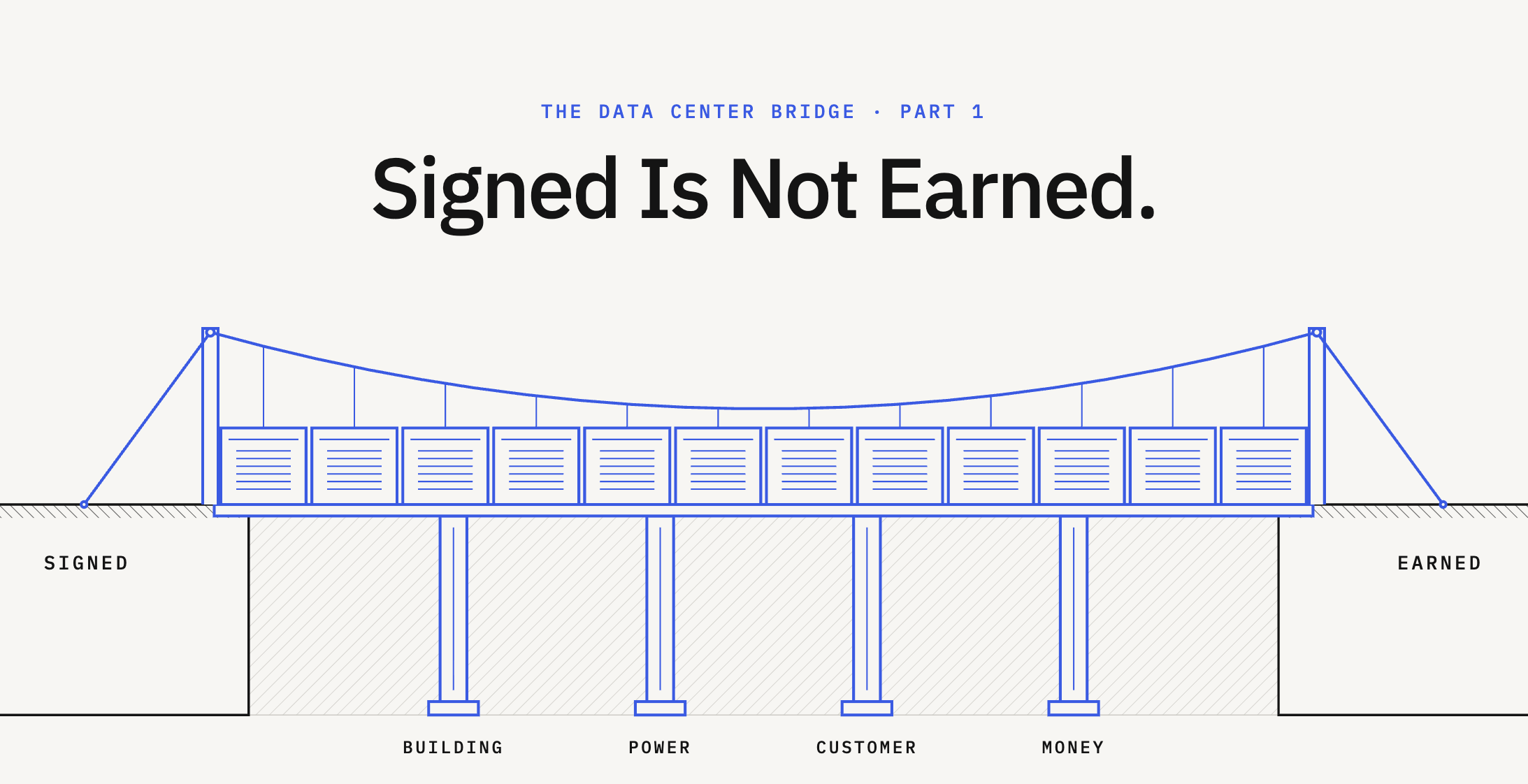
Small- and mid-cap data center stocks trade as one despite sharply different funding bridges: 12 of 15 cover fixed costs on signed…

A Brazilian digital bank with 45 million clients fell 36% after Lula’s election, despite 16.3% ROE, 13 record quarters and a 7.4x earnings…
Every publication on this site, hand-picked.
 Adam Schadt Albert Anthony
 Andres Veurink
 Arizona Equity Research
 Bay Area Ideas
 Blake Winiecki
 Capital Connoisseur
 Dane Bowler
 David Zanoni
 Deep Value Investing
 Dhierin Bechai
 Dilantha De Silva
 Dustin Quasney
 Elliott Gue
 Equity Eagle
 Eudaemon Research
 Fernanda Galvez Jalil
 Fountainhead
 Geneva Investor
 Given Mahlangu
 Henrik Alex
 High Alpha Professor
 Ignacio Planas Gonzalez
 Infinity Curve
 Investor Overview
 IWA Research
 Jaden Mealy
 JR Research
 Julia Ostian
 Khaveen Investments
 Kurt Christensen
 LL Insights
 Long Player
 Marc Gerstein
 Melissa Tucker
 Mike Arnold
 Mike Zaccardi, CFA, CMT
 Miletus Research
 Myriam Alvarez
 Petri Dish Reports
 Philip Wang
 Prakhar Agarwal, CFA
 PropNotes
 PV Research
 Quantryon Capital
 Robert J. Lake
 Ron Ferrie
 Ryan Canady
 Sam Mancini Seeking Profits
 Sharon McArd
 SiliconBytes Insights
 Simple Investment Ideas
 Sorrento Research
 Stephen Ayers
 Steven Fiorillo
 The Alpha Analyst
 The Asian Investor
 The Bullionaire
 The Curious Analyst
 The J Thesis
 The Market Auditor
 The Supercycle Investor
 The Undercovered Dozen
 Tim Travis
 Uttam Dey
 Value Capital Research
 Vishal Jadaun
 Zoltan Ban
Every account on this site, hand-picked.
 ⚽️📡
 💥PETITION💥
 A Capital
 absreturnchaser
 Adam D. Wyden
 Alpha Vulture
 AltayCap
 Asif Suria
 Bank Reg Blog
 Barbarian Capital
 BDC
 Bill Ackman
 Brian McGough
 Broken Moats
 BuccoCapital Bloke
 Calvin Blissett
 catechwilliams
 Charles Frischer
 Chris Camillo
 Clark Square Capital
 Cluseau Investments
 Colin King
 Connor Haley
 Conor Maguire | Value Situations
 Convequity
 Dalius - Special Sits
 David Orr
 Deep Sail Capital
 Derek Pilecki
 Devin LaSarre
 DOMO Capital Management, LLC
 Edwin Dorsey
 Evan Tindell
 Fajasy
 Farmer
 Fierce_beast
 Fred Liu
 Gavin Baker
 George Noble
 Hunterbrook
 Ian Bezek
 Idea Brunch
 JabroniCoin.USD
 John_Hempton
 junkbondinvestor
 kab60
 KEDM.com
 Kevin Mak
 Kuppy
 Laughing Water Capital
 Lee Roach
 Little Owl Research
 Maius
 Maj Soueidan
 marginofdanger
 mavix
 Mike
 Mikro Kap David
 Mr Neutral Man aka "Howard Marks of REITs”
 Multiples Capital
 Myles
 Nat Stewart
 Negligible Capital
 Odd Diligence
 Odd Lot Arbitrageur
 PAA Research
 Paradis
 Pernas Research
 Porter Collins
 Prepared Remarks
 Psyop Capital
 Raging Capital Ventures
 Red Dog Capital RiverRoadPartners
 Rohan Pavuluri
 Rusholme Capital
 Sahil Khetpal
 Serenity
 SG
 Sheel Mohnot
 SouthernValue
 Steve Eisman
 The Friendly Bear
 Tim Eriksen
 Timyan Bank Alert
 Todd Wenning
 ToffCap
 Trevor Scott
 Undiscovered Compounders
 Voss Capital
 Yaron Naymark
Ordered by how often our editor reaches for them.