
FutureFuel (FF): Thesis dead on arrival or buying opportunity?
FutureFuel's Q3 biodiesel margin turned negative despite roughly $1.40-per-gallon spot margins, challenging its thesis that EPA RIN mandates would drive earnings.
FutureFuel's Q3 biodiesel margin turned negative despite roughly $1.40-per-gallon spot margins, challenging its thesis that EPA RIN mandates would drive earnings.
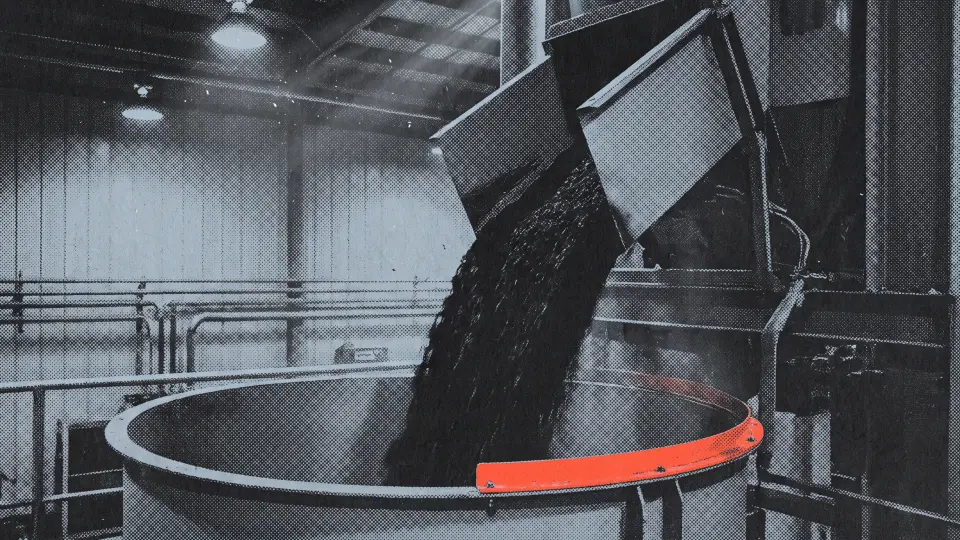
Zentek’s Albany graphite anode retained about 98% capacity after 1,000 pouch-cell cycles, versus under 25% for a commercial reference,…

Namib Minerals poured first gold at Redwing, creating a second producing mine as How’s expanded mill lifted October output 21% and reduced…
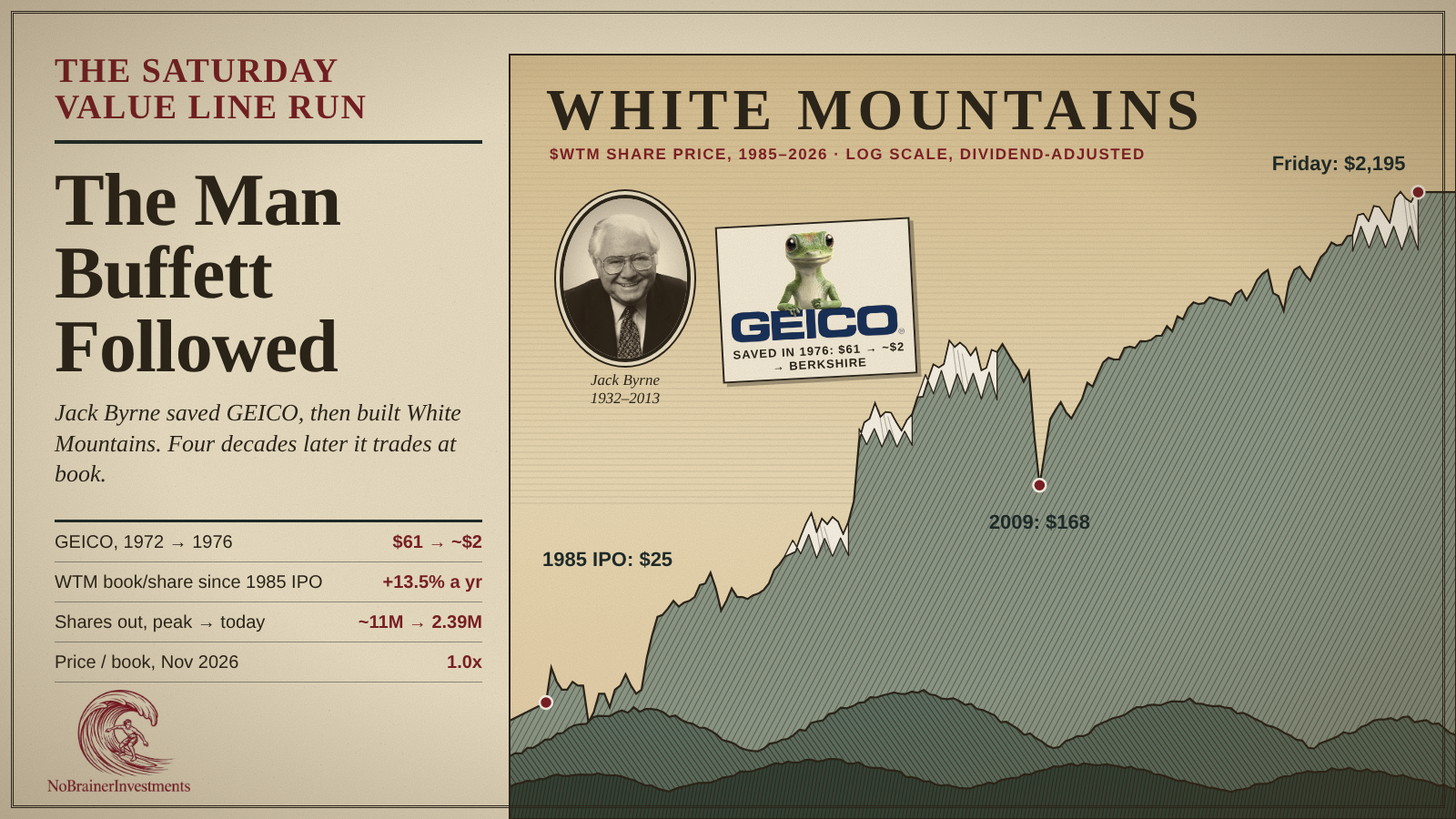
White Mountains trades near book value, alongside a below-book Lower Manhattan stake and a Florida condo insurer at 6x earnings.

Sabine Royalty Trust yields roughly 7% monthly with no debt or K-1s, while payouts fluctuate with oil and gas prices and production volumes.
 The Supercycle Investor 2 clicks

Sabre’s $4.6 billion debt load and 2029-30 maturities frame Constellation Software’s 12.7% PEMS stake, despite management’s 9% annual…

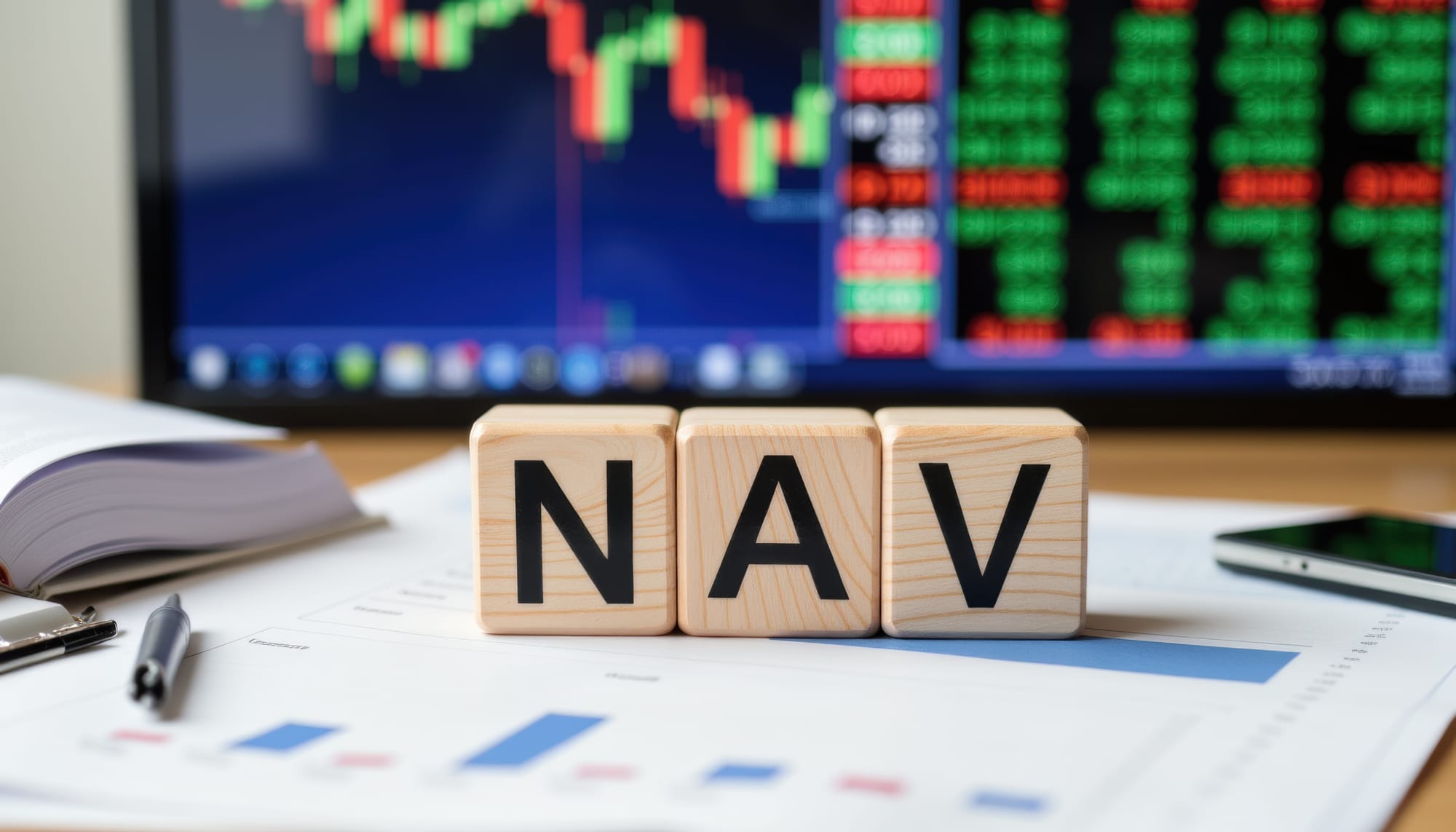
Strategy, BitMine, Sharplink and Hyperliquid Strategies traded at 14% to 33% discounts to token NAV on November 18, 2026, testing buy-wide,…
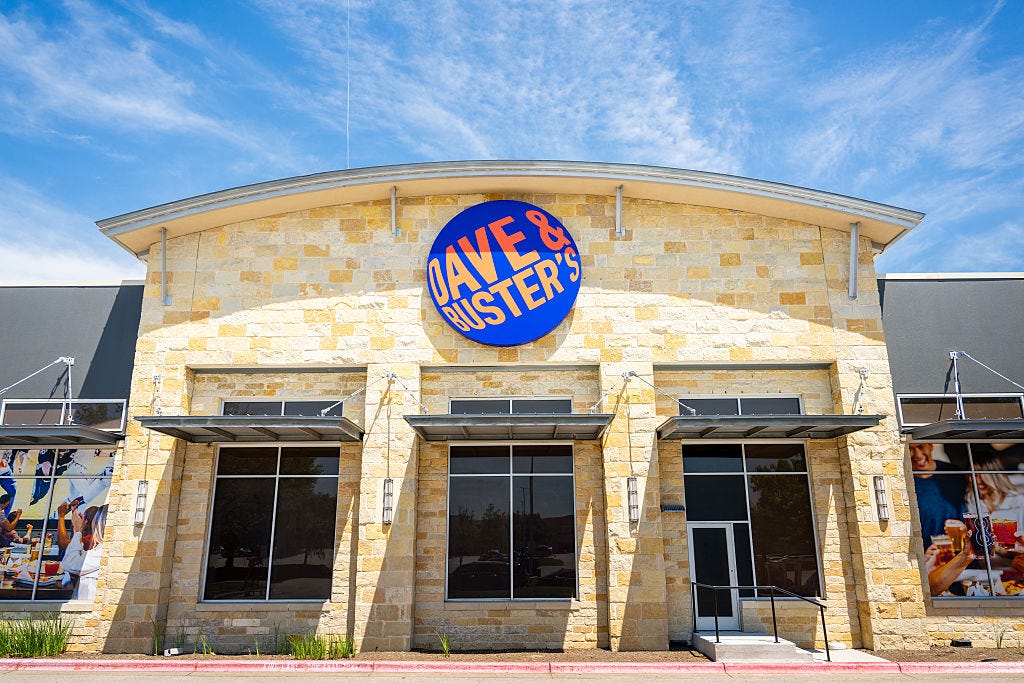
Dave & Buster’s faces fourteen straight quarters of same-store sales declines, shrinking margins and a new CEO’s turnaround plan after…
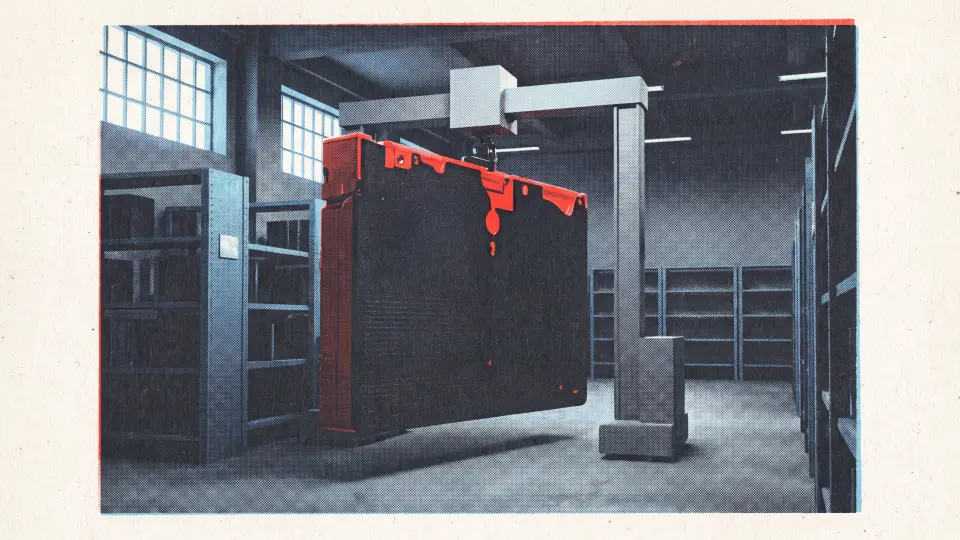
Qualstar targets 8% revenue growth in 2027 and 12% in 2028 as AI-driven storage demand and LTO-10 replacement cycles revive tape libraries.

Euroseas’ feeder-vessel renewals and contracted cash flow support higher 2027 earnings, while Red Sea normalization, vessel values and…
 Kevin Avroutskii 3 clicks
 AZ · long
A2Z Cust2Mate Solutions Corp. (AZ) is the subject of a long thesis.

Yuanbao’s $12.80 per ADS net cash exceeds its share price after a 45% decline, despite 33% first-half profit growth, an 11.9% dividend…
 Friso Alenus

Entravision’s AdTech revenue rose 133% and EBIT 261% in Q3 as management weighs TV-station sales before its TelevisaUnivision agreement…
United States Antimony's Q3 volumes rose 68% to 469,000 pounds and gross margin reached 42% as antimony prices fell to $8 per pound;…
 GT Research

Bimergen Energy reported $3.0 million of Q3 revenue, below estimates, while a $3.6 million fair-value gain lifted net income to $2.4…
Sun Kwang (003100.KQ) raised grain market share from 25% to 38% as its founding family transferred 24% of the company to holding companies…
Kura Oncology's $5.85 fair value assumes limited room for execution misses as quarterly cash burn approaches $72 million and frontline data…
 Gary Aquilina 2 clicks


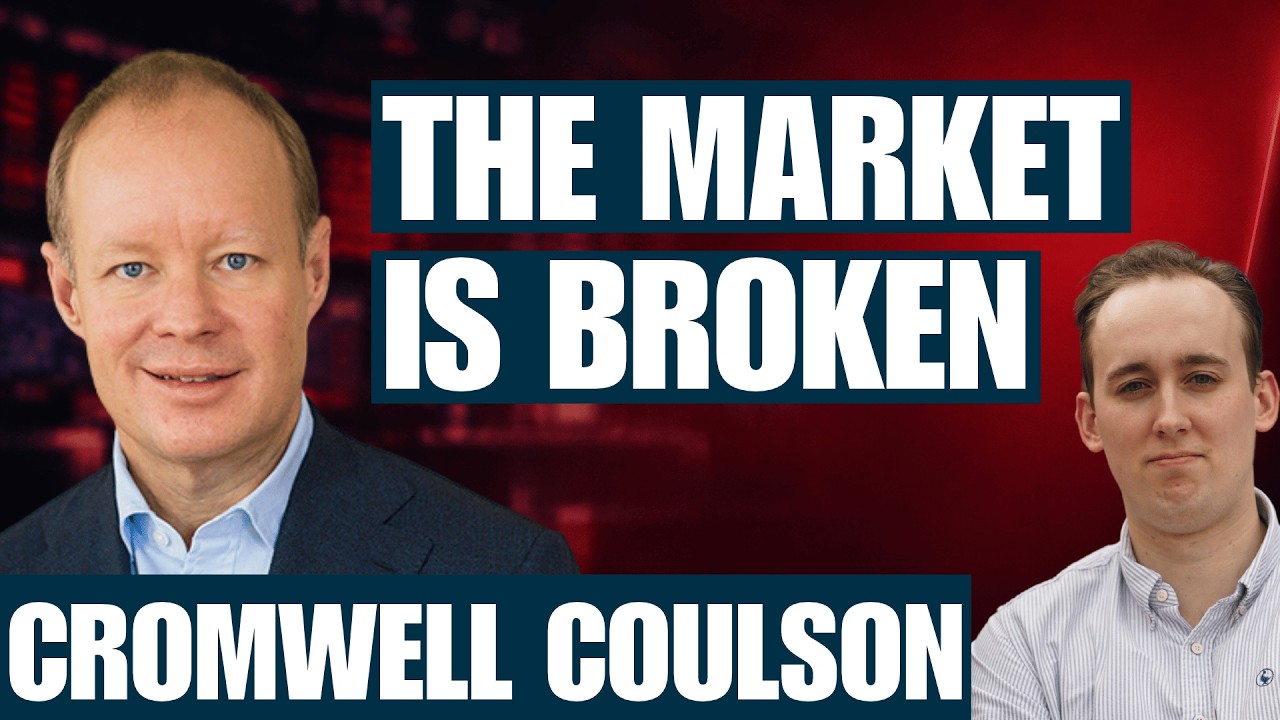
OTC Markets CEO Cromwell Coulson says the SEC’s proposed offering reforms could let OTCQX and OTCQB companies raise capital through…
Every publication on this site, hand-picked.
 Adam Schadt
 Albert Anthony
 Alexander Grover
 Andres Veurink
 APAC Research
 Arizona Equity Research
 Atlas Diary
 Bay Area Ideas
 Benjamin C. Barry
 Bernard Zambonin
 Blake Winiecki
 Capital Connoisseur
 Chetan Woodun
 Crimson And Gold Research
 Cypriot Invests
 Dane Bowler
 Daniel Bell
 Daniel Jones
 Daniel Schönberger
 Danil Sereda
 David Zanoni
 Deep Value Investing
 Dhierin Bechai
 Dilantha De Silva
 Dustin Quasney
 Edmund Ingham
 Elliott Gue
 Equity Eagle
 Eudaemon Research
 Fernanda Galvez Jalil
 Fountainhead
 Gary Gambino
 Geneva Investor
 Gil Rotstein
 Given Mahlangu
 Gytis Zizys
 Henrik Alex
 High Alpha Professor
 Ignacio Planas Gonzalez
 Infinity Curve
 Investor Overview
 IWA Research
 Jaden Mealy
 JR Research
 Julia Ostian
 Juxtaposed Ideas Kevin Avroutskii
 Khaveen Investments
 Kurt Christensen
 Lee Bailey
 LL Insights
 Long Player
 Louis Gerard
 M&M Capital
 Marc Gerstein
 Melissa Tucker
 Mike Arnold
 Mike Zaccardi, CFA, CMT
 Miletus Research
 Motti Sapir
 Multiplo Invest
 Myriam Alvarez
 Narek Hovhannisyan
 Nicholas Thomas Lowry
 Nicolas Bolsinger
 Number Cruncher
 Oakoff Investments
 Petri Dish Reports
 Philip Wang
 Prakhar Agarwal, CFA
 PropNotes
 PV Research
 Pythia Research
 Quantryon Capital
 Robert J. Lake
 Ron Ferrie
 Rubicon Associates
 Ryan Canady
 Sam Mancini
 Sanjay Swamy
 Seeking Profits
 Sharon McArd
 SiliconBytes Insights
 Simple Investment Ideas
 Sorrento Research
 Stephen Ayers
 Steven Fiorillo
 Tech and Growth
 Terry Chrisomalis
 The Alpha Analyst
 The Asian Investor
 The Bullionaire
 The Curious Analyst
 The J Thesis
 The Market Auditor The Supercycle Investor
 The Undercovered Dozen
 Tim Travis
 Uttam Dey
 Value Capital Research
 Vishal Jadaun
 Yiannis Zourmpanos
 Zoltan Ban
Every account on this site, hand-picked.
 ⚽️📡
 💥PETITION💥
 A Capital
 absreturnchaser
 Adam D. Wyden
 Alpha Vulture
 AltayCap
 Asif Suria
 Bank Reg Blog
 Barbarian Capital
 BDC
 Bill Ackman
 Brian McGough
 Broken Moats
 BuccoCapital Bloke
 Calvin Blissett
 catechwilliams
 Charles Frischer
 Chris Camillo
 Clark Square Capital
 Cluseau Investments
 Colin King
 Connor Haley
 Conor Maguire | Value Situations
 Convequity
 Dalius - Special Sits
 David Orr
 Deep Sail Capital
 Derek Pilecki
 Devin LaSarre
 DOMO Capital Management, LLC
 Edwin Dorsey
 Evan Tindell
 Fajasy
 Farmer
 Fierce_beast
 Fred Liu
 Garrett Arms
 Gavin Baker
 George Noble
 Hunterbrook
 Ian Bezek
 Idea Brunch
 JabroniCoin.USD
 Japan Deep Value
 John_Hempton
 junkbondinvestor
 kab60
 KEDM.com
 Kevin Mak
 Kingdom Capital
 Kuppy
 Laughing Water Capital
 Lee Roach
 Little Owl Research
 Maius
 Maj Soueidan
 marginofdanger
 mavix
 Mike
 Mikro Kap David
 Mr Neutral Man aka "Howard Marks of REITs”
 Multiples Capital
 Myles
 Nat Stewart
 Negligible Capital
 Odd Diligence
 Odd Lot Arbitrageur
 PAA Research
 Paradis
 Pernas Research
 Porter Collins
 Prepared Remarks
 Psyop Capital
 Raging Capital Ventures
 Red Dog Capital RiverRoadPartners
 Rohan Pavuluri
 Rusholme Capital
 Sahil Khetpal
 Serenity
 SG
 Sheel Mohnot
 SouthernValue
 Steve Eisman
 The Friendly Bear
 Tim Eriksen
 Timyan Bank Alert
 Todd Wenning
 ToffCap
 Trevor Scott
 Undiscovered Compounders
 Voss Capital
 Yaron Naymark
Ordered by how often our editor reaches for them.