Municipal Waste and Produced Water Update
GFL’s halted sale process sets a $52 to $58 per-share range, while its Secure acquisition could redirect investor attention toward produced-water operators such as WaterBridge.
GFL’s halted sale process sets a $52 to $58 per-share range, while its Secure acquisition could redirect investor attention toward produced-water operators such as WaterBridge.

$FICO I really want another share…
Bruce Flatt’s Brookfield built 19 percent annual returns by buying distressed real assets below replacement cost with long-term…

FactSet CEO Sanoke Viswanathan discusses using the firm’s client relationships and data platform to deploy AI across finance.
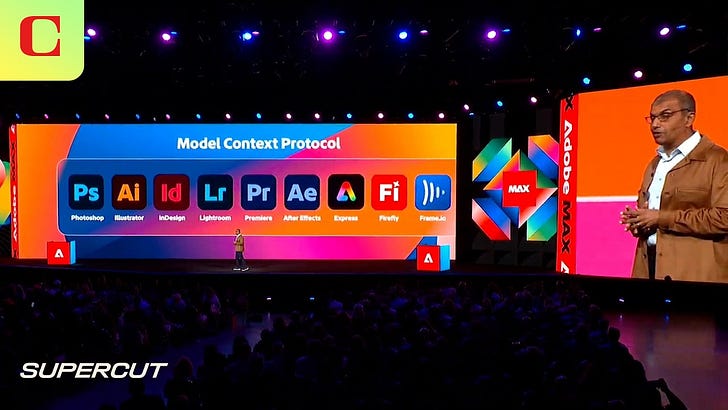
Adobe (ADBE) became a full position at about $246, backed by buybacks and confidence it can adapt to AI competition.
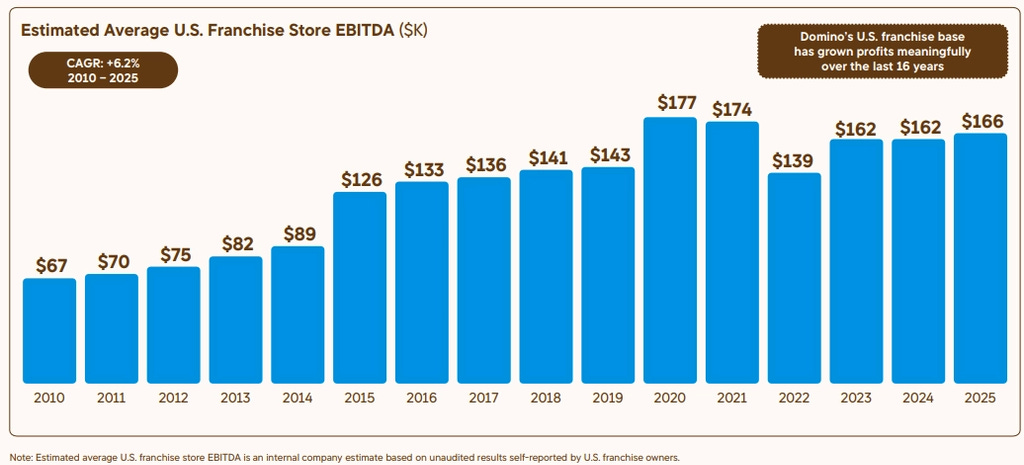
Domino’s built PULSE, online ordering and Pizza Tracker into a delivery machine, driving 10% annual global retail sales growth after its…
Nubank and MercadoLibre update target prices as Brazil’s 9% real rates, weaker currency and tighter credit favor their cost advantages and…
TPG trades 20% below its average distributable-earnings multiple despite the fastest fee-related earnings growth among alternative…
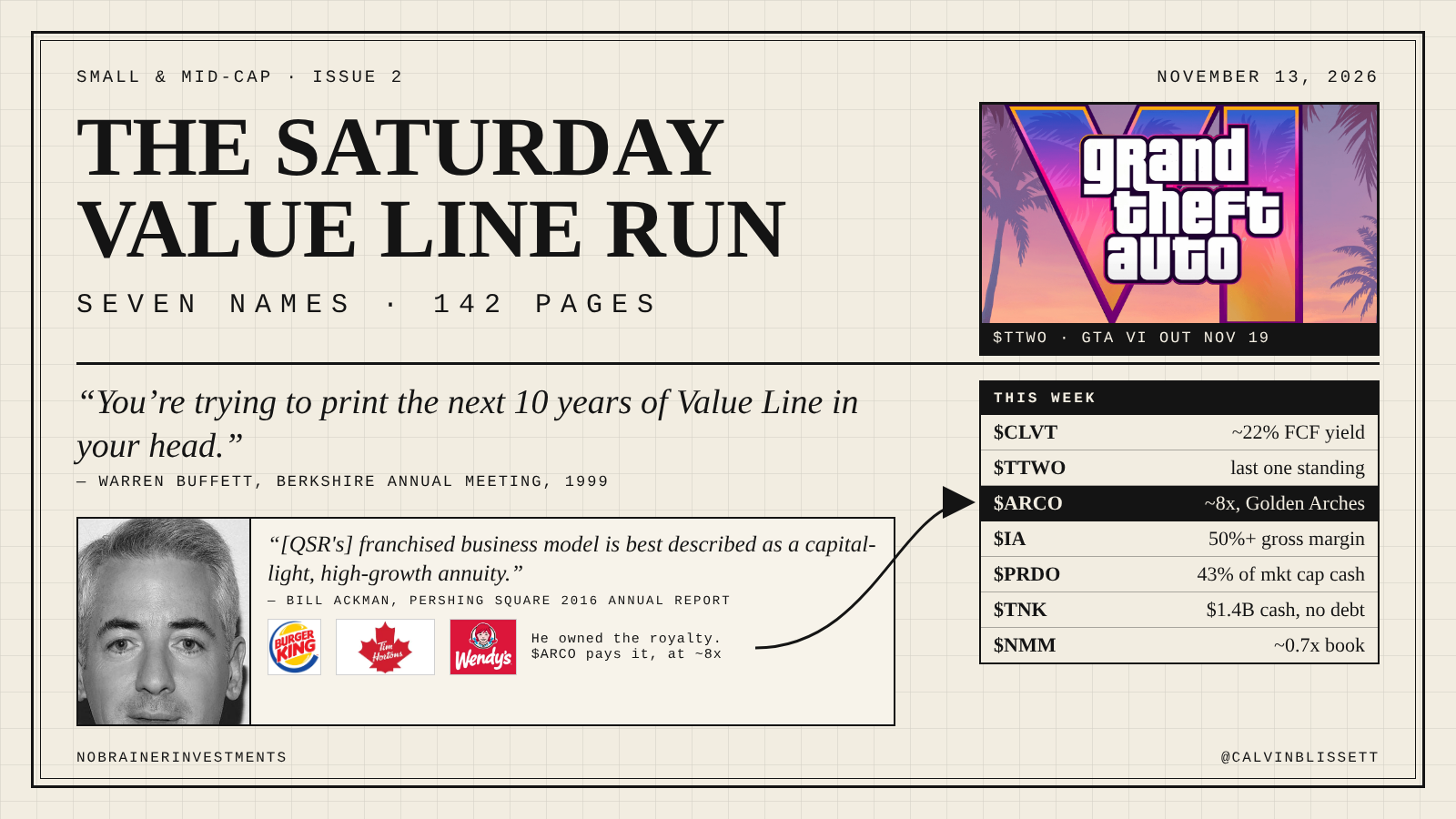
Clarivate, Take-Two and Arcos Dorados lead a seven-stock Value Line screen focused on debt paydown, GTA VI economics and Latin American…

Brookfield trades at about 17 times trailing distributable earnings, while its 73% BAM stake accounts for $63 billion of its $94 billion…
 Secret Compounders 3 clicks
JFrog CFO Ed Grabscheid says soaring AI usage is converting into larger customer deals after an upbeat earnings report.

Cerebras Systems’ $26.1 billion backlog and Oracle Cloud and Microsoft wins support an upgrade after its valuation reset, though the case…
 JR Research 3 clicks
 ASTS · short
AST SpaceMobile is priced for a 2026 commercial launch despite no identified path to manufacture or launch its satellite deployment target.
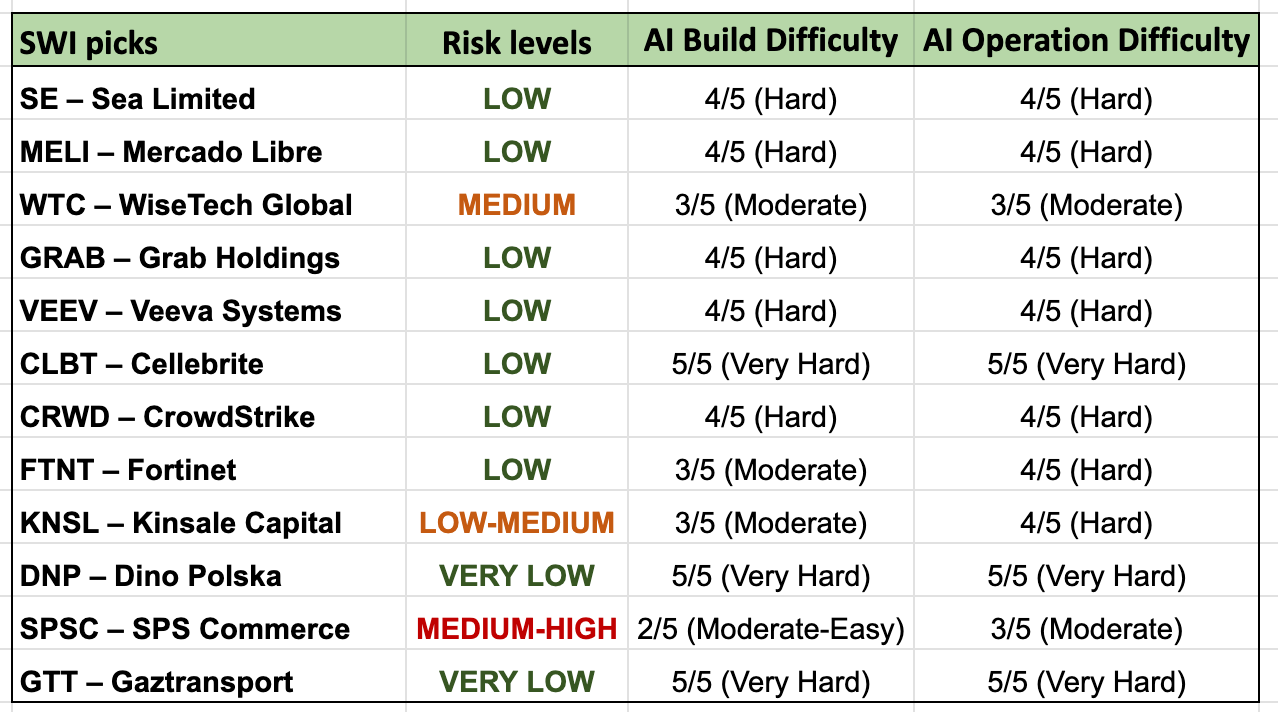
Sleep Well Portfolio is selling SPS Commerce as AI-vulnerable and adding Veeva, Mercado Libre, Cellebrite and Sea, citing proprietary data,…
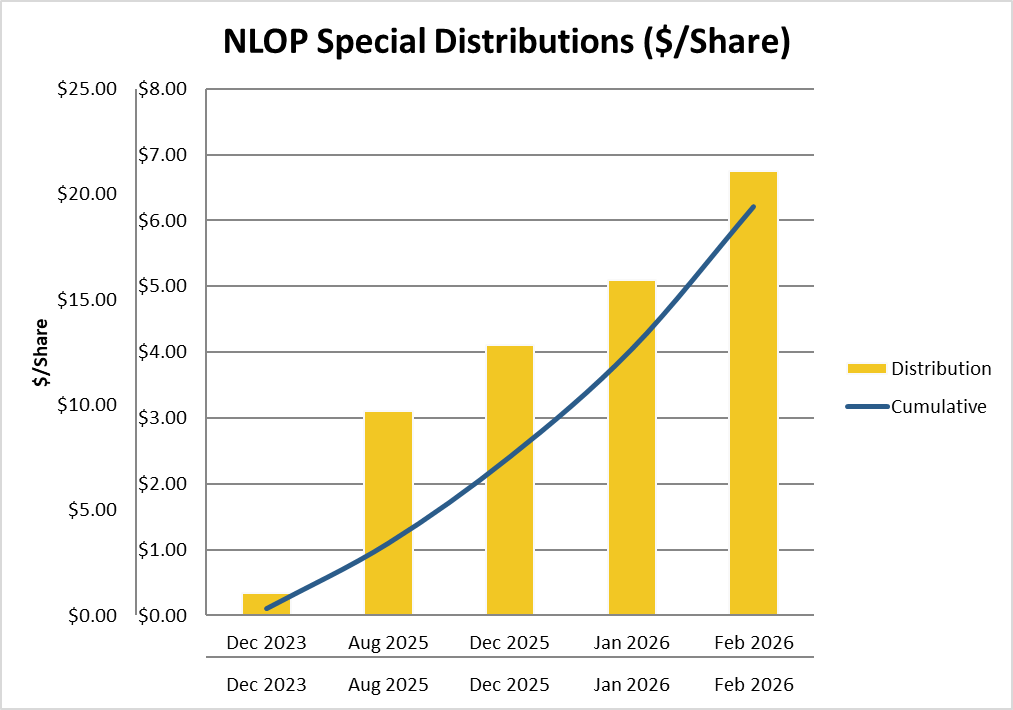
Net Lease Office Properties has returned $19.39 per share while liquidating W.P.
FactSet is drawing Thoma Bravo and Hellman & Friedman take-private interest, with its subscription retention, cash generation and modest…

Sea Limited generated about $3.5 billion in free cash flow as Shopee invests in Southeast Asian and Brazilian growth despite lower 2027…

Kaspi.kz’s 850 KZT ADS dividend establishes a roughly 9% yield after Hepsiburada spending; Japanese buyback disclosures test whether 0.61x…
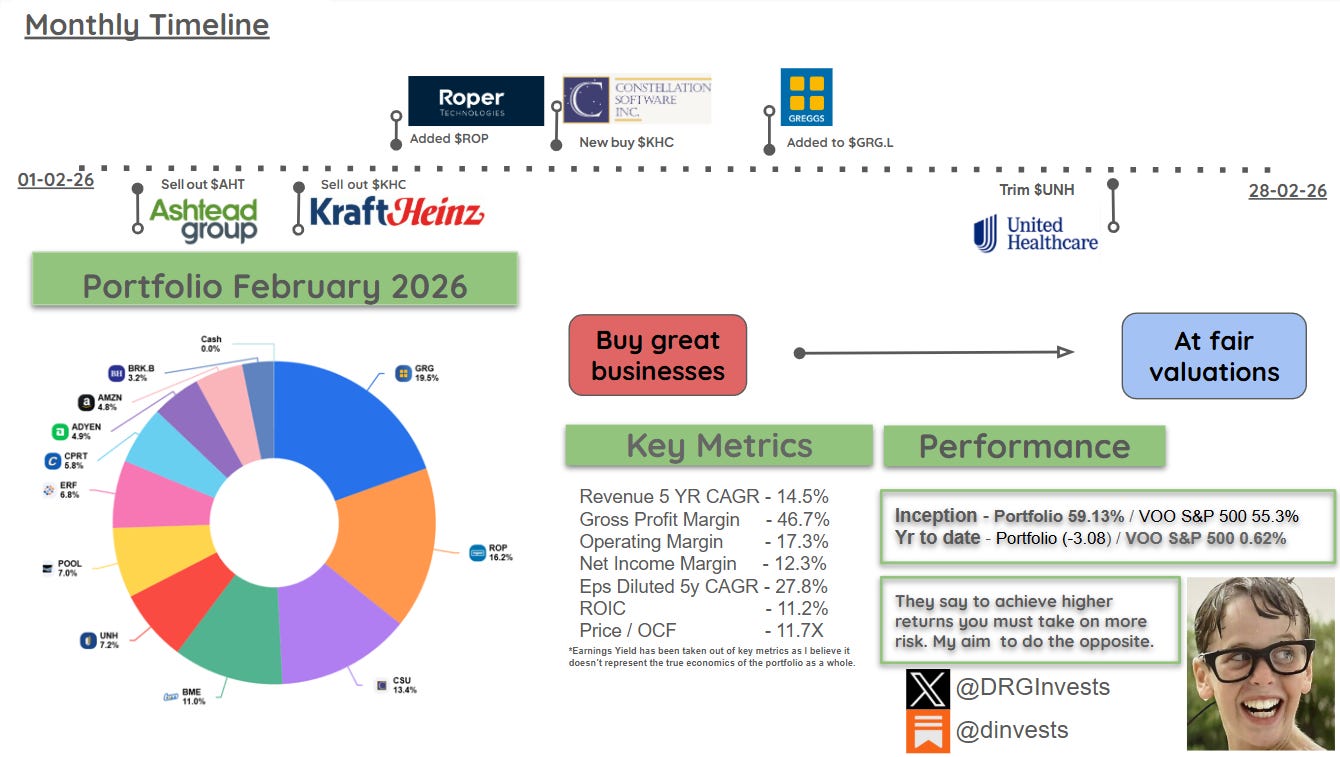
Constellation Software and Roper Technologies became 13% and 16% holdings after an AI-driven software selloff, while Ashtead and Kraft…

AerCap sells aircraft at 2x book value and repurchases stock near 1x book, cutting shares outstanding 31% in three years.
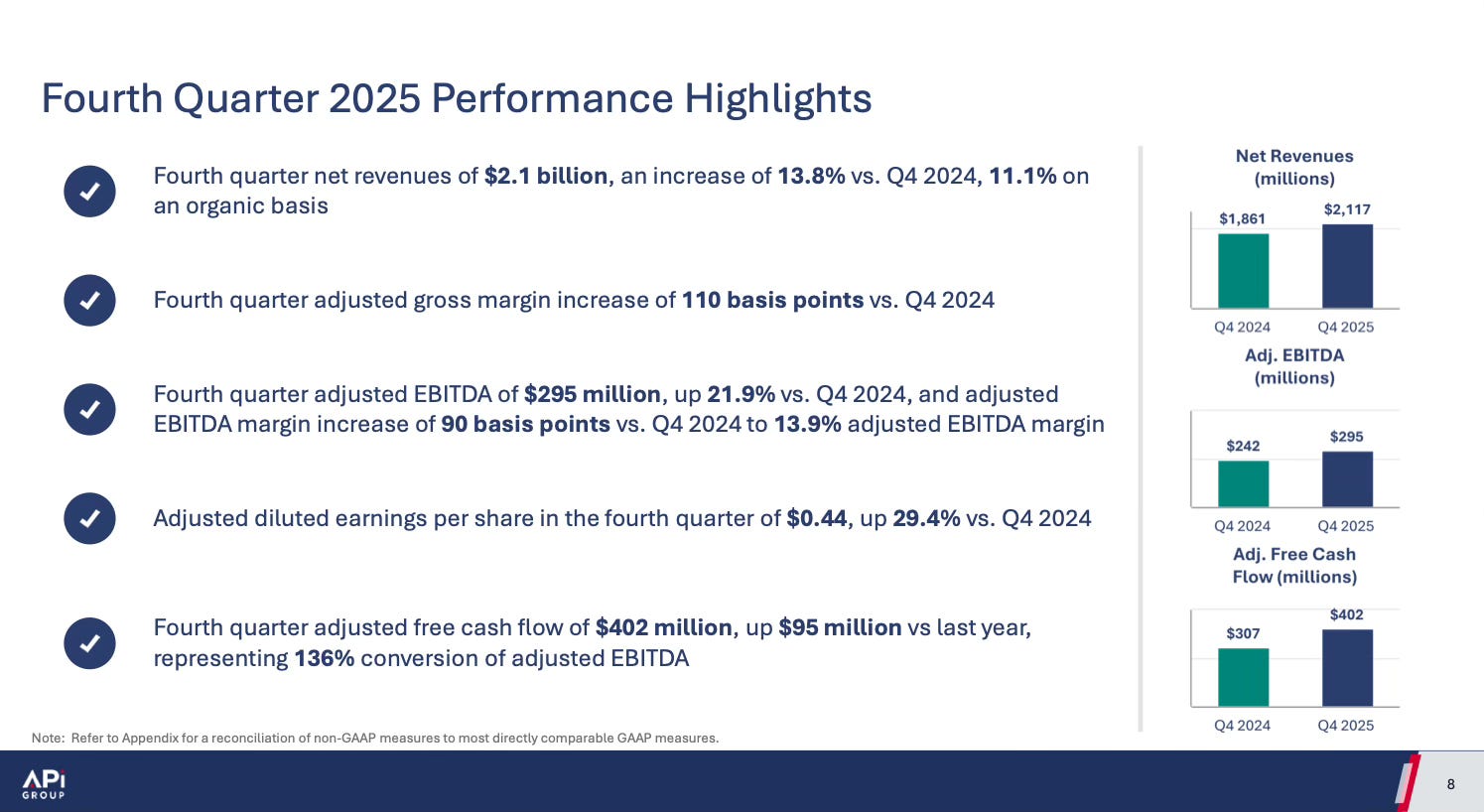
APi Group hit its 13/60/80 targets in 2025, reporting $7.9 billion revenue, 13.2% EBITDA margin and 80% free-cash-flow conversion, then set…
Domino’s Q4 2025 Kalshi contract prices “craveable” at 37%, while First Strike’s transcript model assigns 68.4% before social-sentiment…
Every publication on this site, hand-picked.
 Adam Schadt
 Albert Anthony
 Alexander Grover
 Andres Veurink
 Arizona Equity Research
 Atlas Diary
 Bay Area Ideas
 Benjamin C. Barry
 Bernard Zambonin
 Blake Winiecki
 Capital Connoisseur
 Chetan Woodun
 Crimson And Gold Research
 Cypriot Invests
 Dane Bowler
 Daniel Bell
 Daniel Jones
 Daniel Schönberger
 David Zanoni
 Deep Value Investing
 Dhierin Bechai
 Dilantha De Silva
 Dustin Quasney
 Elliott Gue
 Equity Eagle
 Eudaemon Research
 Fernanda Galvez Jalil
 Fountainhead
 Gary Gambino
 Geneva Investor
 Gil Rotstein
 Given Mahlangu
 Henrik Alex
 High Alpha Professor
 Ignacio Planas Gonzalez
 Infinity Curve
 Investor Overview
 IWA Research
 Jaden Mealy JR Research
 Julia Ostian
 Kevin Avroutskii
 Khaveen Investments
 Kurt Christensen
 Lee Bailey
 LL Insights
 Long Player
 Louis Gerard
 M&M Capital
 Marc Gerstein
 Melissa Tucker
 Mike Arnold
 Mike Zaccardi, CFA, CMT
 Miletus Research
 Motti Sapir
 Myriam Alvarez
 Nicolas Bolsinger
 Oakoff Investments
 Petri Dish Reports
 Philip Wang
 Prakhar Agarwal, CFA
 PropNotes
 PV Research
 Quantryon Capital
 Robert J. Lake
 Rubicon Associates
 Ryan Canady
 Sam Mancini
 Sanjay Swamy
 Seeking Profits
 Sharon McArd
 SiliconBytes Insights
 Simple Investment Ideas
 Sorrento Research
 Stephen Ayers
 Steven Fiorillo
 Terry Chrisomalis
 The Alpha Analyst
 The Asian Investor
 The Bullionaire
 The Curious Analyst
 The J Thesis
 The Market Auditor
 The Supercycle Investor
 The Undercovered Dozen
 Tim Travis
 Uttam Dey
 Value Capital Research
 Vishal Jadaun
 Yiannis Zourmpanos
 Zoltan Ban
Every account on this site, hand-picked.
 ⚽️📡
 💥PETITION💥
 A Capital
 absreturnchaser
 Adam D. Wyden
 Alpha Vulture
 AltayCap
 Asif Suria
 Bank Reg Blog
 Barbarian Capital
 BDC
 Bill Ackman
 Brian McGough
 Broken Moats
 BuccoCapital Bloke Calvin Blissett
 catechwilliams
 Charles Frischer
 Chris Camillo
 Clark Square Capital
 Cluseau Investments
 Colin King
 Connor Haley
 Conor Maguire | Value Situations
 Convequity
 Dalius - Special Sits
 David Orr
 Deep Sail Capital
 Derek Pilecki
 Devin LaSarre
 DOMO Capital Management, LLC
 Edwin Dorsey
 Evan Tindell
 Fajasy
 Farmer
 Fierce_beast
 Fred Liu
 Gavin Baker
 George Noble
 Hunterbrook
 Ian Bezek
 Idea Brunch
 JabroniCoin.USD
 John_Hempton
 junkbondinvestor
 kab60
 KEDM.com
 Kevin Mak
 Kuppy
 Laughing Water Capital
 Lee Roach
 Little Owl Research
 Maius
 Maj Soueidan
 marginofdanger
 mavix
 Mike
 Mikro Kap David
 Mr Neutral Man aka "Howard Marks of REITs”
 Multiples Capital
 Myles
 Nat Stewart
 Negligible Capital
 Odd Diligence
 Odd Lot Arbitrageur
 PAA Research
 Paradis
 Pernas Research
 Porter Collins
 Prepared Remarks
 Psyop Capital
 Raging Capital Ventures
 Red Dog Capital RiverRoadPartners
 Rohan Pavuluri
 Rusholme Capital
 Sahil Khetpal
 Serenity
 SG
 Sheel Mohnot
 SouthernValue
 Steve Eisman
 The Friendly Bear
 Tim Eriksen
 Timyan Bank Alert
 Todd Wenning
 ToffCap
 Trevor Scott
 Undiscovered Compounders
 Voss Capital
 Yaron Naymark
Ordered by how often our editor reaches for them.