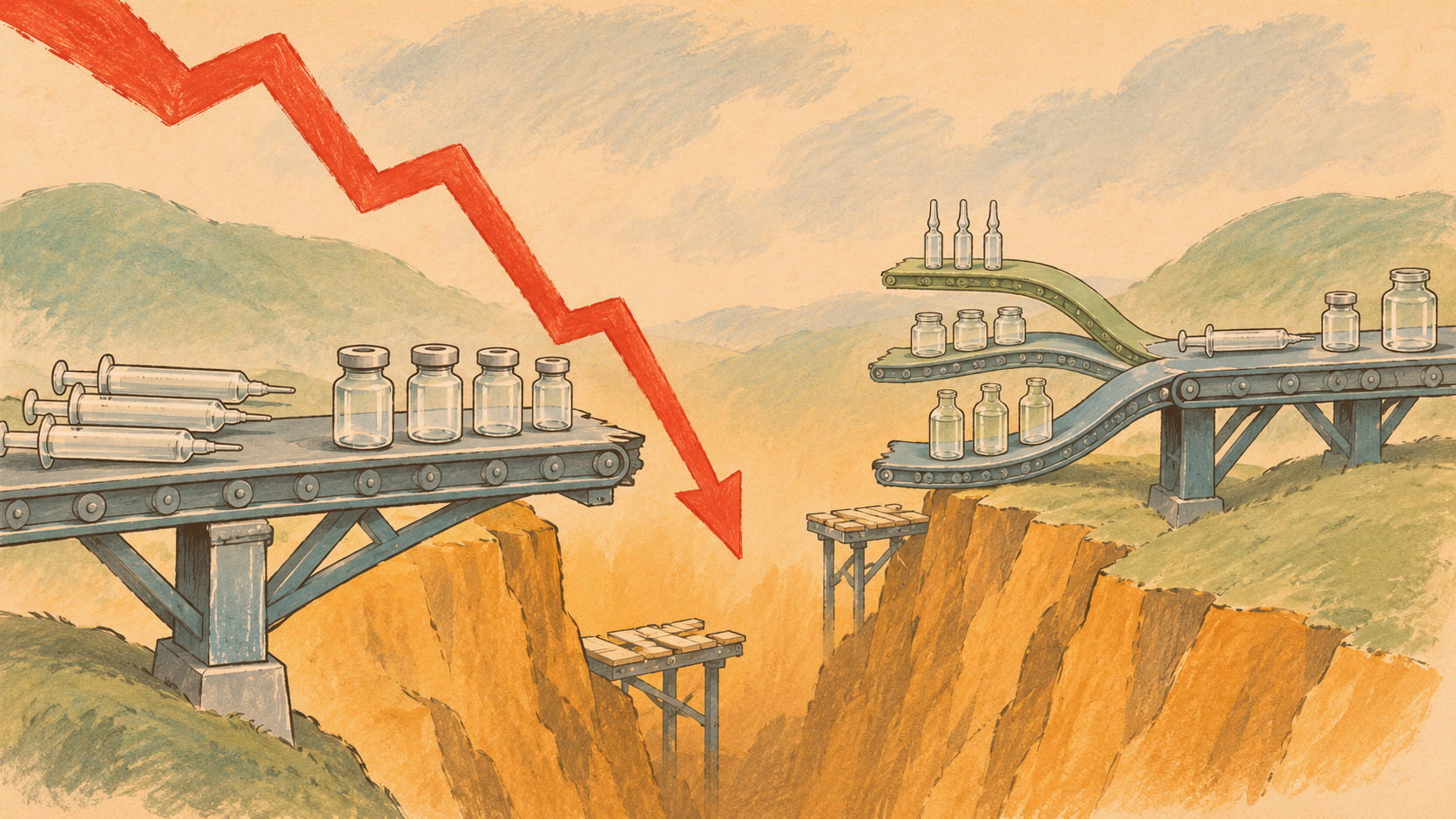
Stevanato down 30%. Yikes.
Stevanato fell 30% after forecasting low-single-digit 2027 growth as lower Nexa syringe volumes from a GLP-1 customer offset solid Q3 margins and non-GLP biologics demand.
Stevanato fell 30% after forecasting low-single-digit 2027 growth as lower Nexa syringe volumes from a GLP-1 customer offset solid Q3 margins and non-GLP biologics demand.
So $ACMR is now a “Terafab” play? https://t.co/DZzvEXoClE
In case you were wondering… $CIFR Q3… $26M in revenue vs. this cost structure. It’s just math 🤷. To be fair, analysts are expecting the company to put up some nice EPS by 2029 - but who knows what the diluted cap structure will look like by then? @InfoArbMonitor https://t.co/6HrsfiN8iq
$GRND has gotten cheap again. Short report concerns have been mostly shrugged off. It's still one of the best businesses in the world and now trading at 24x trailing earnings. Will be adding a bit and buying dips.
Capital Employed rounds up 48 stock pitches, led by Greystone’s $14.50 target for organ-transplant logistics firm Strata Critical Medical,…
TurnMark Capital’s Jamil Tahir describes buying entrepreneur-led microcaps at fundamental inflection points and using Claude to automate…
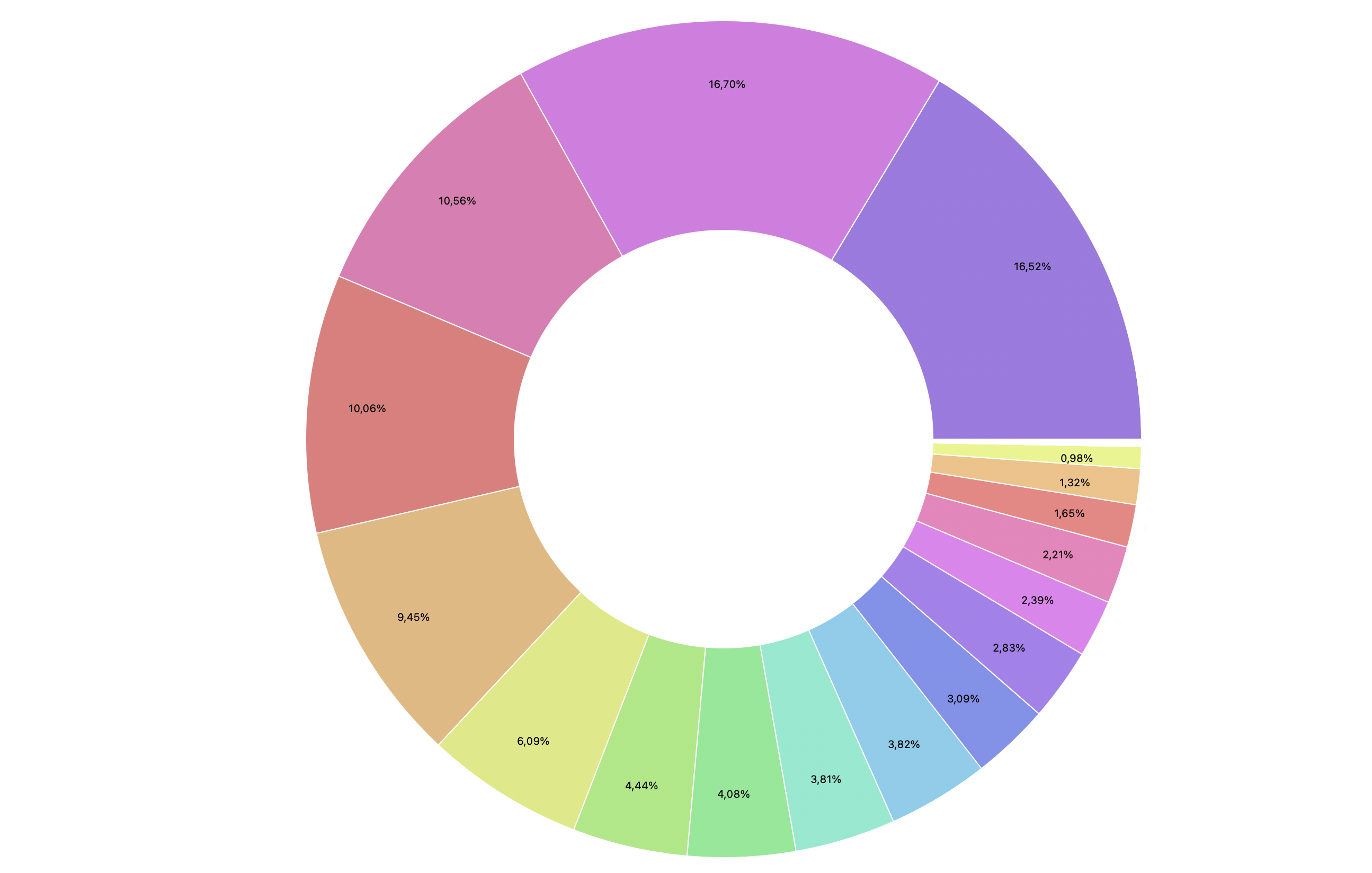
Calumet and other refiners sold off alongside AI names, but the RIN thesis for renewable fuel earnings remains unchanged ahead of Q3…

Travelzoo’s roughly 400,000 prepaid members generate deferred revenue while acquisition costs hit GAAP earnings immediately, masking the…
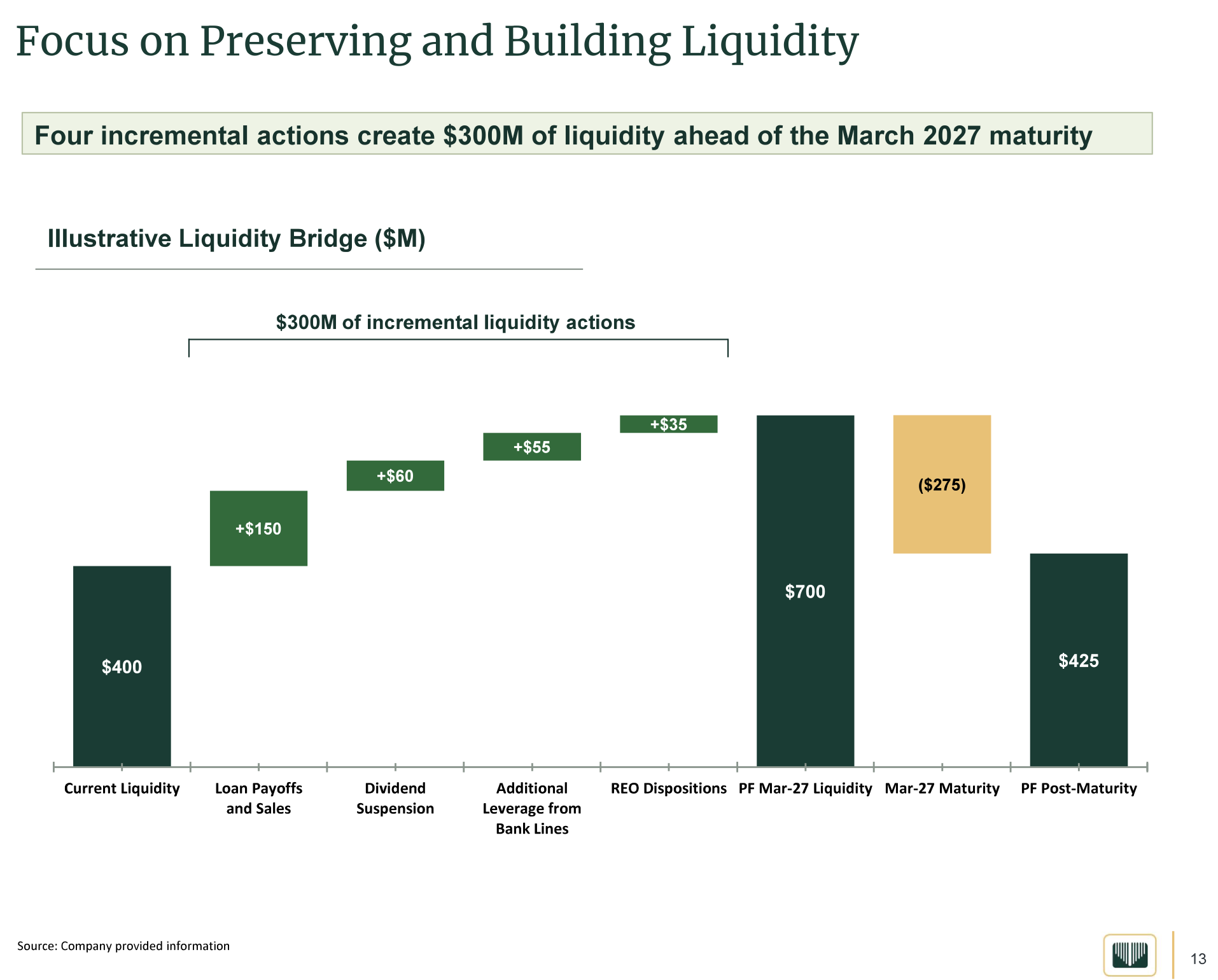
Arbor Realty Trust’s dividend suspension is presented as creating $60 million of liquidity, raising questions about its ability to meet…

Verra Mobility’s Avis termination threatens 2027 earnings, while Government Solutions profit rose 25% and implied fourth-quarter guidance…

Aura Biosciences expects pivotal Phase 3 bel-sar data in early choroidal melanoma in 2027, funded by $323.8 million of cash into the first…
 Equity Eagle

Life360 has fallen 60% despite 40% revenue growth, 100 million monthly users and profitability, as its family-safety subscriptions and…

Markel spent $315 million repurchasing shares in Q3 as Thrive agreed to buy ADT for $7.6 billion and Hasbro cited rising adult toy demand.

Tango Therapeutics reported an 82% response rate and 88% nine-month PFS for vopimetostat plus RASONQUE in RAS-mutant pancreatic cancer,…
 Terry Chrisomalis 2 clicks
 PRIM · long
Primoris Services, a $5 billion EPC contractor, has fallen about 60% from its peak.

Rithm Capital’s 0.74x-book valuation and 2.2x dividend coverage contrast with Dynex’s payout above earnings, leaving RITM better positioned…
 Benjamin C. Barry

One Stop Systems grew Q3 continuing-operations revenue 36% to $12.6 million, raised FY2026 revenue guidance to $45 million, and used $11.8…
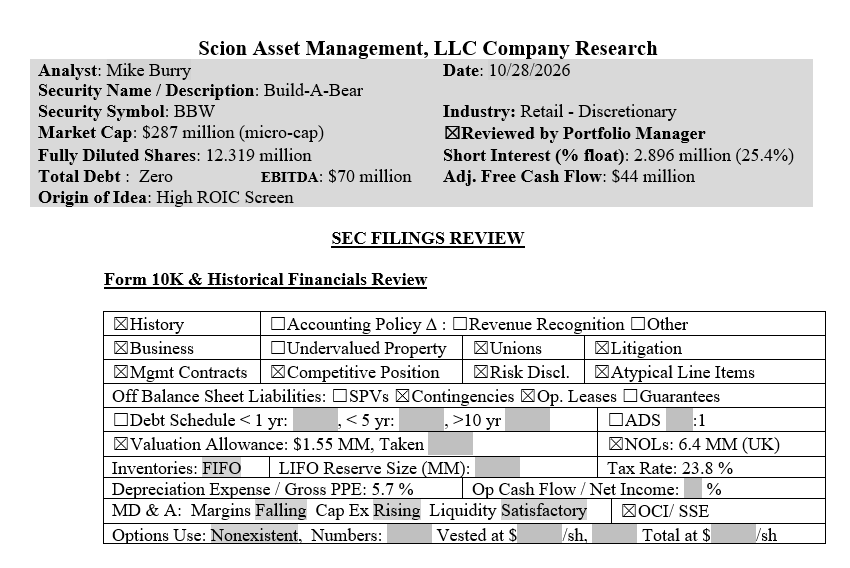
Build-A-Bear’s lease overhaul, off-mall expansion and partner-led wholesale growth reshaped a debt-free retailer with $80 million EBITDA,…
Mattel, Winnebago and PayPal lead 37 special situations spanning activist campaigns, buybacks, M&A and strategic alternatives.

Group 1 Automotive trades at 5.5 times earnings as aging gasoline vehicles and EV repairs sustain service profits; insiders bought while…
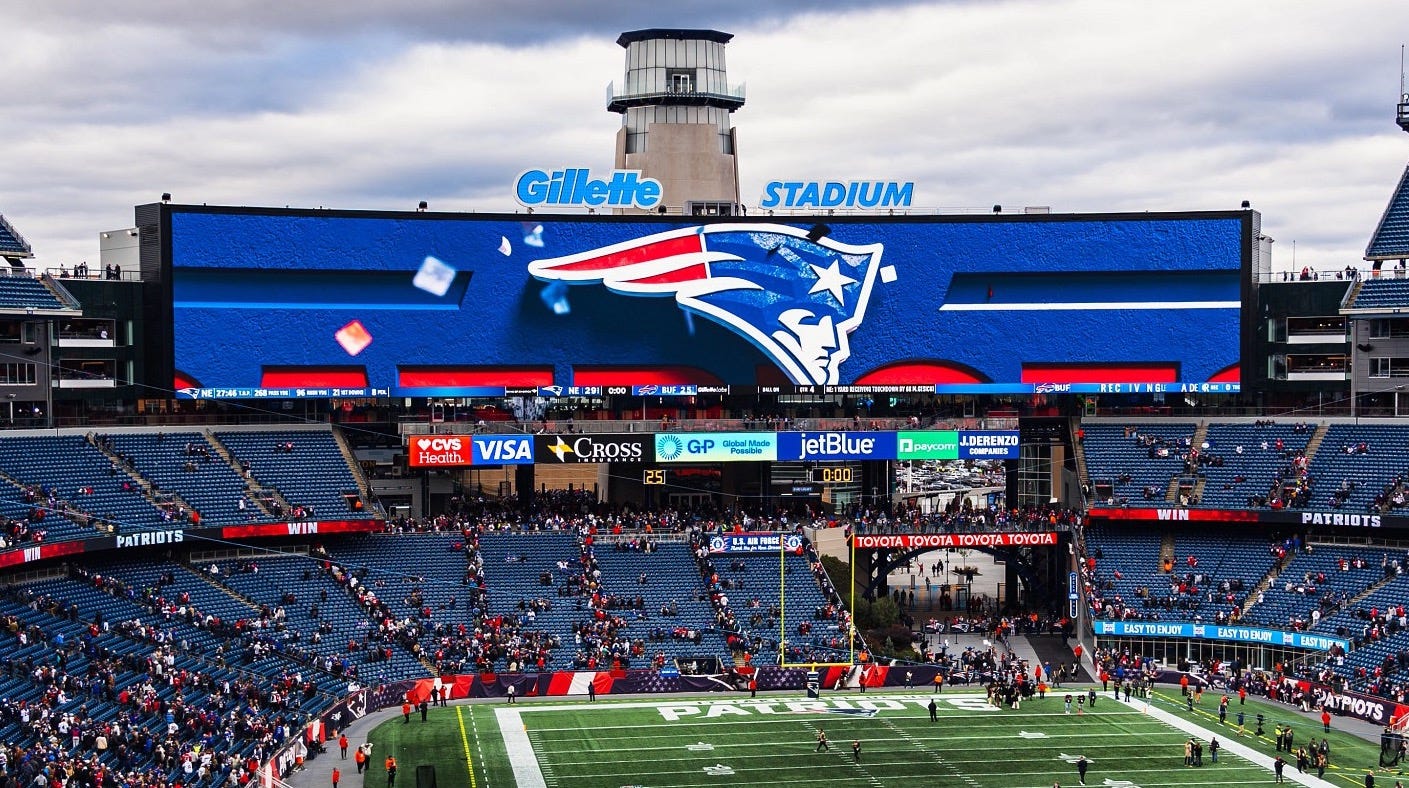
Daktronics, the leader in U.S. sports video boards, targets 10-12% EBIT margins after shifting production to China and Mexico and exiting…

Alexandria Real Estate (ARE) faces lease expirations and occupancy pressure through 2028, but leasing momentum supports a projected…
 Luuk Wierenga

Enova’s Q3 2026 revenue exceeded $1 billion as originations rose 31%, while its failed Grasshopper Bank bid drove a 23% one-day stock…

Xenia Hotels & Resorts pairs luxury hotel assets, brand affiliations and planned renovations with investment-grade credit and covered…
 Albert Anthony 2 clicks
Every publication on this site, hand-picked.
 Adam Schadt Albert Anthony
 Andres Veurink
 Arizona Equity Research
 Bay Area Ideas
 Blake Winiecki
 Capital Connoisseur
 Dane Bowler
 David Zanoni
 Deep Value Investing
 Dhierin Bechai
 Dilantha De Silva
 Dustin Quasney
 Elliott Gue Equity Eagle
 Eudaemon Research
 Fernanda Galvez Jalil
 Fountainhead
 Geneva Investor
 Given Mahlangu
 Henrik Alex
 High Alpha Professor
 Ignacio Planas Gonzalez
 Infinity Curve
 Investor Overview
 IWA Research
 Jaden Mealy
 JR Research
 Julia Ostian
 Khaveen Investments
 Kurt Christensen
 Lee Bailey
 LL Insights
 Long Player
 Marc Gerstein
 Melissa Tucker
 Mike Arnold
 Mike Zaccardi, CFA, CMT
 Miletus Research
 Myriam Alvarez
 Petri Dish Reports
 Philip Wang
 Prakhar Agarwal, CFA
 PropNotes
 PV Research
 Quantryon Capital
 Robert J. Lake
 Ron Ferrie
 Ryan Canady
 Sam Mancini
 Seeking Profits
 Sharon McArd
 SiliconBytes Insights
 Simple Investment Ideas
 Sorrento Research
 Stephen Ayers
 Steven Fiorillo
 The Alpha Analyst
 The Asian Investor
 The Bullionaire
 The Curious Analyst
 The J Thesis
 The Market Auditor
 The Supercycle Investor
 The Undercovered Dozen
 Tim Travis
 Uttam Dey
 Value Capital Research
 Vishal Jadaun
 Zoltan Ban
Every account on this site, hand-picked.
 ⚽️📡
 💥PETITION💥
 A Capital
 absreturnchaser
 Adam D. Wyden
 Alpha Vulture
 AltayCap
 Asif Suria
 Bank Reg Blog
 Barbarian Capital
 BDC
 Bill Ackman
 Brian McGough
 Broken Moats
 BuccoCapital Bloke
 Calvin Blissett
 catechwilliams
 Charles Frischer
 Chris Camillo
 Clark Square Capital
 Cluseau Investments
 Colin King
 Connor Haley
 Conor Maguire | Value Situations
 Convequity
 Dalius - Special Sits
 David Orr
 Deep Sail Capital
 Derek Pilecki
 Devin LaSarre
 DOMO Capital Management, LLC
 Edwin Dorsey
 Evan Tindell
 Fajasy
 Farmer
 Fierce_beast
 Fred Liu
 Gavin Baker
 George Noble
 Hunterbrook
 Ian Bezek
 Idea Brunch
 JabroniCoin.USD
 John_Hempton
 junkbondinvestor
 kab60
 KEDM.com
 Kevin Mak
 Kuppy
 Laughing Water Capital
 Lee Roach
 Little Owl Research
 Maius
 Maj Soueidan
 marginofdanger
 mavix
 Mike
 Mikro Kap David
 Mr Neutral Man aka "Howard Marks of REITs”
 Multiples Capital
 Myles
 Nat Stewart
 Negligible Capital
 Odd Diligence
 Odd Lot Arbitrageur
 PAA Research
 Paradis
 Pernas Research
 Porter Collins
 Prepared Remarks
 Psyop Capital
 Raging Capital Ventures
 Red Dog Capital RiverRoadPartners
 Rohan Pavuluri
 Rusholme Capital
 Sahil Khetpal
 Serenity
 SG
 Sheel Mohnot
 SouthernValue
 Steve Eisman
 The Friendly Bear
 Tim Eriksen
 Timyan Bank Alert
 Todd Wenning
 ToffCap
 Trevor Scott
 Undiscovered Compounders
 Voss Capital
 Yaron Naymark
Ordered by how often our editor reaches for them.