EVC reported a solid second quarter and outlook.
S Nat Stewart - Stock Picking Newsletter Sep 1 17 clicks
Limbach's EBITDA fell 30% as organic revenue declined, but 1 Main Capital calls the weakness temporary and views CYMCOR as its first…
YT Yet Another Value Podcast Sep 1 9 clicks
Lumen is shedding consumer lines for data-center services; $9.2 billion of deferred revenue, up 72%, supports its enterprise order book…
BL Cestrian Capital Research Sep 1
MDA Space is added to the Aurelion Index after hiring engineers, signing large contracts and expanding facilities; the thesis cites…
S Aurelion Research Sep 1 5 clicks
Waystar sells revenue-cycle software for a US claims process where roughly 18% of submitted claims are initially denied and healthcare…
S scuttleblurb Aug 31 5 clicks
Genius Sports guided for $1.005–$1.025 billion of revenue and $285–$295 million of adjusted EBITDA despite higher leverage from the Legend…
SA Mayank Marwah Aug 31 5 clicks Ultragenyx targets $730-760 million of 2026 revenue after GENGLYCOS approval, with UX111’s FDA decision and GTX-102 Phase 3 data due in…
S Hated Moats Aug 30 1 click
Fortrea’s adjusted EBITDA rose 24% in H1 as cost cuts outpaced a 3.4% revenue decline, while new business awards increased 19%.
SA Manimala Misra Aug 30 2 clicks Higher rates could compress equity multiples and raise AI data center lease costs, while UWMC and Cogent raise questions about CEO-driven…
YT Yet Another Value Podcast Aug 27 13 clicks
Biohaven’s $795 million global opakalim licensing deal with SK Biopharmaceuticals boosts cash, lowers R&D spending and extends its funding…
SA Edmund Ingham Aug 27 2 clicks SPSC · long SPS Commerce, SPSC, runs a network software platform that lets retailers, suppliers and 3PLs exchange supply-chain and trading information.
BL Value Investors Club Jun 8
LTC Properties’ shift toward independent and assisted living supports FFO growth and monthly dividends, while operator concentration and…
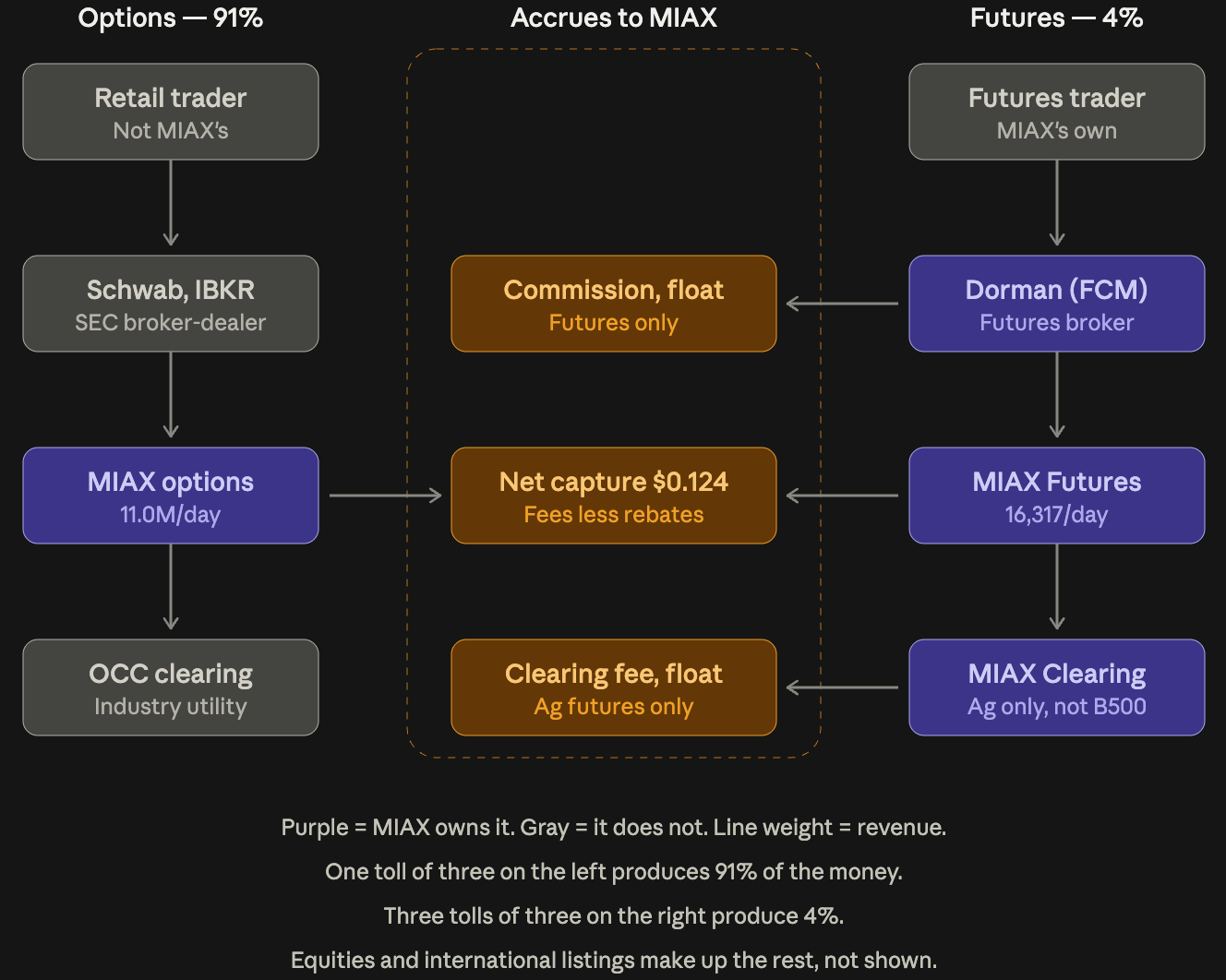
SA Albert Anthony Sep 5 Miami International Holdings, the No. 4 options exchange with 17% share, trades at 12x forward EBITDA despite 35% revenue growth, 54%…
S Sylence Capital Aug 27 4 clicks
Domo’s $400 million sale to Progress would leave a cash-rich public shell with $900 million of NOLs; January 2028 $5 calls cost 22 cents.
S Triple S Special Situations Investing Aug 27 3 clicks
Tutor Perini’s Q2 revenue rose 19% to $1.64 billion as higher-margin megaprojects lifted construction income 54%, prompting higher 2026 EPS…
SA The Curious Analyst Aug 27 Cal-Maine, the largest U.S. egg producer, trades at 1.6x book versus a 2.1x 20-year median, with net cash and investments equal to 23% of…
US-Canada tariffs impose 50% duties on $20 billion of Canadian goods, lifting US steel makers while pressuring Canadian exporters and…
S Aurelion Research Aug 24
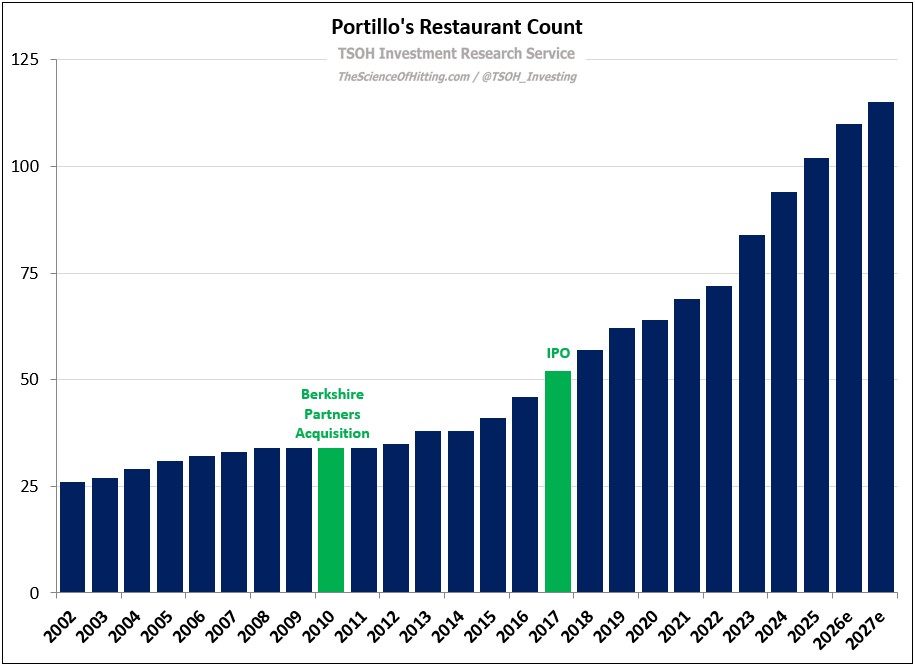
Portillo’s reset follows weak Texas unit economics, cutting next year’s openings to five from roughly 10 annually and shrinking store…
S TSOH Investment Research Aug 24
Uranium Energy Corp. is withholding production at low uranium prices while funding mine development through future share issuance.
SA Marc Gerstein Aug 24 3 clicks Planet Fitness runs 2,930 clubs and 21.5 million memberships through an asset-light franchise model funded by $15 monthly dues, royalties…