
Semtech Deep Dive, Part Two
Semtech bought an Alhambra indium phosphide laser fab for $34 million as data center revenue rose 158% to $145 million.
Semtech bought an Alhambra indium phosphide laser fab for $34 million as data center revenue rose 158% to $145 million.

Short Squeeze Tracker Thursday Oct 22nd. $HTZ back to #1. Closed above $2. Borrow still tight accross the board.

@em_credit_fund I feel like $VLRS should actually work here with the M&A, which means it probably goes down 50% next 12 months...

I see that $RGR is finally lifting off again.

Interparfums trades at a 3.13 PEG using 8% growth, while a 17.5% growth assumption lowers its PEG to 1.43.

Atour returned $262 million through dividends and buybacks, a 4.8% yield on its $5.4 billion market value, while questions surround its…

H&R Block’s seasonal tax-prep business produces nearly all annual earnings from February to April, making its steady margins a fit for…

Corcept's Lifyorli reached $91.4 million in quarterly sales as relacorilant faces a pivotal December FDA decision on its label and…
 Datalam Trading 6 clicks

Stevanato’s 2027 low-single-digit growth reflects GLP-1 syringe destocking at Novo, while capacity backfill and higher-margin formats…

AXIS’s AXS-E preferred yields 8.3% at $16.49, while discounted WaFd and Bank OZK preferreds offer 8% to 14% paper yields amid long-rate…
Aurum PropTech’s KuberX loan desk lent ₹200 crore in September, monetizing free property search through loans, while Aurum trades at…
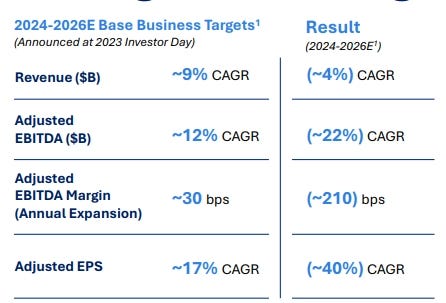
Builders FirstSource targets $350 million in annual sales growth above the market by winning more products per home and deepening local…

OB’s portfolio fell 11.8% to £36,052 amid mining-stock declines, while it argues AI spending enriches chipmakers and energy suppliers…
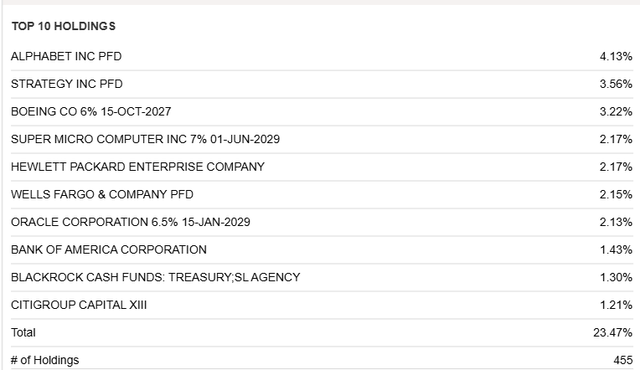
Latin American banks INTR, NU and AVAL reported solid quarters, while preferred-stock ETF distortions create opportunities in individual…
 OSCR · short
Oscar Health, a $10 billion insurer trading at about 18 times 2026 EPS, is presented as a short candidate over the next 6 to 18 months.

Silicon Motion's Q3 revenue rose 131% to $560.2 million and operating margin reached 29%, while shares trade at 9.54x forward earnings amid…
 Market Edge Researcher
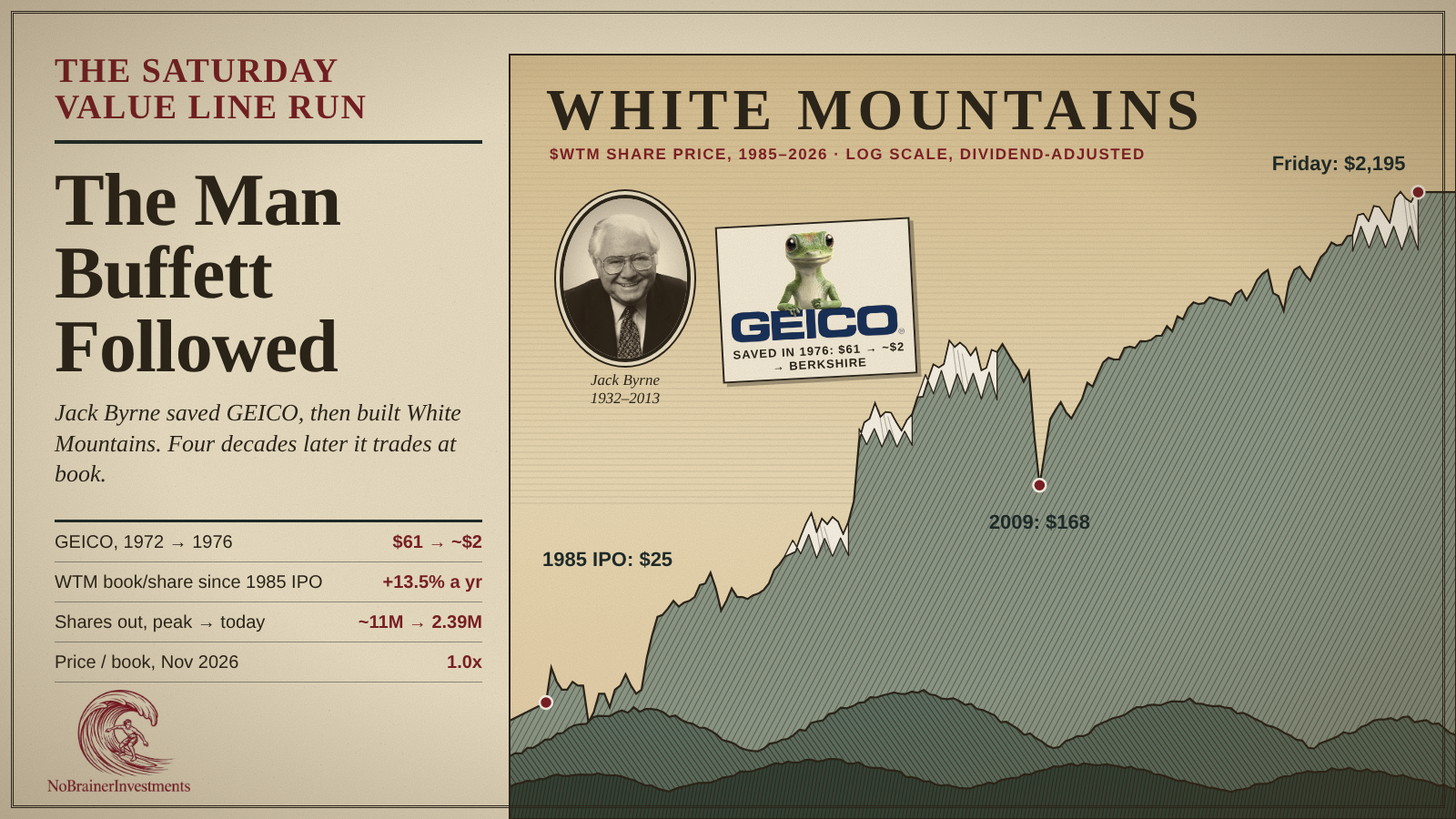
White Mountains trades near book value, alongside a below-book Lower Manhattan stake and a Florida condo insurer at 6x earnings.
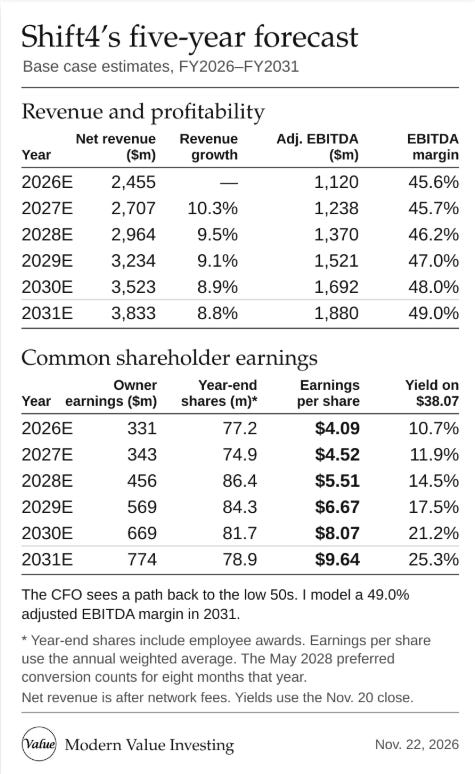
Shift4 cut 2026 guidance after travel disruption, European fee concessions and currency reduced Q4 revenue expectations by roughly $54…
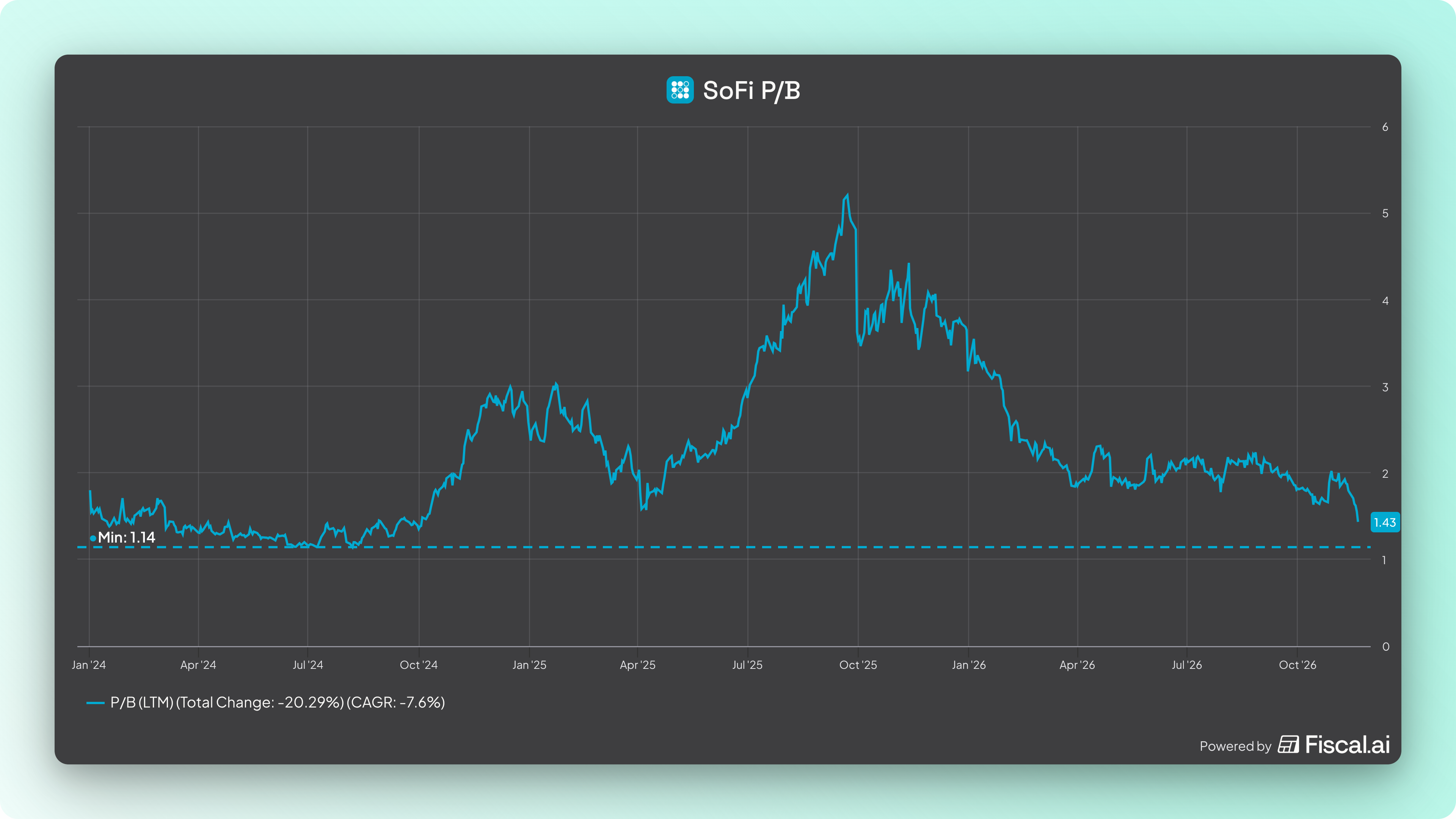
TPG’s $63.25-a-share takeout of Bill Holdings shifts coverage to SoFi, whose drawdown follows strong customer and deposit growth and recent…

Atour returned more than $260 million to shareholders this year, funded partly by pillow sales rather than hotels, after Rob Vinall swapped…

Lithium Americas’ $650 million extra Thacker Pass contribution could raise ownership after Phase 1 costs rose $895 million to $3.83…
 Max McGough

Sabre’s $4.6 billion debt load and 2029-30 maturities frame Constellation Software’s 12.7% PEMS stake, despite management’s 9% annual…

NIQ Global Intelligence grew Q3 Intelligence subscription revenue 5.5% and adjusted EBITDA 17.8%, cutting net leverage to 2.9x while…
Market Edge Researcher 
Strategy, BitMine, Sharplink and Hyperliquid Strategies traded at 14% to 33% discounts to token NAV on November 18, 2026, testing buy-wide,…
Every publication on this site, hand-picked.
 Adam Schadt
 Albert Anthony
 Alexander Grover
 Andres Veurink
 APAC Research
 Arizona Equity Research
 Atlas Diary
 Bay Area Ideas
 Benjamin C. Barry
 Bernard Zambonin
 Blake Winiecki
 Capital Connoisseur
 Chetan Woodun
 Crimson And Gold Research
 Cypriot Invests
 Dane Bowler
 Daniel Bell
 Daniel James
 Daniel Jones
 Daniel Schönberger
 Danil Sereda
 David Zanoni
 Deep Value Investing
 Dhierin Bechai
 Dilantha De Silva
 Dustin Quasney
 Edmund Ingham
 Elliott Gue
 Equity Eagle
 Eudaemon Research
 Fernanda Galvez Jalil
 Fountainhead
 Gary Gambino
 Geneva Investor
 Gil Rotstein
 Given Mahlangu
 Gytis Zizys
 Henrik Alex
 High Alpha Professor
 Ignacio Planas Gonzalez
 Infinity Curve
 Investor Overview
 IWA Research
 Jaden Mealy
 JR Research
 Julia Ostian
 Juxtaposed Ideas
 Kevin Avroutskii
 Khaveen Investments
 Kurt Christensen
 Lee Bailey
 LL Insights
 Long Player
 Louis Gerard
 M&M Capital
 Marc Gerstein Market Edge Researcher
 Melissa Tucker
 Mike Arnold
 Mike Zaccardi, CFA, CMT
 Miletus Research
 Motti Sapir
 Multiplo Invest
 Myriam Alvarez
 Narek Hovhannisyan
 Nicholas Thomas Lowry
 Nicolas Bolsinger
 Number Cruncher
 Oakoff Investments
 Petri Dish Reports
 Philip Wang
 Prakhar Agarwal, CFA
 PropNotes
 PV Research
 Pythia Research
 Quantryon Capital
 Robert J. Lake
 Ron Ferrie
 Rubicon Associates
 Ryan Canady
 Sam Mancini
 Sanjay Swamy
 Seeking Profits
 Sharon McArd
 SiliconBytes Insights
 Simple Investment Ideas
 Sorrento Research
 Stephen Ayers
 Steven Fiorillo
 Tech and Growth
 Terry Chrisomalis
 The Alpha Analyst
 The Asian Investor
 The Bullionaire
 The Curious Analyst
 The J Thesis
 The Market Auditor
 The Supercycle Investor
 The Undercovered Dozen
 Tim Travis
 Uttam Dey
 Value Capital Research
 Vishal Jadaun
 Yiannis Zourmpanos
 Zoltan Ban
Every account on this site, hand-picked.
 ⚽️📡
 💥PETITION💥
 A Capital
 absreturnchaser
 Adam D. Wyden
 Alpha Vulture
 AltayCap
 Asif Suria
 Bank Reg Blog
 Barbarian Capital
 BDC
 Bill Ackman
 Brian McGough
 Broken Moats
 BuccoCapital Bloke
 Calvin Blissett
 catechwilliams
 Charles Frischer
 Chris Camillo
 Clark Square Capital
 Cluseau Investments
 Colin King
 Connor Haley
 Conor Maguire | Value Situations
 Convequity
 Dalius - Special Sits
 David Orr Deep Sail Capital
 Derek Pilecki
 Devin LaSarre
 DOMO Capital Management, LLC
 Edwin Dorsey
 Evan Tindell
 Fajasy
 Farmer
 Fierce_beast
 Fred Liu
 Garrett Arms
 Gavin Baker
 George Noble
 Hunterbrook Ian Bezek
 Idea Brunch
 JabroniCoin.USD
 Japan Deep Value
 John_Hempton
 junkbondinvestor
 kab60
 KEDM.com
 Kevin Mak
 Kingdom Capital
 Kuppy
 Laughing Water Capital Lee Roach
 Little Owl Research
 Maius
 Maj Soueidan
 marginofdanger
 mavix
 Mike
 Mikro Kap David
 Mr Neutral Man aka "Howard Marks of REITs”
 Multiples Capital
 Myles
 Nat Stewart
 Negligible Capital
 Odd Diligence
 Odd Lot Arbitrageur
 PAA Research
 Paradis
 Pernas Research
 Porter Collins
 Prepared Remarks
 Psyop Capital
 Raging Capital Ventures
 Red Dog Capital RiverRoadPartners
 Rohan Pavuluri
 Rusholme Capital
 Sahil Khetpal
 Serenity
 SG
 Sheel Mohnot
 SouthernValue
 Steve Eisman
 The Friendly Bear
 Tim Eriksen
 Timyan Bank Alert
 Todd Wenning
 ToffCap
 Trevor Scott
 Undiscovered Compounders
 Voss Capital
 Yaron Naymark
Ordered by how often our editor reaches for them.