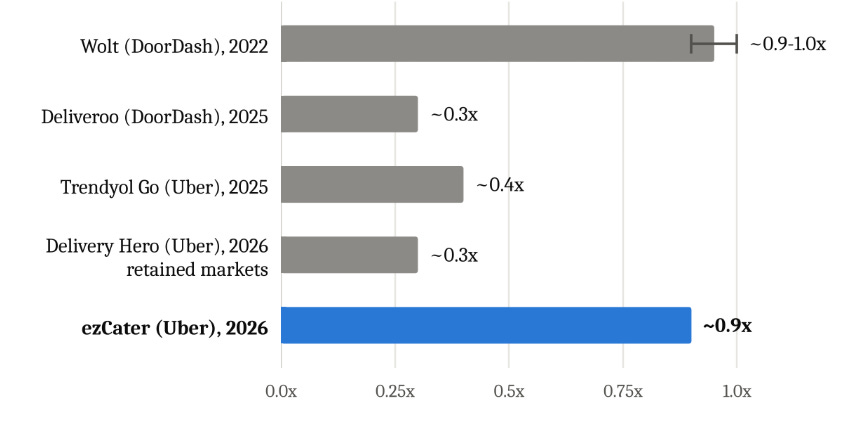
ezCater and the Other Half of Uber's FCF
Uber’s $2.3 billion cash purchase of ezCater extends its buy-versus-build strategy and raises questions about the price and capital allocation.
Uber’s $2.3 billion cash purchase of ezCater extends its buy-versus-build strategy and raises questions about the price and capital allocation.
$LULU just now https://t.co/CMBjD201I0
At this point $NKE and $LULU should just merge to create one big piece of shit
A leaked GameStop $GME memo has used PlayStations trading 50% higher than MSRP because of GTA release. GameStop about to print money into the end of the year. https://t.co/niu0IXZytS
What's wrong with $BSP ? https://t.co/XXaB7KnW0R
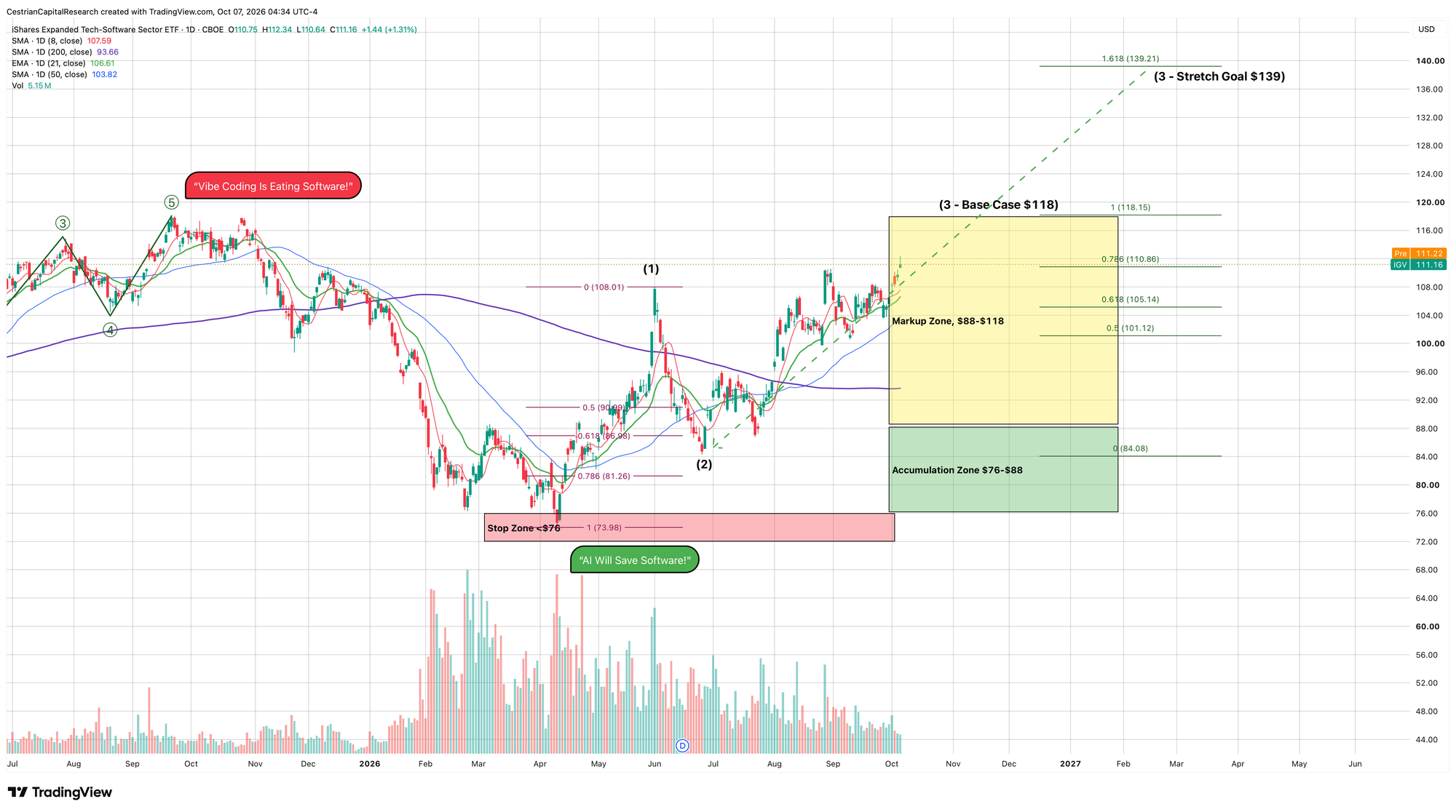
Adobe rates Accumulate at $189-$266 after Q3 FY26 revenue grew 12.9%, while management guided slower growth and RPO growth decelerated.

On Holding (ONON) is gaining sportswear share, expanding store space and launching soccer with Kylian Mbappé as investors debate U.S.

Rollins’ recurring pest-control base requires ongoing spending to replace departing customers, a concern tied to its nearly 50%…
Intuit’s $21.4 billion software franchise faces AI-driven pricing pressure in tax and accounting, even as QuickBooks and TurboTax retain…
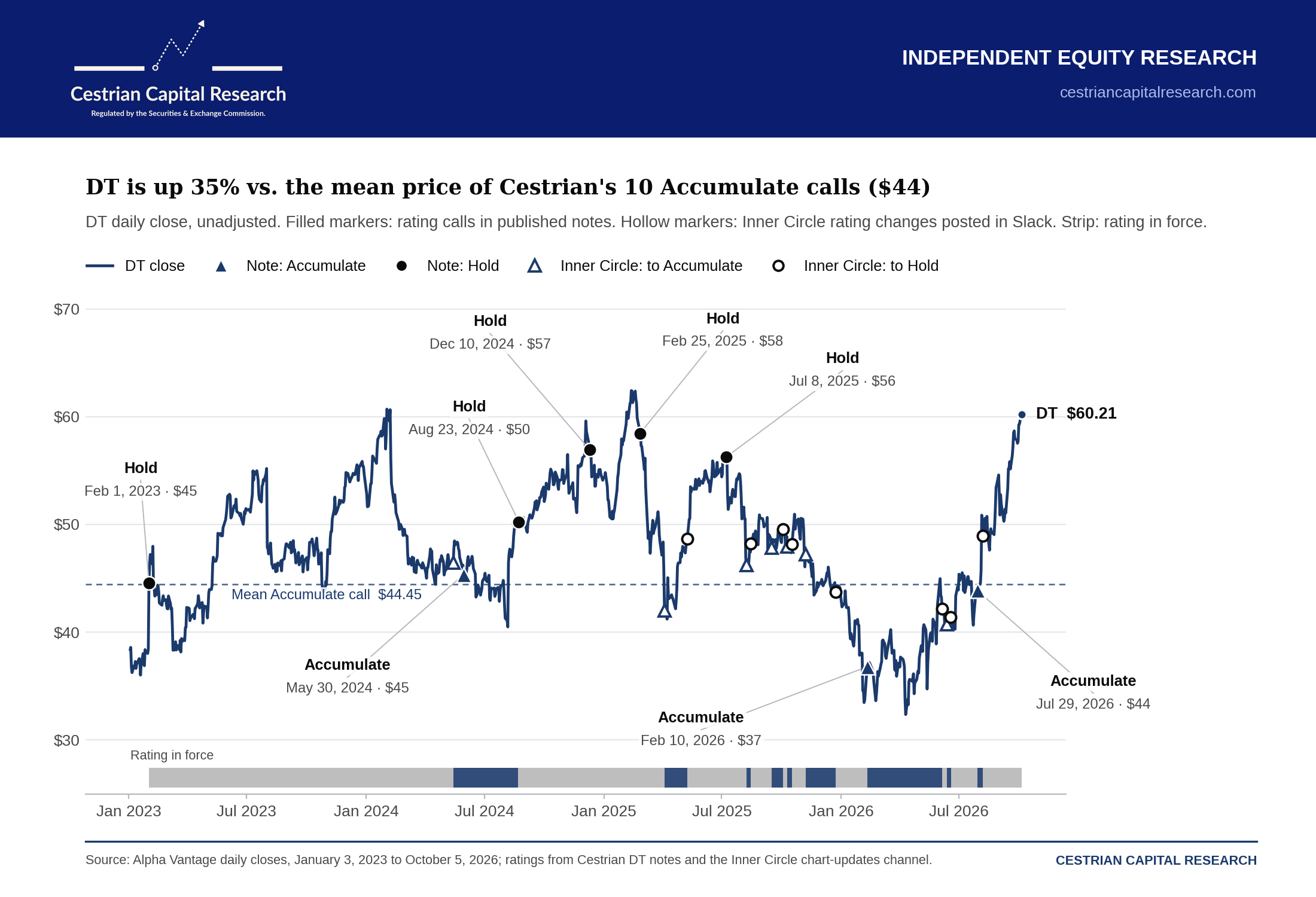
Dynatrace is rated Distribute after a 90% rally to $60.21 nears $62 resistance, while revenue and RPO growth decelerate ahead of November…

Nebius gains preferred sovereign infrastructure status for Palantir’s enterprise AI stack, using its customer base to accelerate modular…
 Petri Dish Reports 3 clicks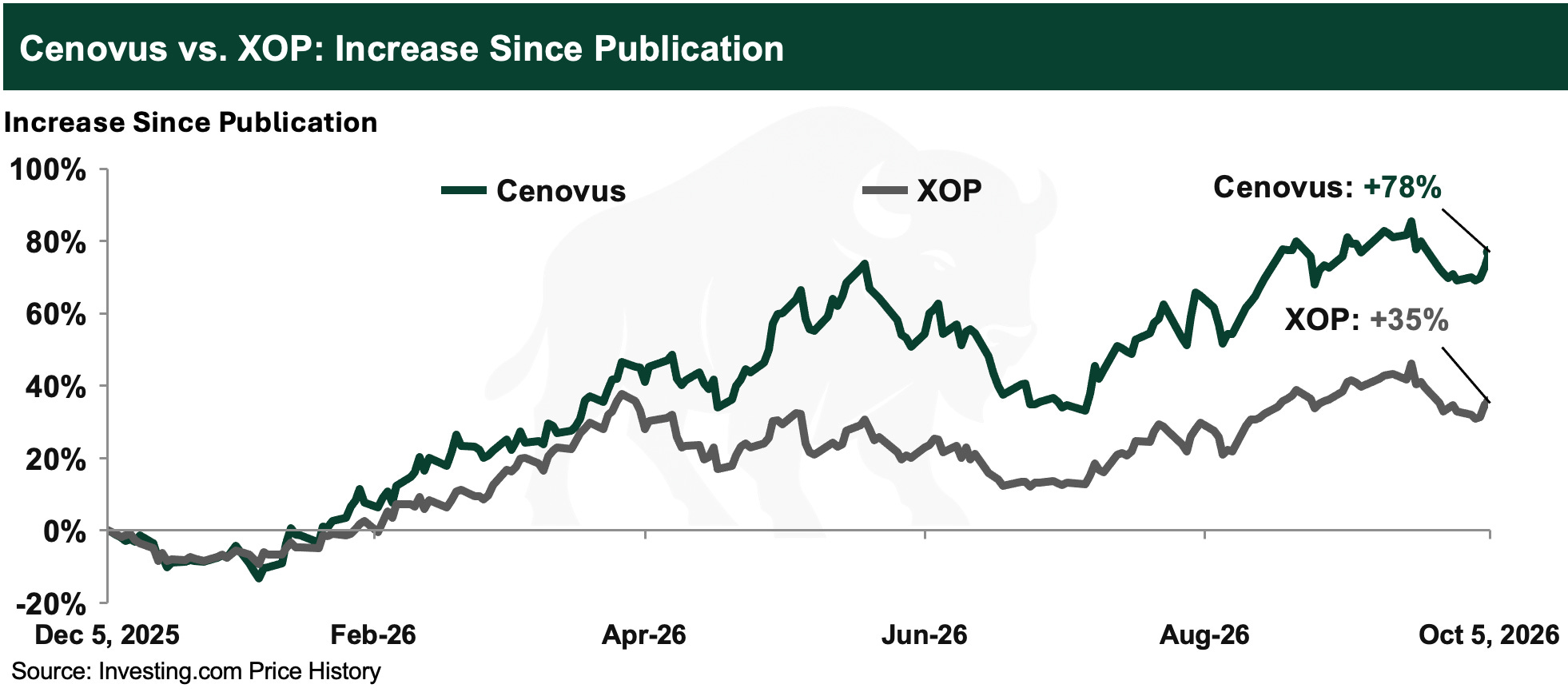
Cenovus Energy, up 78% in 10 months, is sold after agreeing to buy Athabasca Oil for $5.7 billion at a rich valuation.
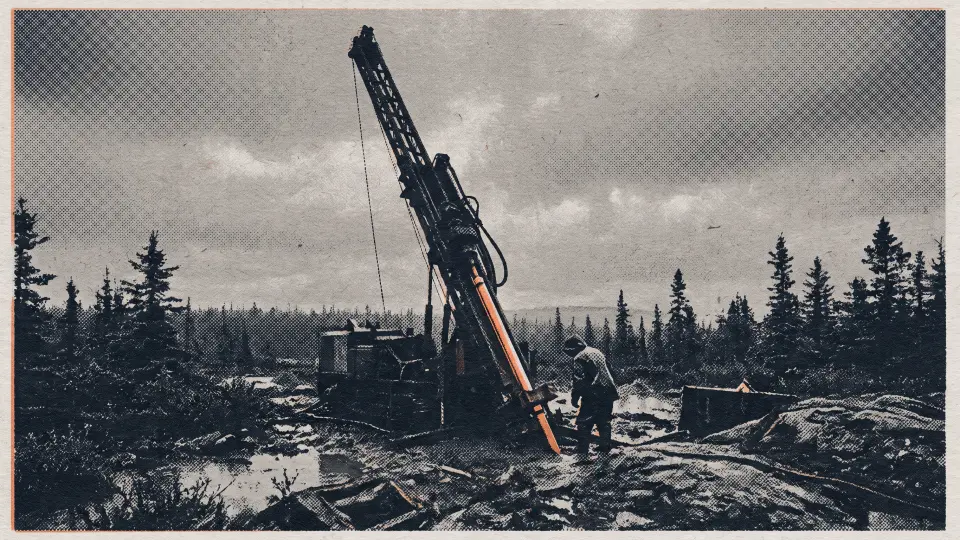
Canterra Minerals increased Lundberg indicated tonnage 55% to 26.1Mt, with 226.2Kt of contained copper equivalent, supporting a Buchans…

Franco-Nevada bought 10.0 million Kenorland shares, a 12.4% stake, for C$22.2 million in a secondary transaction that issued no new shares.
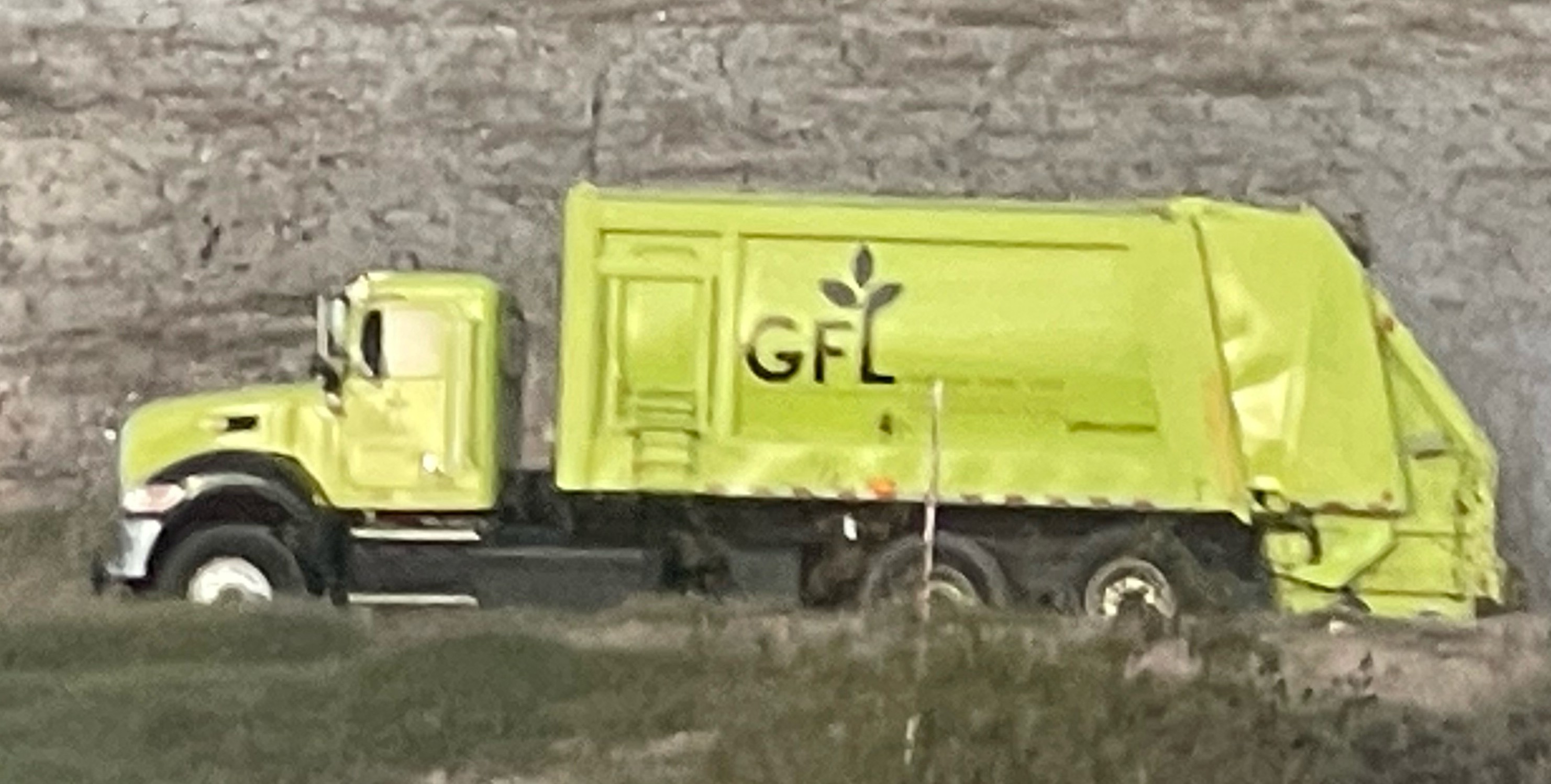
GFL Environmental’s take-private bids reportedly fall within $50 to $55, with a top-of-range offer likely needed to secure shareholder…
 ADBE · long
 Adobe's dual network effects and platform entrenchment make AI fears a buying opportunity for the software compounder.

Rebound Capital's July 2026 watchlist puts AeroVironment and Coinbase under review after UnitedHealth rose more than 70% from its low.
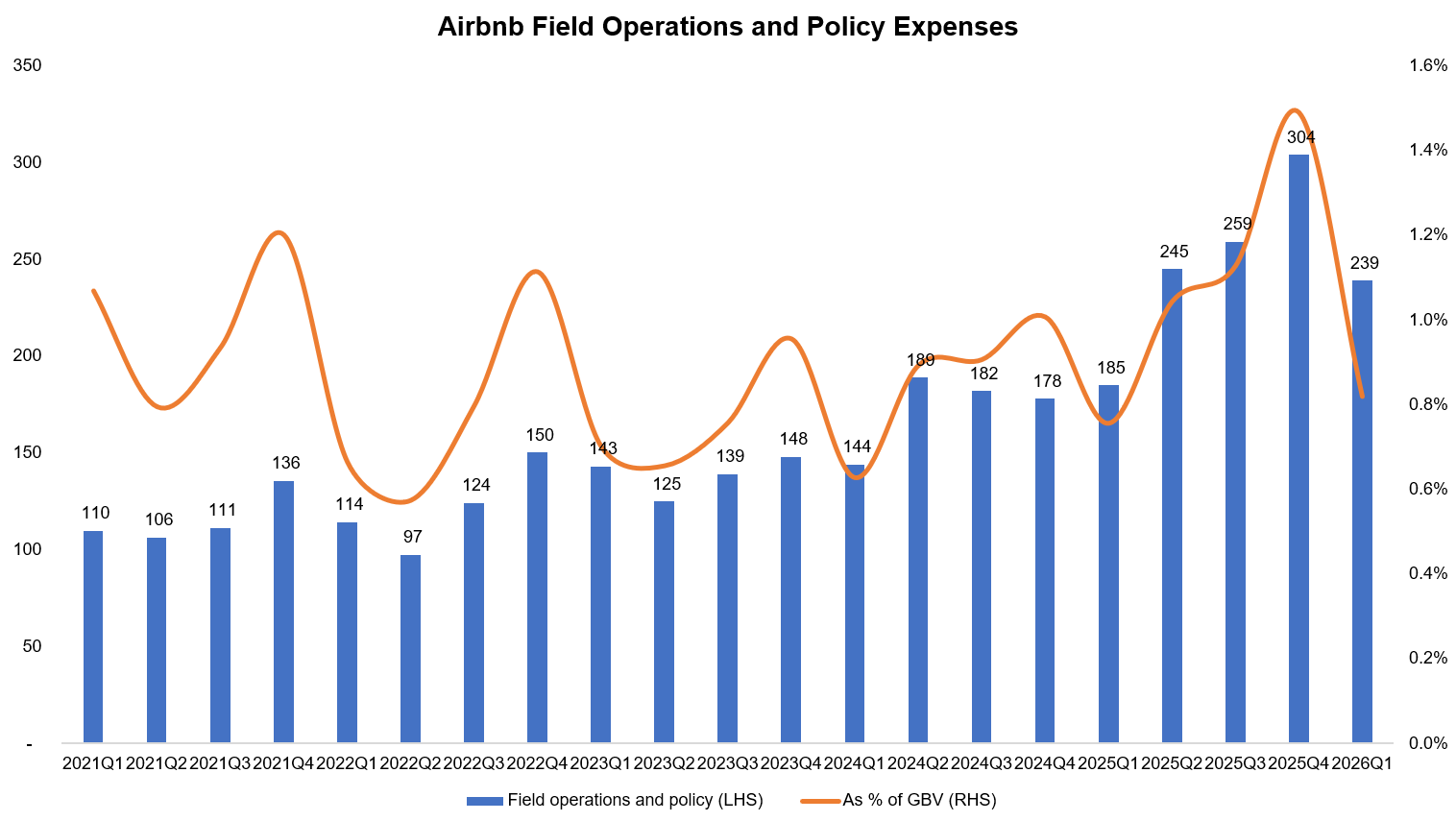
Airbnb spent 1.1% of 2025 GBV on field operations and policy as regulatory costs persisted; New York’s short-term-rental crackdown cut…
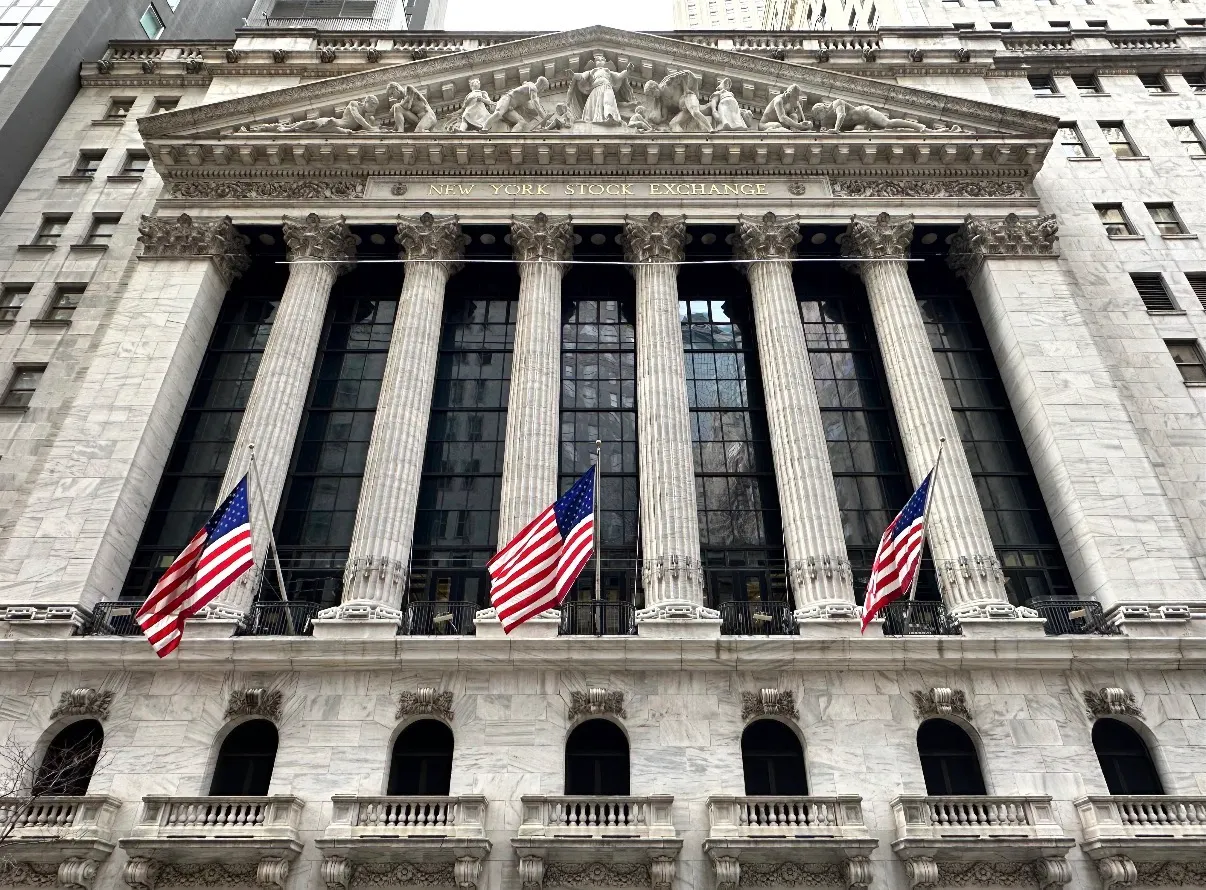
A digital market-infrastructure platform dominant in rates and expanding in credit trades at 22 times free cash flow, with 45%+ FCF margins…
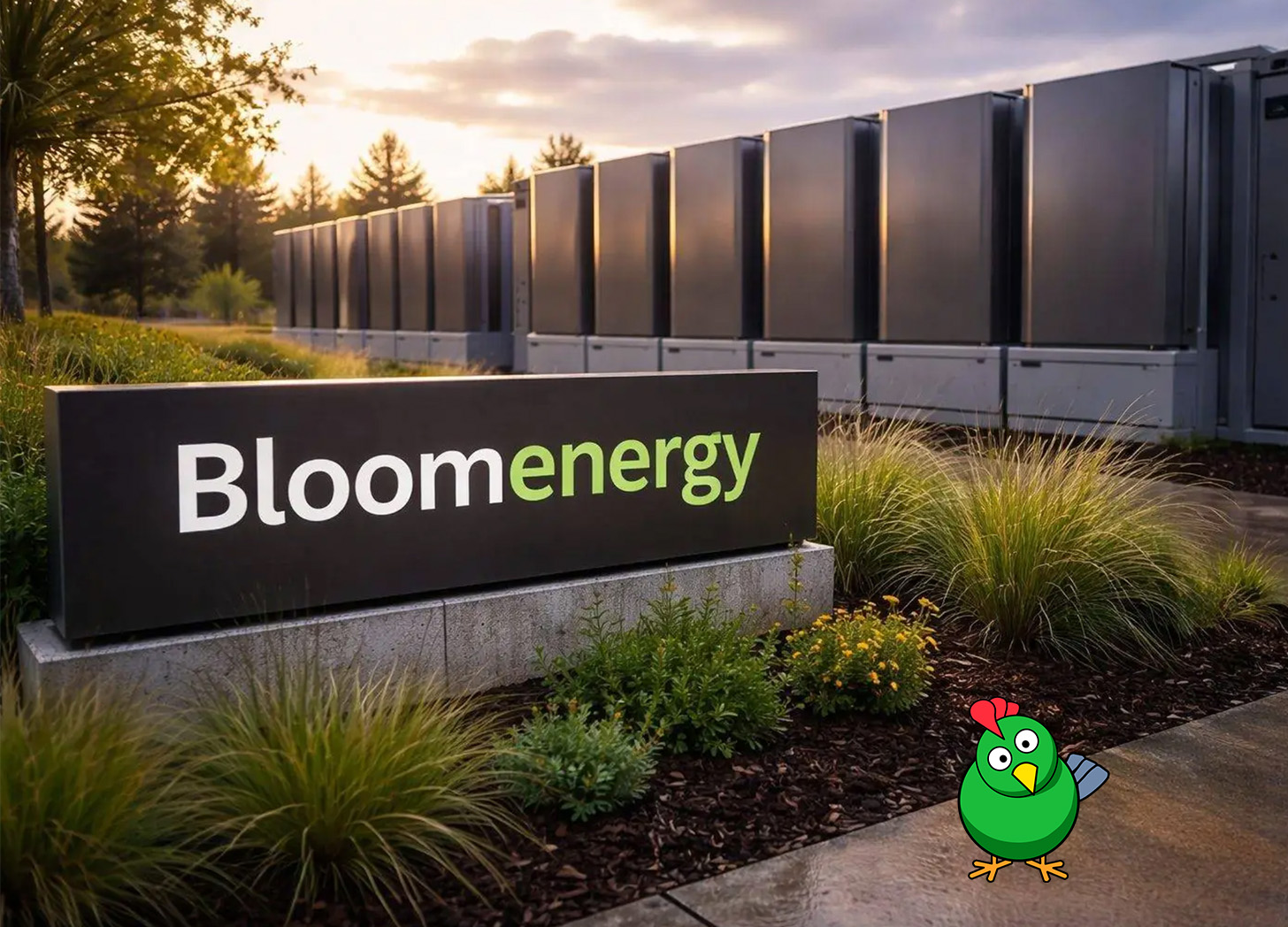
Bloom Energy’s AI data-center fuel-cell growth plans face scrutiny over scandium supply, with Hunterbrook alleging China dependence and…
Cerebras Systems sells WSE-3 wafer-scale AI chips and cloud capacity, with cloud and services rising to 43% of revenue after an OpenAI…
Nvidia shifted its optical interconnect plan from TSMC CPO to Tower Semiconductor NPO, increasing laser requirements that favor Lumentum…
Molson Coors trades at 6.2x free cash flow and offers a roughly 15% shareholder yield, but declining beer volumes could make it a value…
Nvidia's Groq deal responded to OpenAI's Cerebras inference partnership, preserving its AI-chip lead through supply-chain control and rapid…

MercadoLibre’s sum-of-the-parts model values commerce and payments on FCFF, credit on equity returns, producing a $1,980 base-case target…
Every publication on this site, hand-picked.
 Albert Anthony
 Andres Veurink
 Bay Area Ideas
 Capital Connoisseur
 David Zanoni
 Deep Value Investing
 Dhierin Bechai
 Equity Eagle
 Eudaemon Research
 Fernanda Galvez Jalil
 Henrik Alex
 High Alpha Professor
 Investor Overview
 IWA Research
 Jaden Mealy
 Khaveen Investments
 LL Insights
 Long Player
 Marc Gerstein
 Melissa Tucker
 Mike Zaccardi, CFA, CMT
 Miletus Research
 Myriam Alvarez Petri Dish Reports
 Philip Wang
 Prakhar Agarwal, CFA
 PV Research
 Quantryon Capital
 Robert J. Lake
 Ron Ferrie
 Sam Mancini
 Sharon McArd
 SiliconBytes Insights
 Simple Investment Ideas
 Sorrento Research
 Stephen Ayers
 Steven Fiorillo
 The Alpha Analyst
 The Asian Investor
 The Bullionaire
 The Curious Analyst
 The J Thesis
 The Supercycle Investor
 The Undercovered Dozen
 Value Capital Research
 Vishal Jadaun
Every account on this site, hand-picked.
 ⚽️📡
⚽️📡 💥PETITION💥
 A Capital
 Adam D. Wyden
 AltayCap
 Bank Reg Blog
 Barbarian Capital
 BDC
BDC Bill Ackman
 Broken Moats
 BuccoCapital Bloke
 Calvin Blissett
 catechwilliams
 Charles Frischer
 Chris Camillo
 Clark Square Capital
 Cluseau Investments
 Colin King
 Connor Haley
 Conor Maguire | Value Situations
 Convequity
 David Orr
 Deep Sail Capital
 Devin LaSarre
 DOMO Capital Management, LLC
 Edwin Dorsey
 Evan Tindell
 Fajasy
 Farmer
 Fierce_beast
 Fred Liu
 Gavin Baker
 Ian Bezek
 Idea Brunch
 JabroniCoin.USD
 John_Hempton
 junkbondinvestor
 kab60
kab60 KEDM.com
 Laughing Water Capital
 Lee Roach
 Little Owl Research
 Maius
Maius Maj Soueidan
 marginofdanger
 mavix
mavix Mike
Mike Mikro Kap David
 Multiples Capital
 Myles
Myles Nat Stewart
 Negligible Capital
 Odd Diligence
 Odd Lot Arbitrageur
 PAA Research
 Pernas Research
 Porter Collins
 Prepared Remarks
 Psyop Capital
 Raging Capital Ventures
 Red Dog Capital
 RiverRoadPartners
 Rusholme Capital
 Sahil Khetpal
 SG
SG Sheel Mohnot
 Tim Eriksen
 Timyan Bank Alert
 Todd Wenning
 ToffCap
 Trevor Scott
 Undiscovered Compounders
 Voss Capital
 Yaron Naymark
Ordered by how often our editor reaches for them.