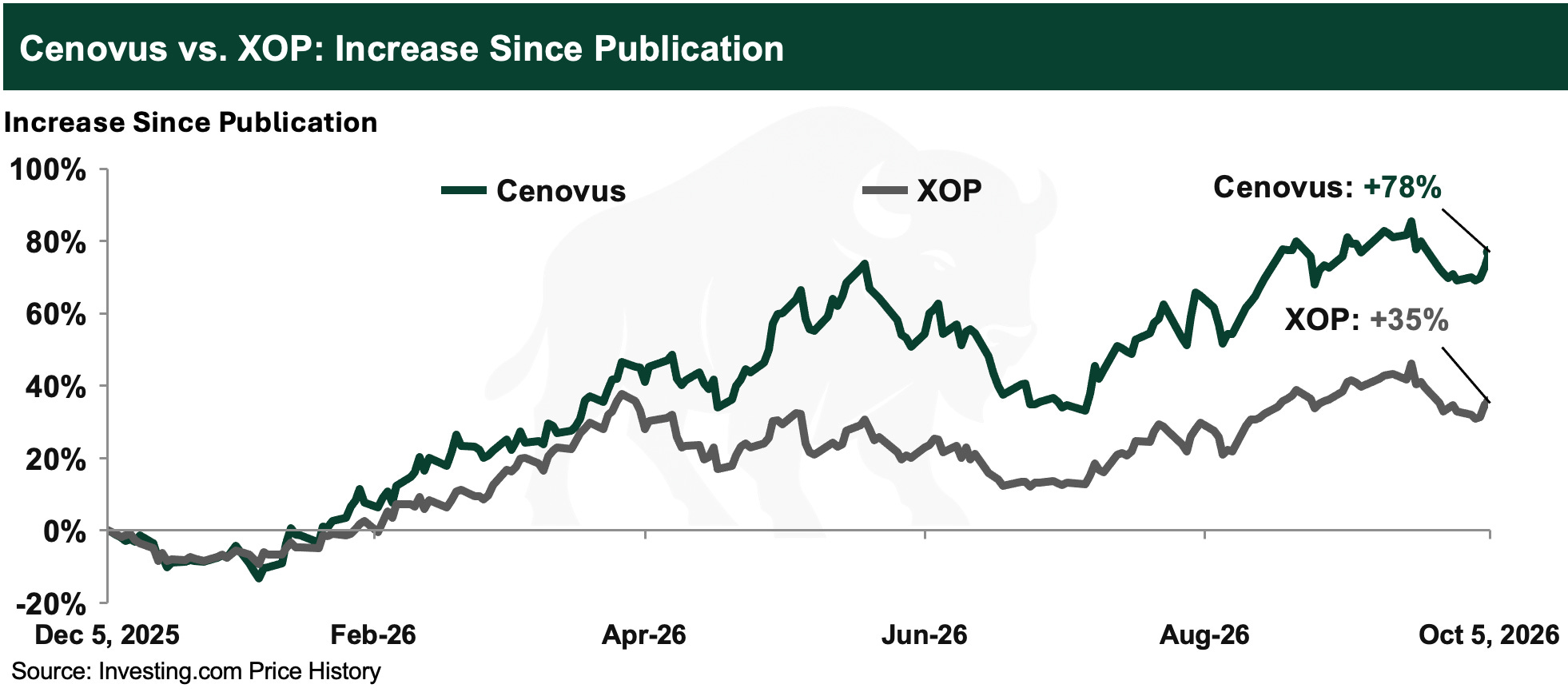
Selling Cenovus: Up 78% in 10 Months
Cenovus Energy, up 78% in 10 months, is sold after agreeing to buy Athabasca Oil for $5.7 billion at a rich valuation.
Cenovus Energy, up 78% in 10 months, is sold after agreeing to buy Athabasca Oil for $5.7 billion at a rich valuation.
$MELI - Long term vision. https://t.co/EXtoxpWBg3
@AtlasShrug1 The JV with Sharon AI. Look into that. The PPA gives away 5% equity for the right for $NUAI to buy power from Vista.
Because they are bullshiting everyone. $NUAI https://t.co/FMGotqQuEr
@TarekAntaki I bought $CHTR stock today as well, Godspeed!
When is the correct time to short $ARKG? https://t.co/BcdIJj37oj
@BitcoinAIGuy @optionology What assets does $NUAI actually own? A few million of real estate in Texas? Why is everyone so bullish on a company that was run / pivoted into “power shells” by a shady oil field guy like E Will Gray II?
@paulcerro $evlv seems like a pretty difficult biz
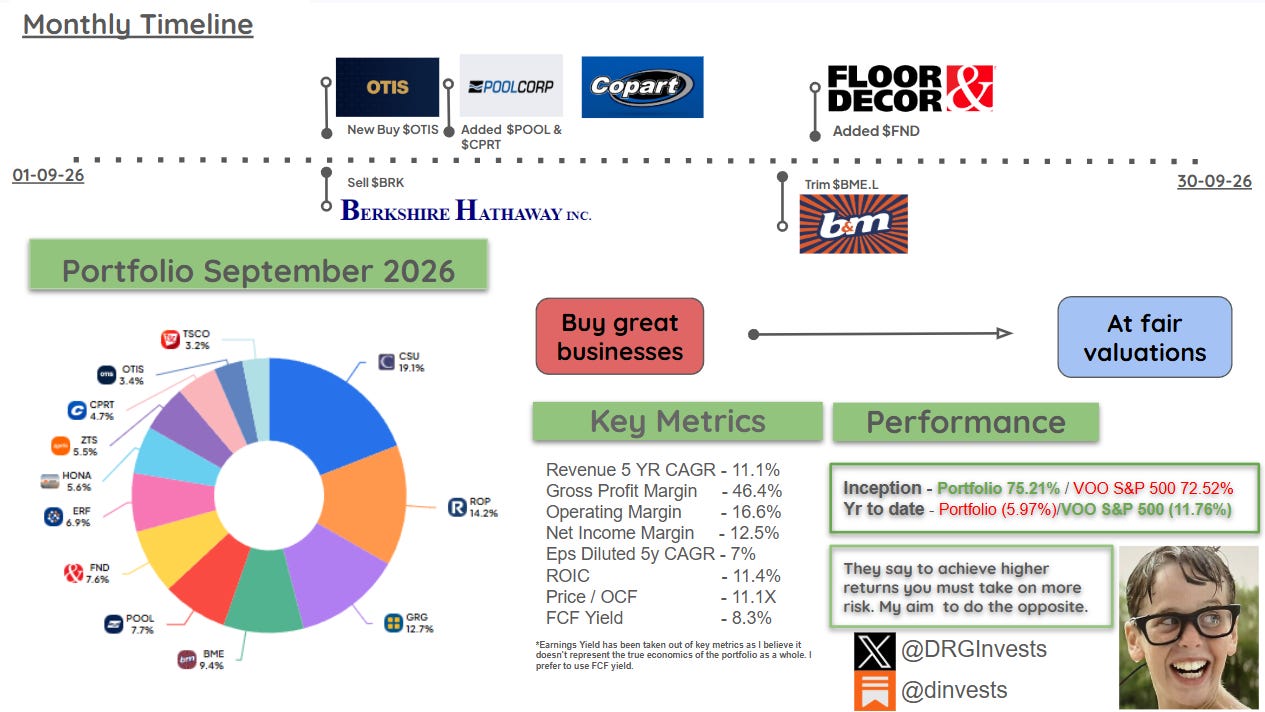
Portfolio added Otis Worldwide in the mid-$60s, increased Pool, Copart and Floor & Decor, and sold Berkshire Hathaway.

Ciena’s optical networking equipment sales to stronger telecom customers underpin a 2027 long thesis, unlike its 2000-era boom.
 Marc Gerstein 2 clicks
Brazilian fintechs NU, INTR and PICS stand to benefit from a Bolsonaro-led runoff surprise that lowers fiscal risk premiums, rates and the…

Nyxoah's Genio implant could reach CCC patients after an FDA label expansion, targeting 30% of the obstructive sleep apnea device market by…
 Stephen Tobin 3 clicks
Latticework’s briefing questions AI capex returns while featuring Close Brothers, Green Landscaping and OMS Energy Technologies.
Old Market Capital, a delisted holding company owning a rural fiber network, trades below comparable network valuations after institutional…

Leslie’s and nine affiliates filed Chapter 11 in Texas on September 30, 2026, after 18 months of deteriorating performance.
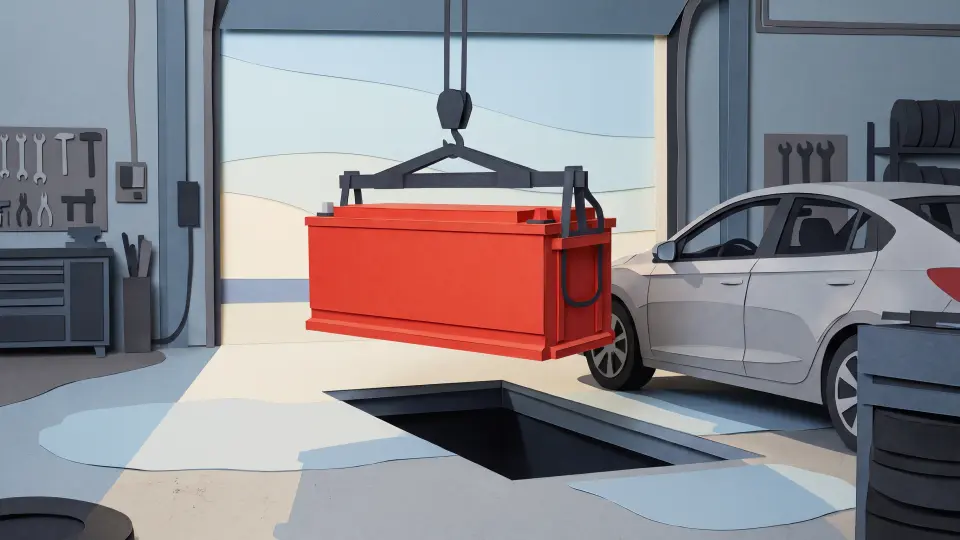
Leslie’s, the pool-supplies retailer, filed Chapter 11 after deteriorating operations, pricing and inventory missteps, and a burdensome…
Geely’s ZEEKR nearly doubled first-half 2026 deliveries to 178,000, while Geely bought 30% of NIO’s battery-swapping unit to reduce…
 The Asian Investor 5 clicks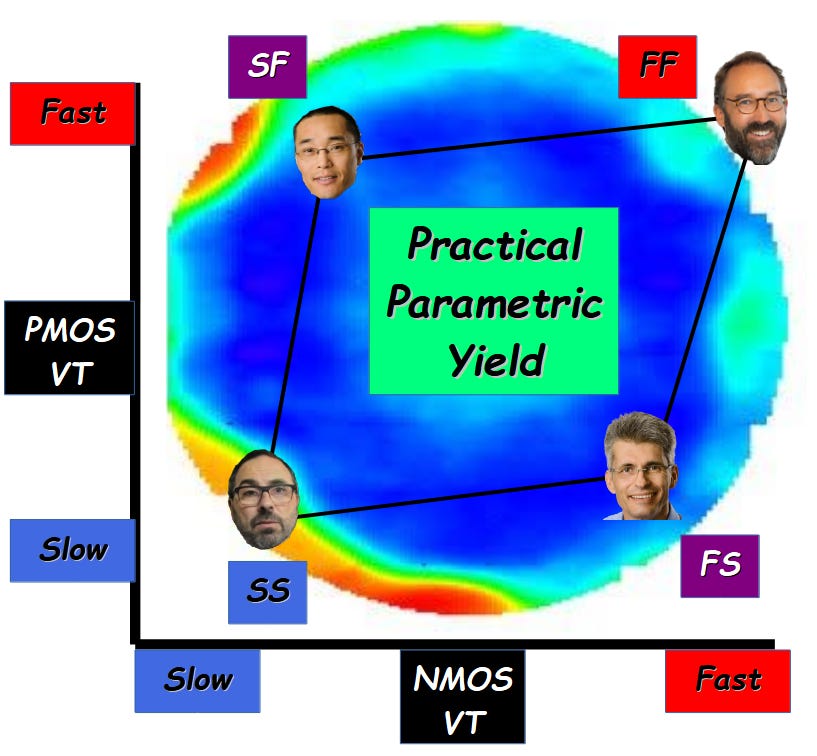
Cerebras’s WSE-3 faces parametric-yield constraints that could restrict supply, making power and clock-speed tradeoffs central to its next…
 THC · long
 Tenet Healthcare generates roughly two-thirds of profits from hospitals and one-third from ambulatory surgery centers.

Steve Eisman argues AI extinction warnings from Dario Amodei and Sam Altman seek regulation that creates pricing moats.
Nintendo's Switch 2 attach rate, flat Switch Online accounts and rising memory costs fuel a bear case, while Spotify and Netflix margins…

DoorDash's grocery push targets a shift from weekly stock-up trips to frequent online fill-in orders, though smaller baskets complicate…

Planet Labs’ $116.1 million second-quarter revenue, 70% defense mix and planned Owl constellation position satellite imagery and AI data as…
 Petri Dish Reports 2 clicks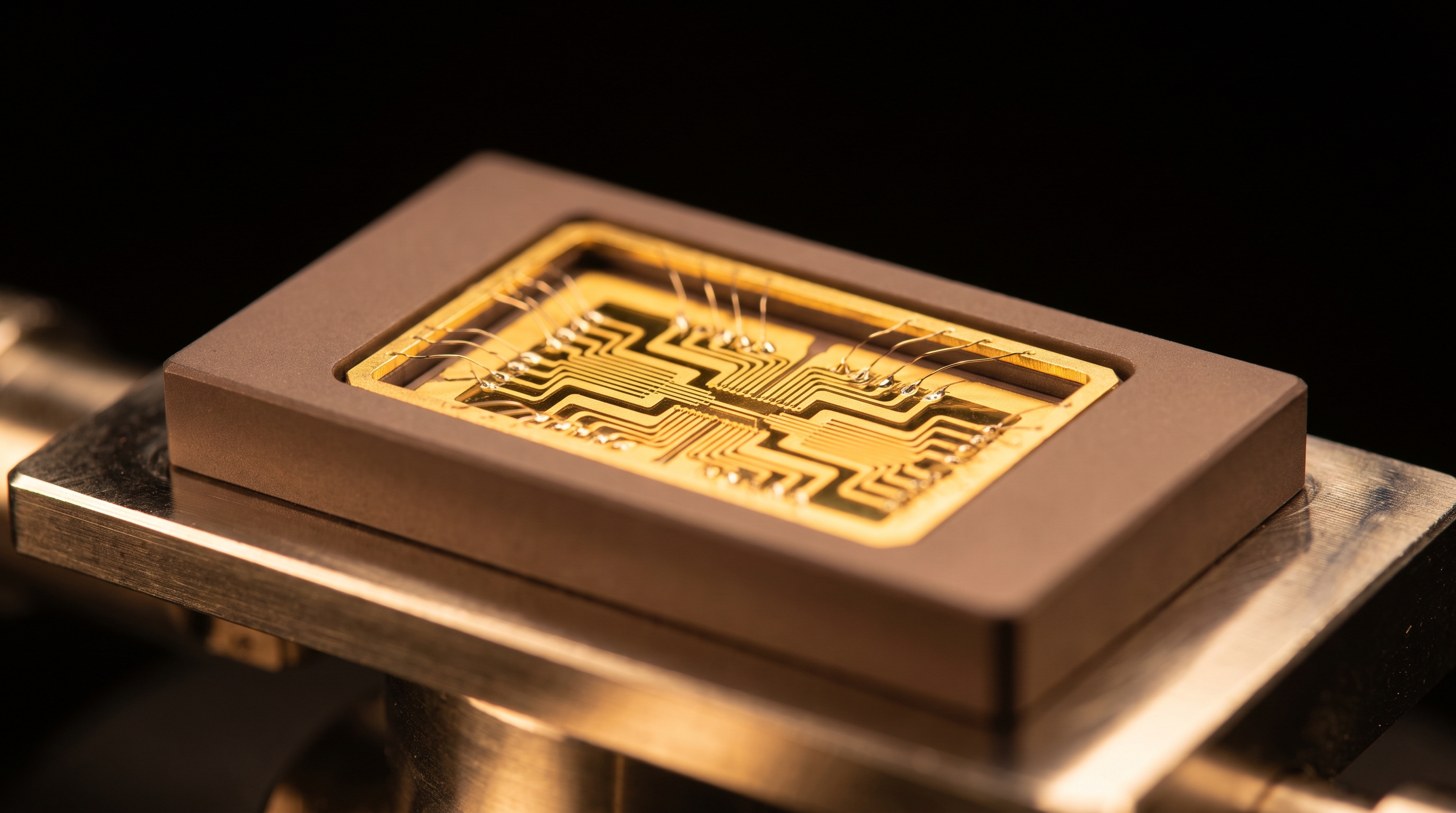
Quantinuum's improving logical-qubit error correction, 1,504 successful-circuit benchmark score and paid deployments at RIKEN, BMW and…
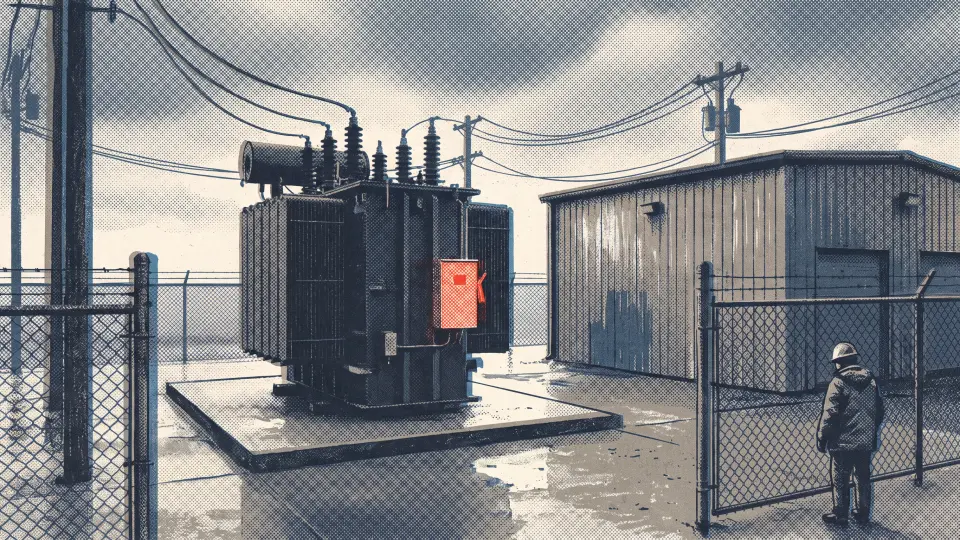
Generac’s $2.4 billion Amazon generator agreement for 2027-28 anchors its data-center growth thesis, with 30% projected revenue growth in…
 Fernanda Galvez Jalil
Grab generates 53% of revenue from delivery, 36% from mobility and 10% from financial services, using its Southeast Asian marketplace to…

DeFi Development’s Solana treasury strategy faces dilution, preferred dividends and tight liquidity after a 50% rally, with $4.3 million of…
 Dorine Cherop
Ultra Clean Holdings targets a $4 billion annualized revenue run rate by H2 2027 through manufacturing expansion and a broader…
Every publication on this site, hand-picked.
 Albert Anthony
 Andres Veurink
 Bay Area Ideas
 Capital Connoisseur
 David Zanoni
 Deep Value Investing
 Dhierin Bechai
 Equity Eagle
 Eudaemon Research Fernanda Galvez Jalil
 Henrik Alex
 High Alpha Professor
 Investor Overview
 IWA Research
 Jaden Mealy
 Khaveen Investments
 LL Insights
 Long Player Marc Gerstein
 Melissa Tucker
 Mike Zaccardi, CFA, CMT
 Miletus Research
 Myriam Alvarez Petri Dish Reports
 Philip Wang
 Prakhar Agarwal, CFA
 PV Research
 Quantryon Capital
 Robert J. Lake
 Ron Ferrie
 Sam Mancini
 Sharon McArd
 SiliconBytes Insights
 Simple Investment Ideas
 Sorrento Research
 Stephen Ayers
 Steven Fiorillo
 The Alpha Analyst The Asian Investor
 The Bullionaire
 The Curious Analyst
 The J Thesis
 The Supercycle Investor
 The Undercovered Dozen
 Value Capital Research
 Vishal Jadaun
Every account on this site, hand-picked.
 ⚽️📡
⚽️📡 💥PETITION💥
 A Capital
 Adam D. Wyden
 AltayCap
 Bank Reg Blog
 Barbarian Capital
 BDC
BDC Bill Ackman
 Broken Moats
 BuccoCapital Bloke
 Calvin Blissett
 catechwilliams
 Charles Frischer
 Chris Camillo
 Clark Square Capital
 Cluseau Investments
 Colin King
 Connor Haley
 Conor Maguire | Value Situations
 Convequity
 David Orr
 Deep Sail Capital
 Devin LaSarre
 DOMO Capital Management, LLC
 Edwin Dorsey
 Evan Tindell
 Fajasy
 Farmer
 Fierce_beast
 Fred Liu
 Gavin Baker
 Ian Bezek
 Idea Brunch
 JabroniCoin.USD
 John_Hempton
 junkbondinvestor
 kab60
kab60 KEDM.com
 Laughing Water Capital
 Lee Roach
 Little Owl Research
 Maius
Maius Maj Soueidan
 marginofdanger
 mavix
mavix Mike
Mike Mikro Kap David
 Multiples Capital
 Myles
Myles Nat Stewart
 Negligible Capital
 Odd Diligence
 Odd Lot Arbitrageur
 PAA Research
 Pernas Research
 Porter Collins
 Prepared Remarks
 Psyop Capital
 Raging Capital Ventures
 Red Dog Capital
 RiverRoadPartners
 Rusholme Capital
 Sahil Khetpal
 SG
SG Sheel Mohnot
 Tim Eriksen
 Timyan Bank Alert
 Todd Wenning
 ToffCap
 Trevor Scott
 Undiscovered Compounders
 Voss Capital
 Yaron Naymark
Ordered by how often our editor reaches for them.