Not So Fast
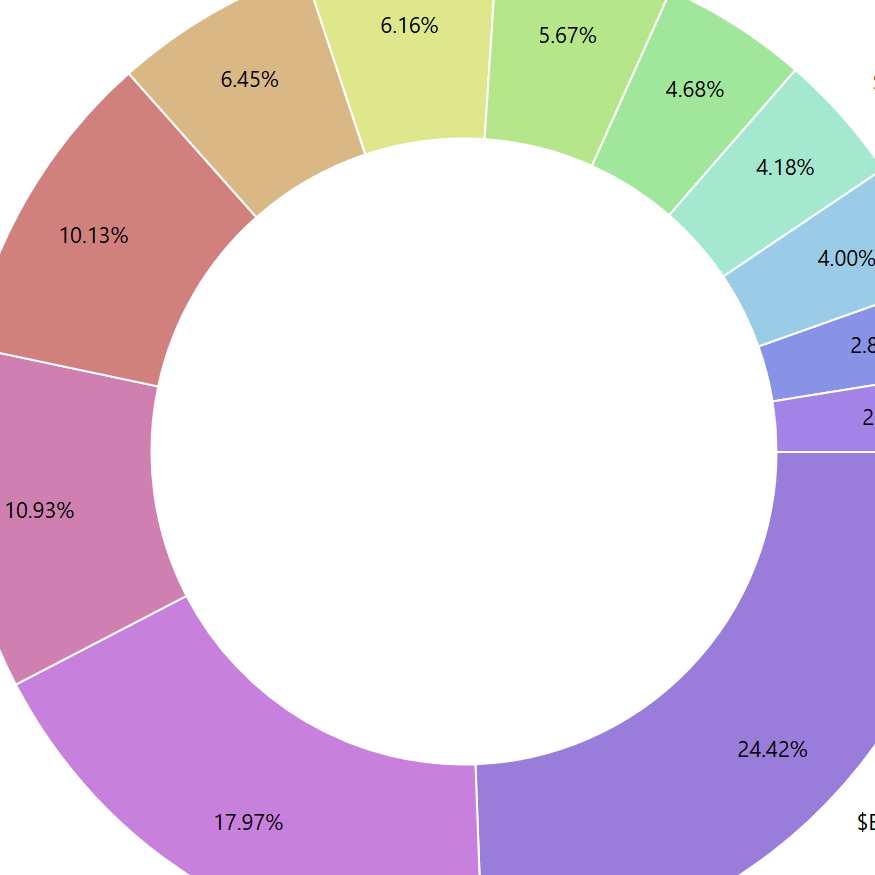
Entravision, the portfolio’s largest position, fell more than 40% from its highs as Q3 returns dropped to 37.8% YTD.
Entravision, the portfolio’s largest position, fell more than 40% from its highs as Q3 returns dropped to 37.8% YTD.
@shallowdives1 @peter_mantas Yeah it’s a nice little industry bubble forming. $DNA is also a Shitco
$DNA - Looks like another genetics short too.

Riley Exploration Permian raised oil production guidance after a Q2 beat, targeting 30% growth while trading at 6.52 times forward earnings.
 The Supercycle Investor
VersaBank uses cash holdbacks and put-backs to buy point-of-sale loan cash flows, with C$7 billion in assets and AI-enabled real-time…
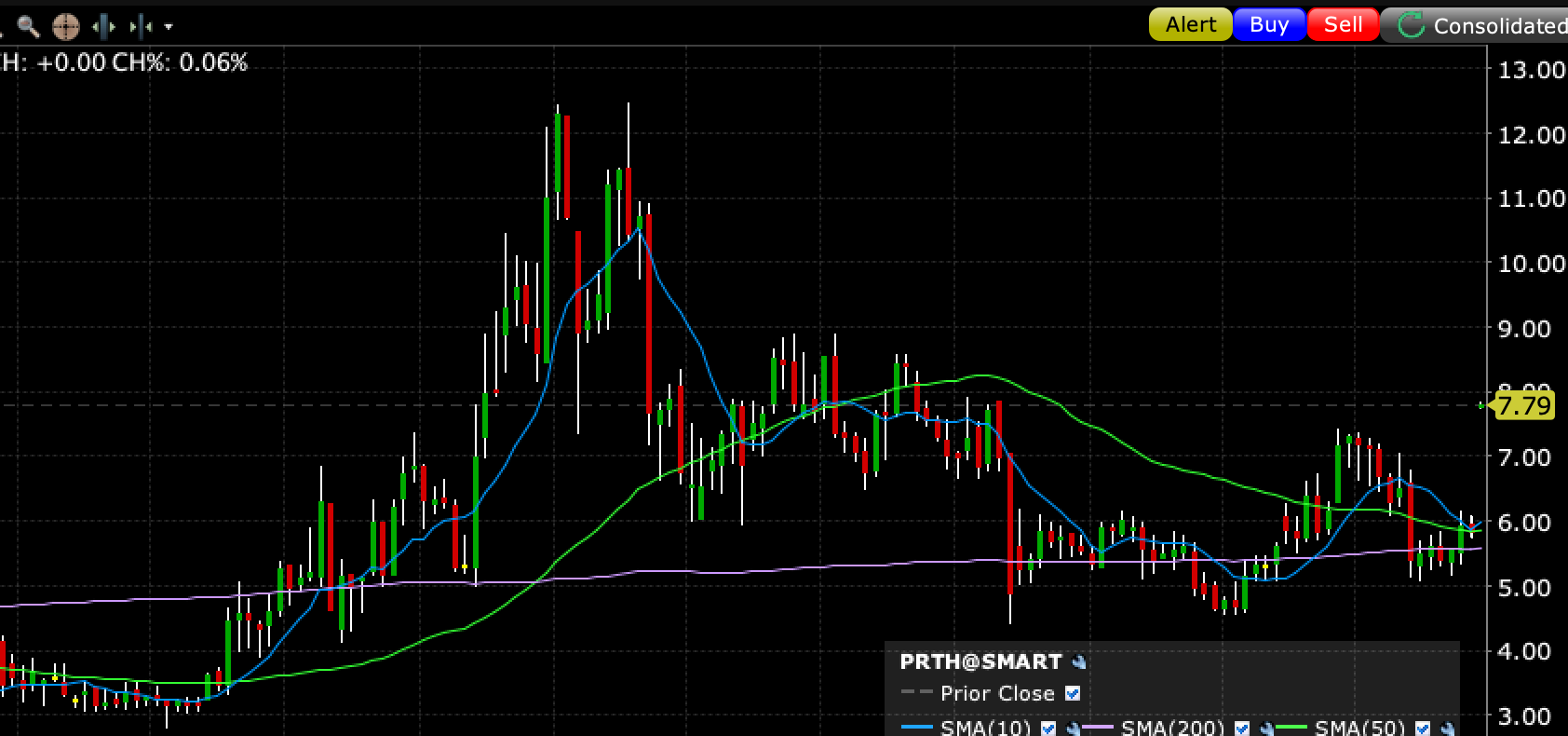
FGPR remains on track, PRTH's management buyout is set at $8.05, and microcap RAVE is described as cheap.

U.S. Treasury yields are testing credit and equity markets, while the discussion also targets recent changes at Glass House (GLAS).

Kronos Worldwide’s 27% inventory reduction added $120 million in cash inflows as chloride-based TiO₂ demand rises amid a sulfur shortage.
 Given Mahlangu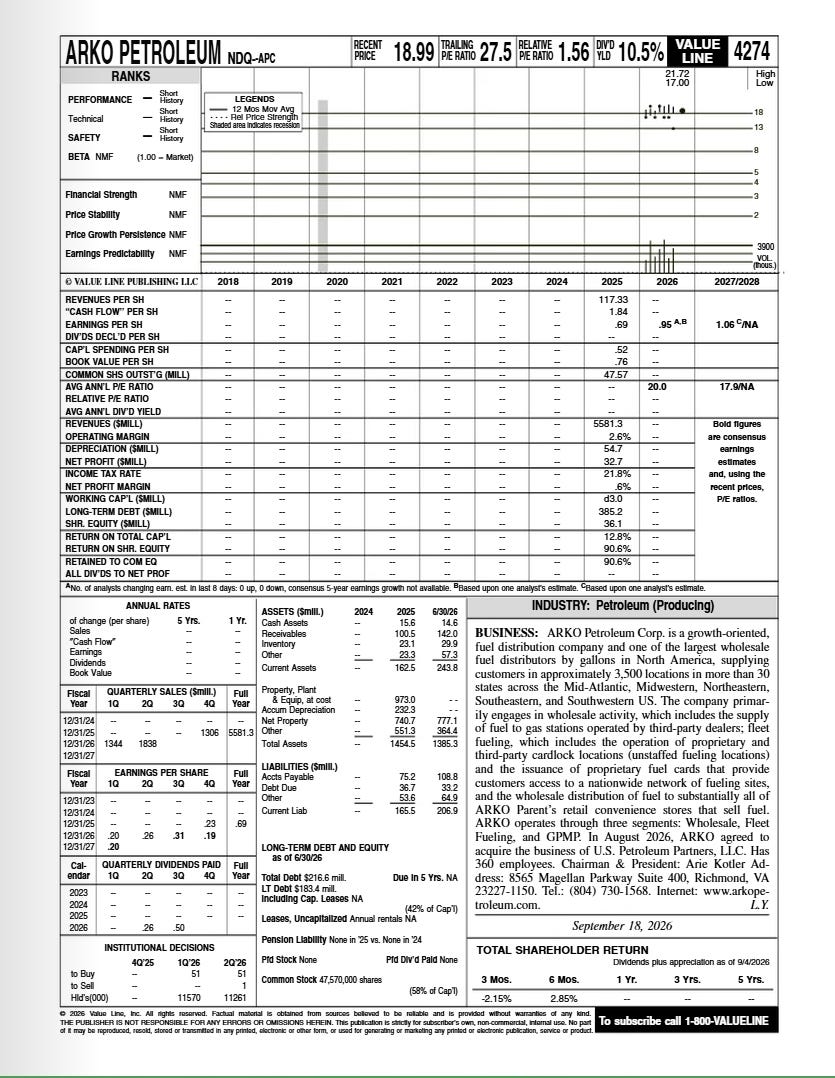
ARKO trades at 3 times estimated 2025 owner’s earnings, while its 73.6% APC stake exceeds its $473 million market cap.
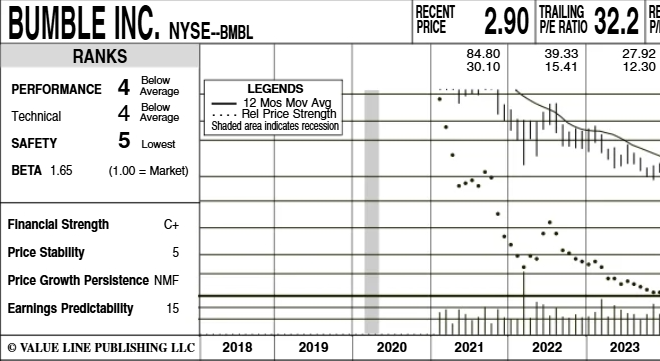
Bumble trades at roughly 2x owner’s earnings and 4.76x enterprise value, with Whitney Wolfe Herd’s return central to a rerating case.

Evolus posted 21% quarterly revenue growth as U.S. facial-injectable spending bottoms, while making progress toward GAAP profitability.
Special-situations survey flags Cooper’s $3 billion buyback, Grab’s $900 million repurchase, and Beretta’s $44.80 partial tender for Sturm…

Pioneer Bancorp’s acquisitions lifted loans 13.6% and Q2 net interest margin to 4.30%, but expenses, weaker profitability ratios and a…
 Crimson And Gold Research 4 clicks
 HRVFF · long
Washington Trust Bancorp offers a 5.8% dividend yield, with C&I loan growth supporting ROE despite 40% commercial real estate loan…
 Sorrento Research
Groupon CEO Dušan Šenkypl and CFO Rana Kashyap discuss rebuilding the local-experiences marketplace with AI infrastructure, better…

Independence Realty Trust is buying Centerspace in stock to create an $8.1 billion apartment REIT, targeting 5% 2027 Core FFO per-share…
 Dane Bowler
Sofwave Medical grew Q2 revenue 43% as recurring usage fees reached 46% of sales for its non-invasive ultrasound skin-tightening devices.
Priority Technology’s chairman offered $6.00 to $6.15 a share to take PRTH private, while Zack Buckley argues Treasury Solutions and…

GeoPark’s Bare Block acquisition targets $1.2 billion of 2030 EBITDA, but 42.1 million to 47.6 million new shares and Gilinski control…

ContextLogic will acquire specialty-solvent maker gChem for $850 million, funded by a $650 million rights offering and $250 million of…

Kodiak AI’s stock collapse coincides with a planned year-end long-haul driverless launch, while cash burn, customer concentration and…
 High Alpha Professor 1 click
Build-A-Bear Workshop, the toy retailer.
Every publication on this site, hand-picked.
 Albert Anthony
 Andres Veurink
 Bay Area Ideas
 Capital Connoisseur
 Deep Value Investing
 Dhierin Bechai
 Equity Eagle
 Eudaemon Research
 Fernanda Galvez Jalil
 Henrik Alex High Alpha Professor
 Investor Overview
 IWA Research
 Jaden Mealy
 Khaveen Investments
 LL Insights
 Long Player
 Marc Gerstein
 Melissa Tucker
 Mike Zaccardi, CFA, CMT
 Miletus Research
 Myriam Alvarez
 Petri Dish Reports
 Philip Wang
 Prakhar Agarwal, CFA
 PV Research
 Quantryon Capital
 Robert J. Lake
 Ron Ferrie
 Sam Mancini
 Sharon McArd
 SiliconBytes Insights
 Simple Investment Ideas Sorrento Research
 Stephen Ayers
 Steven Fiorillo
 The Alpha Analyst
 The Asian Investor
 The Bullionaire
 The Curious Analyst
 The J Thesis The Supercycle Investor
 The Undercovered Dozen
 Value Capital Research
 Vishal Jadaun
Every account on this site, hand-picked.
 ⚽️📡
⚽️📡 💥PETITION💥
 A Capital
 Adam D. Wyden
 AltayCap
 Bank Reg Blog
 Barbarian Capital
 BDC
BDC Bill Ackman
 Broken Moats
 BuccoCapital Bloke
 Calvin Blissett
 catechwilliams
 Charles Frischer
 Chris Camillo
 Clark Square Capital
 Cluseau Investments
 Colin King
 Connor Haley
 Conor Maguire | Value Situations
 Convequity
 David Orr
 Deep Sail Capital
 Devin LaSarre
 DOMO Capital Management, LLC
 Edwin Dorsey
 Evan Tindell
 Fajasy
 Farmer
 Fierce_beast
 Fred Liu
 Gavin Baker
 Ian Bezek
 Idea Brunch
 JabroniCoin.USD
 John_Hempton
 junkbondinvestor
 kab60
kab60 KEDM.com
 Laughing Water Capital
 Lee Roach
 Little Owl Research
 Maius
Maius Maj Soueidan
 marginofdanger
 mavix
mavix Mike
Mike Mikro Kap David
 Multiples Capital
 Myles
Myles Nat Stewart
 Negligible Capital
 Odd Diligence
 Odd Lot Arbitrageur
 PAA Research
 Pernas Research
 Porter Collins
 Prepared Remarks
 Psyop Capital
 Raging Capital Ventures
 Red Dog Capital
 RiverRoadPartners
 Rusholme Capital
 Sahil Khetpal
 SG
SG Sheel Mohnot
 Tim Eriksen
 Timyan Bank Alert
 Todd Wenning
 ToffCap
 Trevor Scott
 Undiscovered Compounders
 Voss Capital
 Yaron Naymark
Ordered by how often our editor reaches for them.