Mach Natural Resources' Q2 distributable cash fell to $60.1 million as development spending rose, prompting a distribution cut; its units…
S HFI Research Sep 25 4 clicks
Ouster began coverage at Accumulate as lidar revenue rose 56% in Q2, while annual cash burn near $80 million has driven an 86% share-count…
BL Cestrian Capital Research Sep 25 7 clicks
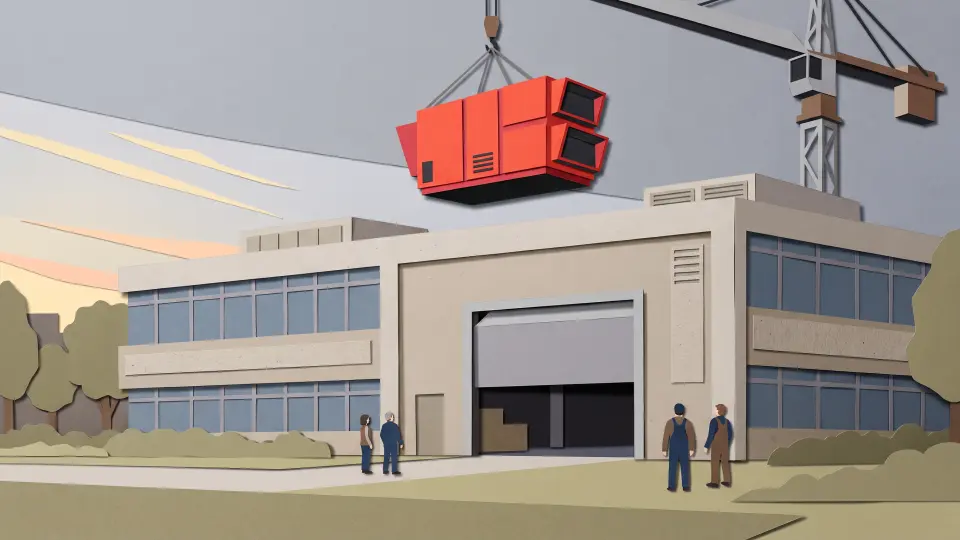
AAON's BASX data-center cooling business targets $1 million to $1.5 million per megawatt, with new capacity and backlog conversion expected…
S Monte Independent Investment Research Sep 25 8 clicks
IEH booked $3.6 million in mobile-defibrillator connector orders, lifting its medical revenue outlook and diversifying beyond aerospace and…
BL Atrium Research - Equity Research Sep 24 12 clicks
ASR’s $992 million Motiva acquisition broadens its South American airport network after a 25% YTD decline, while its 8.5% FCF yield and…
SA C Jessen Sep 24 3 clicks Firefly Aerospace ended Q2 2026 with $1.5 billion backlog and a 2.49x book-to-bill ratio, adding lunar, defense and launch contracts for…
S Monte Independent Investment Research Sep 24 16 clicks
Birkenstock targets 13–15% annual revenue growth through FY2028, driven by APAC expansion and closed-toe footwear, while trading at 13.44…
SA Roman Vitasek Sep 24 4 clicks ZIM’s proposed deal carries a claimed 23% spread and 110% IRR by Q4 2026, with Q3 and Q4 dividends potentially raising returns if closing…
S Calvin Blissett Sep 23 15 clicks
Micron’s customer agreements, Analog Devices’ acquisitions, Ondas’ GATE deal and Baker Hughes’ power systems position them for AI…
S Monte Independent Investment Research Sep 23 4 clicks
New Era Energy & Digital secured a 20-year Vistra power deal for 200 to 207 MW, reducing Phase 1 risk for its planned 1.4 GW West Texas AI…
SA Ryan Canady Sep 23 TMCR · short Metals Royalty Company, a U.S.-focused critical-minerals royalty platform, direct-listed on Nasdaq in April 2026 and holds royalty and…
BL Value Investors Club May 25
ECIP recipient banks could repurchase Treasury preferred shares at steep discounts, potentially lifting book value, while Hawaiian Electric…
S Exploring with Alluvial Capital Aug 14
Finch Therapeutics faces a jury verdict on FMT patent claims against Ferring’s Rebyota; a win could bring damages and royalties, while a…
S Multibagger Monitor Aug 8 2 clicks
Quest Resource, a $200 million asset-light waste broker, manages 100-plus waste streams through 3,500 vendors and derives more than 90% of…
S Lewistown Capital Aug 6
Mereo Biopharma has two late-stage assets, seeks non-dilutive financing for alvelestat Phase 3 trials, and reports cash runway through 2027.
S Raging Bull Investments Jul 23
Instil Bio leased its 128,000-square-foot Tarzana life-sciences building to AstraZeneca for 15 years at $7.52 million annual rent,…
S Raging Bull Investments Jul 13
Red Cat’s Teal Drones is one of two remaining candidates for a $600 million to $1 billion-plus U.S.
S Multibagger Monitor Jul 10 3 clicks
JBG Smith trades at an estimated 40% discount to NAV, backed by National Landing multifamily assets, Amazon HQ demand and $1.3 billion of…
S Raging Bull Investments Jul 10
Monarch Casino trades at 7.2 times EBITDA with net cash, completed property upgrades and projected annual free cash flow of $120 million to…
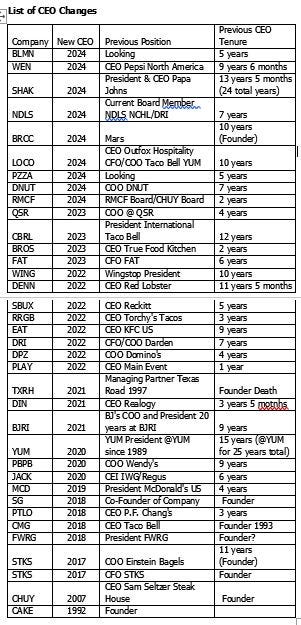
Restaurant chains replaced 21 CEOs since 2021, as wage inflation, delivery, digital ordering and at-home competition reshape leadership…