
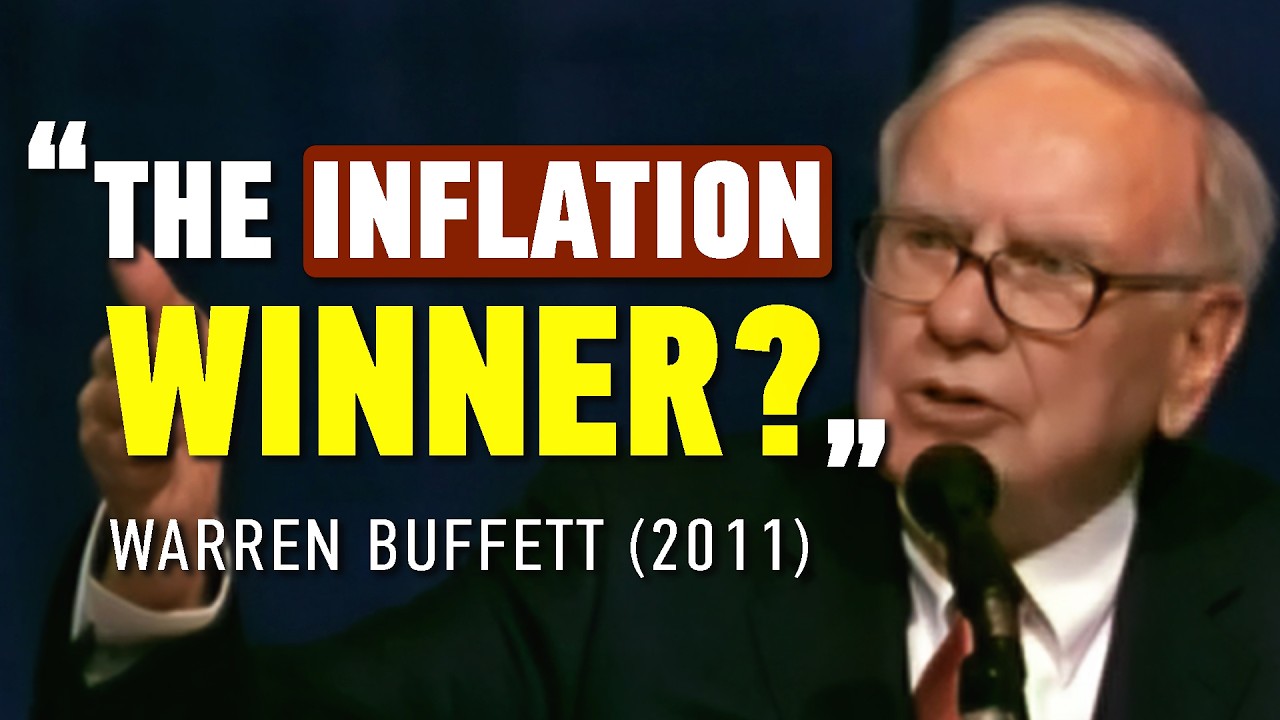
Warren Buffett: The Best Asset to Own During Inflation
Warren Buffett answers a shareholder question on the best assets to own during inflation.
Friday, October 9
Everything we published on this day.
71 stories — the front page that day →
Warren Buffett answers a shareholder question on the best assets to own during inflation.
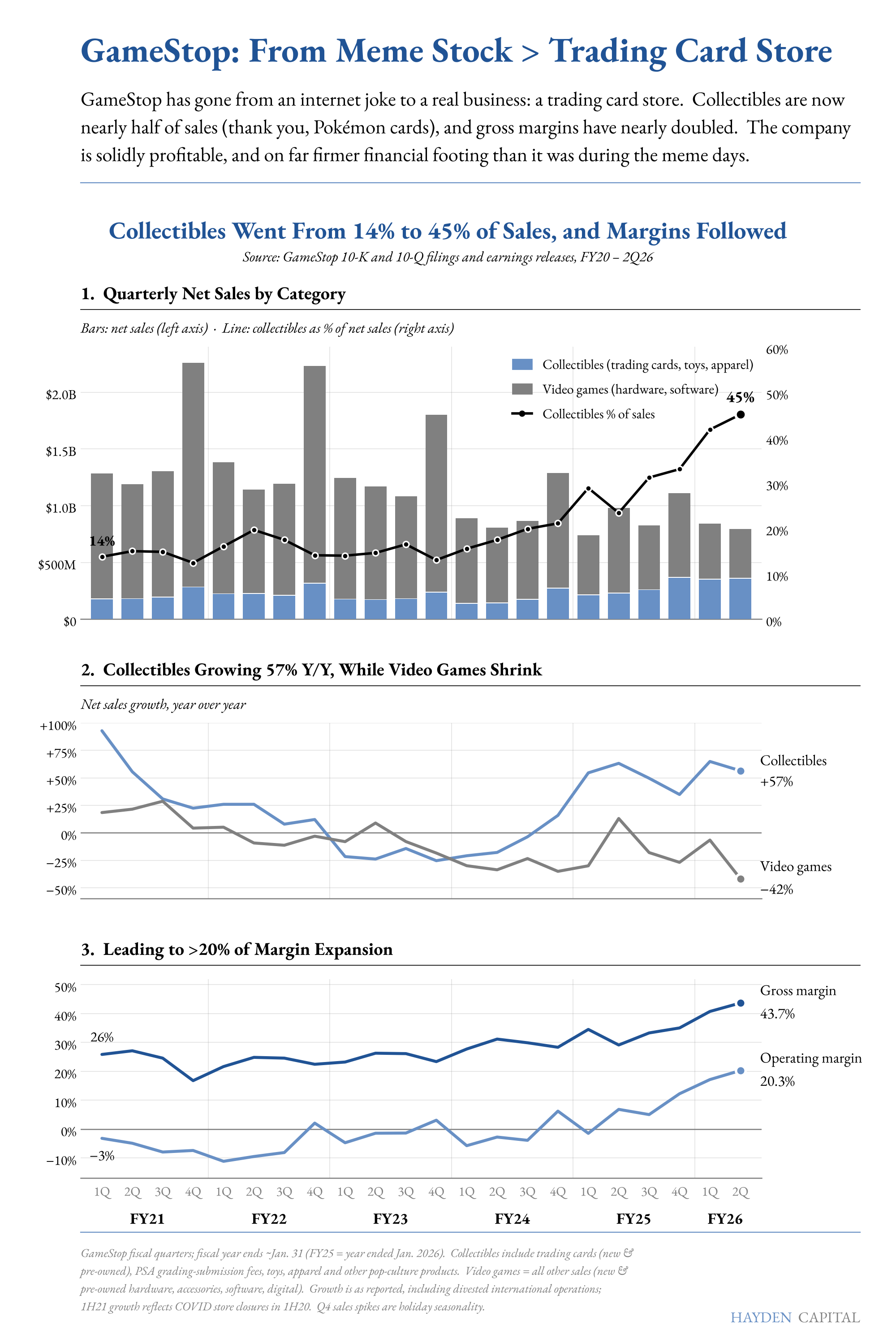
GameStop is a real business now.
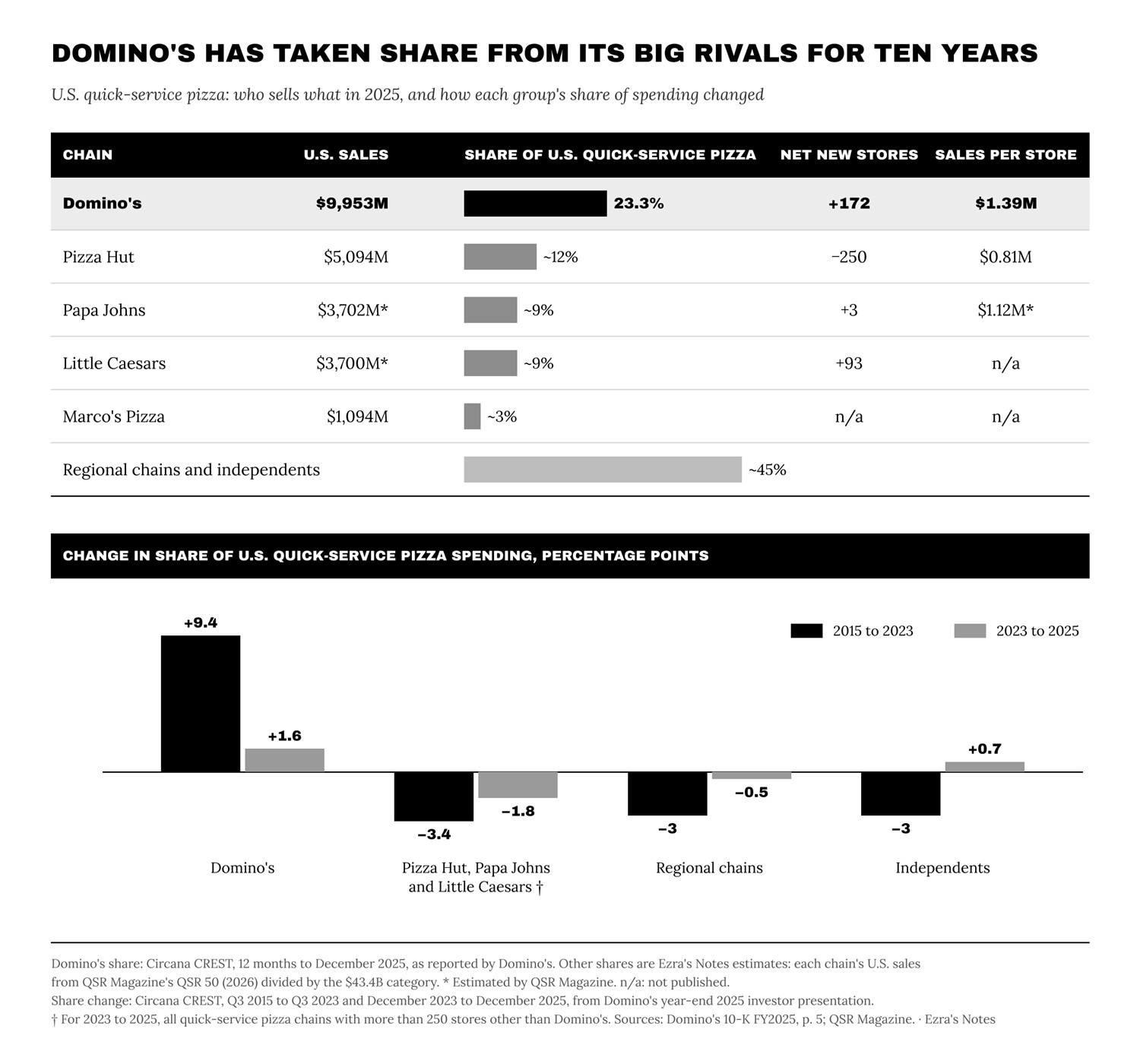
Domino’s franchisee returns are slowing store openings, while its $303 share price assumes 11% annual growth and $1.3 billion of debt must…

Best thing I’ve read in 3Q. One can be quite punitive on $AMZN assumptions and it still looks reasonably cheap on SOTP. I personally don’t expect results to look very “punitive” anytime soon. Bedrock is growing faster than the frontier labs and generates ~50% EBIT margins for AWS. Demand environment is supporting rising prices for each incremental GW deployed, and significant price increases on the install base (pure incremental profit requiring no additional capital).

Based on Hunterbrook Media’s reporting, at the time of publication Hunterbrook Capital is short $META. Positions may change at any time. This article is not investment advice or any recommendation. See full disclosures below.
UPDATE: Berkshire Hathaway appears to have paused $LEN buying. It’s the first two-trading-day gap in its disclosed buying since it began building its stake on Sept. 17.
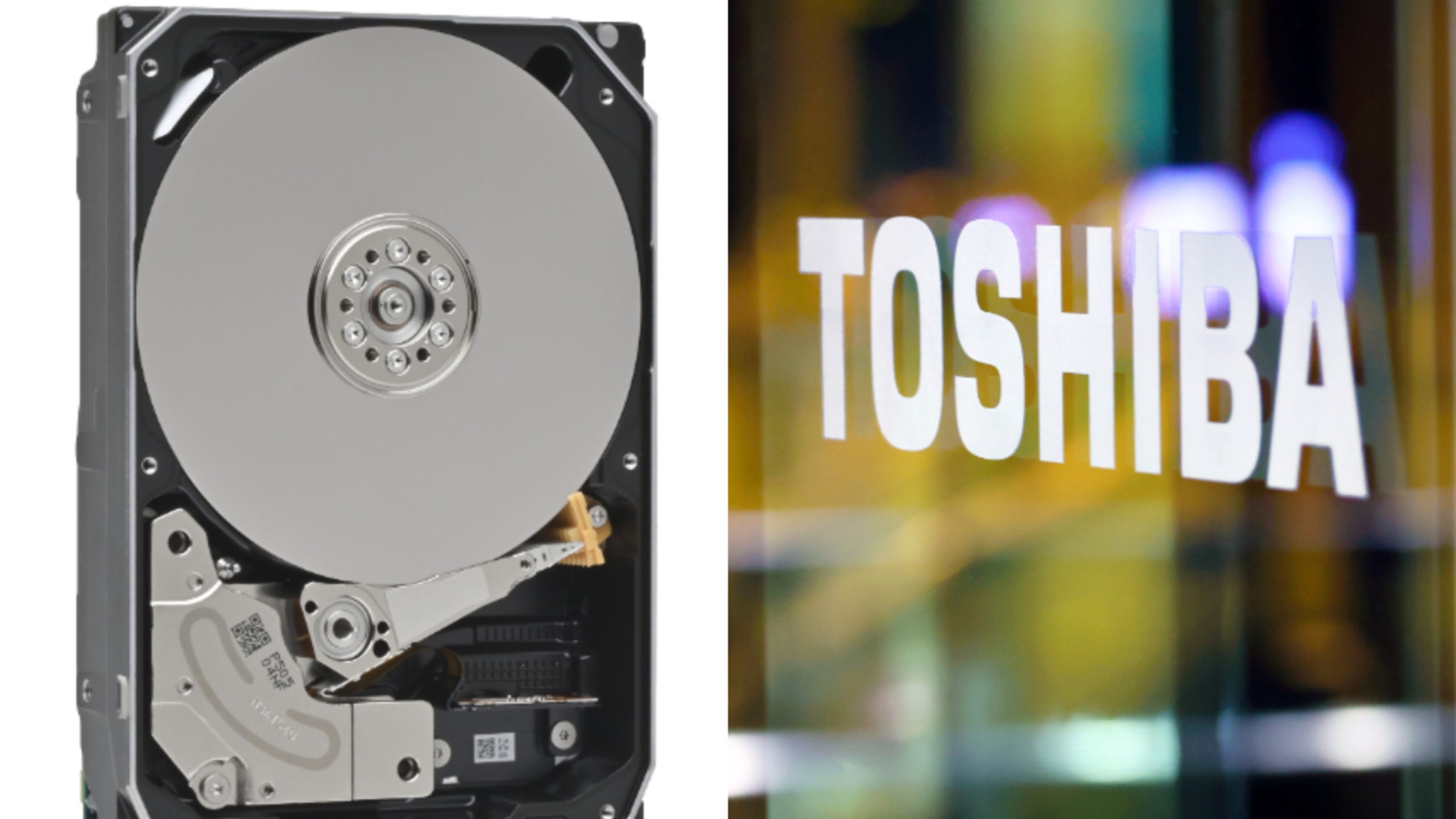
Toshiba’s planned fiscal 2027 HDD capacity doubling tests supply, hyperscaler LTAs and AI data-center storage demand against Seagate and…

Markets often miss second order implications until it shows up in direct statements. - If $LITE is completely sold out... (largely due to $NVDA bottlenecking everyone else, eg. securing Greensboro capacity), where else do your other companies like $AMD / hyperscalers / etc. get their supply procurement? - $SIVE is coming online with like 1/6th of the world's current laser capacity by themselves. (100M+ cw dfb lasers vs. 608M EML/CW globally per Trendforce). Not even including their partner foundries that they're targeting 2:1 for. - $AAOI is coming online with a ton of capacity too next year enough to produce 400k ELSFP + $471m/month of transceivers. Then combine that with other supply chain statements like "Having 2-3 suppliers used to be the norm, now it is 5-7" from Lightcounting. So as long as your products actually work + can scale, it's hard to see anyone else with capacity not get qualified into your supply chains. Since optical component shortages are a massive bottleneck now.
Woooow... $LITE CEO went out on Bloomberg today and stated: Lumentum is "effectively sold out through nearly 2029". From our perspective, "Completely Sold Out, there's no end in sight". With demand visibility from hyperscalers that carries them out into 2030, 2031. The implications of these statements are enormous for photonics and remaining laser suppliers with capacity coming online like $SIVE, Sumitomo Electric, to $AAOI. What a crazy bottleneck that's unfolding.

Surprised Western Union $WU has not seen a larger activist push them to sell the company. Had reported takeover interest. @bharringtonw11
Proxy (fight) season and nominations coming up. Blackline Inc $BL is a contender. Will the Board sell the company prior?

@DivinelyLevered They rug pulled them twice. Car wash and then restatement…bigger issue is that mgmt clearly has no agency here. They often just read off a script. If mgmt could speak freely and convince holders they r in control would also help. $DRVN
@DivinelyLevered The market is apathetic to apathy. If Roark starts actioning value creation activity, I doubt the stock will be here. The buyback is a start. The money is in selling collision and glass. $DRVN

The S&P 500 lost 18% in 2022, and the Bloomberg U.S. Aggregate, the main U.S. bond index, lost 13%, its worst year since it began in 1976. Over the same year, $XLE, the S&P 500 energy sector ETF, returned 64%, gold was flat, and cash earned ~1.5%. Now what if I told you there's a framework that would've said to own cash and energy in 2022, not stocks and bonds? That framework is called Gave's Four Quadrants, after Charles Gave, co-founder of Gavekal, a macro research firm. It uses two ratios built from market prices, the S&P 500 vs. Oil and Gold vs. Treasuries, to place the economy in one of four environments, and it describes what to own and what to avoid in each. Here's how stocks, bonds, gold, and cash tend to perform in each environment: → Deflationary boom: Stocks, bonds, and cash rise, and gold underperforms. → Inflationary boom: Stocks and gold rise, cash does very little, and bonds fall. → Deflationary bust: Bonds and cash rise, gold stays fairly stable, and stocks fall. → Inflationary bust: Gold and cash rise, while stocks and bonds fall. In my backtest of Gave's rules from 1970 to September 2026, a portfolio split equally between cash, the S&P 500, and either 10-year Treasuries or gold, whichever the framework favored, would have returned 5.7% per year after inflation. Its max drawdown was 28%, vs. 54% for the S&P 500. As of the end of September 2026, the two ratios place the U.S. in an inflationary boom phase. But since January 2025, the S&P 500 to gold ratio has been below its 7-year average, which has often come a few months before the S&P 500 to oil ratio drops below its own 7-year average. If that happens, the U.S. is back in an inflationary bust phase, like 2022. So how do you read the two ratios yourself, and what do they say to own today? That's what I walk through in my new ~20-minute video!
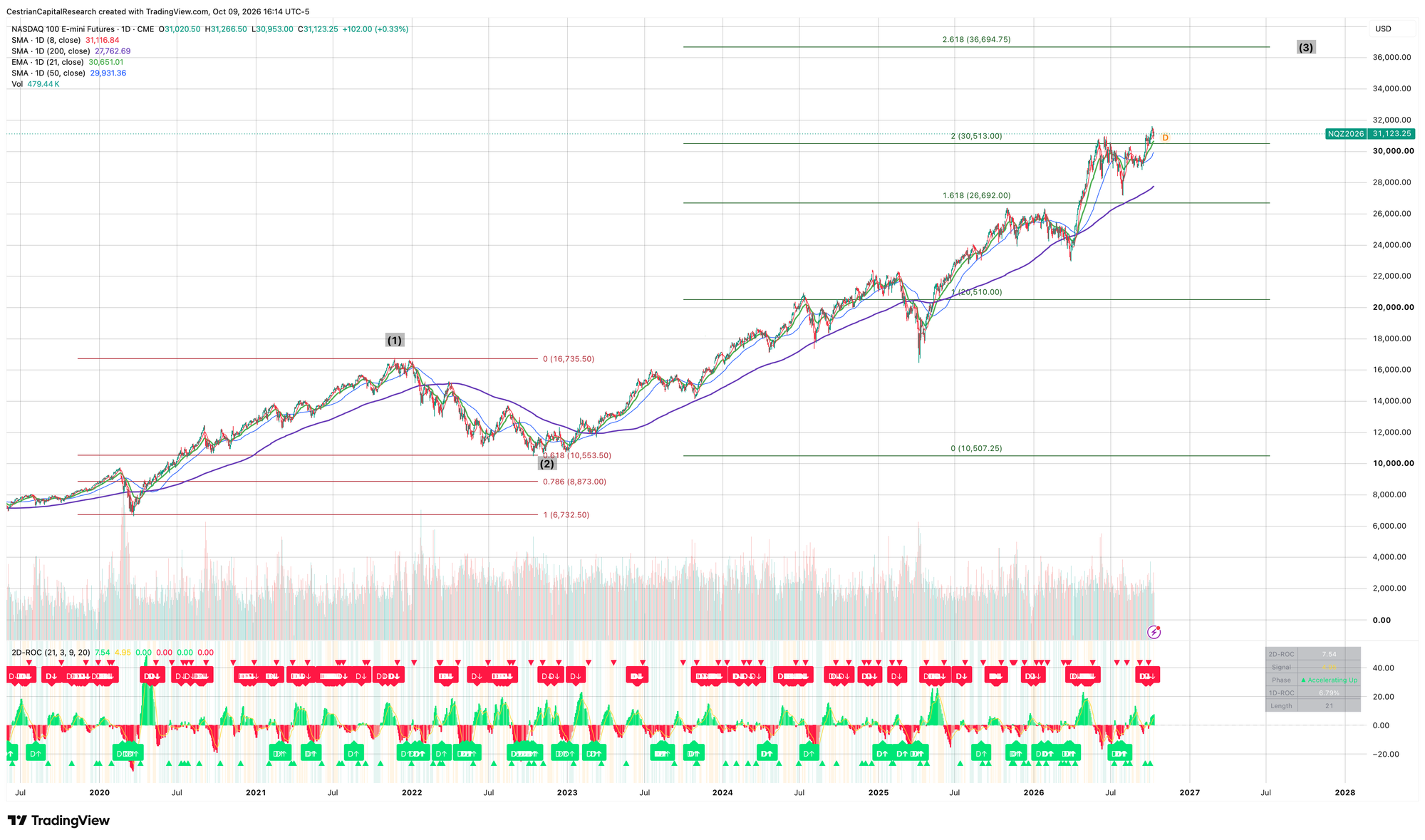
AMD is rated Hold ahead of Q3 FY2026 earnings after Q2 revenue rose 50% to $11.5 billion, led by 107% Data Center growth.
Yes they can…. But they said it was substantially undervalued at 18. $drvn
Continue reading here for what a budget slip would do to $BWXT’s stock in my bear case:
The Navy plans to buy more ships, and BWX Technologies $BWXT doesn’t charge a set price per reactor. $BWXT makes the fuel, reactor cores, steam generators, and other reactor components for the Navy’s Virginia- and Columbia-class submarines and Ford-class carriers. $BWXT now produces two to three of these reactors/year, Joe Miller, president of Government Operations, said at its Investor Day on September 29, 2026. The Navy buys under multi-year pricing agreements, so orders arrive in large blocks: → February 2025: $2.1B of naval reactor component contracts. → July 2025: $2.6B, including options. → May 2026: $1.45B, mostly long-lead material (parts ordered years before a ship is built) under the first of five annual task orders through 2030. → October 2026: $189M of naval fuel, to be completed by August 2027. $BWXT’s plants carry large fixed costs, so final pricing depends on how many ship sets (all the reactor components for one ship) the Navy orders, CFO Mike Fitzgerald said at Investor Day. The Navy’s 30-year shipbuilding plan, released in May, calls for (1) “buying two attack boats per year for the next 30 years,” meaning Virginia-class submarines, (2) a new carrier every four years instead of every five, and (3) 15 nuclear-powered Trump-class battleships, per USNI News, the U.S. Naval Institute’s news service. $BWXT’s own read of the plan is naval growth of 4-6%/year from the existing ship classes. Each Ford-class ship set takes ~8 years to deliver, so ordering a carrier every five years left gap years with one ship set in $BWXT’s plants instead of two. CEO Rex Geveden said on the Q2 call that the four-year cadence takes out “that revenue bathtub that we’ve been going through” and has “a bigger volume impact than even adding a battleship.” The next carrier’s long-lead orders come in 2028, but Fitzgerald said at Investor Day the faster cadence won’t really show up in $BWXT’s numbers until around 2030. A Trump-class battleship would use one Ford-class reactor (a carrier uses two), so $BWXT could build the reactor on its existing lines, but Congress still has to fund the program. Fitzgerald said $BWXT’s 2030 targets exclude the battleship program, so congressional funding would be extra growth.

$FUBO asymmetric @ $8.85
I wonder if Russia/Ukraine will come to some sort of agreement soon? 🤷♂️ $KYIV

This is a piece by @MagicCompounds $PAL. Quick Glance 4x LTM FCF with synergies coming from March acquisition. PAL consolidated at bottom of cycle (now largest player) and cycle is showing tell-tale signs of rationalization (bankruptcy of 2nd largest player) Positives and Negatives: Highly regarded CEO in the industry who has done this before with high returns (+), getting hurt by diesel (-), should catch up due to mechanism and incentives to continue providing service, current Q may be ugly especially GAAP. Consolidated at bottom of cycle (+). Lots of leverage provides torque and risk (+/-), double the insider sales to purchases (-). 15% market cap buyback with barely any used (-).

Software working again? $IGV

GameStop $GME is doing the classic “pitch a tent” chart
Meta’s Muse saw downloads fall 8.1% week over week, while daily user additions slowed 62.4% to about 74,000 in early October.

If I wanted to buy a traditional telco like $VZ $T or $TMUS I'd probably post something like this to crush terminal value for a year or 2 then move in

Wow! $ALTO $GPRE
Deckers trades at 11x forward earnings with $1.6 billion cash, no debt and aggressive buybacks, as HOKA growth and UGG profitability…
 TQP Research 5 clicks

Qiagen $QGEN has had a new CEO (Jonathan Pratt) since Sept. 1. Let's see if he can bring some action. The company also recently confirmed it continues to evaluate strategic alternatives, with Goldman Sachs involved. There have been reports of takeover interest for a long time, with past reports linking Qiagen to Thermo Fisher, bioMérieux, and Bio-Rad. Qiagen is an interesting target given its leadership in nucleic acid prep, strong consumables-driven revenue, and growth areas like TB testing and digital PCR. The portfolio would fit well with major industry consolidators.

We exited $LITE at the start of 3Q26 and stayed out at the 4Q26 rebalance. Lumentum's exposure to AI optics is real, but it depends on design choices that are still open. 1. Lumentum is one of the suppliers of high-power lasers for external laser sources, where the laser sits in its own module and feeds light to the optics. Growth in AI optics lifts this business only as far as customers choose these designs. 2. Co-packaged optics (CPO) puts the optics in the same package as the chip. Some CPO designs keep external lasers, which suits Lumentum. Others move the light source closer to the package, or replace lasers with microLEDs, tiny LEDs used for short links. Wider use of these would cut demand for its lasers. 3. Laser and silicon-photonics technology built for LiDAR (laser-based sensing) is being adapted for data-center links, which could bring new competitors. We have added LiDAR exposure and will cover it in Part 2 or 3 of our 4Q26 rebalance series. 4. Optical circuit switching (OCS) connects fibers by steering light between them. Lumentum's MEMS switches use tiny movable mirrors and suit many ports, low loss and paths that stay in place for long periods. Designs that must change paths quickly and in smaller units are more likely to use silicon-photonics switches. MEMS should win a meaningful share, but probably not all of it. Lumentum keeps credible exposure to external lasers and OCS, but both depend on unsettled design choices. At the 4Q26 rebalance, that uncertainty was enough for us to stay out.
@RealAssetsValue @hybridvigorish @thecontracap @barowsharo What just happened with $SNDA / $BKD?

@sScCrRaAbBLLeE Fantastic news for $NN. Wasn’t there somebody on X saying satellite companies would never buy low band. Comp is around $2 per pop. Our spectrum is also better.

Isn’t this super bullish $CRDO because it means $LITE can’t supply a lot of the demand with optical, thus AECs likely see a larger demand in cases where they work?
Wow - corn-o-plenty for $ALTO and $GPRE Shocking USDA numbers today.....

Apple trades near $4.9 trillion and more than 38 times trailing earnings, versus 14 times a decade ago, leaving it exposed to multiple…
 Prakhar Agarwal, CFA 3 clicks
Continue reading here for why lower HPDU costs mean less revenue but more profit for $BWXT:
“Tens of billions of new opportunity” is how BWX Technologies $BWXT CEO Rex Geveden describes uranium enrichment, the middle of the nuclear fuel chain. After naval reactors, $BWXT’s other big government business is uranium, which it calls special materials. It covers processing, downblending (diluting Cold War-era high-enriched uranium into lower-enriched fuel), and now enrichment for defense use. $BWXT says revenue grew from ~$285M in 2023 to ~$550M in 2026 guidance, 24%/year, and expects high-single to low-double-digit growth from there to 2030. Geveden named its two largest growth programs on the August 3 call, high-purity depleted uranium (HPDU) and defense fuels enrichment. $BWXT’s release on its purchase of Aerojet Ordnance Tennessee (A.O.T.) from L3Harris $LHX calls the unit the “sole provider of depleted uranium to the U.S. government.” Nine months after the purchase closed, $BWXT won a $1.6B, 10-year contract to produce up to 300 metric tons/year of HPDU at A.O.T.’s Jonesborough, Tennessee site. HPDU is depleted uranium metal refined to the purity the National Nuclear Security Administration (NNSA), the Department of Energy (DOE) agency running the nuclear weapons complex, needs at its Y-12 plant to maintain the deterrent. Construction starts in late 2026, per $BWXT’s Investor Day on September 29, 2026. For defense fuels, the military needs unobligated uranium, meaning uranium free of the peaceful-use pledges attached to foreign-supplied material. An August 2026 report from the Government Accountability Office (GAO), Congress’s audit arm, says the last U.S. plant able to enrich unobligated material, the Paducah plant in Kentucky, stopped in 2013. In September 2025, NNSA awarded $BWXT a sole-source contract valued at $1.5B to license, build, and run a pilot enrichment plant at Erwin, Tennessee, per the same report. $BWXT built a centrifuge manufacturing facility in Oak Ridge in seven months, plans to test its first prototype centrifuge by the end of 2026, and expects to file the Erwin license application in Q1 2027, with the plant running ~2035. Enrichment sits in the middle of the fuel chain, between uranium producers like Energy Fuels $UUUU and fuel plants like Erwin. The Investor Day deck says what’s “required to meet defense fuel needs through 2052” is $36.8B or more, citing the GAO and $BWXT’s own estimates. NNSA projects enough high-enriched uranium for naval propulsion “until the 2050s,” and enough unobligated low-enriched uranium for tritium (a hydrogen isotope used in nuclear warheads) through the early 2040s, per the same GAO report. Still, $BWXT earns revenue while it develops, licenses, and builds the plant, which is why the enrichment program drove most of the government segment’s Q2 2026 revenue growth.
$FBLG
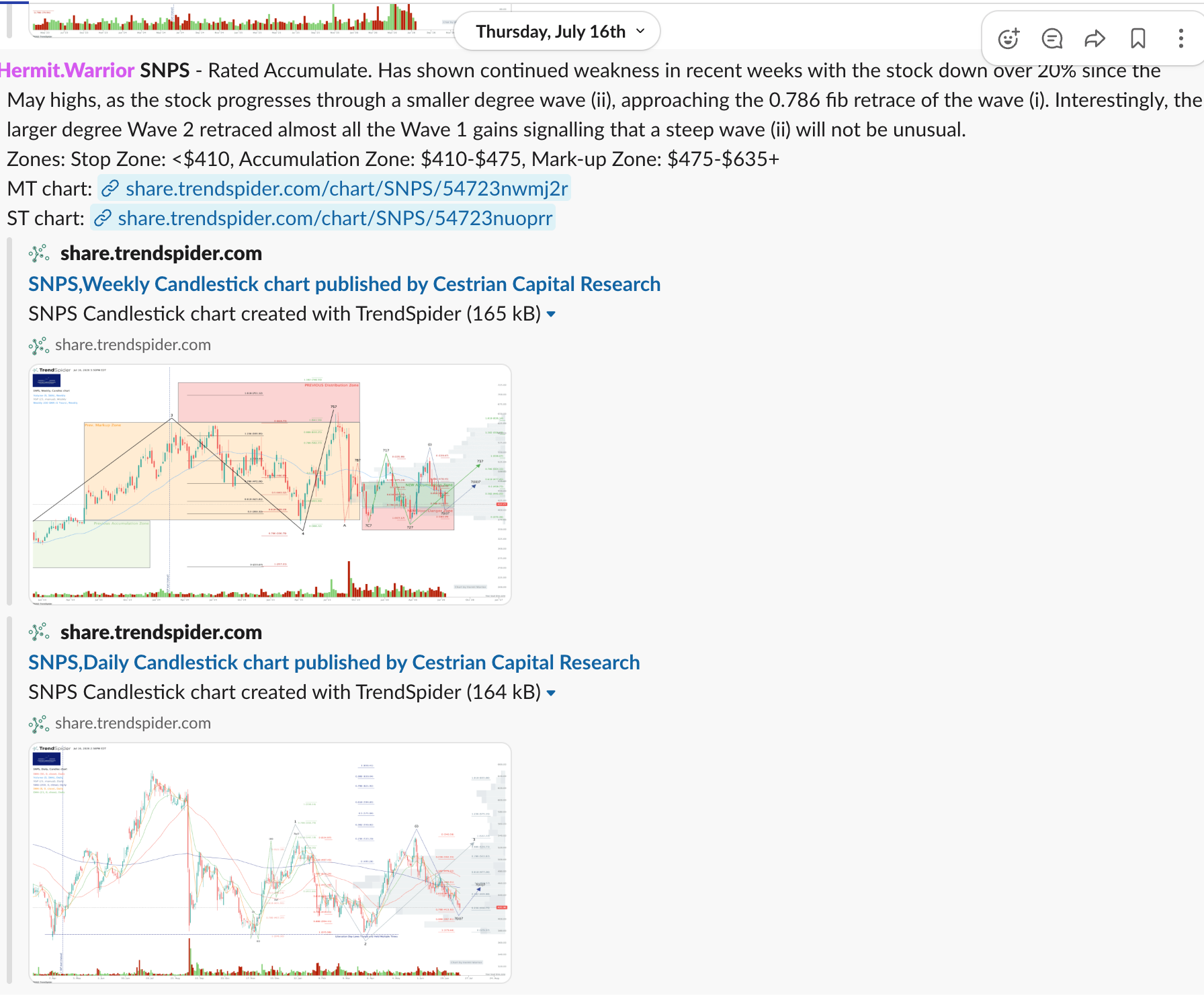
Synopsys moved to Distribute after Q3 revenue rose 42% on Ansys, while organic growth was 7% and the stock traded at 11.1 times trailing…
$AXTI is one of those names that I have been long and short over the last year. Long because of the bottleneck trade, short because of valuation. Eventually the valuation might catch up with the story.
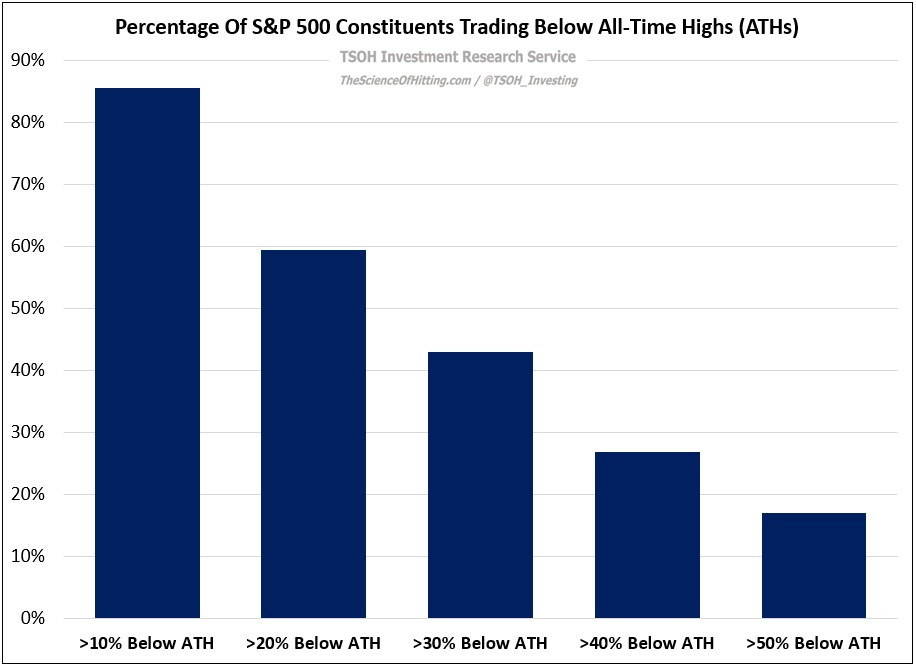
Paramount Skydance’s debt-heavy Warner Bros. Discovery acquisition, streaming bundle pricing and alcohol-industry diversification anchor…
Blackstone Secured Lending Fund faces a likely dividend cut after its first shortfall in 28 quarters, despite 1.8% non-accruals, $2.8…
 Rubicon Associates 1 click
I think $SFM trades at 11x earnings (a discount to $KR mind you) solely because Michael Burry had to buy the stock. Dude curses anything he touches Technicals look awful but it's still a great cheap growing business buying back a lot of shares. I think if you buy here and look away for a year or two it does very well, even if Burry stays long (broken clock)

that's 5 halts in the first hour of trading for $CD

Semafor out with a hitpiece on private credit. They lump the loans together without explaining one is senior and one is junior (both are first lien). But that's beyond the point. $FSK has a 1L loan to a distressed company marked at 98 cents (for reference, TCPC has it at 86 cents). Whatever, fine. And on the same company's JUNIOR tranche 1L debt? They have it marked at 10 cents. Both loans are PIK, already restructured once, and the equity is marked at ZERO. How do you justify a 98 cent mark on a company likely headed for bankruptcy, while simultaneously marking your junior debt at 10 cents? C'mon! Imagine this in public credit markets? This is the kind of shenanigans which makes no one trust PC marks.
$CD there should be a limit on volatility halts. After 3 or 4 they should just let a ticker trade to where it is going to go.
JetBlue secured notes reaching a new low. Nice. 19% YTW / 1408bps STW CUSIP: 476920AA1 $JBLU
At ~$6.8M net of cash, Nubeva Technologies $NBVAF (TSXV: $NBVA) trades below every one of the five small ransomware-security deals I found with a disclosed price. That’s a CAD$13.0M market cap at CAD$0.185/share (70,173,783 × CAD$0.185), or $9.3M at 1.40 USD/CAD, with the $2.49M of cash and $12,262 of debt netted out. The $6.8M buys two granted patents, two pending applications, the unfinished AI decryptor builder, and a deployment agreement with what Nubeva calls a top-10 global bank, on $500,586 of FY2026 revenue. Here’s what larger security firms paid for five small companies that detect, stop, or recover from ransomware, per the buyers’ filings: → Smokescreen (June 2021): Zscaler $ZS paid ~$11.7M in cash for a startup that plants decoys to catch attackers. → TrapX Security (January 2022): Commvault $CVLT paid $18.65M in cash for an Israeli decoy-technology company. → Minerva Labs (March 2023): Rapid7 $RPD paid $34.6M for a 14-person Israeli startup selling anti-evasion and ransomware-prevention software. → Appranix (April 2024): Commvault paid $26.27M in cash and stock for a Boston startup that cuts the time to rebuild cloud applications after an attack. → Airgap Networks (April 2024): Zscaler paid $124.4M for an “early-stage” network-security company whose product it called a “ransomware kill switch.” For context, Commvault bought TrapX and Appranix as product lines already bringing in ~$3.2M and ~$2.4M a year. Rapid7 and Zscaler bought Minerva Labs and Airgap mainly for their technology. A buyer would be paying for Nubeva’s technology too, meaning four AI patents (assuming the last two come through), the key-capture agent, and a top-10 bank as a reference account (if the license customer renewed), not just ~$500K of revenue. Still, Nubeva’s revenue is a fifth or less of what TrapX and Appranix brought in, and 82% of its revenue comes from two customers, one of which may not have renewed. So I’d put a sale at the low end of these deals, $12-19M (Smokescreen to TrapX), or CAD$0.23-0.37/share, 1.3-2.0x from here. The ~$26M median (2.8x) is the more bullish upside case. If nothing works, two more years of burn leave $0.93-1.29M of cash, and adding the two granted patents and what’s left of the business gets shareholders $1.33-2.01M, or CAD$0.03-0.04/share, a 78-86% loss from CAD$0.185. In other words, CAD$0.185 sits ~45% of the way between the CAD$0.03-0.04 floor and a TrapX-size sale (CAD$0.37/share). If those are the only two outcomes, the market is pricing a sale as close to a coin flip.
So $NN, $VSAT and $ATEX are now all just inevitable takeouts, no?
It was surprising how little attention was paid to this $CD pump. Chaince is now down <25% rn and has a long way to go imo. Still a large short position for me via common and calls.
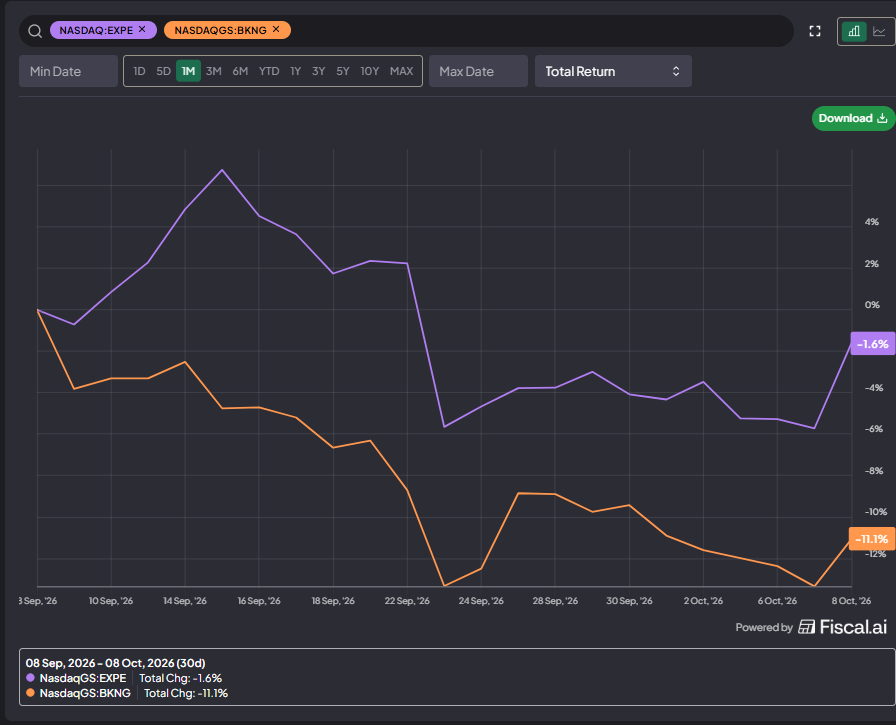
Consumer agents create an ethics race among AI labs and a prisoner’s dilemma for retailers, with online travel agencies framed as an…
$WQEY $SAIQ $LAES $GIW agree to a Rube Goldberg de-SPAC transaction. According to the headline, the purpose is to have Quantismo "become a Nasdaq-listed public company." But, facts. Quantismo is already owned by two public companies, SealsQ and WiseQey. They could simply spin it out to shareholders. As far as I can tell, Quantismo has no meaningful revenue or operations of its own and is simply a holdco for unserious investments in the sector, including (as part of this transaction) a healthy dollop of shitco WiseSat .space (SAIQ). This isn't a private to public transaction. It's a shell game between four existing pubcos. I suspect that retail investors are the marks.
We prefer $UMC to $GFS, and we are increasing our UMC position. Both companies are foundries that make chips on mature processes, well behind the leading edge. We hold GlobalFoundries as a recovery investment. United Microelectronics offers two things on top of a recovery: a manufacturing partnership with production targeted for 2027, and a longer-term way to make its existing processes more competitive. 1. The nearer-term driver is the 12nm process UMC is developing with $INTC. 12nm is a mature process generation, not a leading-edge one. Production is targeted for 2027 at Intel's factories in Arizona. UMC contributes its foundry experience and its experience working with chip designers. Intel contributes the manufacturing capacity. UMC gains a way to offer customers chips made in the United States without building an American factory itself. UMC could also earn income from intellectual property and revenue sharing, but the commercial terms are not yet clear, so we do not yet count on royalty income. The attraction today is the chance to win customers and expand the business through the partnership. 2. The longer-term driver is logic folding. In a conventional chip, the circuits sit on one layer and signals cross it along long horizontal wires. Folding arranges the circuits across two or more layers connected vertically, so many long horizontal wires become short vertical ones. Signals travel a shorter distance, which takes less time and less energy. The chip gets faster and more energy-efficient without smaller transistors. For UMC, folding could make chips built on its established processes more capable and easier to sell, which extends the value of its factories without matching the most advanced processes at $TSM. We described the mechanism in our Huawei series on the Kirin 9050. 3. We think a mature process is the more manageable place to start folding. Whoever folds chips has to solve bonding, heat removal and reliable high-volume production. UMC would solve those on a transistor process it already understands. Applying folding to TSMC's newest processes would combine two difficult manufacturing changes at once: a new generation of smaller, more complex transistors, and active circuits connected across several layers. A problem with either one can reduce the share of usable chips, raise costs or delay customer launches. This is a difference in the risks being combined. TSMC already offers advanced stacking technologies and has the expertise. 4. The commercial incentives differ as well. For UMC, folding extends the useful life of processes it already owns and lets it compete for business that would otherwise need a newer process. For TSMC, folding on older processes competes with the returns it expects from its leading-edge investments and could disrupt customer roadmaps built around those investments. So UMC has the stronger reason to become an advocate for folding on older processes. This is our prospective thesis about where folding is most likely to be adopted. UMC has not announced a logic-folding program. We have two reservations. UMC's shares have already recovered from their low, so the entry point is less attractive than it was. Logic folding could take years to contribute to revenue. The Intel partnership is our reason to add now. The chance to make UMC's existing processes more competitive is why we hold a larger position in UMC than in GlobalFoundries.
Alphabet pairs 17% Search growth, 82% Cloud growth and 500,000 weekly Waymo rides with a $195–205 billion AI capex plan.
Is Starlink Mobile impact on $VZ $TMUS $T perception vs. reality given the actual buildout requirements (capex, timing, etc.)? 🤷♂️
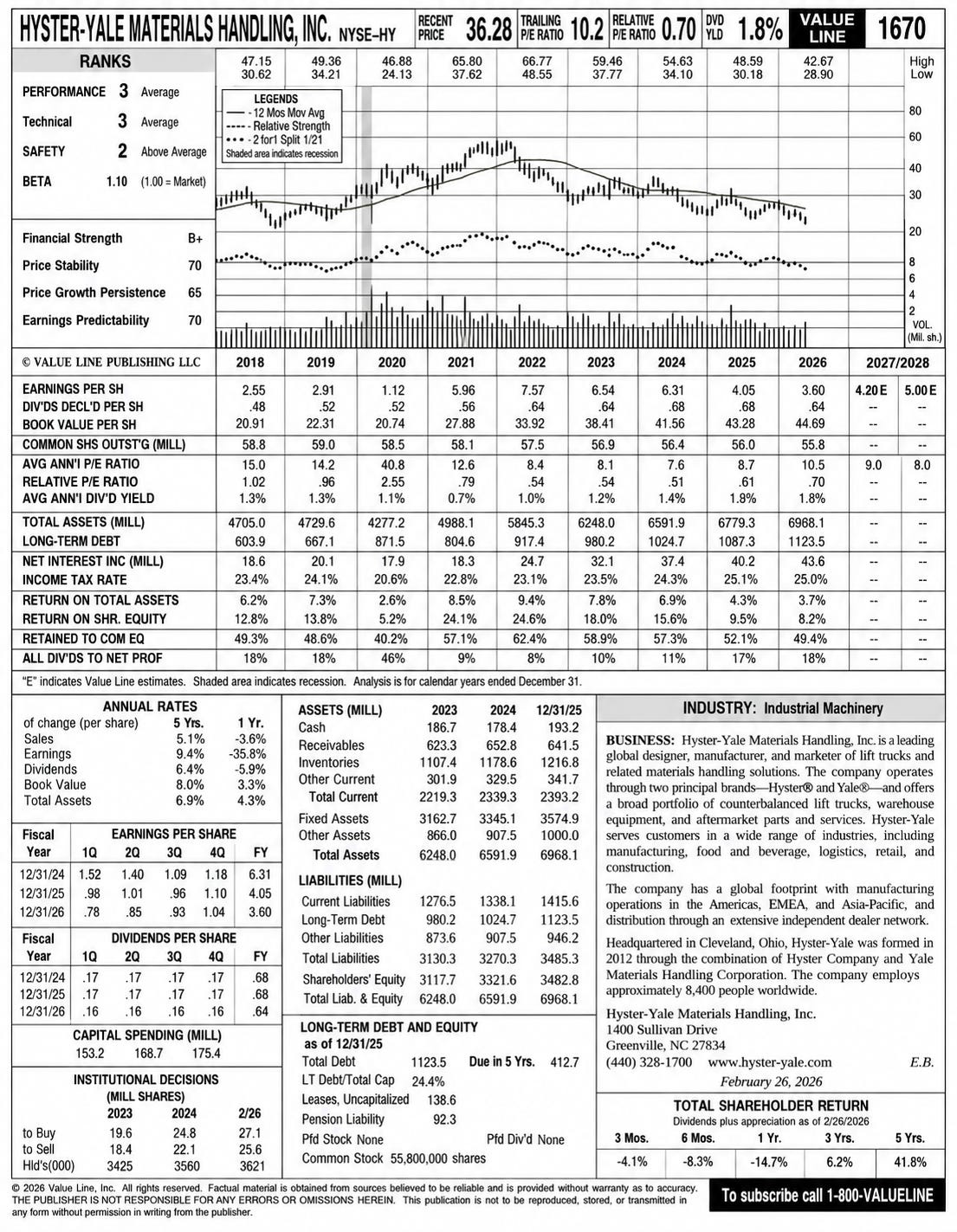
Hyster-Yale trades at 0.16 times sales as lift-truck bookings rebound and restructuring targets $85 million to $100 million in annual…

AppLovin's Ads Manager targets middle-market e-commerce advertisers as Q3 guidance calls for 47% sales growth, while legal and compute-cost…
 Jack Elias 3 clicks

@MPORielly @FierceNetwork_ 2/2) Elon knows that this is not enough. He wouldn't buy one shoe unless he thought the next shoe would soon be available. That is $NN. Just based on how much mkt cap $VZ and $T are down, they should want it too if only for defensive reasons.
@MPORielly @FierceNetwork_ 1/2) clearly not enough low band to stand up a MNO. This is the equivalent of buying only one shoe. It doesn't do the job. Theoretically that makes $VZ, $T etc more motivated to participate in a bidding war for the next piece of available low band $NN
I feel like $SSNLF's record quarter is closer to a peak than a new base. Samsung guided to about 107.4 trillion won (roughly $80bn) of Q3 operating profit. The shares fell 2.4% on the day. Here is why I read it as a peak: 1. The record came from price, not volume. Samsung's own guidance has conventional DRAM shipments flat year on year. HBM grew, but most of the jump is higher prices per bit. 2. Samsung's own phone unit is now a priced-out customer. Samsung is cutting Q4 phone output by 20–30% because memory is too expensive, and it has reportedly looked at buying DRAM from China's CXMT for Galaxy phones. When your own phone division shops around, the price is too high. 3. Buyers are working to use less HBM. AI chip designers are cutting HBM specs and finding ways to need less of it per accelerator. That attacks the mix gain directly. 4. Revenue missed even as profit beat. 195 trillion won against about 207 trillion expected. Margin did the work, and margin built on price is the first thing to reverse. My view: a commodity product earning these margins is unhealthy for everyone downstream, from phones and PCs to data centers. Buyers respond by cutting units, despeccing and adding suppliers. That is how ASP-driven cycles turn. The divisional split comes on October 29. I will be watching whether memory profit grew much faster than group profit, which would show the phone unit paying for it.
@JDerevyanny Who invests in a $400mm cannabis company run by a guy who goes to SXSW with celebrities besides my 15 year old cousin? That being said, $MSOS getting close to the “wave it in” price on LT regulatory optionality…

Probably nothing $2 trillion budget deficit for the FY Up 12% YoY During a “strong economy” (I am told) $GLD $IBIT

Legence trades at 10.4x EV/aEBITDA with a $5.7 billion backlog, as AI data center installations drive growth and expand its maintenance…

Brazil’s October 25 runoff puts Bolsonaro’s likely victory at the center of a bullish regional-stock case; Golar LNG (GLNG) also reports…
GoDaddy’s Airo bookings run-rate rose from $10 million to $50 million in one quarter, but legacy Applications & Commerce declines still…
 Fernanda Galvez Jalil 2 clicks

@ScottPh77711570 I need $TXBC to get more popular so I can short it in IBKR
The $70bn revenue figure reported for OpenAI in late September was a gross-basis comparison number, not OpenAI's own. OpenAI's own run rate, the one it told investors, was approaching $50bn at the end of September. The number that now needs the same scrutiny is Anthropic's, before its IPO. The two labs count partner sales differently. When a customer pays $AMZN or $GOOGL for Claude, Anthropic records the full price as revenue and books the cloud's cut as a cost. OpenAI records only its own share of such sales. The $70bn was OpenAI's number grossed up to Anthropic's method so the two could be compared. Three things follow. 1. OpenAI's revenue did not fall. Its net run rate was approaching $50bn at the end of September. Yet the stocks that fell on Thursday were its suppliers: $ORCL, $CRWV and $NVDA. 2. Anthropic's $65bn run rate at the end of July is a gross figure. On OpenAI's basis it is smaller by whatever the cloud partners keep, and that share has not been disclosed. The claim that Anthropic has overtaken OpenAI rests on two numbers measured differently. 3. Which method applies is an accounting judgement about which company controls the sale to the customer, so Anthropic's prospectus for its planned November IPO may keep the gross figure, with the partners' share inside cost of revenue. That filing will show the cost line. OpenAI, still private, does not have to. In our view Thursday's selling hit the suppliers to the lab whose number did not change. The comparison investors should redo before November is Anthropic's $65bn against OpenAI's $50bn after the cloud partners' share is taken out of both.
Software multiples have fallen further since our January report. As of 7 Oct 2026, 238 companies in our all-software watchlist have EV/Sales (NTM) data on Koyfin. The median is 3.1x, down from 3.7x in January. The average is 5.4x, down from 6.2x. The 25th percentile is 1.8x, down from 1.9x. The 75th percentile is 5.5x, down from 6.1x. 191 of the 238 (80%) trade below our 6.7x private equity floor. 113 trade below 3x. The Bessemer Cloud Index shows the same pattern. Its median is 4.7x, down from 5.1x in January. 46 of its 68 companies (68%) trade below 6.7x. The cheapest are $CXM at 0.9x, $SPT at 1.1x, $MNDY at 1.7x and $WIX at 1.8x. In our watchlist, only 21 companies trade above 10x. The most expensive are $PLTR at 44.5x, $CRWD at 42.4x, $NET at 38.6x, $PANW at 24.2x, $DDOG at 19.5x and $SNOW at 16.3x. Growth still earns a higher multiple. The 44 names expected to grow revenue 20%+ a year over 3 years have a median of 5.2x. The 85 names expected to grow under 10% have a median of 2.6x. Even for the faster growers, the 5.2x median is below the floor. The market is paying up for very few names. We think that is right. Many software companies have slowing growth, high costs and no clear AI strategy. We would not buy the sector, or a cloud index, on valuation alone. In software, we focus on the few companies rebuilding their products around AI, and our SaaS Survival Scorecard tests key SaaS names against the pressure from AI agents.
OceanaGold trades below its mine value despite US$655 million of cash and no debt, with production set to dip before Wharekirauponga begins…
 The Bullionaire 1 click

PayPal’s debit spending rose over 60% and Venmo TPV grew 14%, with combined Debit and Pay with Venmo users generating more than 9x revenue…
 Quantryon Capital
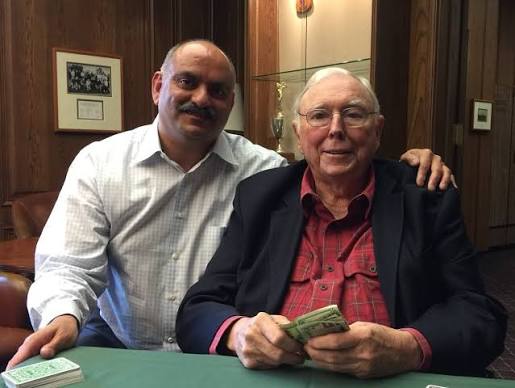
Mohnish Pabrai’s 69 quarterly filings are rebuilt into a never-sell portfolio, including Horsehead, Berkshire, Alphabet, Ferrari and…
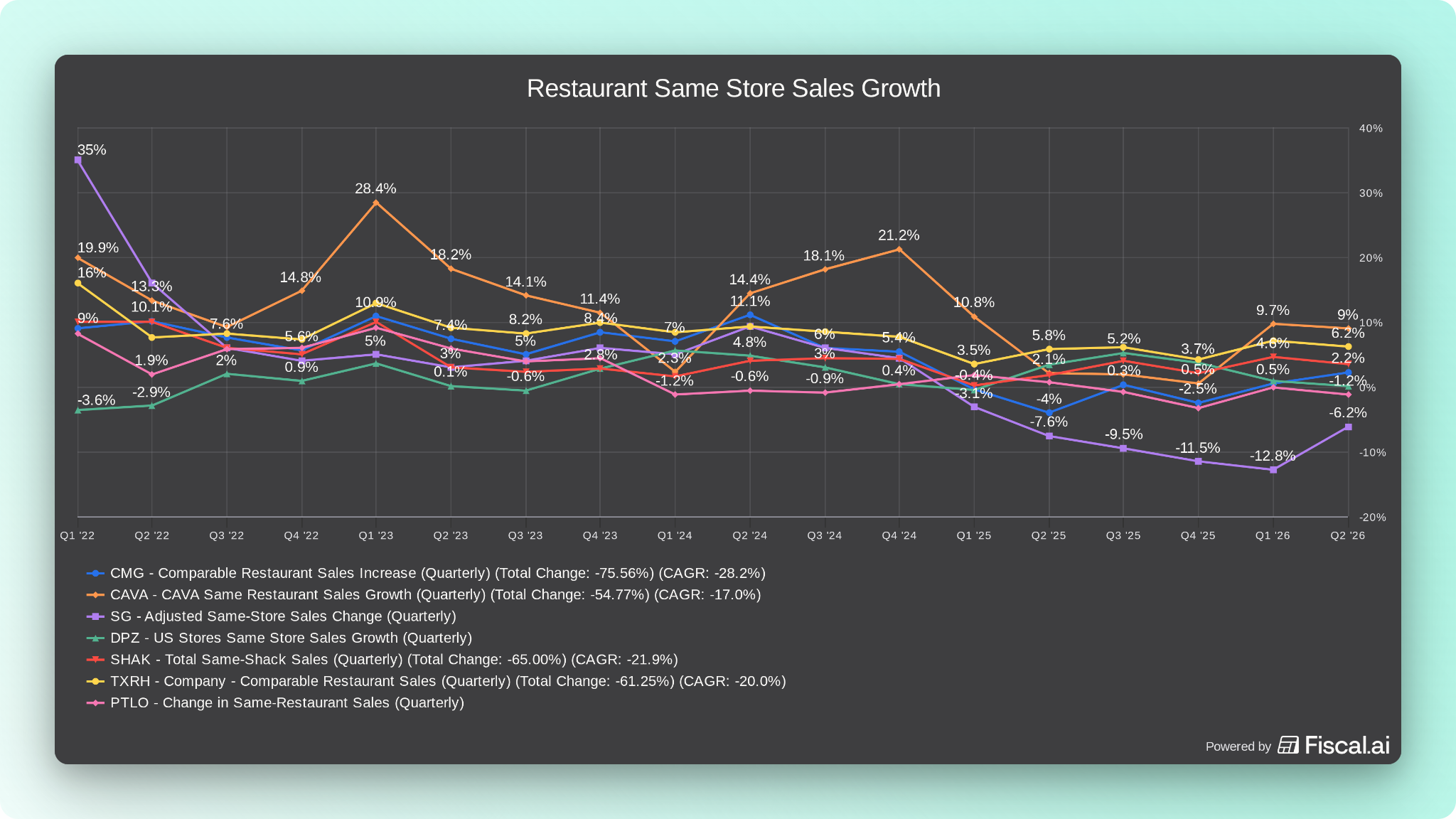
Cava’s $3 million AUVs, 25.1% restaurant margins and sector-leading same-store sales support its expansion case as awareness rose from 40%…
