
Deep Sail Capital on X
Because they are bullshiting everyone. $NUAI https://t.co/FMGotqQuEr
Sector
Everything our editor has picked under this sector, best first.
159 stories
Because they are bullshiting everyone. $NUAI https://t.co/FMGotqQuEr
This is indeed highly unusual. I have seen billionaires get involved in actively buying a stock (Alfred Mann with MannKind $MNKD , Philip Frost with Opko Health $OPK, Harold Hamm with Continental Resources, etc.) but they are usually companies they founded or are deeply involved in.
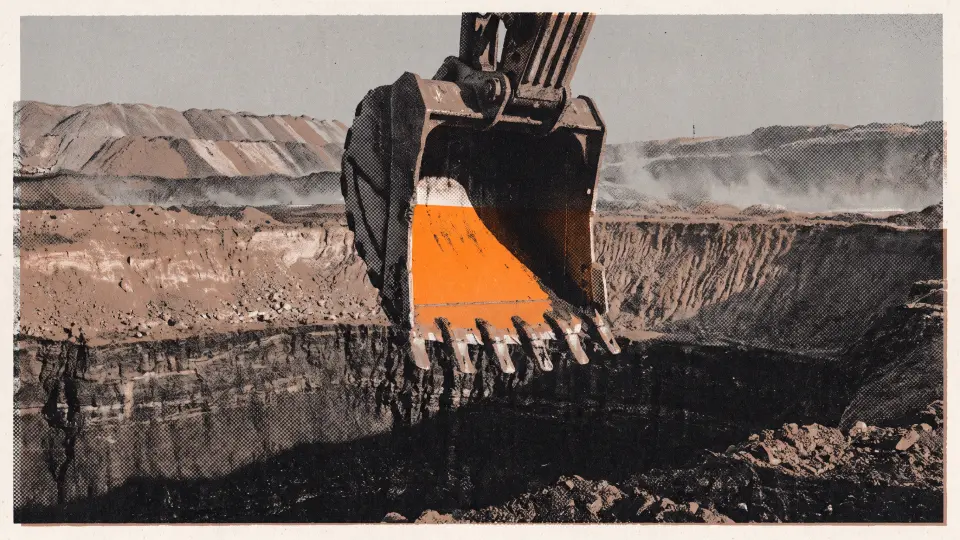
Alliance Resource Partners has 2026 coal sales fully contracted and is expanding oil and gas royalties through AllDale, supporting its 9.8%…
 Timur Mekhantev 4 clicks
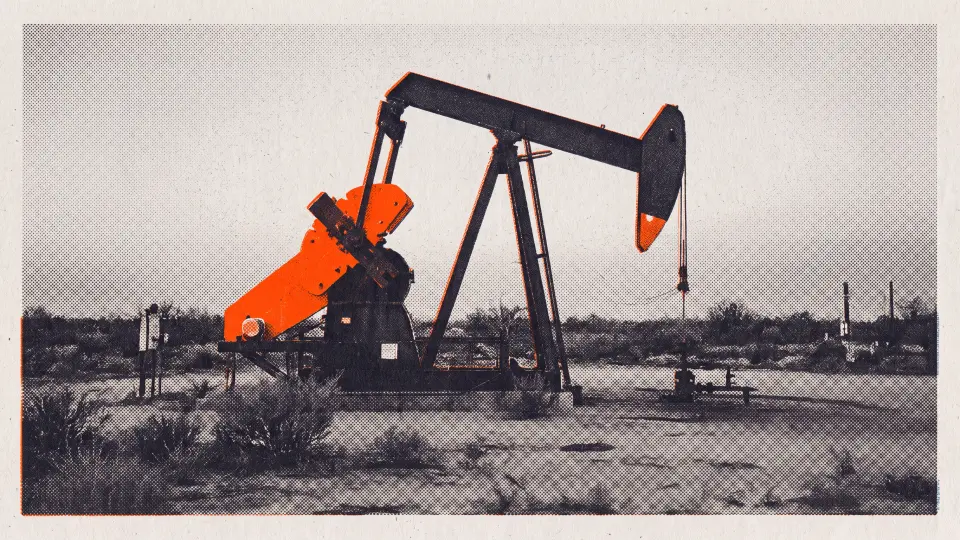
Kimbell Royalty Partners’ Mesa and Drop Down acquisitions lift 2026 production guidance 15%, while 13% dividend yield, unit dilution and…
 Investor Overview 2 clicks
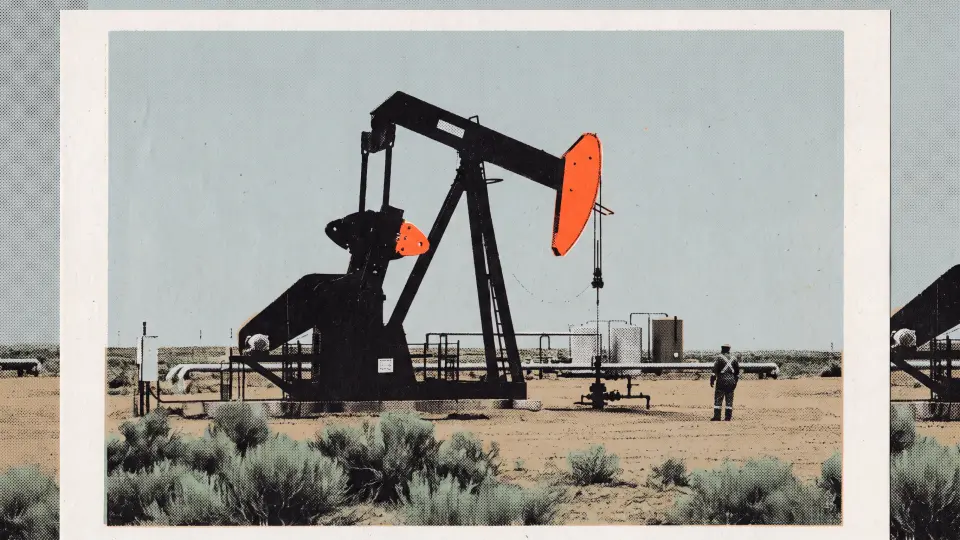
Magnolia Oil & Gas closed its $4 billion WildFire acquisition, adding Eagle Ford acreage with cost synergies and funding the deal with…
 Long Player 2 clicks
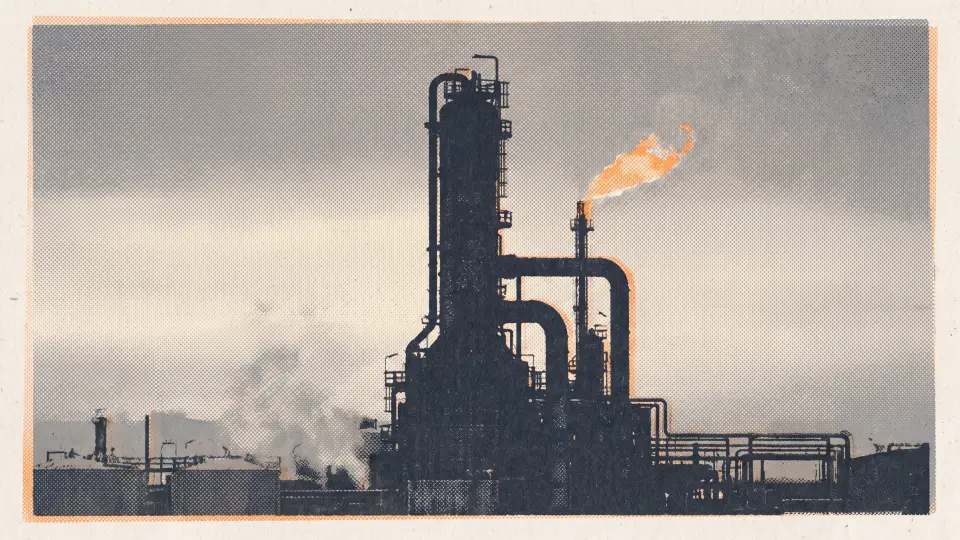
Phillips 66 expects a structural refining-capacity gap to sustain crack spreads, driving $27.3 billion of after-tax earnings over four…
 Andres Veurink 2 clicks
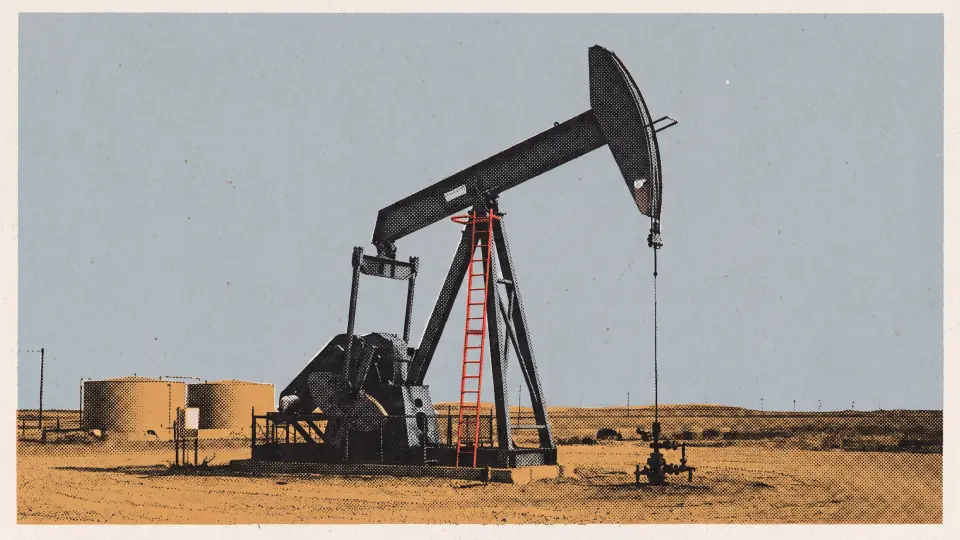
Occidental Petroleum could benefit as declining shale inventories and high rates curb industry capex, tightening oil supply against demand…
 Gen Z Investor
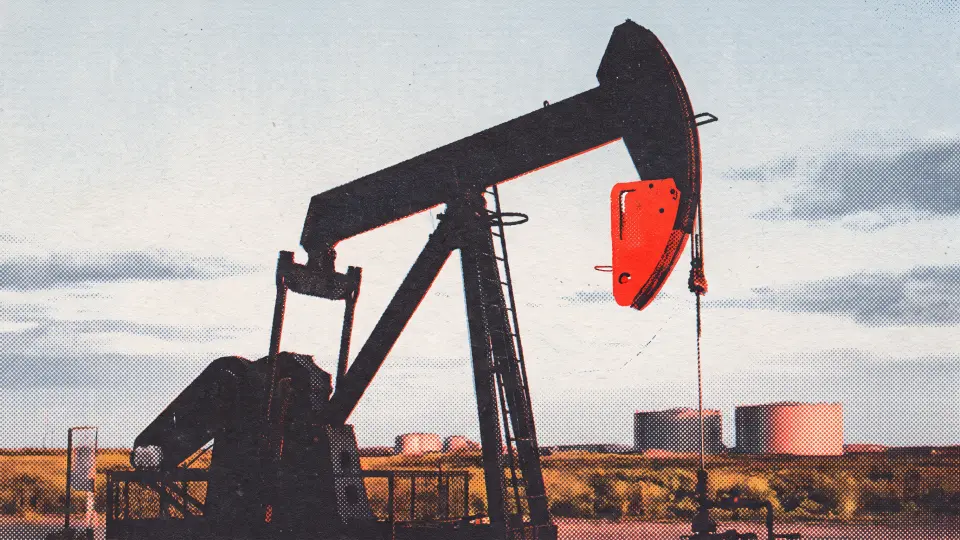
Chevron moved to Distribute at $204 after Q2 free cash flow reached $18.1 billion on $104 Brent, with near-peak margins driving supernormal…
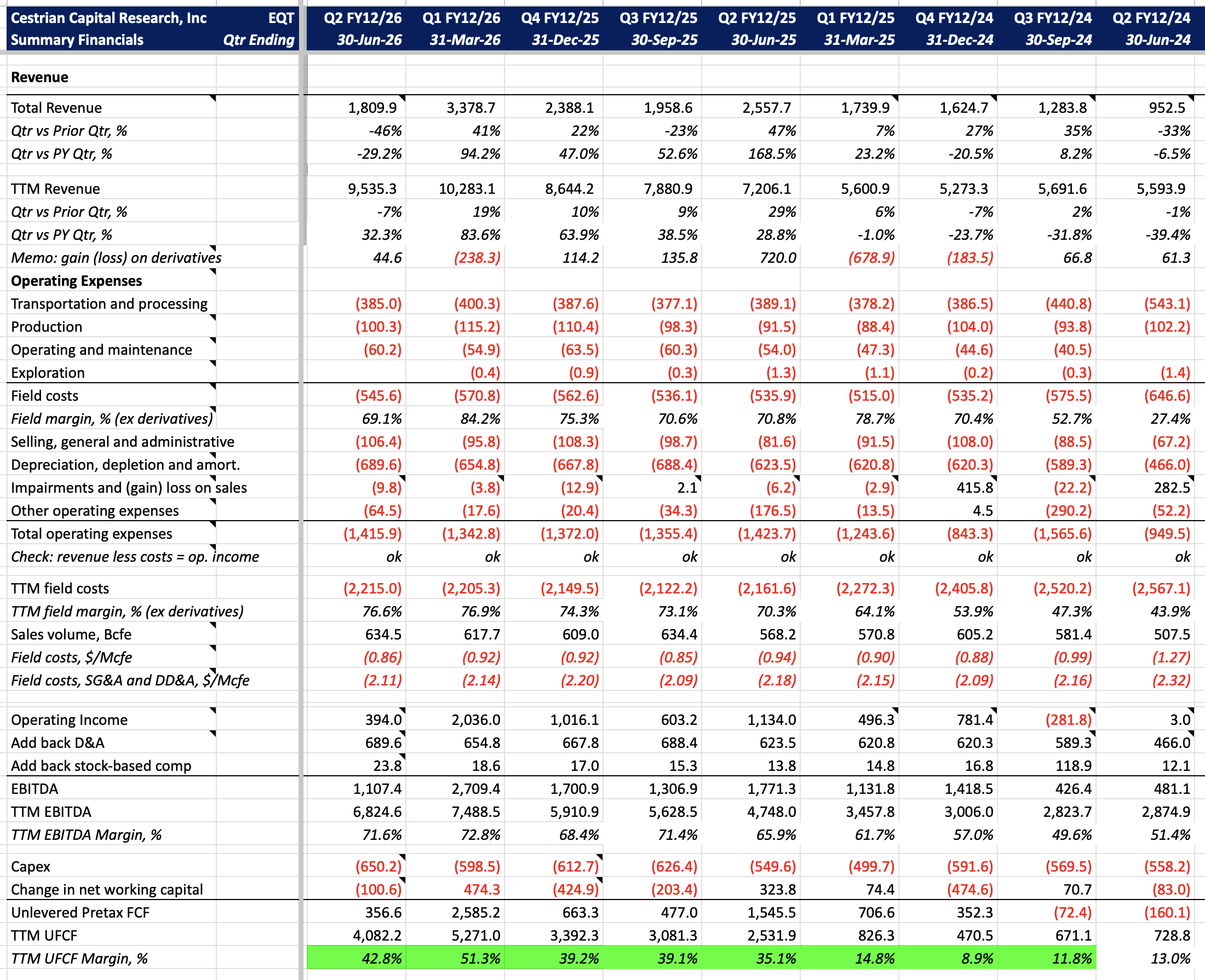
EQT remains tied to roughly $3 Henry Hub gas despite European prices near $23 per MMBtu, with US LNG export capacity limiting overseas…
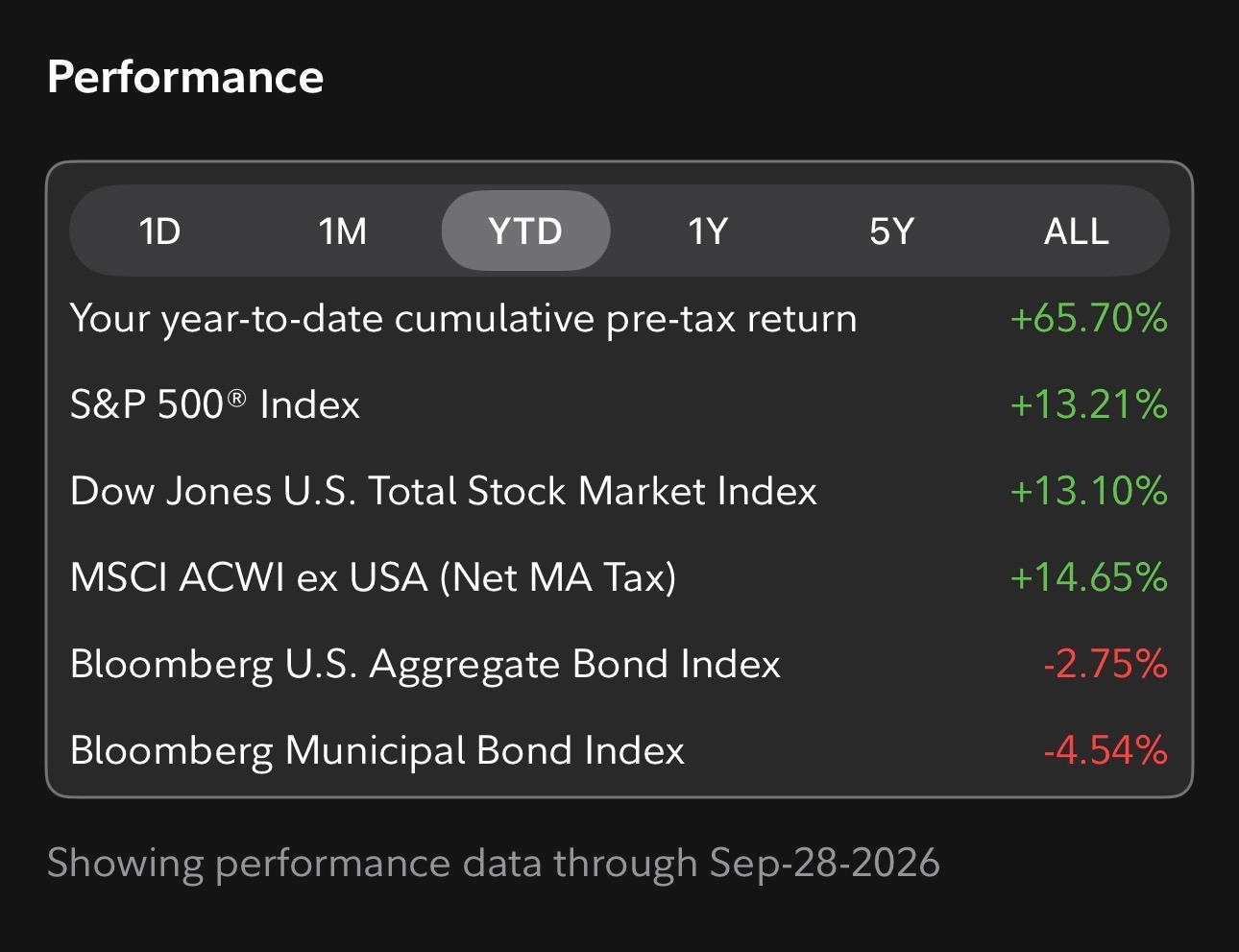
Portfolio returned 65.7% through September 28 versus the S&P 500’s 13.2%, while backing Tourmaline, EQT, Athabasca and SLB on gas demand…
Shell to Double Production Capacity at LNG Canada $SHEL https://t.co/pWZFyMchXg
UPDATE: Is Google $SEI’s “Customer C”? A Solaris Energy Infrastructure subsidiary applied for an air permit for “natural gas electric generating units” in Texas. The listed location points to Google’s Midlothian data center. https://t.co/JxV5L7iLQL https://t.co/H9yMNFVkz8
Natural gas itself has not been the scarce input. The turbines have. Once AI data-centre load outran what the grid, renewables, and near-term nuclear could cover on a GW scale, gas became the compromise — and turbine demand surged from 2024–2025. Lead times still run roughly three to five years, with manufacturers already sold out into 2029–2031. That puts the first large batch of those ordered turbines on a delivery horizon closer to the next twelve months. As they arrive, and as behind-the-meter projects sit at or near gas fields, the incremental gas draw is likely to show up in a concentrated window, not a smooth ramp. Storage has grown only modestly while demand has risen, and drilling and pipeline buildout have stayed slow. New customers do not want to wait another three to four years for later turbine slots, so they are also exploring workarounds: reciprocating engines — internal combustion units closer to older, smaller airplane engines than to jets. The tech is not high-end blade metallurgy, so these generators can be mass-produced. They still prefer natural gas (more energy at the same density, and cleaner). Slightly less efficient than a turbine, but available sooner — and still burning gas. Either path concentrates the fuel draw. $AR, $EXE and $CRK are the producers sitting on that timing gap.
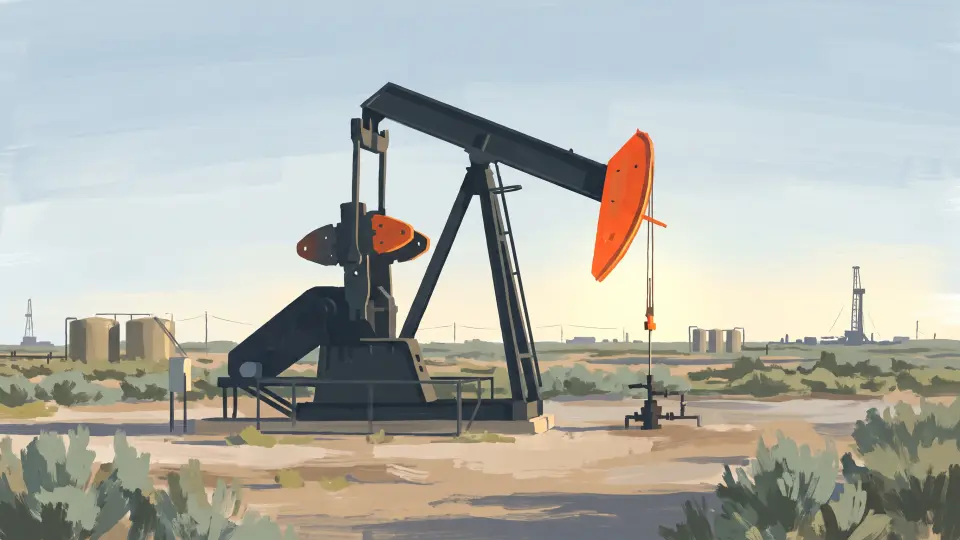
Riley Exploration Permian raised oil production guidance after a Q2 beat, targeting 30% growth while trading at 6.52 times forward earnings.
 The Supercycle Investor
7/n the CEO of $SHEL on the @TRowePrice podcast Interesting at several levels: global energy mix/growth, geopolitics, asset diversification, management skills, AI applications https://t.co/IYxUVeIlfs
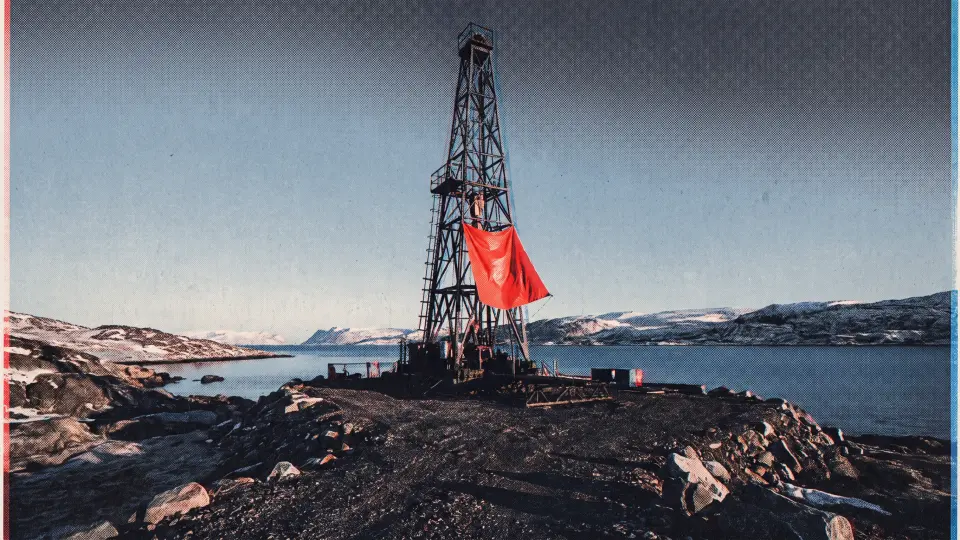
Greenland Energy Company holds 2.1 million acres in the Jameson Land Basin, but drilling permits, political risk and warrant dilution cloud…
 Ron Ferrie
@SebKrog are you long $opal?
NEW: An air permit application filed by an Atlas Energy Solutions ($AESI) subsidiary in Texas suggests OpenAI is the "leading frontier AI lab" backstopping its 283 MW power equipment and supporting infrastructure orders. https://t.co/8WJ7EEgPij
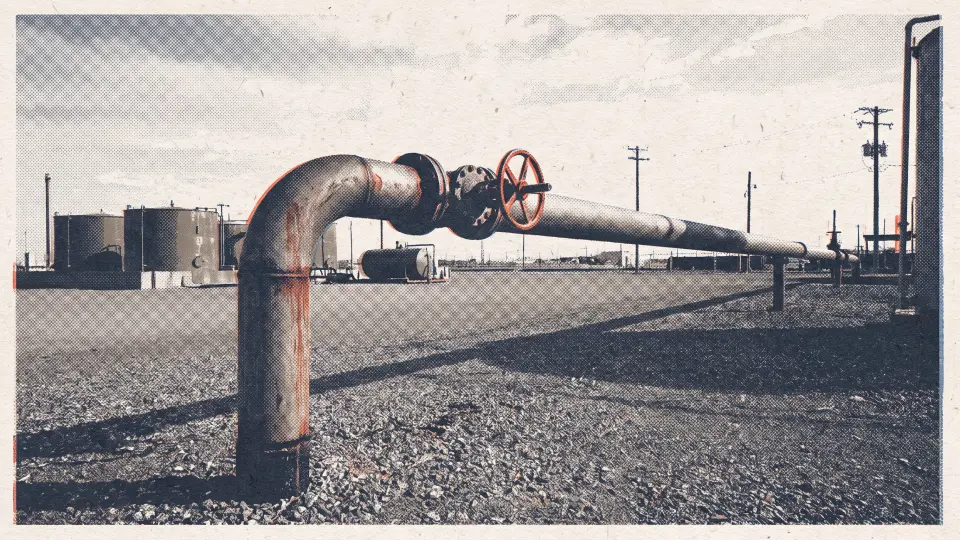
Energy Transfer's volume growth and data center demand support EBITDA above guidance, potential Q3 upgrades and distribution growth.
 White Star Research
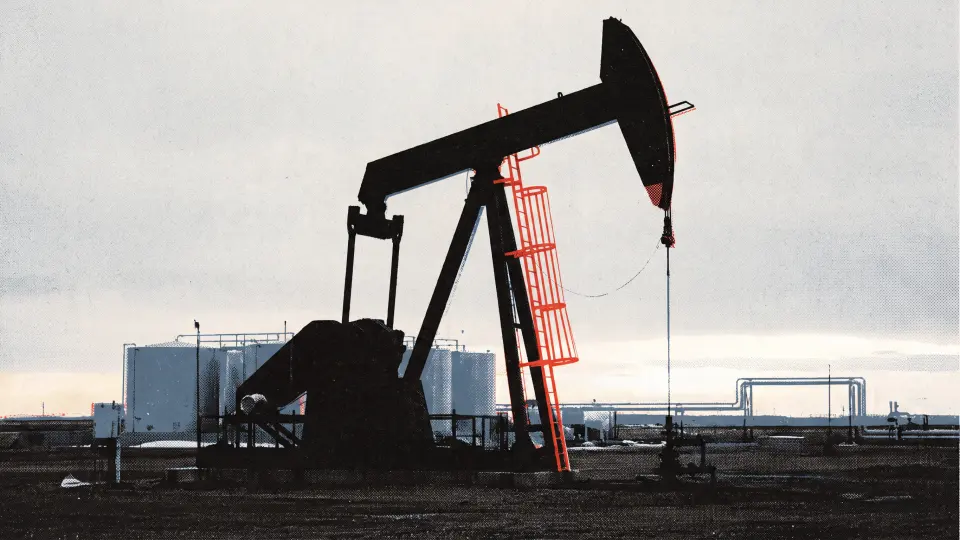
JPMorgan says oil prices are increasingly hard to model as market buffers weaken, prompting a scorecard ranking energy stocks by upside…
 Dilantha De Silva

Mach Natural Resources' Q2 distributable cash fell to $60.1 million as development spending rose, prompting a distribution cut; its units…
Vista Energy's Q2 2026 production rose 32% and revenue 89% as Vaca Muerta acquisitions expand its Argentine export platform and cash…
 Alan Galecki 4 clicks
If you're curious about the random $SPY / $QQQ candle: Just now, “US and Iran discuss phased deal to reopen Hormuz and end US blockade" - Reuters - "A deal before the midterms could benefit Trump, as reopening Hormuz could ease tensions in the Gulf, contain oil prices and help bring down politically sensitive US gasoline prices." - "Trump has said he thinks the US and Iran could reach a deal after midterm elections to Congress on November.” Would make sense for Trump to want markets as strong as possible during Midterms elections…
ResMed benefits as Eli Lilly-funded sleep-apnoea diagnoses expand PAP demand, while NOV’s geothermal cutters and Po Valley’s unhedged…
