
Multiples Capital on X
Add Monday $MNDY to the list -26%
Search
Every article we have published, filed by the company it is actually about.
1508 articles about companies over $2B
Add Monday $MNDY to the list -26%
Shopee's SPX Express reminds me of $PDD's community group buy pick-up point locations. $SE "They are a familiar sight in Singapore. The retired “uncle” in flip-flops, slinging parcels across a housing block in an ever-practical blue Ikea bag. Or an entrepreneurial homemaker busily sorting a makeshift Shopee kiosk beside the lift. They are the human backbone of SPX Express, which now handles most of Shopee’s several billion parcels annually... With SPX Express, 90 per cent of its parcels are delivered the next day in Singapore. In the rest of Asia, almost half of SPX Express orders are delivered within two days." https://t.co/oyQtg6SZ5i
The AI disruptions no one seems to be talking about, ytd stock performances $TTD -54% $IT -53% $HUBS -35% $ACN -32% $TEAM -31% $CRM -28% $ADBE -23% $NOW -18% $WDAY -14%
How ironic is it that $DAVE, a multi-billion fintech, relies on tips from its payday borrowers for its revenue. Capitalism at its finest!
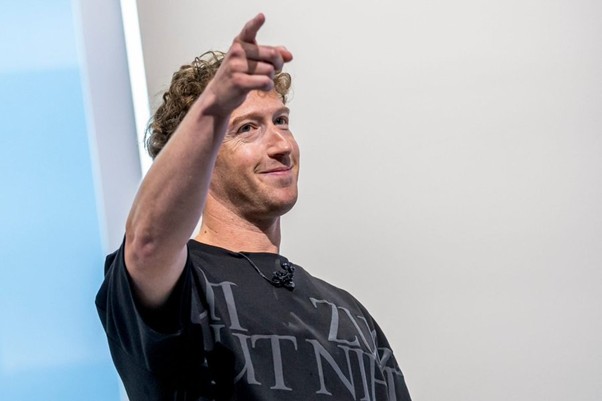
Meta’s 22% Q2 revenue growth and AI-driven ad engagement support its core business, while planned 2026 capex of roughly $100 billion…
$RDDT I don't make bold predictions. I'm a conservative doctor but it will likely be the next $META or $GOOG. Look at those companies 8-10 years ago. Very similar fact pattern. Now $RDDT is dominating search w highly valuable AI. +78% rev on tough comp and just getting started.
What a story... Zhang Junjie was orphaned at 10 and homeless, to illiterate at 17, to Billionaire by 32. I first tried Chagee in Shenzhen last year, and then again at their first US-outpost (Los Angeles). It's a great product, and their "Guochao" branding on point (modernized traditional Chinese aesthetic). From Haidilao & Tai Er, to Luckin, HeyTea, and now Chagee entering the US, pretty excited to watch US consumers finally be introduced to upscale Chinese F&B brands (please, no more Panda Express...). $CHA
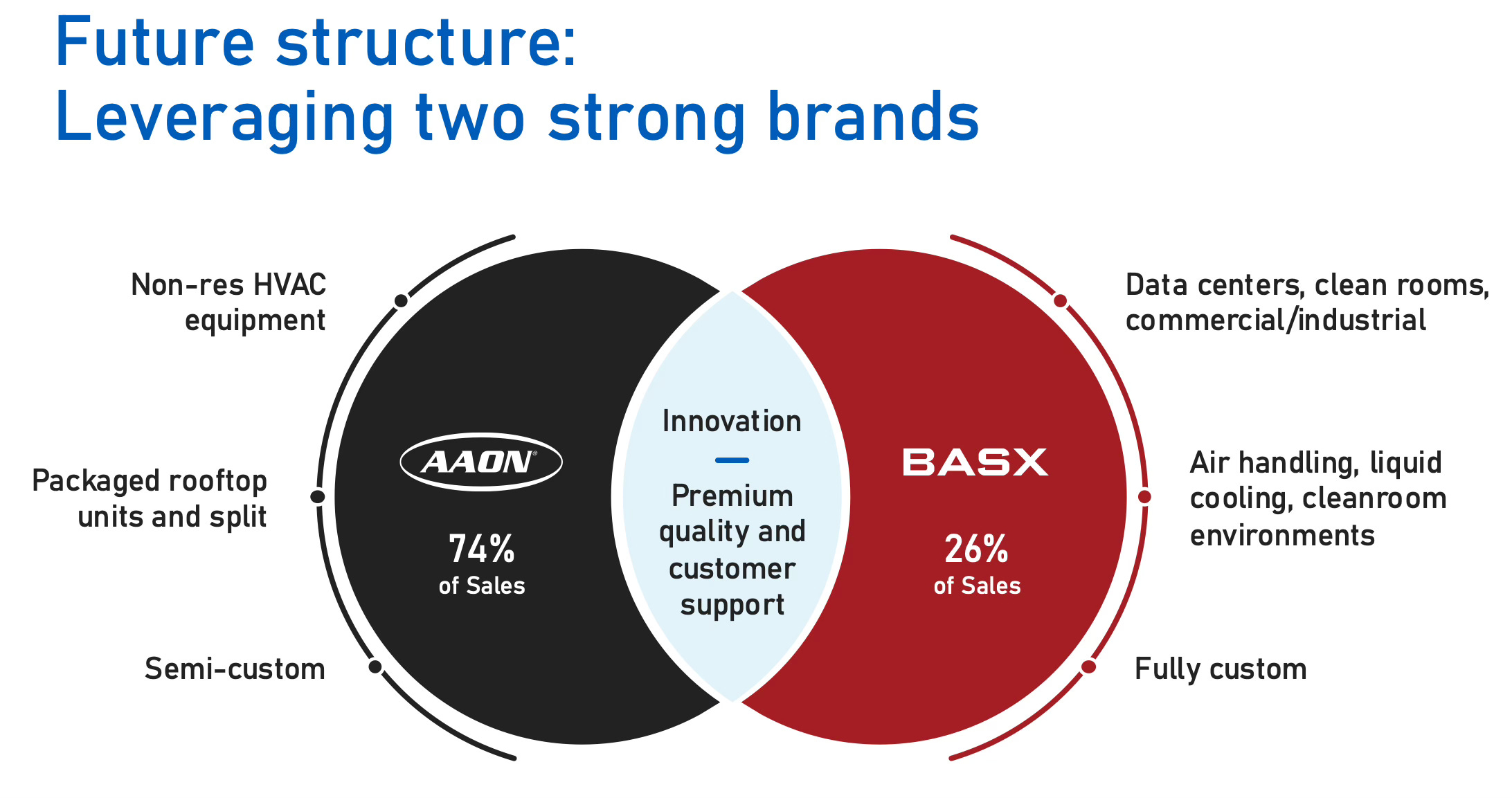
AAON shares have fallen 45% from November 2024 highs as core HVAC bookings weaken, while BASX supplies hyperscale data-center growth.
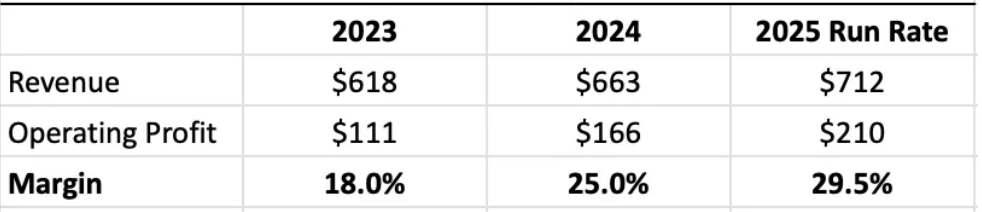
Pitney Bowes trades at an 18% FCF yield, with 25% operating margins, 30%-plus ROIC and plans to return free cash flow mostly through…
(Late) Q2'25 Update New: $META, $STN.TO, $FTT.TO, $CVG.TO, $GDI.TO, $VCI.V, $IOT.V Sold: $KNSL, $CJT.TO, $RPI.UN, $MRD.TO, $HMM.A, $FORA.TO, $THNC.TO, $BRM.V Q2: 6.6% vs 10.6% for SPX ITD (Jan '21): +165% vs +68% Fairly happy with how the portfolio is positioned 👇 https://t.co/FPQbbegoEQ
$INGM Massive cyber & ransomware attack. All systems over the weekend. Still can’t fulfill orders after 4 days. Customers moving to competitors (as reported on Reddit). Likely permanent damage & customer losses. Ransomware payment due. Compounded by a major IT upgrade now needed. https://t.co/kQFbwFvcLA

Google’s A$205-a-month AI Ultra subscription advertised Project Mariner access, but Australians were excluded from the agentic AI trial.
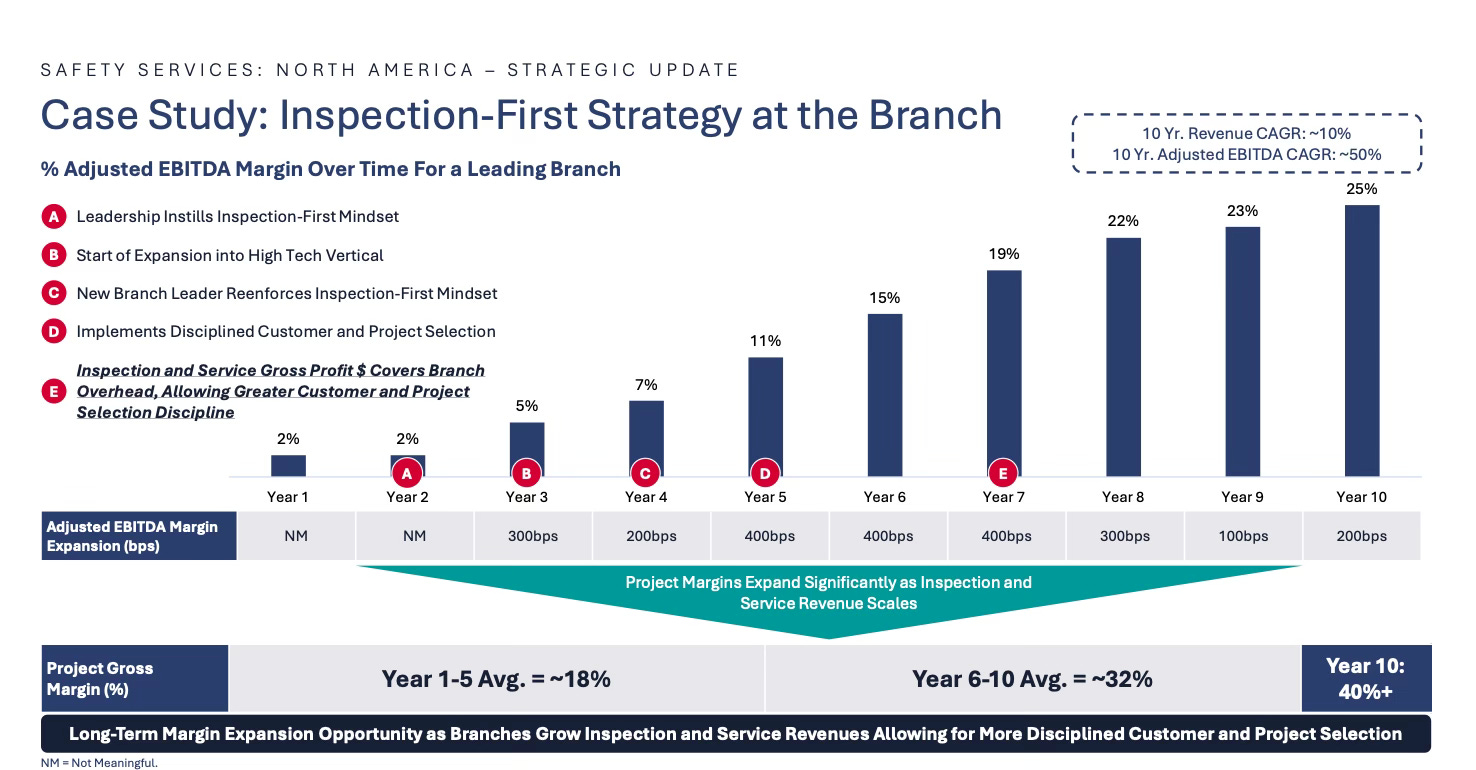
API Group targets $10.4 billion of 2028 revenue and 16% EBITDA margins as recurring compliance inspections expand, supporting a $50-plus…

IMAX China, Hong Kong-listed 1970, is IMAX’s exclusive Greater China licensee, earning box-office-linked fees from premium large-format…
$EXPE has always been a much slower grower than $BKNG, won't be surprised if it's a fav pair trade of hedge fund (long booking, short expe). Over the years though Expedia has been going through internal changes, sold some businesses (Egencia to AmEx travel and few other sites), went through a technology transformation for internal sites (Expedia, https://t.co/ap3OIandej, Vrbo). 50% improvement in operating margin since 2019. But not as profitable as Booking (operating margin at 12% vs 32% for bkng). Mainly a US focused player (unlike bkng) with a very strong B2B segment that's growing mid teens and about 30% of total revenue), now looking to expand internationally. To be seen if that would drive higher margin given the much fragmented hotel market internationally vs US. Bkng on the other hand seeing revenue growth slowing down to high single digit and mid teens eps growth with margins declining since 2019. Expedia needs to show higher top line growth but possible still delivers mid teens eps growth. Travel is cyclical but these OTA are very robust, they saw revenue growth even in the financial crisis, as more ppl look for deals. AI is an unknown, Expedia is embracing it. Finding a hotel with the right deal is not same as getting an answer to a question from LLM, distribution/platform should remain valuable. Interesting to see how the pieces fall for Expedia, PEG < 1 and these multiples should atleast provide downside protection

Veeva serves 1,500 life-sciences customers with cloud software and targets AI-driven industry efficiency gains as new commercial and R&D…
$PRIM $500M new project broke ground. Not deep on the name but this is a pretty massive program for $PRIM and does not appear anyone noticed. "430-megawatt development from Arevon Energy, an offshoot of utility and energy contractor Primoris Services Corp" https://t.co/1egNflZ1X8
Silver breaking out finally. Long $SLV calls ... not a recommendation :) https://t.co/AFPUTa6n4P
Loved this interview with Adam at Applovin $APP. Insight into his strategic thinking + the story of building a $100BN firm with almost 0 funding (just $4M total). And his decision of buying back ~25% of shares at rock-bottom prices, contributing to their massive stock performance since 2023. https://t.co/2We2q8sG8n ** My favorite quotes: "We went public in April 21. And if I remember right, by December lockups free from January 22 to December 22, I think our stock went down like 92%. Um, it was red every day. And so that it ends up setting you up for failure. Now we were really fortunate because of how we started. We were always cashflow positive. So I controlled our own destiny. We were generating, I think it was a billion dollars of EBITDA. And at the low point, I think we got to a market cap of $4 billion. And so if you think about like cash yield return, it's over 20%. It's really cheap. You could manage and buy out a company at that level with just debt. And so what we did at the low point was we buckled down, said, we've all been here a long time. Let's build really great products. That's how we're going to recover. no one's going to buy our stock at this point. There's no narrative to sell. Everyone's gone. So let's buy our own shares. And we ended up issuing a lot of stock to the team, putting in a performance equity plan, and then becoming the biggest buyer of our own shares over the next year. And so we went from bottom $9 to peak $522 years later. A large part of that, I would say, probably 20-25% of that appreciation was because we bought back 20-25% of the cap table at very low prices because we could." ** And he refuses to speak to the Pods: "And then you realize I also want to recruit investors who believe in what I'm building over time, not who are betting on the stock for a quarter. And so I ended up changing investor relations and I don't take meetings with anyone who's who's focused on what's happening next quarter in a business as robust as ours. What's happening next quarter is defined by things we did a year ago. What's happening in three to five years is what I'm focused on. And so I only spend time with people who want to align with my vision long term. And that creates a much more engaging perspective on the world and got me to start thinking about the business exactly the same way as I did when we were private. And I still operate it today that way."
Omg 😲. Opening up 145%, $15BN mkt. $CRCL https://t.co/Qy3VRa6bPo
We put out our Q1 2025 letter a few days ago. This quarter, we discuss: - Why "Only The End-State Matters" - An update on Shopee Brazil, and their overseas expansion $SE - Our internship program, and a $WISE memo Letter is on our site here: https://t.co/ZvQvketYjL
$PBI short interest https://t.co/FO86LLy82E
Aravind Srinivas @AravSrinivas in 4 minutes explains the asymmetric setup against $GOOG with the shift to AI search and why it's not a given for Google to come out at the top. Watch from 10.30min of the interview below. https://t.co/V8Q75I2OgO
$PLUS Accelerating decline: Networking -37% (largest category), Product sales -18%, zero margin/ low quality Professional services now 15% of sales. Cut FY2026 top and bottom-line guide by 7% w further cuts almost certain to come. Trading at 14x 2026 guidance vs peers at 6-8x.
