
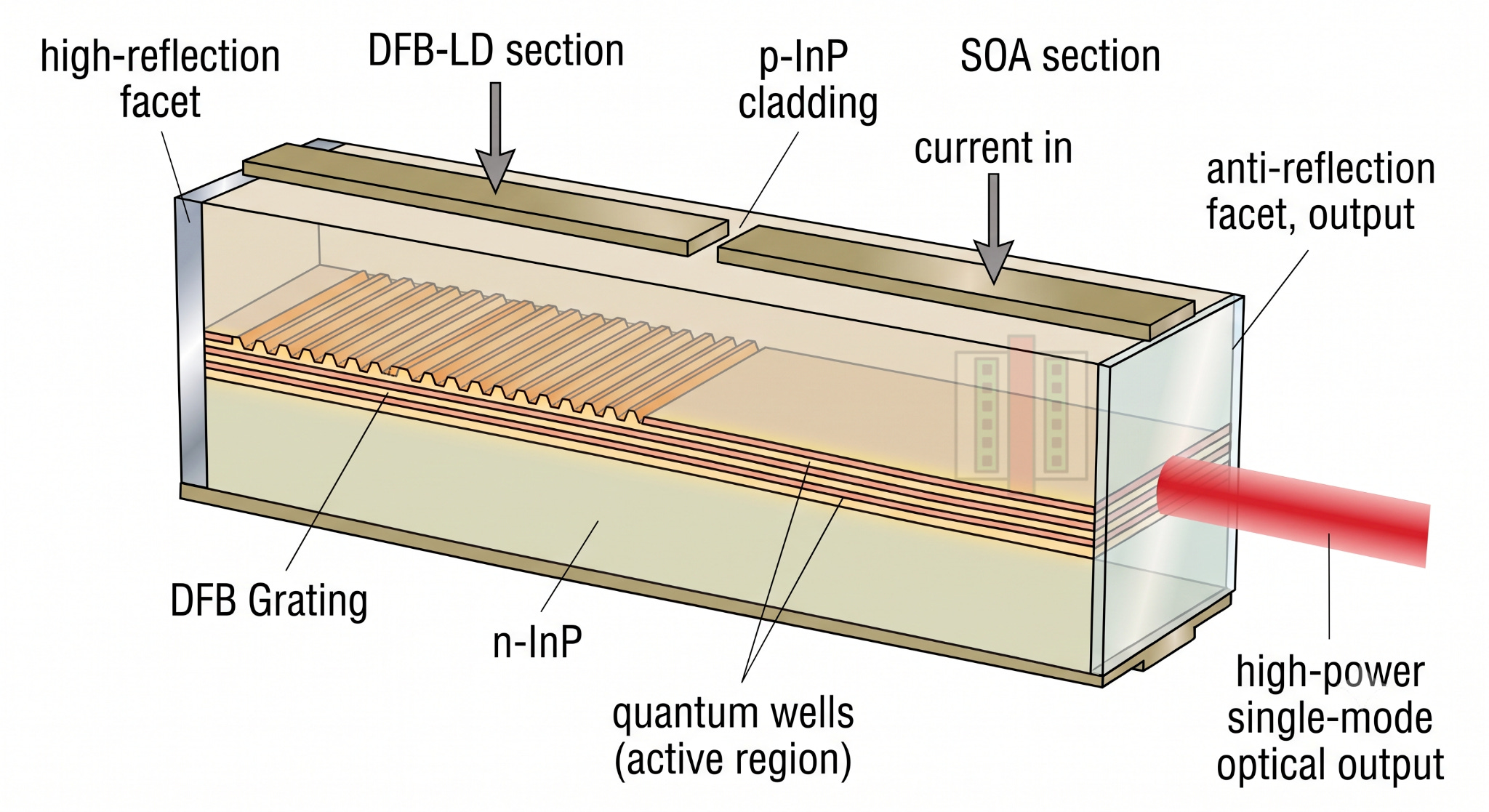
Lasers for CPO/NPO: Part 3 – Master Oscillator, Power Amplifier
MOPA lasers combine a roughly 100 mW seed diode with an integrated semiconductor optical amplifier to produce about 400 mW for co-packaged…
Monday, September 7
Everything we published on this day.
28 stories — the front page that day →
MOPA lasers combine a roughly 100 mW seed diode with an integrated semiconductor optical amplifier to produce about 400 mW for co-packaged…
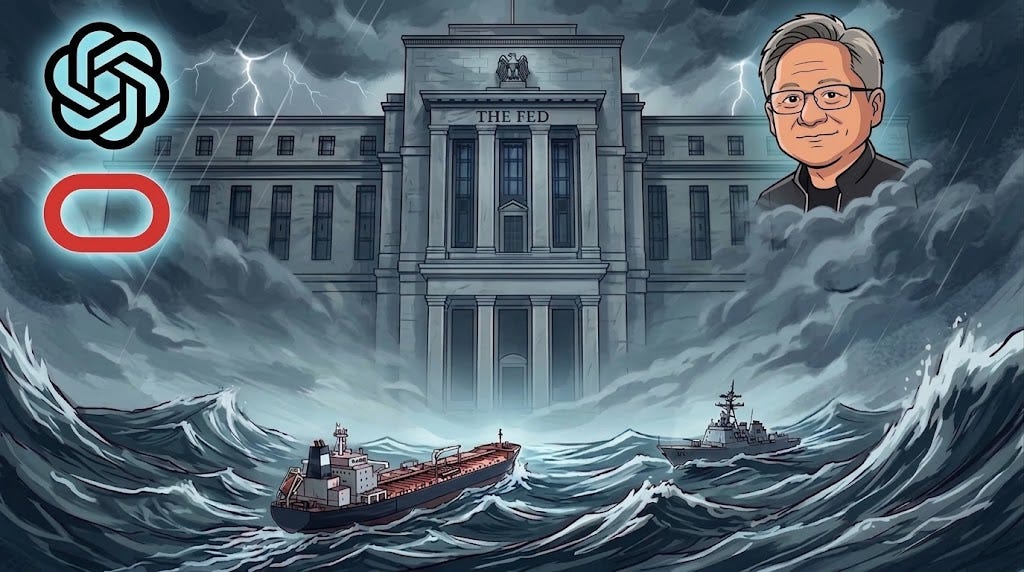
Nvidia’s Jensen Huang called GPT-6 Astra AGI as Anthropic contracted 14.8 GW of compute, while the Fed’s September decision hinges on…
The Quality Check #1 reviews recent developments at Arista, Cummins, Veeva, ServiceNow and AppLovin following earnings season.
Hard to see how $CNK doesn’t beat next Q https://t.co/sM58z3IQYp
Kirin 9050 Pro is the first Tau Scaling chip. The bigger story is Ascend. Huawei just put LogicFolding in the Mate XT 2. First commercial SoC on the Tau (τ) law He Tingbo laid out in May / updated in July. Not a surprise if you read that paper. Still a real jump: DUV + SAQP + logic stacking took density from 155 → 238 MTr/mm² on the same SMIC N+3 node. +55% in one gen. Power went down, not up. That’s N3-class equivalent density. Headline number matches Intel 18A HD (238) and sits next to Samsung SF2 (~231). TSMC N2 HD is still ahead (~313). Caveat: 238 is Huawei’s LogicFolding equivalent, not a planar N3 shrink. Same device node as 9030 Pro. Some analysts put the industry-formula read closer to ~175. Mobile scoreboard vs last-gen trifold / 9030 Pro: • Device +42% • CPU ST +24% / MT +52% • P-core 3.1 GHz (was 2.75) • CPU / GPU / NPU iso-perf power −41% / −58% / −66% • GPU render +142% • On-device 30B-total-param MoE Multi-core still trails $QCOM’s latest. The gap is no longer multi-generation. Next Tau Kirin can catch, maybe pass, a leading-edge mobile SoC. The packaging tell is sharper than the phone benches. 1.4–1.5μm hybrid-bond pitch. ~50M vertical interconnects. Western HVM hybrid bonding is still ~6μm (TSMC SoIC) to ~9μm (Intel Foveros Direct). If 1.4μm holds, that is SOTA vs Western leading-edge bonding — not the Geekbench print. Phone catch-up is the demo. AI silicon is the payoff. Apply the same fold to Ascend and the process-density gap vs $NVDA peers compresses from the lithography side over the next few quarters. Remaining bottlenecks: domestic DUV tool volume, HBM, packaging, software. I wouldn’t assume they outproduce ASML on DUV. I also wouldn’t fade the direction. Mature DUV + stacking + almost-unlimited power is enough to put China in the token-factory fight vs the US. Tables below. 🧵
GPT-6 Astra: scaling still works. Algo is the larger remaining gap. Astra shows both scaling laws and algorithms are still progressing. It is reportedly distilled from a 10T+ teacher named Bel. Maybe with $NVDA Vera Rubin and the next compute generation coming online, 10T+ becomes the new standard and performance keeps compounding. That means continued — even accelerating — demand for AI infra. The more interesting signal is algo. IMO we are still just touching the surface of how algorithms can improve. There is still a large gap between SOTA perf/watt and the human brain. GPT-6’s recurrent depth is the part that stuck with me. CoT / test-time reasoning lets the model write intermediate steps out as tokens, then produce a better final answer than a direct reply. Recurrent depth is different. It lets the model think longer and harder in hidden space before any word is emitted. Not just write the thinking out. Think harder on each next bit of the word. I am perplexed this arrived so late in GPT-6. Stable Diffusion introduced and spread this kind of latent iterative method in image generation ~5 years ago. The main reason it came so late: hidden thinking is harder to safety-check and monitor than explicit CoT. That constraint is real. It is also more human-like. People do not narrate every step. Plenty of global-max algorithms are still unimplemented for similar reasons. Models only get stronger from here.
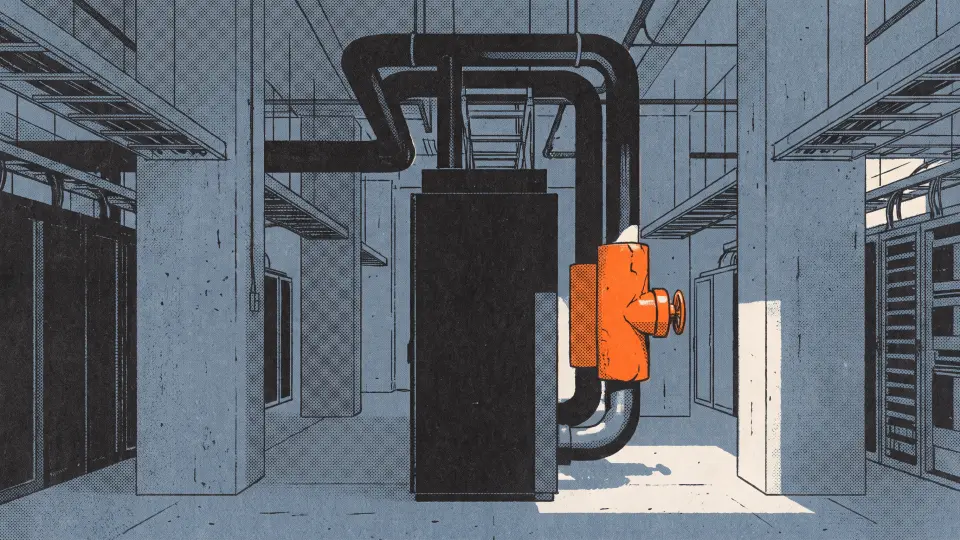
Latticework’s Labor Day briefing covers Alphabet’s TPU roadmap, HAL Trust’s asset-value discount, UMG’s buybacks, and AI data-center…
Pinterest’s Q2 showed reaccelerating North American growth, while weaker international trends, AI-related engagement risks and elevated…
 Richard Durant 2 clicks
@bigpoppad66 i’ve invested in a bunch and would love nothing more than to lever into $TSLA on real optimus traction, meaning capabilities of the hardware, that i have yet to see or hear about from my network
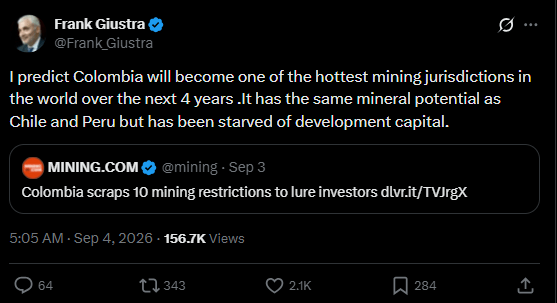
Tecnoglass could recover tariff- and FX-hit margins as U.S. blanket tariffs on Colombian goods lift.
I think I’ll do a deep dive on $FICO. I get they lost their monopoly by neop baby Bill Pulte but Jeeze this is low. https://t.co/g43xw6Lu1c
@TheFiscalSniper @AntonioMinkov $TQQQ
@RajDuncan @topazbenj @tslaming @Jason i have my channels on intel and when i’m convinced ill go all in on $TSLA. i sincerely want every company in the sector to succeed as its a net positive for humanity.
@topazbenj @RajDuncan @tslaming That is factually wrong and not how I invest. One of my top future opportunities is a levered long $TSLA trade the second I identify meaningful positive traction in Optimus. important not to become emotionally attached to stocks or your any thesis
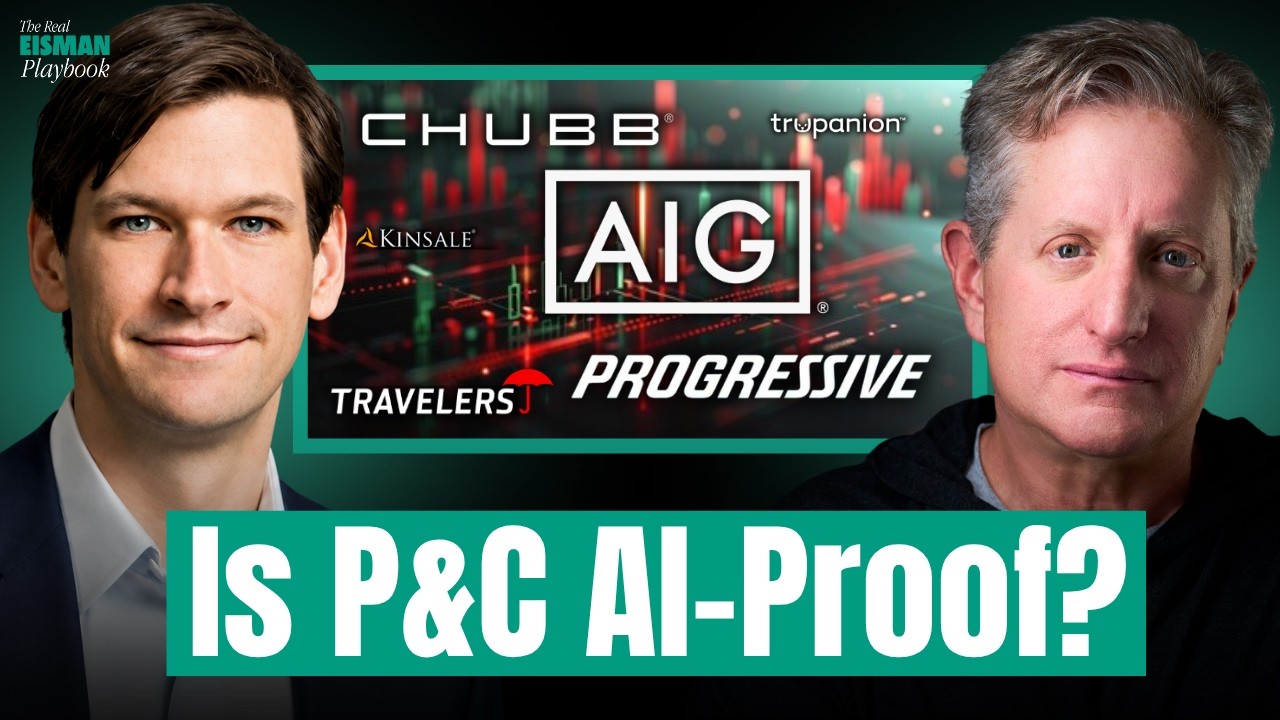
Ryan Tunis discusses P&C insurers, favoring Travelers over Chubb in a soft commercial market and calling AIG a near-book-value self-help…
Growth investors who bought Nike $NKE at a 0.05% free cash flow yield at the peak. https://t.co/onptAiCXtu
Scholar Rock’s apitegromab could become the first muscle-targeted SMA therapy by September 2026, but manufacturing setbacks and a…
 Equity Eagle
MBI Deep Dives will update prior company analyses through year-end, beginning with Uber, while deferring new work on Micron and S&P Global.
@JacobWolinsky Yeah it was so hyped I didn't even bother to read it. Might read it now that $NKE is crashing.
I remember back in the day all of the growth investors and VC dorks were talking up this book so much. It was literally the Bible for growth investors. But now that $NKE is in the dumps and the stock has cratered I don't see anyone diving in here trying to buy this company on the cheap. But I guess when it had a 1% free cash flow yield that was all good.

Lululemon’s Americas revenue fell 8% and comps dropped 12%, while a $134.5 million tariff refund masked weakening underlying margins after…
 On the Pulse 1 click
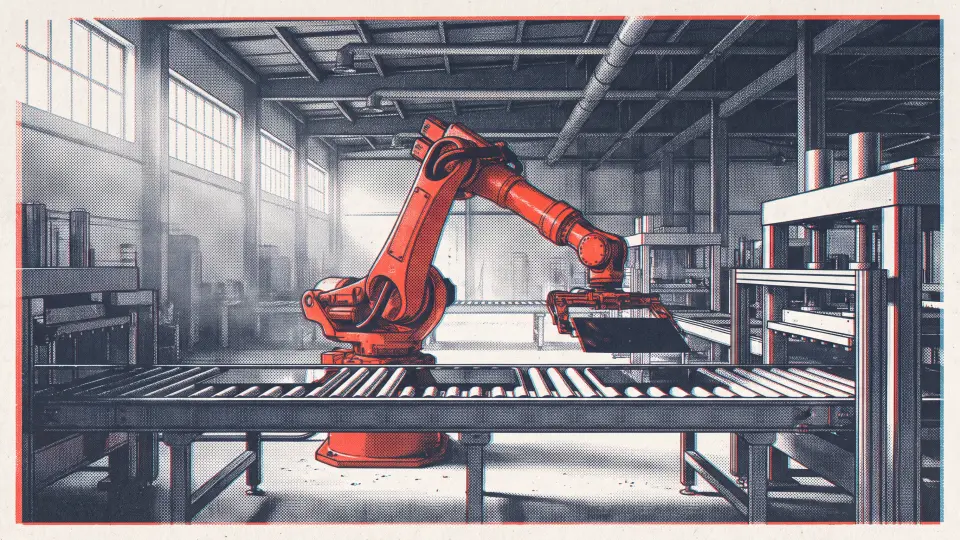
Apple's iPhone upgrade cycle has stretched to 3.2 years as iPhone 18 models face memory costs that could consume 34% to 42% of bill of…
 Tangerine Tan Capital
When does McDonald’s $MCD become a buy? I estimate $100 billion of real estate here on a $180 billion market cap and $220 billion enterprise value. Trades at like 15x EBITDA. I usually look at small companies but some of these larger ones are looking interesting. https://t.co/RnRauvu28K
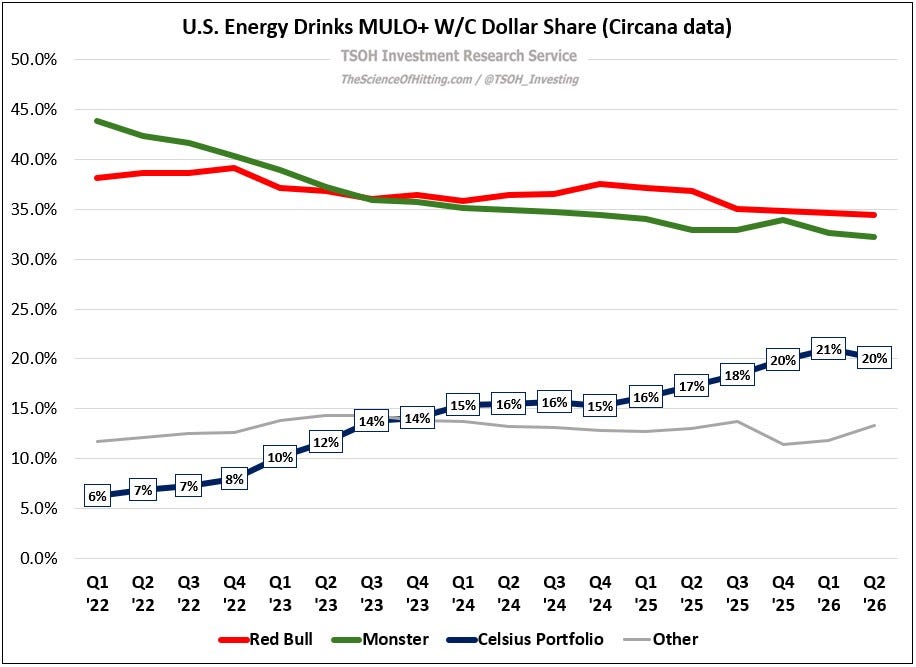
Celsius holds 20% of the U.S. energy-drink market and 40% of sugar-free sales, but its $1.65 billion Alani acquisition complicates…
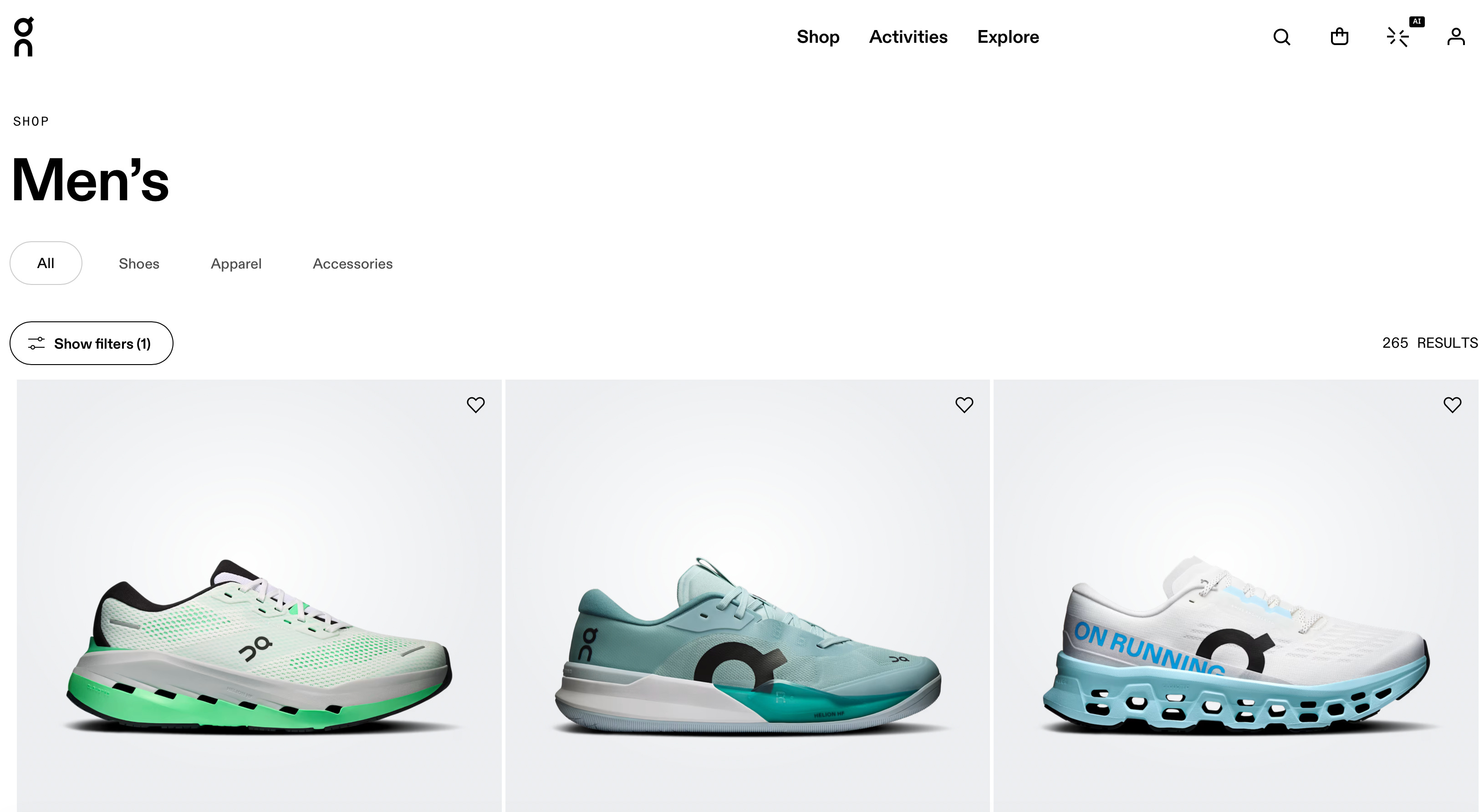
On Holding $ONON combines a high-margin direct-to-consumer footwear model with replacement-driven demand, after Q2 2026 sales rose 21.6%…
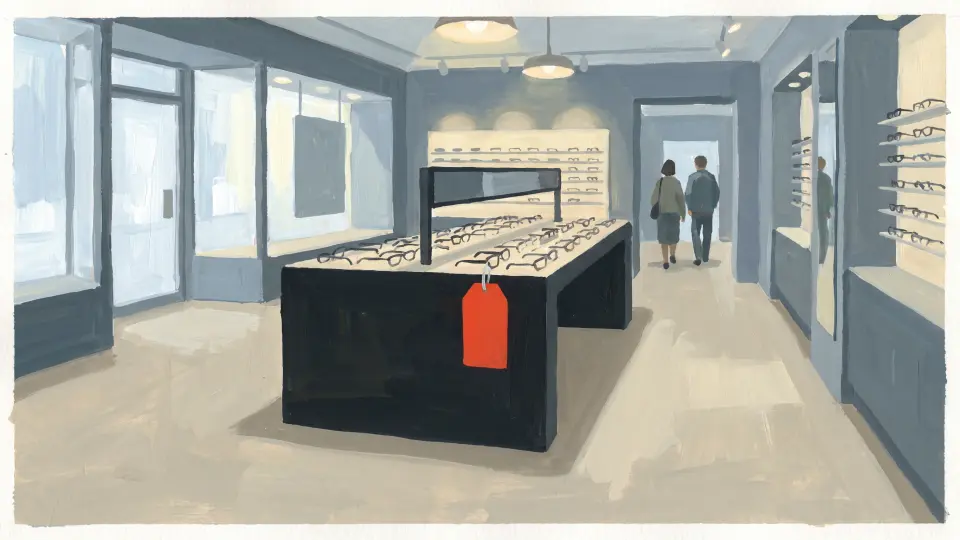
National Vision Holdings' 2.2% same-store sales growth masked a 4.9% transaction decline, while inventory rose 37% and deferred marketing…
 Number Cruncher 2 clicks
@Quantum8AI maybe, maybe not but i’ve already made year after year of unreal gains in AI stocks as opposed to having money parked in $TSLA so even if it plays out that way i’m ok with the trade off
Check Point Software’s AI-centric cybersecurity platform could lift revenue growth to 10%, supporting a $166 intrinsic value estimate…
 Hong Chew Eu
